Polypropylene Woven Bag with Liner
CN → US| HS Code | Tariff Rate | Origin | Destination | Doc |
|---|---|---|---|---|
| 6305330010 | 25.9% | CN | US | Official Doc |
| 6305330080 | 25.9% | CN | US | Official Doc |
| 3923290000 | 38.0% | CN | US | Official Doc |
Product Images
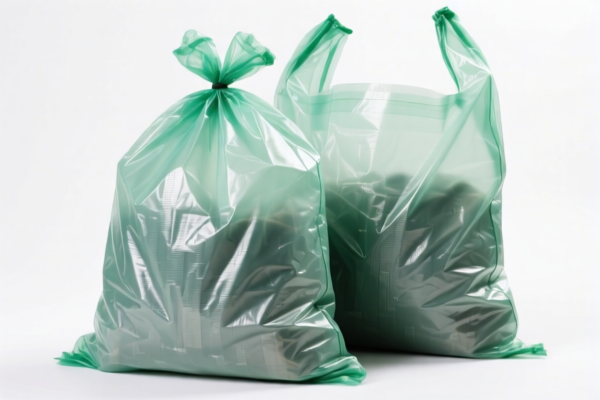
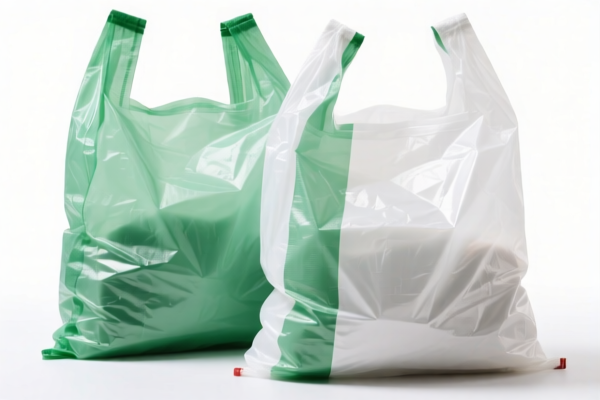
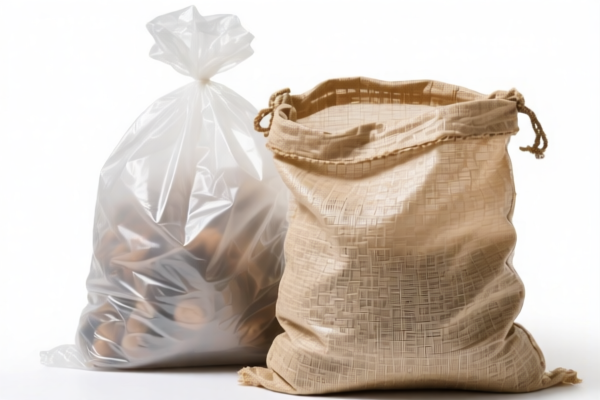
AI Analysis
🧳 Polypropylene (PP) Woven Bags with Liner: HS Code & Tax Strategy 2026
🌐 HS Code Reference & Customs Clearance Guide | 2026 Latest Tariff Breakdown | Professional-Level Entry Strategy
📌 I. Product Definition & Classification: Do You Really Understand "PP Woven Bags"?
Polypropylene (PP) Woven Bags are ubiquitous industrial packaging materials used for grains, chemicals, fertilizers, and construction materials. In international trade, the key distinction lies in whether the bag is lined or unlined, and its specific material composition.
Key Distinction: * Unlined PP Woven Bags (Directly classified under Heading 6305): These bags consist solely of woven polypropylene fabric. They are breathable but not moisture-proof unless laminated/lined. * Lined PP Woven Bags (Often classified under Heading 3923 or 6305 depending on specific construction): If the bag has a plastic liner (e.g., LDPE, PP film) laminated or inserted for moisture protection, it may fall under Plastic Packaging Articles (3923) or remain under Sacks/Bags (6305) depending on the principal material and structure.
⚠️ Critical Classification Point:
- If the product is an unlined woven bag made of polypropylene → It typically falls under 6305.33.00 (Sacks and bags, of polyethylene or polypropylene strip).
- If the product is a lined bag where the liner is integral, it may be classified under 3923.29.00 (Plastic sacks and bags) if the liner constitutes the essential character, or still 6305.33.00 if the woven fabric remains the primary structure.
- Your specific input: "polypropylene woven bag with liner". Based on the provided data, we must evaluate both possibilities: Unlined (6305.33.00.10/80) vs. Lined/Other Plastic Packaging (3923.29.00.00).
📦 II. HS Code Classification Details (2026 Latest Tariff Authority Comparison)
| HS Code | Product Description | Application Scenario | Lined/Unlined? | Material Structure |
|---|---|---|---|---|
6305.33.00.10 |
Unlined Polypropylene Woven Bags | Grain sacks, chemical bags (non-moisture proof) | ❌ Unlined | Woven PP fabric only |
6305.33.00.80 |
Other Polypropylene Woven Bags (Unlined) | Specialty woven bags, non-standard sizes, industrial use | ❌ Unlined | Woven PP fabric only |
3923.29.00.00 |
Plastic Packaging Articles (Lined/Other) | Moisture-proof bags, laminated PP bags, plastic sacks | ✅ Lined/Laminated | PP woven + Plastic liner/film |
🔍 Key Reminder:
- The term "with liner" in your query suggests a potential overlap. However, the provided data only explicitly lists unlined scenarios under6305.33.00.10and6305.33.00.80, and a general plastic packaging category under3923.29.00.00.
- If the bag is unlined, use6305.33.00.10or6305.33.00.80.
- If the bag is lined and considered a "plastic packaging article" due to the liner's significance, use3923.29.00.00.
- Do not assume all PP woven bags are automatically3923; the woven fabric structure often keeps them in6305.
💰 III. 2026 Latest Tariff Rate Breakdown (Including Additional Taxes & Policy Add-ons)
✅ Applicable Country: United States (US)
✅ Country of Origin: China (CN)
✅ Effective Date: From November 10, 2025 (and subsequent imports)
🎯 1. 6305.33.00.10 – Unlined Polypropylene Woven Bags
| Item | Content |
|---|---|
| Base Tariff Rate | 8.4% (ad valorem) |
| Section 301 Additional Tax | +7.5% |
| Section 122 Tax | +10% |
| Total Tariff Rate | 25.9% |
| Tax Calculation | CIF Value × 25.9% |
| De Minimis Exemption Eligibility | ❌ Not Eligible (Section 301 & 122 taxes typically negate de minimis benefits for high-value or controlled goods, though de minimis thresholds may apply for low-value parcels; however, for commercial shipments, this rate applies fully). |
| Legal Basis Path | USITC:6305.33.00.10 → FOOTNOTE:301:7.5% → FOOTNOTE:122:10% |
📌 Explanation:
- The 8.4% is the standard Most Favored Nation (MFN) rate for PP woven bags.
- The 7.5% is the Section 301 tariff imposed on Chinese-made woven bags.
- The 10% is the Section 122 tariff (if applicable based on current trade policies).
- Total: 25.9%. This is a moderate-to-high tariff for packaging materials.
🎯 2. 6305.33.00.80 – Other Unlined Polypropylene Woven Bags
| Item | Content |
|---|---|
| Base Tariff Rate | 8.4% |
| Section 301 Additional Tax | +7.5% |
| Section 122 Tax | +10% |
| Total Tariff Rate | 25.9% |
| Tax Calculation | CIF Value × 25.9% |
| De Minimis Exemption Eligibility | ❌ Not Eligible |
| Legal Basis Path | USITC:6305.33.00.80 → FOOTNOTE:301:7.5% → FOOTNOTE:122:10% |
📌 Note:
- This code covers other types of unlined PP woven bags (e.g., non-standard, bulk bags, or those not specified in6305.33.00.10).
- The tax rate is identical to6305.33.00.10. The distinction is purely descriptive for customs documentation.
🎯 3. 3923.29.00.00 – Plastic Packaging Articles (Lined/Other)
| Item | Content |
|---|---|
| Base Tariff Rate | 3.0% |
| Section 301 Additional Tax | +25.0% |
| Section 122 Tax | +10% |
| Total Tariff Rate | 38.0% |
| Tax Calculation | CIF Value × 38.0% |
| De Minimis Exemption Eligibility | ❌ Not Eligible |
| Legal Basis Path | USITC:3923.29.00.00 → FOOTNOTE:301:25% → FOOTNOTE:122:10% |
📌 Caution:
- This rate applies if the customs authority classifies the lined bag as a "plastic packaging article" under Chapter 39.
- Total: 38.0%. This is significantly higher than the 25.9% for unlined woven bags.
- Why the difference? Lined bags are often viewed as more value-added plastic products, attracting higher Section 301 penalties (25% vs. 7.5%).
🛠️ IV. Customs Clearance Practical Advice (实战避坑指南)
✅ 1. Required Documentation Checklist (Essential)
| Document | Required | Description |
|---|---|---|
| ✅ Product Specification Sheet | ✔️ | Must clearly state: "PP Woven Bag", "Lined" or "Unlined", Material Composition (e.g., 100% PP), Dimensions, Weight. |
| ✅ Commercial Invoice | ✔️ | Accurately describe goods as "Polypropylene Woven Bags" or "PP Woven Bags with Liner". Avoid vague terms like "Plastic Bags". |
| ✅ Packing List | ✔️ | Detail quantity, gross/net weight, and packaging type. |
| ✅ Material Declaration | ✔️ | Confirm 100% Polypropylene composition to support 6305 classification. |
| ✅ Photo of Product | ✔️ | Show cross-section if lined, or plain woven texture if unlined. |
✅ 2. Declaration Strategy (Key Tips)
🔥 “Unlined is 25.9%, Lined is 38%! Describe Precisely to Avoid Penalty!”
| Scenario | Correct Declaration | Incorrect Practice |
|---|---|---|
| Unlined PP Woven Bag | HS Code: 6305.33.00.10 or 80Description: "Unlined Polypropylene Woven Bag" |
Misclassifying as 3923.29.00.00 → Pay 38% instead of 25.9% |
| Lined PP Woven Bag | HS Code: 3923.29.00.00Description: "PP Woven Bag with Plastic Liner" |
Misclassifying as 6305.33.00.10 → Risk of audit, penalties, and back-taxes |
| Mixed Shipment | Separate lines in invoice for lined/unlined | Mixing codes → Customs may classify entire shipment under the higher rate (3923) |
📌 Critical Advice:
- If the bag has a plastic liner, customs may argue it falls under Chapter 39 (Plastics). However, if the woven structure is dominant, fight for Chapter 63 (Textiles).
- Pro Tip: If the liner is thin and permeable, emphasize the "woven bag" aspect. If the liner is thick and airtight, expect3923.
✅ 3. Special Cases & Mitigation
| Situation | Handling Advice |
|---|---|
| OEM Custom Bags | Provide design files and material specs. Clearly state "For Industrial Packaging". |
| Laminated vs. Lined | "Laminated" (film fused to fabric) may still be 6305. "Lined" (inserted bag) may be 3923. Clarify in description. |
| De Minimis (Section 321) | For shipments under $800, de minimis may apply if no Section 301/122 taxes are enforced on low-value goods. However, for bulk commercial imports, ignore de minimis and plan for full taxes. |
| Origin Marking | Ensure "Made in China" is clearly marked on packaging to avoid delays. |
🌍 V. Global Market Comparison (2026)
| Country/Region | Recommended HS Code | Tariff Rate (China Origin) | Key Requirement |
|---|---|---|---|
| 🇺🇸 USA | 6305.33.00.10/80 (Unlined)3923.29.00.00 (Lined) |
25.9% (Unlined) 38.0% (Lined) |
Section 301 & 122 Taxes Apply |
| 🇨🇳 China | 6305.33.00.10/80 |
8.4% | No additional add-ons |
| 🇪🇺 EU | 6305.33.00 |
4.2% | CE/RoHS (if chemical contact) |
| 🇦🇺 Australia | 6305.33.00 |
5.0% | No major add-ons |
📌 Conclusion:
- USA imposes the highest tariffs due to trade policies.
- Unlined bags (25.9%) are cheaper than Lined bags (38.0%).
- Consider unlined designs if moisture protection is not critical, to save 12.1% in tariffs.
📌 VI. Common Errors & Pitfalls (Lessons Learned)
❌ Error 1: Classifying Lined Bags as 6305.33.00.10
👉 Consequence: Underpayment of 12.1% → Back-taxes + Penalties upon audit.
❌ Error 2: Mislabeling Unlined Bags as 3923.29.00.00
👉 Consequence: Overpayment of 12.1% → Lost Profit Margin.
❌ Error 3: Failing to specify "Lined" in Description
👉 Consequence: Customs asks for clarification → Shipment Delay at Port.
❌ Error 4: Ignoring Section 122
👉 Consequence: Missing 10% tax → Under-declaration risk.
✅ Correct Practice:
"PP Woven Bag, Unlined, 50x70cm, 80gsm, Industrial Use for Grain Packing"
or
"PP Woven Bag with LDPE Liner, Moisture-Proof, 50x70cm, for Chemicals"
🎯 VII. Conclusion: Precision Saves Money!
🎯 Remember the Key Takeaways:
🔹 Unlined PP Woven Bag →
6305.33.00.10/80→ 25.9% Total Tax
🔹 Lined PP Woven Bag →3923.29.00.00→ 38.0% Total Tax
🔹 Always specify "Lined" or "Unlined" in your commercial invoice and description.
🔹 Section 301 (7.5% vs 25%) is the biggest differentiator!
📌 Pro Tip:
If you are importing large volumes, consider negotiating with suppliers to provide unlined bags if feasible, saving 12.1% on tariffs. For moisture-sensitive goods, the 38% tax on lined bags is unavoidable, but ensure accurate classification to avoid penalties.
📣 Immediate Action:
📞 Verify product structure (Lined vs. Unlined) with your supplier.
📄 Use the correct HS Code in your Proforma Invoice.
🚀 Clear Customs Smoothly, Maximize Profits!
✨ Professional Customs Clearance Starts with Accurate Classification!
💼 Every Percent Saved is Pure Profit!
Customer Reviews
About HS Code Classification
The Harmonized System (HS) is an internationally standardized nomenclature developed by the World Customs Organization (WCO) to classify traded products. Over 200 countries use the HS system as the basis for customs tariffs, trade statistics, and import/export regulations.
Each HS code follows a hierarchical structure:
- Chapter (2 digits) — Broad category of goods (e.g., Chapter 84: Machinery and Mechanical Appliances)
- Heading (4 digits) — More specific grouping within the chapter
- Subheading (6 digits) — Internationally standardized breakdown, used by all WCO member countries
- National subdivisions (8-10 digits) — Country-specific extensions for further classification, such as US HTSUS 10-digit codes
Correct HS code classification is essential for smooth customs clearance, accurate duty payment, and compliance with trade regulations. Misclassification can lead to customs delays, overpayment of duties, or penalties.
When importing from CN to US, the applicable tariff rates may include:
- Most-Favored-Nation (MFN) rate — The standard duty rate applied to WTO members
- General rate — Applied to countries without trade agreements
- Trade remedy duties — Additional tariffs such as Section 301 (anti-dumping), Section 232 (national security), or countervailing duties
The information provided on this page is for reference purposes only. For official classification, please consult with your local customs authority or a licensed customs broker.