Polypropylene Woven Bag with Lining
CN → US| HS Code | Tariff Rate | Origin | Destination | Doc |
|---|---|---|---|---|
| 6305330080 | 25.9% | CN | US | Official Doc |
| 6305330010 | 25.9% | CN | US | Official Doc |
| 3923290000 | 38.0% | CN | US | Official Doc |
| 3923210080 | 38.0% | CN | US | Official Doc |
| 6305330080 | 25.9% | CN | US | Official Doc |
Product Images
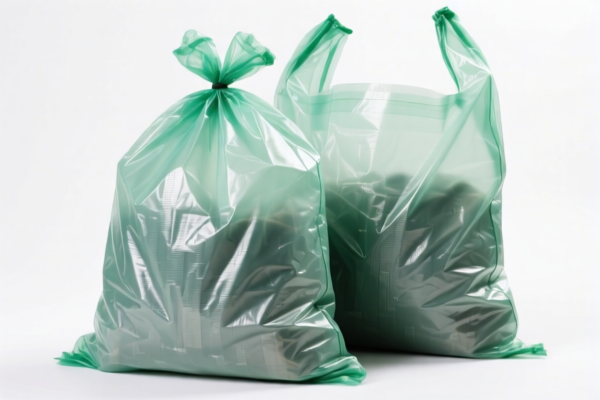
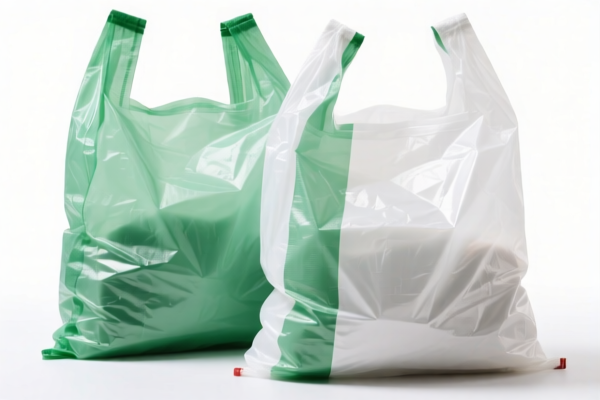
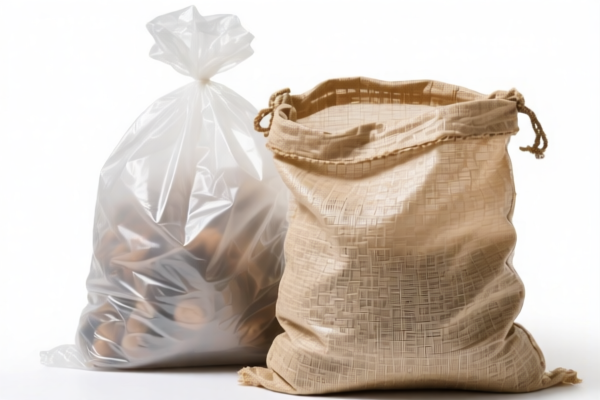
AI Analysis
🧳 Polypropylene Woven Bag with Lining
🌐 HS Code Reference & Customs Clearance Guide | 2026 Latest Tariff Analysis | Professional Clearance Strategy
📌 One, Product Definition: Understanding the "Lined Woven Bag"
A Polypropylene (PP) Woven Bag with Lining is a packaging product consisting of a woven PP fabric outer layer and an internal liner (typically plastic or paper) to provide moisture resistance, barrier protection, or structural integrity. Unlike simple sacks, the lining is a critical feature that distinguishes it from unlined variants.
⚠️ Key Distinction for Classification:
- With Lining: Generally classified under 6305 (Sacks and bags, of a kind used for the packing of goods).
- Unlined: May fall under 3923 (Plastic articles for the packing of goods) or 6305 depending on material composition and specific construction.
- Lined PP Bags are primarily viewed as textile-based sacks with a plastic layer, rather than pure plastic articles, which significantly impacts tariff rates.
📦 Two, HS Code Classification Details (Based on Provided Data)
The provided data contains five entries. Note that 6305.33.00.80 appears twice with identical tax details but slightly different summaries. We will group them logically.
| HS Code | Product Description (Summary) | Key Features | Total Tax Rate |
|---|---|---|---|
6305.33.00.80 |
Lined PP Woven Bag (Generic) | Material: Polypropylene; Form: Woven Bag; Type: Other | 25.9% |
6305.33.00.80 |
Lined PP Woven Bag (Packaging Purpose) | Material: Polypropylene; Form: Woven Bag; Purpose: Packaging | 25.9% |
6305.33.00.10 |
Unlined/No-Zipper PP Woven Bag | Material: Polypropylene; Form: Woven Bag; No lining/zipper | 25.9% |
3923.29.00.00 |
Unlined PP Woven Bag (Plastic Category) | Material: PP (Plastic); Form: Woven Bag; Plastic packaging article | 38.0% |
3923.21.00.80 |
Unlined PP Woven Bag (Polymer Category) | Material: PP (Ethylene polymer class); Form: Woven Bag | 38.0% |
🔍 Critical Analysis for "Lined" Bags:
The product in question is "Polypropylene Woven Bag with Lining".
- It matches the description of6305.33.00.80("Other type", "Packaging purpose").
- It does NOT match6305.33.00.10which explicitly states "Unlined or no zipper".
- It does NOT match3923.xxxxcodes which are for "Unlined" bags classified as plastic articles.✅ Most Likely HS Code for Lined Bags:
6305.33.00.80
(Note: The provided data does not explicitly list a separate code only for "with lining", but6305.33.00.80is the general "Other" category for PP sacks under Chapter 63, which typically includes lined sacks if not specifically excluded. The "Unlined" code6305.33.00.10is distinct.)
💰 Three, 2026 Tariff Rate Breakdown (Detailed)
✅ Applicable Country: United States (US)
✅ Origin: China (CN)
✅ Total Effective Rate: 25.9% (for HS6305.33.00.80)
🎯 1. 6305.33.00.80 — Polypropylene Woven Bag (Sacks & Bags Category)
This is the primary classification for PP woven bags under Chapter 63.
| Component | Rate | Explanation |
|---|---|---|
| Base Duty | 8.4% | Standard MFN (Most Favored Nation) tariff for sacks of woven textiles. |
| Section 301 Duty | 7.5% | Additional tariff imposed under the US Trade Representative (USTR) Section 301 actions on Chinese goods. |
| Section 122 Duty | 10.0% | Additional tariff under Section 122 of the Trade Act (typically for national security or unfair trade practices). |
| Total Combined Rate | 25.9% | Sum of all duties (8.4% + 7.5% + 10.0%). |
| Calculation Basis | CIF Value | Calculated on Cost, Insurance, and Freight value. |
| De Minimis Exemption | ❌ Not Eligible | Section 301 and 122 duties generally do not apply to de minimis (low-value) shipments, but for large commercial imports, this rate applies. |
📌 Interpretation:
- The 25.9% rate is significantly lower than the 38.0% rate for misclassified plastic bags (3923).
- Correct Classification is Critical: Classifying a lined PP bag as3923(Plastic Articles) would increase your duty cost by 12.1 percentage points.
🎯 2. Comparison: Why NOT 3923.29.00.00 or 3923.21.00.80?
| Component | Rate | Explanation |
|---|---|---|
| Base Duty | 3.0% | Lower base rate for plastic packing articles. |
| Section 301 Duty | 25.0% | Much higher additional duty for plastic goods from China. |
| Section 122 Duty | 10.0% | Same 10% additional duty. |
| Total Combined Rate | 38.0% | Higher than 6305! |
| Legal Risk | ❌ Misclassification | If the bag is woven (textile-like) and primarily used as a sack, Chapter 63 is more appropriate than Chapter 39 (Plastics). |
🛠️ Four, Customs Clearance Practical Advice
✅ 1. Documentation Checklist (Mandatory)
| Document | Required | Purpose |
|---|---|---|
| Product Specification Sheet | ✔️ | Must state: "Polypropylene Woven Bag with Lining", material composition (e.g., 100% PP weave, PE liner), dimensions, and weight capacity. |
| Commercial Invoice | ✔️ | Clearly describe as "PP Woven Sacks with Lining" for packing goods. Avoid vague terms like "Plastic Bags". |
| Packing List | ✔️ | Show quantity and gross weight. |
| Photos of Product | ✔️ | Include: (a) Entire bag, (b) Cross-section showing lining, (c) Label/Tag. |
| Origin Certificate (CO) | ✔️ | If claiming preferential treatment elsewhere, but for US, origin is China. |
✅ 2. Classification Strategy & Pitfalls
🔥 "Lined vs. Unlined: Know the Difference!"
| Scenario | Correct HS Code | Risk if Incorrect |
|---|---|---|
| PP Woven Bag WITH Lining | 6305.33.00.80 (25.9%) |
Misclassifying as 3923 → +12.1% extra duty |
| PP Woven Bag WITHOUT Lining | 6305.33.00.10 (25.9%) |
Misclassifying as 3923 → +12.1% extra duty |
| Plastic Film Bag (Non-woven) | 3923.29.00.00 (38.0%) |
N/A |
⚠️ Common Mistake:
Importers often classify all PP bags under3923because they think "Polypropylene = Plastic". However, woven PP bags are considered textile articles (Chapter 63) under US Customs rulings, unless they are strictly plastic films/sheets. The lining does not change this from Chapter 63 to 39 if the outer structure is woven.
✅ 3. Clearance Tips
- Declare "Woven" Explicitly: Use the word "Woven" in the declaration. This triggers Chapter 63.
- Highlight "Lining": Specify the type of lining (e.g., "PE Lining") to prove it is a composite sack, not a simple plastic bag.
- Avoid "Plastic Bag" in Name: Use "PP Woven Sack" or "PP Woven Bag" in the commercial invoice and packing list.
- Pre-Ruling: For large volumes, consider filing a Binding Ruling Request with US Customs and Border Protection (CBP) to confirm
6305.33.00.80is accepted for your specific lined product.
🌍 Five, Global Market Comparison (2026)
| Country/Region | Recommended HS Code | Estimated Duty (China Origin) | Notes |
|---|---|---|---|
| 🇺🇸 USA | 6305.33.00.80 |
25.9% | Includes Sec 301 (7.5%) + Sec 122 (10%) + Base (8.4%). |
| 🇨🇳 China | 6305.33.00.80 |
~5-10% | Lower base tariff, no Section 301/122. |
| 🇪🇺 EU | 6305.33 |
0-4% | Often 0% duty for sacks, but may require EPR registration. |
| 🇲🇽 Mexico | 6305.33.00 |
0% (under USMCA if compliant) | Check rules of origin for USMCA benefit. |
📌 Conclusion:
The US market is the most expensive due to Section 301 and 122 tariffs. Correct classification under Chapter 63 (6305) rather than Chapter 39 (3923) saves 12.1% in duties.
📌 Six, Common Errors & Pitfalls (Lessons Learned)
❌ Error 1: Classifying a Woven PP bag as 3923 because it contains plastic.
👉 Consequence: Pay 38.0% instead of 25.9%. Overpayment of 12.1%.
❌ Error 2: Ignoring the lining in description.
👉 Consequence: Customs may suspect it's a simple plastic bag, leading to inspection delays.
❌ Error 3: Using "Plastic Sack" instead of "Woven Polypropylene Bag".
👉 Consequence: Customs may misclassify under 3923.
✅ Correct Declaration Example:
"Polypropylene Woven Sacks with Polyethylene Lining, for Packaging of Fertilizer, 50kg Capacity, Size 70x110cm"
🎯 Seven, Conclusion: Professional Classification Saves Money
🎯 Key Takeaway:
🔹 "Woven = Chapter 63. Plastic Film = Chapter 39."
🔹 Lined PP Bags fall under6305.33.00.80with 25.9% duty.
🔹 Misclassification to3923costs an extra 12.1% per shipment.
📌 Action Item:
📞 Contact your customs broker to confirm the use of
6305.33.00.80for your lined PP woven bags.
🚀 Optimize your supply chain by ensuring accurate HS code assignment to avoid unnecessary tariff burdens.
✨ Precision in Classification, Profit in Your Pocket!
💼 Don't let a 12.1% error rate eat your margins!
Customer Reviews
About HS Code Classification
The Harmonized System (HS) is an internationally standardized nomenclature developed by the World Customs Organization (WCO) to classify traded products. Over 200 countries use the HS system as the basis for customs tariffs, trade statistics, and import/export regulations.
Each HS code follows a hierarchical structure:
- Chapter (2 digits) — Broad category of goods (e.g., Chapter 84: Machinery and Mechanical Appliances)
- Heading (4 digits) — More specific grouping within the chapter
- Subheading (6 digits) — Internationally standardized breakdown, used by all WCO member countries
- National subdivisions (8-10 digits) — Country-specific extensions for further classification, such as US HTSUS 10-digit codes
Correct HS code classification is essential for smooth customs clearance, accurate duty payment, and compliance with trade regulations. Misclassification can lead to customs delays, overpayment of duties, or penalties.
When importing from CN to US, the applicable tariff rates may include:
- Most-Favored-Nation (MFN) rate — The standard duty rate applied to WTO members
- General rate — Applied to countries without trade agreements
- Trade remedy duties — Additional tariffs such as Section 301 (anti-dumping), Section 232 (national security), or countervailing duties
The information provided on this page is for reference purposes only. For official classification, please consult with your local customs authority or a licensed customs broker.