Polypropylene Woven Bags (Large Capacity)
CN → US| HS Code | Tariff Rate | Origin | Destination | Doc |
|---|---|---|---|---|
| 6305320020 | 25.9% | CN | US | Official Doc |
| 3923290000 | 38.0% | CN | US | Official Doc |
| 6305330080 | 25.9% | CN | US | Official Doc |
Product Images
AI Analysis
🧳 Polypropylene Woven Bags (Large Capacity / FIBC)
🌐 HS Code Reference & Customs Clearance Guide | 2026 Latest Tariff Analysis | Professional Strategy for Bulk Packaging
📌 I. Product Definition & Classification: Are You Shipping "Bags" or "Containers"?
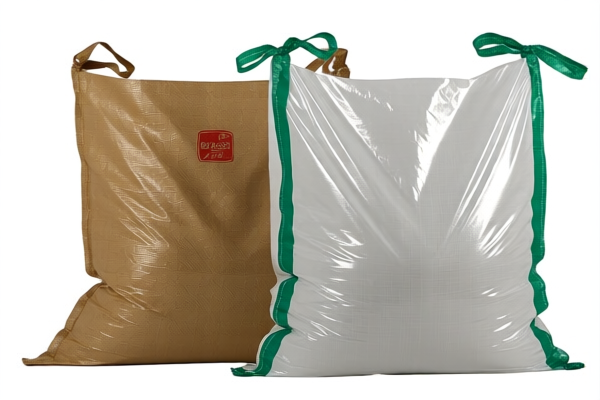
Polypropylene (PP) Woven Bags in large capacities are critical logistics tools, ranging from standard industrial sacks to massive Flexible Intermediate Bulk Containers (FIBCs), also known as "Big Bags."
In international trade, the classification hinges on the structure, stitching, and intended reuse:
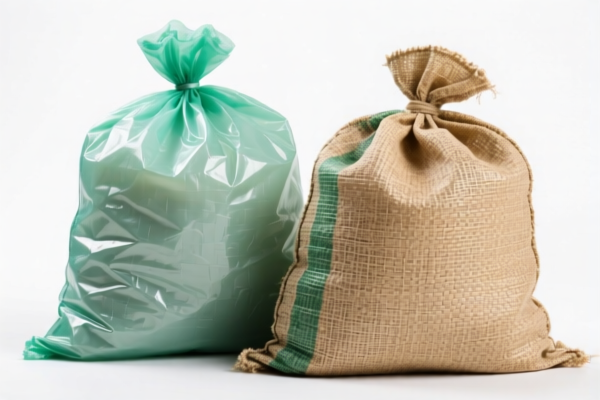
- Standard Woven Bags (Small/Medium): Single-use, stitched or heat-sealed bags for grains, chemicals, or fertilizers. Usually classified under Heading 6305 or 3923.
- FIBCs (Large Capacity, typically 500kg–2000kg): Designed for mechanical handling (forklift/hoist), often with lifting loops. These are strictly categorized as Flexible Intermediate Bulk Containers.
⚠️ Key Distinction:
- If it has lifting loops and is designed for mechanical handling of bulk goods → Likely 6305.32/6305.33 (FIBC/Bag classification).
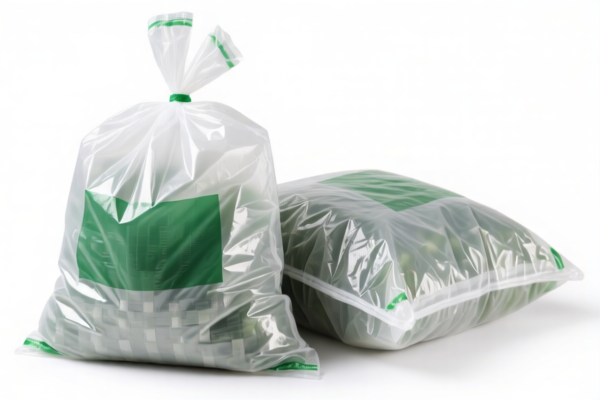
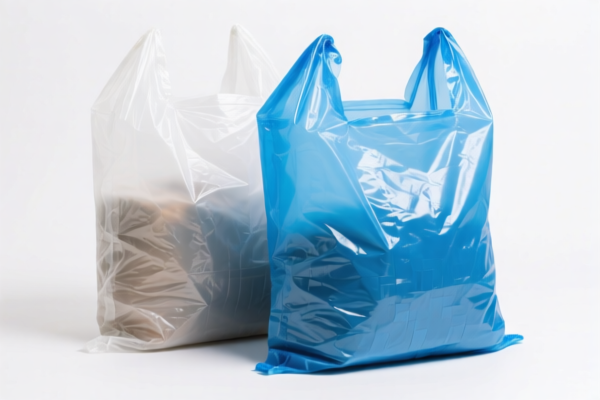
- If it is a simple plastic sack without lifting hardware, meant for general wrapping → Likely 3923.29 (Other plastic packaging articles).
📦 II. HS Code Classification Details (2026 Official Tariff Alignment)
Based on the provided data, here are the three potential classifications for PP Woven Bags. Note that HS Code 6305.32 and 6305.33 yield the same tax rate, while 3923.29 is significantly more expensive.
| HS Code | Product Description | Category Logic | Key Features |
|---|---|---|---|
6305.32.00.20 |
Polypropylene Woven Bags; Classified as Flexible Intermediate Bulk Containers (FIBC) | FIBC / Big Bags | ✅ Has lifting loops ✅ Designed for mechanical handling ✅ Reusable/Heavy-duty |
6305.33.00.80 |
Polypropylene Woven Bags; Classified under "Strips/Threads" & "Bags for Packaging" | General Woven Bags | ✅ Standard industrial bags ✅ No lifting loops ✅ General bulk packaging |
3923.29.00.00 |
Polyproplastic Material; Woven Bags; Classified as "Sacks/Other Plastic Packaging Articles" | General Plastic Packaging | ✅ Simple plastic sack ✅ No textile weave classification ✅ Purely plastic wrapping function |
🔍 Critical Insight:
-6305.32is the most favorable for large capacity bags if they meet the FIBC definition (lifting loops, bulk handling).
-3923.29is a "catch-all" for plastic bags that do not qualify as textile wovens under Chapter 63. It carries a much higher tariff burden.
-6305.33applies to standard PP woven bags that are not FIBCs.
💰 III. 2026 Latest Tariff Rate Breakdown (US Market Focus)
✅ Applicable Country: United States (US)
✅ Origin: China (CN)
✅ Effective Date: 2025/2026 (Current Trade Policies)
🎯 1. 6305.32.00.20 & 6305.33.00.80 —— PP Woven Bags / FIBCs
| Item | Content |
|---|---|
| Base Tariff Rate | 8.4% (Ad Valorem) |
| Section 301 Additional Tariff | +7.5% |
| Section 122 Tariff | +10% |
| Total Tax Rate | 25.9% |
| Calculation Method | CIF Value × 25.9% |
| De Minimis Exemption | ❌ Not Applicable (High tariff goods usually excluded from $800 de minimis) |
| Legal Basis Path | USITC:6305.32.00.20 → Section 301: Footnote 9903.88.01 → Section 122: Authority |
📌 Explanation:
- Base (8.4%): Standard Most Favored Nation (MFN) rate for textile/plastic packaging.
- Section 301 (7.5%): Additional duty on Chinese goods under Trade Promotion Authority.
- Section 122 (10%): Specific duty often applied to certain textiles/apparel imports to protect domestic industry.
- Total: 25.9% is considered moderate-high but significantly cheaper than the 3923.29 rate.
🎯 2. 3923.29.00.00 —— Other Plastic Packaging Articles (Sacks)
| Item | Content |
|---|---|
| Base Tariff Rate | 3.0% (Ad Valorem) |
| Section 301 Additional Tariff | +25.0% |
| Section 122 Tariff | +10% |
| Total Tax Rate | 38.0% |
| Calculation Method | CIF Value × 38.0% |
| De Minimis Exemption | ❌ Not Applicable |
| Legal Basis Path | USITC:3923.29.00.00 → Section 301: High Priority List → Section 122 |
📌 Explanation:
- Base (3.0%): Low base rate for plastic articles.
- Section 301 (25%): Heavily penalized. Plastic packaging from China faces a massive 25% surcharge under Section 301.
- Section 122 (10%): Same additional duty as above.
- Total: 38.0% is prohibitive for cost-sensitive bulk shipments. Avoid this classification if possible.
🛠️ IV. Customs Clearance Practical Advice (Pitfall Avoidance Guide)
✅ 1. Document Preparation Checklist (Non-Negotiable)
| Document | Required? | Notes |
|---|---|---|
| ✅ Product Specification Sheet | ✔️ | Must detail: Material (100% PP), Weave Density, Weight Capacity, Dimensions. |
| ✅ Photos (Open & Closed) | ✔️ | Must clearly show lifting loops (if claiming FIBC/6305) vs. simple sacks. |
| ✅ Commercial Invoice | ✔️ | Description must match HS Code logic: "FIBC Big Bag" vs. "PP Woven Sack." |
| ✅ Packing List | ✔️ | Show gross/net weight accurately; bulk bags are lightweight but bulky (CBM matters). |
| ✅ Certificate of Origin | ✔️ | Required for proving CN origin (triggers Section 301/122). |
✅ 2. Classification Strategy (The "Loop" Test)
🔥 “Look for the Loops: Loops = FIBC (25.9%), No Loops = Sack (38.0%)”
| Scenario | Recommended HS Code | Why? |
|---|---|---|
| Bag has 4 lifting loops, made for forklift/hoist | 6305.32.00.20 |
Classified as FIBC. Lower tariff (25.9%). |
| Standard woven bag, stitched top, no loops | 6305.33.00.80 |
Classified as General Woven Bag. Lower tariff (25.9%). |
| Simple plastic sack, no weave texture, purely plastic film | 3923.29.00.00 |
Classified as Plastic Packaging. High Tariff (38.0%). Avoid if possible. |
📌 Warning:
- Do NOT misdeclare a "Big Bag" as a "Plastic Sack" to try to save on base rates. The 25% Section 301 on 3923.29 will destroy your margins.
- If your bag has loops, insist on 6305.32. Customs may reject it if the loops are just decorative stitching, not structural lifting points.
✅ 3. Special Handling for FIBCs
| Situation | Advice |
|---|---|
| Contaminated FIBCs (Used) | ❌ Do Not Import Used FIBCs without prior approval. Many are restricted due to biosecurity/contamination laws. New bags only. |
| Food-Grade Bags | Provide FDA Compliance Statement or LFGB Certificate if importing to US/EU for food contact. |
| UV-Treated Bags | Declare "UV Stabilized" if applicable. Some countries require specific marking for outdoor use. |
🌍 V. Global Market Comparison (2026)
| Region | Recommended HS Code | Est. Tariff (CN Origin) | Key Requirement |
|---|---|---|---|
| 🇺🇸 USA | 6305.32.00.20 |
25.9% | Section 301 + 122. FIBC definition strict. |
| 🇪🇺 EU | 6305.33 |
~5-10% (VAT extra) | CE Marking not needed for packaging, but REACH compliance for chemicals. |
| 🇨🇳 China | 6305.33 |
5-9% | No Section 301. Standard import duty applies. |
| 🇮🇳 India | 6305.32 |
~10-15% | BIS Certification may be required for certain industrial goods. |
📌 Conclusion:
- The US market is the most expensive due to Section 301 and Section 122.
- Proper classification (6305 vs 3923) can save 12.1% in tariffs (38.0% - 25.9%).
- For large capacity bags, always aim for 6305 by ensuring structural integrity (loops/handles).
📌 VI. Common Mistakes & Pitfalls (Lessons Learned)
❌ Mistake 1: Calling a "Big Bag" a "Plastic Sack"
👉 Result: Customs may reclassify to 3923.29, charging 38% instead of 25.9%.
👉 Fix: Use "FIBC" or "Big Bag" in description if it has lifting points.
❌ Mistake 2: Ignoring Section 122
👉 Result: Underestimating total cost. Section 122 adds 10% on top of other duties.
👉 Fix: Budget for 25.9% total landed cost (excluding freight/duty).
❌ Mistake 3: Shipping Used/Contaminated Bags
👉 Result: Customs detention, destruction, or fines.
👉 Fix: Ensure bags are new and clean. Provide cleaning certificates if reused.
✅ Correct Declaration Example:
"Polypropylene Woven Flexible Intermediate Bulk Container (FIBC), 1 Ton Capacity, With 4 Lifting Loops, New, For Industrial Packaging"
HS Code:6305.32.00.20
🎯 VII. Conclusion: Optimize Your Logistics Cost
🎯 Key Takeaway:
🔹 "Loops Matter: FIBCs are 25.9%, Simple Sacks are 38.0%."
🔹 "Section 301 is the Killer: Avoid 3923 classification for PP Wovens if possible."
🔹 "Be Precise: 'Woven Bag' vs 'Plastic Sack' changes your tariff by 12%."
📌 Pro Tip:
- If you are importing high-volume FIBCs, consider Advance Ruling (IS Ruling) from US Customs to secure the
6305.32classification before shipment.- For smaller volumes, ensure your supplier provides a Product Spec Sheet that highlights "Lifting Loops" and "Mechanical Handling" to justify FIBC status.
📣 Next Steps:
📞 Contact Freight Forwarder: Confirm HS Code classification for your specific bag design.
📄 Prepare Docs: Spec Sheet, Photos, Invoice with clear description.
🚀 Optimize Cost: Ensure you are not paying 38% when you only need to pay 25.9%!
✨ Smart Classification Saves Money!
💼 Your Packaging, Your Profit Margin – Protect Both!
Customer Reviews
About HS Code Classification
The Harmonized System (HS) is an internationally standardized nomenclature developed by the World Customs Organization (WCO) to classify traded products. Over 200 countries use the HS system as the basis for customs tariffs, trade statistics, and import/export regulations.
Each HS code follows a hierarchical structure:
- Chapter (2 digits) — Broad category of goods (e.g., Chapter 84: Machinery and Mechanical Appliances)
- Heading (4 digits) — More specific grouping within the chapter
- Subheading (6 digits) — Internationally standardized breakdown, used by all WCO member countries
- National subdivisions (8-10 digits) — Country-specific extensions for further classification, such as US HTSUS 10-digit codes
Correct HS code classification is essential for smooth customs clearance, accurate duty payment, and compliance with trade regulations. Misclassification can lead to customs delays, overpayment of duties, or penalties.
When importing from CN to US, the applicable tariff rates may include:
- Most-Favored-Nation (MFN) rate — The standard duty rate applied to WTO members
- General rate — Applied to countries without trade agreements
- Trade remedy duties — Additional tariffs such as Section 301 (anti-dumping), Section 232 (national security), or countervailing duties
The information provided on this page is for reference purposes only. For official classification, please consult with your local customs authority or a licensed customs broker.