Polystyrene Board
CN → US| HS Code | Tariff Rate | Origin | Destination | Doc |
|---|---|---|---|---|
| 3920300000 | 40.8% | CN | US | Official Doc |
| 3920991000 | 41.0% | CN | US | Official Doc |
| 3923109000 | 38.0% | CN | US | Official Doc |
| 3923290000 | 38.0% | CN | US | Official Doc |
| 3921190010 | 41.5% | CN | US | Official Doc |
Product Images
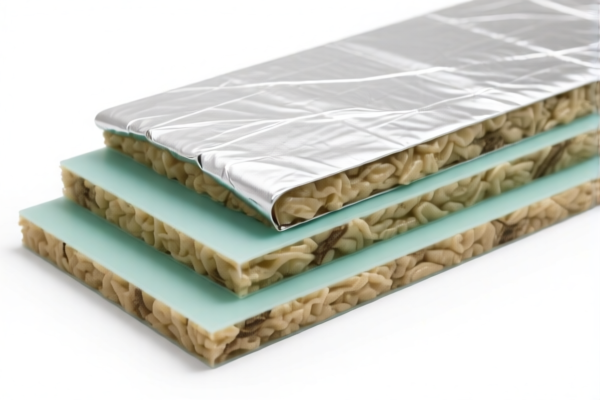
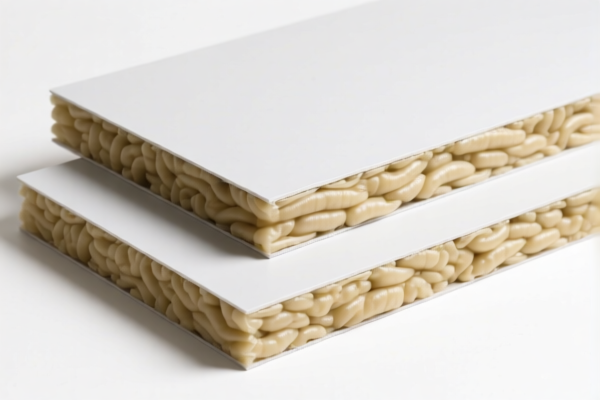
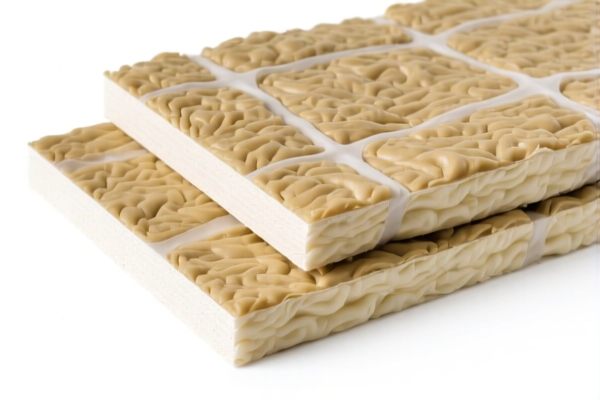
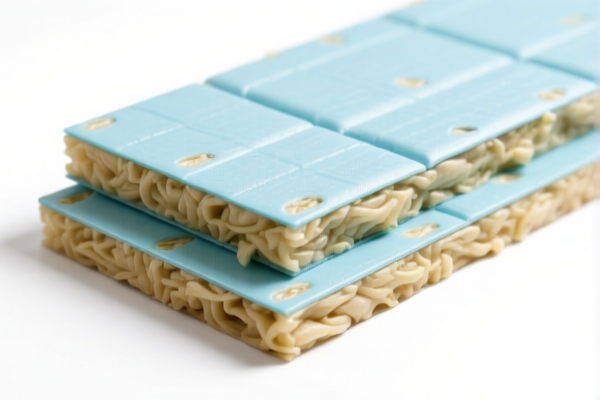
AI Analysis
🧱 Polystyrene Boards & Sheets (Cellular & Non-Cellular)
🌐 HS Code Reference & Customs Clearance Guide | 2026 Tariff Full Analysis | Professional-Level Clearance Strategy
📌 One, Product Definition and Classification: Do You Really Understand "Polystyrene Board"?
Polystyrene (PS) boards are versatile plastic materials widely used in construction insulation, packaging, modeling, and industrial molding. In international trade, the classification depends critically on whether the material is cellular (foamed) or solid, and its specific polymer structure.
Cellular Polystyrene (EPS/XPS): Foam sheets, insulation boards with a porous structure. Non-Cellular Polystyrene: Solid sheets, films, or strips without air bubbles.
⚠️ Key Distinction Point:
- If the product has a porous/foamed structure (like Styrofoam) and is made of polymers of styrene → Classified under 3921.11.00.00
- If the product is a solid, dense sheet without cellular structure, or is a different type of plastic not fitting the specific "cellular" definition → May fall under other "Other" categories, such as 3921.90.50.50
📦 Two, HS Code Classification Details (2026 Latest Tariff Authority Comparison)
| HS Code | Product Description | Application Scenario | Structure Type |
|---|---|---|---|
3921.11.00.00 |
Other plates, sheets, film, foil and strip, of plastics: Cellular: Of polymers of styrene | Insulation boards, packaging foam, craft materials | ✅ Cellular (Foamed) |
3921.90.50.50 |
Other plates, sheets, film, foil and strip, of plastics: Other: Other: Other Other | Solid plastic sheets, non-cellular polymer plates, specialized industrial plastics | ❌ Non-Cellular (Solid) |
🔍 Important Reminder:
- The term "Cellular" in HS Code 3921.11 refers specifically to foamed plastics. If your polystyrene board is solid (rigid PS sheet), it does NOT belong to 3921.11.00.00. - 3921.90.50.50 is a residual category for "Other plastics" that do not fit specific descriptions. For solid polystyrene sheets, customs may scrutinize if it fits here or another specific subheading (e.g., 3920.43 for non-cellular polystyrene plates, depending on the exact tariff version and country). Note: Based strictly on the provided , we analyze these two codes.
💰 Three, 2026 Latest Tariff Rate Detailed Explanation (Including Surcharge Policies)
✅ Applicable Country: USA (US)
✅ Origin: China (CN)
✅ Effective Time: Current tariff regime (2026)
🎯 1. 3921.11.00.00 —— Cellular Polystyrene Boards (Foamed)
| Item | Content |
|---|---|
| Base Tariff | 0.0% (ad valorem) |
| Section 301 Surcharge | 0.0% |
| Total Tax Rate | 0.0% |
| Tax Calculation | CIF Value × 0% = $0 |
| De Minimis Eligibility | ✅ Yes (Subject to current de minimis rules) |
| Legal Basis | HTSUS 3921.11.00.00 |
📌 Explanation:
- Cellular polystyrene products currently enjoy zero tariff under both the base rate and Section 301 surcharges. - This makes 3921.11.00.00 the most cost-effective classification for foam-based polystyrene products entering the US market. - Advantage: Zero duty burden significantly reduces landed cost.
🎯 2. 3921.90.50.50 —— Other Plastic Plates/Sheets (Non-Cellular/Other)
| Item | Content |
|---|---|
| Base Tariff | 4.8% (ad valorem) |
| Section 301 Surcharge | 25.0% |
| Total Tax Rate | 29.8% |
| Tax Calculation | CIF Value × 29.8% |
| De Minimis Eligibility | ❌ No (Due to high tariff rate and Section 301 status) |
| Legal Basis | HTSUS 3921.90.50.50 |
📌 Note:
- This code carries a high total tariff of 29.8% (4.8% base + 25% Section 301). - Risk: Misclassifying a solid polystyrene sheet as "Cellular" to get 0% tax is a major compliance risk. - Application: Only apply to non-cellular, non-specified plastic sheets that do not fit other specific HS codes.
🛠️ Four, Customs Clearance Practical Advice (Real-World Pitfall Avoidance Guide)
✅ 1. Required Documentation Checklist (Must-Haves)
| Document | Required | Description |
|---|---|---|
| ✅ Product Specification Sheet | ✔️ | Clearly state material composition (100% Polystyrene), density, and cellular structure (if applicable). |
| ✅ Photos of Product | ✔️ | Show cross-section of the material. Foam bubbles visible? → Cellular. Solid/dense? → Non-cellular. |
| ✅ Commercial Invoice | ✔️ | Accurately describe goods as "Cellular Polystyrene Board" or "Non-Cellular Polystyrene Sheet" based on physical properties. |
| ✅ Packing List | ✔️ | Include net/gross weight, dimensions. |
| ✅ Certificate of Origin | ✔️ | To prove origin (China) and apply correct Section 301 status. |
✅ 2. Declaration Strategy (Key Mantras)
🔥 "Foam is 0%, Solid is 29.8%! Verify Structure, Avoid Penalty!"
| Situation | Correct Declaration | Wrong Practice |
|---|---|---|
| EPS/XPS Insulation Board | 3921.11.00.00 (Cellular) |
Declare as 3921.90.50.50 → Pay 29.8% unnecessarily! |
| Solid PS Plastic Sheet | 3921.90.50.50 (or correct specific code) |
Declare as 3921.11.00.00 → Customs Penalty + Back Duties! |
| Packaging Foam | 3921.11.00.00 |
Mixed declaration with solid parts → Delays |
| Custom Molded PS Parts | Check specific HS Code (e.g., 3926.90) | Force into 3921.90.50.50 if not plate/sheet form |
✅ 3. Special Situation Handling
| Situation | Handling Advice |
|---|---|
| Mixed Shipment (Foam + Solid) | Separately declare! Do not mix. Foam under 3921.11.00.00, Solid under appropriate code. |
| Recycled Polystyrene | Still classified by physical structure. Cellular recycled PS → 3921.11.00.00. |
| Colored/Printed Boards | Does not change HS Code. Focus on structure (cellular vs. non-cellular). |
| Custom Dimensions | If cut into specific shapes but still sheet-like, 3921 still applies. If molded into complex 3D shapes, may fall under 3926 (Articles of plastics). |
🌍 Five, Global Market Comparison (2026 Latest)
| Country/Region | Recommended HS Code | Tariff Rate | Notes |
|---|---|---|---|
| 🇺🇸 USA | 3921.11.00.00 |
0% | Best for cellular PS. Avoid 3921.90.50.50 (29.8%) |
| 🇨🇳 China | 3921.11.00.00 |
Low Import Duty | Check local VAT. |
| 🇪🇺 EU | 3921.11.00 |
Standard EU Duty | Section 301 does not apply. |
| 🇬🇧 UK | 3921.11.00 |
Standard UK Duty | Post-Brexit tariffs apply. |
📌 Conclusion:
- USA is the critical market due to the 29.8% tariff penalty on non-cellular/other plastics. - Cellular Polystyrene (Foam) is highly favorable for US import (0% tariff). - Solid Polystyrene Sheets face high tariffs in the US. Consider supply chain diversification or value engineering.
📌 Six, Common Mistakes & Pitfalls (Lessons Learned)
❌ Mistake 1: Declaring all polystyrene products as 3921.11.00.00 to get 0% tax.
👉 Consequence: If customs inspect and find solid sheets, you will face 29.8% back duties + penalties.
❌ Mistake 2: Confusing "Polystyrene" with "Polyethylene" (PE) or "Polypropylene" (PP).
👉 Consequence: Wrong HS Code classification leads to clearance delays and potential fines.
❌ Mistake 3: Not providing clear photos of the material structure.
👉 Consequence: Customs cannot verify if it is "Cellular" or not, leading to random inspections and delays.
✅ Correct Approach:
"Cellular Polystyrene Insulation Board, EPS, R-value 4, Density 2 lbs/cu ft, Model XYZ, Foamed Structure"
vs.
"Solid Polystyrene Plastic Sheet, Clear, 2mm Thickness, Model ABC, Non-Cellular"
🎯 Seven, Conclusion: Professional Declaration Saves Money!
🎯 Remember the Mantra:
🔹 "Foam is 0%, Solid is 29.8%! Check the Bubble, Don't Lose!"
🔹 "HS Code 3921.11 is King for Foam, 3921.90 is Costly for Solid!"
📌 Tip:
If you are importing solid polystyrene sheets, consider if there is a more specific HS Code (e.g., 3920.43 for non-cellular polystyrene plates) that might have different tariff implications in your specific tariff schedule. Always consult the full HTSUS.
For cellular polystyrene, enjoy the 0% tariff advantage but ensure proper documentation proving the cellular structure.
📣 Immediate Action:
📞 Contact your customs broker + Provide cross-section photos + Apply for Advance Ruling if unsure.
🚀 Let your polystyrene boards pass smoothly, save costs, and boost profits!
✨ Professional Customs Clearance Starts with Accurate Classification!
💼 Every Percent of Tax Matters!
Customer Reviews
About HS Code Classification
The Harmonized System (HS) is an internationally standardized nomenclature developed by the World Customs Organization (WCO) to classify traded products. Over 200 countries use the HS system as the basis for customs tariffs, trade statistics, and import/export regulations.
Each HS code follows a hierarchical structure:
- Chapter (2 digits) — Broad category of goods (e.g., Chapter 84: Machinery and Mechanical Appliances)
- Heading (4 digits) — More specific grouping within the chapter
- Subheading (6 digits) — Internationally standardized breakdown, used by all WCO member countries
- National subdivisions (8-10 digits) — Country-specific extensions for further classification, such as US HTSUS 10-digit codes
Correct HS code classification is essential for smooth customs clearance, accurate duty payment, and compliance with trade regulations. Misclassification can lead to customs delays, overpayment of duties, or penalties.
When importing from CN to US, the applicable tariff rates may include:
- Most-Favored-Nation (MFN) rate — The standard duty rate applied to WTO members
- General rate — Applied to countries without trade agreements
- Trade remedy duties — Additional tariffs such as Section 301 (anti-dumping), Section 232 (national security), or countervailing duties
The information provided on this page is for reference purposes only. For official classification, please consult with your local customs authority or a licensed customs broker.