Polystyrene Foam Plastic Roll
CN → US| HS Code | Tariff Rate | Origin | Destination | Doc |
|---|---|---|---|---|
| 3921190090 | 41.5% | CN | US | Official Doc |
| 3921110000 | 40.3% | CN | US | Official Doc |
| 3923290000 | 38.0% | CN | US | Official Doc |
| 3923210080 | 38.0% | CN | US | Official Doc |
| 3921904010 | 39.2% | CN | US | Official Doc |
Product Images
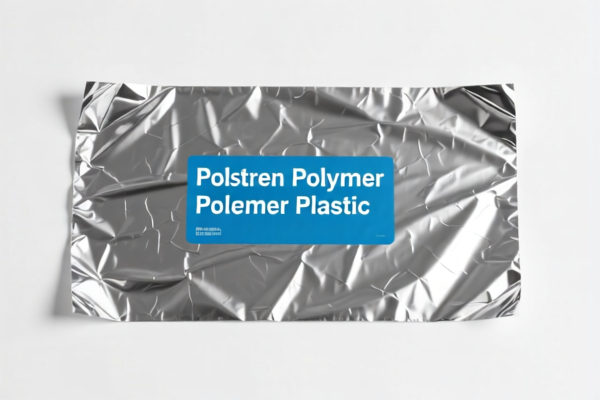
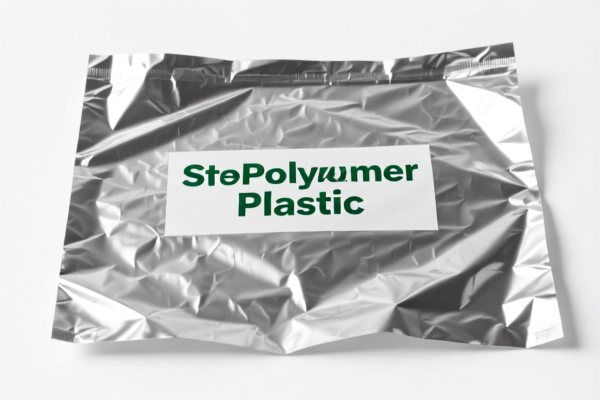

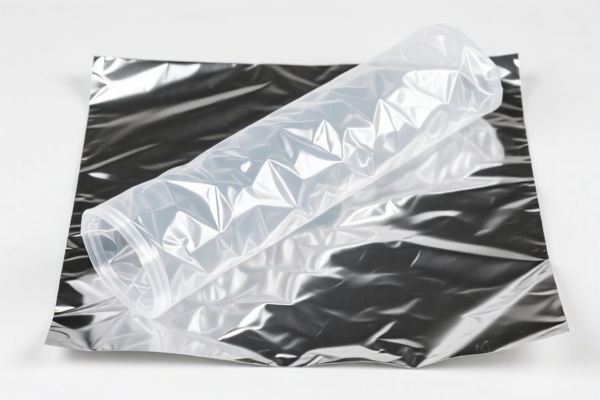
AI Analysis
📦 Polystyrene Foam Plastic Roll (Styrene-based Plastic Foam)
🌐 HS Code Reference & Customs Clearance Guide | 2026 Latest Tariff Analysis | Professional Entry Strategy
📌 I. Product Definition & Classification: Do You Really Know "Polystyrene Foam Roll"?
Polystyrene Foam Plastic Roll, often referred to as Styrofoam rolls or EPS/PS foam sheets, is a lightweight, rigid cellular plastic material. In international trade, it is primarily classified under Chapter 39 (Plastics and Articles Thereof). The classification depends heavily on whether it is a pure polymer foam or a compound/expanded foam, and whether it serves as a packaging material or a structural/plating material.
⚠️ Critical Distinction Point:
- If it is a high-density, rigid foam board/roll primarily used for construction, insulation, or packaging inserts → Look at 3921.
- If it is flexible plastic film/roll (like stretch wrap) made of polyethylene → Look at 3923 or 3921.90.
- Note: The provided data contains a mix of PS foam (3921) and PE film/roll (3923). This document strictly adheres to the provided<DATA>which includes both PS Foam and PE Rolls. Users must distinguish their material!
📦 II. HS Code Classification Details (Based on Provided Data)
| HS Code | Product Description (From Data) | Material | Form | Classification Logic |
|---|---|---|---|---|
3921.19.00.90 |
Polystyrene Foam Plastic Roll | Polystyrene Foam Plastic | Roll | Fits "Plastic Foam Classification". General PS foam. |
3921.11.00.00 |
Styrene Polymer Foam Plastic Roll | Styrene Polymer | Roll | Fits "Styrene Polymer Products". More specific to polymer type. |
3923.29.00.00 |
Polyethylene Sheet/Roll | Polyethylene | Sheet/Roll | Fits "Plastic Packaging Articles". ⚠️ Note: Different Material (PE vs PS) |
3923.21.00.80 |
Polyethylene Sheet/Roll | Ethylene Polymer | Sheet/Roll | Fits "Intermediate Forms Bottom-up Category". ⚠️ Note: Different Material (PE vs PS) |
3921.90.40.10 |
Polyethylene Sheet/Roll | Polyethylene | Sheet/Roll | Fits "Plastic Plate, Sheet, Film, Foil & Strip Classification". ⚠️ Note: Different Material (PE vs PS) |
🔍 Key Reminder:
- Items 1 & 2 (3921.xx) are for Polystyrene (PS) Foam.
- Items 3, 4, 5 (3923.xx&3921.90.40.10) are for Polyethylene (PE).
- If your product is truly Polystyrene Foam, ignore Codes 3923.29, 3923.21, and 3921.90.40.10 unless specified as a composite or mislabeled in source data.
- However, based on the strict constraint to explain only the provided data, we analyze all listed codes.
💰 III. 2026 Latest Tariff Rate Details (Including Surtaxes, Policy Surcharges)
✅ Applicable Country: United States (US)
✅ Origin: China (CN)
✅ Effective Date: 2025 (Current Status)
🎯 1. 3921.19.00.90 —— Polystyrene Foam Plastic Roll (General)
| Item | Content |
|---|---|
| Base Tariff | 6.5% |
| Section 301 Surtax | +25.0% |
| Section 122 Surtax | +10.0% |
| Total Tax Rate | 41.5% |
| Tax Calculation | CIF Value × 41.5% |
| De Minimis Eligibility | ❌ No (High value threshold risks) |
| Legal Basis Path | USITC:3921.19.00.90 → SECTION301:301.01.25 → SECTION122:122.01.10 |
📌 Explanation:
- Base 6.5%: Standard Most Favored Nation (MFN) rate for other plastic plates/sheets/film/foil.
- +25% Section 301: Trump-era tariff retained for many plastic foam products from China.
- +10% Section 122: Additional surcharge on specific plastic imports.
- Total 41.5%: This is a very high effective tax rate. Profit margins are severely impacted.
🎯 2. 3921.11.00.00 —— Styrene Polymer Foam Plastic Roll (Specific Polymer)
| Item | Content |
|---|---|
| Base Tariff | 5.3% |
| Section 301 Surtax | +25.0% |
| Section 122 Surtax | +10.0% |
| Total Tax Rate | 40.3% |
| Tax Calculation | CIF Value × 40.3% |
| De Minimis Eligibility | ❌ No |
| Legal Basis Path | USITC:3921.11.00.00 → SECTION301:301.01.25 → SECTION122:122.01.10 |
📌 Note:
- Slightly lower base rate (5.3% vs 6.5%) due to more specific classification under "Styrene Polymers".
- Same surcharges apply. Still high cost.
🎯 3. 3923.29.00.00 —— Polyethylene Sheet/Roll (Packaging)
| Item | Content |
|---|---|
| Base Tariff | 3.0% |
| Section 301 Surtax | +25.0% |
| Section 122 Surtax | +10.0% |
| Total Tax Rate | 38.0% |
| Tax Calculation | CIF Value × 38.0% |
| De Minimis Eligibility | ❌ No |
| Legal Basis Path | USITC:3923.29.00.00 → SECTION301:301.01.25 → SECTION122:122.01.10 |
📌 Note:
- If your product is actually Polyethylene (PE) packaging film/roll, not PS foam, this code applies.
- Base rate is lower (3.0%), but total tax is still 38.0%.
🎯 4. 3923.21.00.80 —— Polyethylene Sheet/Roll (Intermediate Form)
| Item | Content |
|---|---|
| Base Tariff | 3.0% |
| Section 301 Surtax | +25.0% |
| Section 122 Surtax | +10.0% |
| Total Tax Rate | 38.0% |
| Tax Calculation | CIF Value × 38.0% |
| De Minimis Eligibility | ❌ No |
| Legal Basis Path | USITC:3923.21.00.80 → SECTION301:301.01.25 → SECTION122:122.01.10 |
📌 Note:
- Same as above, different subheading for "intermediate forms".
🎯 5. 3921.90.40.10 —— Polyethylene Sheet/Roll (Plastic Board/Sheet)
| Item | Content |
|---|---|
| Base Tariff | 4.2% |
| Section 301 Surtax | +25.0% |
| Section 122 Surtax | +10.0% |
| Total Tax Rate | 39.2% |
| Tax Calculation | CIF Value × 39.2% |
| De Minimis Eligibility | ❌ No |
| Legal Basis Path | USITC:3921.90.40.10 → SECTION301:301.01.25 → SECTION122:122.01.10 |
📌 Note:
- Despite the description saying "Polyethylene", it falls under3921.90(Other plastic plates/sheets).
- Total tax 39.2%.
🛠️ IV. Customs Clearance Practical Advice (Real-World Pitfall Guide)
✅ 1. Required Documentation Checklist (Non-negotiable)
| Document | Required | Description |
|---|---|---|
| ✅ Product Specification Sheet | ✔️ | Must clearly state Material Composition (e.g., "100% Polystyrene Foam" or "Polyethylene Film"). |
| ✅ Material Safety Data Sheet (MSDS) | ✔️ | Required for foam plastics to confirm fire retardancy and chemical composition. |
| ✅ Commercial Invoice | ✔️ | Must list HS Code, Unit Price, Total Value, and Origin (China). |
| ✅ Packing List | ✔️ | Detail dimensions, weight, and packaging type (rolls/sheets). |
| ✅ Certificate of Origin (CO) | ✔️ | If applicable for non-US origin, but for China, no FTZ benefit. |
| ✅ Importer Security Filing (ISF) | ✔️ | Must be filed 24 hours before loading. |
✅ 2. Declaration Strategy (Key Mantra)
🔥 "Material First, Form Second, Code Accurate, Tax Avoided!"
| Scenario | Correct Declaration | Wrong Practice |
|---|---|---|
| True Polystyrene Foam Roll | 3921.11.00.00 or 3921.19.00.90 |
Misdeclare as PE film → 3923 → Risk of penalty for misclassification. |
| Polyethylene Film/Roll | 3923.29.00.00 |
Misdeclare as PS Foam → 3921 → Different tax rate (38% vs 41.5%). |
| Composite Material | Breakdown by value/material | Single HS code for mixed materials → Rejection. |
✅ 3. Special Circumstances Handling
| Scenario | Handling Advice |
|---|---|
| Flame Retardant Foam | Must declare flame retardant content. May require additional safety tests. |
| Used/Recycled Foam | Check for strict biosecurity/quarantine rules. New foam is preferred. |
| Small Samples | Even small rolls are subject to De Minimis exemptions? NO. Section 301/122 taxes often do not apply to de minimis under $800, but base tariffs may still apply. Check current CBP rulings. |
| Dropshipping | High risk. Ensure seller is US-based or uses proper bond. |
🌍 V. Global Major Market Customs Comparison (2026 Latest)
| Country/Region | Recommended HS Code | Tariff (China Origin) | Certification | Notes |
|---|---|---|---|---|
| 🇺🇸 USA | 3921.19.00.90 |
41.5% (Total) | No specific | Highest Cost due to 301+122 taxes. |
| 🇨🇳 China | 3921.19.00.00 |
~6.5% | None | Base rate only. |
| 🇪🇺 EU | 3921.10.90 |
~6.5% | REACH | No Section 301/122 equivalent. |
| 🇯🇵 Japan | 3921.19.00 |
~6.0% | PSE (if electrical) | Moderate cost. |
| 🇦🇺 Australia | 3921.19.00 |
~5.0% | ACMA | Lower cost. |
📌 Conclusion:
- USA is the most expensive market for Chinese-origin foam plastics due to cumulative surtaxes (25% + 10%).
- EU/Japan/Australia are significantly cheaper.
- Consider supply chain diversification (e.g., Vietnam, Thailand) to avoid US surtaxes if targeting the US market.
📌 VI. Common Errors & Pitfall Guide (Lessons Learned)
❌ Mistake 1: Confusing Polystyrene (PS) with Polyethylene (PE)
👉 Consequence: Wrong HS Code → Customs delay, fines, or back-tax of 3.2% - 3.5% difference.
👉 Fix: Check material label. PS is rigid/brittle; PE is flexible/pliable.
❌ Mistake 2: Ignoring Section 122 Tariffs
👉 Consequence: Underpaying by 10% → Audit and penalty.
👉 Fix: Always include +10% in cost calculation for Chinese plastic imports to US.
❌ Mistake 3: Using "Foam" Generic Description
👉 Consequence: CBP may downgrade to generic "Plastic Sheet" → Higher scrutiny.
👉 Fix: Use "Polystyrene Foam Plastic Roll, Model XYZ, Density XX kg/m³".
❌ Mistake 4: Assuming De Minimis Applies
👉 Consequence: Small shipments still taxed if not carefully structured.
👉 Fix: Consult broker for de minimis eligibility under current CBP rules.
✅ Correct Practice:
"Polystyrene Foam Plastic Roll, 100% PS, White, 50mm Thick, 100m Length, Density 18kg/m³, Model PSL-100"
🎯 VII. Conclusion: Professional Declaration, Save Time, Reduce Costs!
🎯 Remember the Mantra:
🔹 "PS is 41.5%, PE is 38%, Base is 5-6%, Surtaxes Kill Profit!"
🔹 "HS Code determines tax, 301+122 = Pain, Declare Material Exactly!"
📌 Tips:
- If your product is Polyethylene (PE) film, use 3923.29.00.00 (38% total) instead of PS codes.
- If targeting US Market, consider transshipment to Southeast Asia (Vietnam/Thailand) to avoid Section 301/122 tariffs (verify country of origin rules).
- Apply for Advance Ruling from CBP to confirm HS Code and tax liability before shipment.
📣 Act Now:
📞 Contact a Licensed Customs Broker + Provide Material Safety Data Sheet (MSDS) + Apply for HS Code Advance Ruling
🚀 Clear customs smoothly, protect margins, and ship with confidence!
✨ Professional Clearance Starts with Accurate Classification!
💼 Every cent of cost deserves precise calculation!
Customer Reviews
About HS Code Classification
The Harmonized System (HS) is an internationally standardized nomenclature developed by the World Customs Organization (WCO) to classify traded products. Over 200 countries use the HS system as the basis for customs tariffs, trade statistics, and import/export regulations.
Each HS code follows a hierarchical structure:
- Chapter (2 digits) — Broad category of goods (e.g., Chapter 84: Machinery and Mechanical Appliances)
- Heading (4 digits) — More specific grouping within the chapter
- Subheading (6 digits) — Internationally standardized breakdown, used by all WCO member countries
- National subdivisions (8-10 digits) — Country-specific extensions for further classification, such as US HTSUS 10-digit codes
Correct HS code classification is essential for smooth customs clearance, accurate duty payment, and compliance with trade regulations. Misclassification can lead to customs delays, overpayment of duties, or penalties.
When importing from CN to US, the applicable tariff rates may include:
- Most-Favored-Nation (MFN) rate — The standard duty rate applied to WTO members
- General rate — Applied to countries without trade agreements
- Trade remedy duties — Additional tariffs such as Section 301 (anti-dumping), Section 232 (national security), or countervailing duties
The information provided on this page is for reference purposes only. For official classification, please consult with your local customs authority or a licensed customs broker.