Polystyrene Plastic Board
CN → US| HS Code | Tariff Rate | Origin | Destination | Doc |
|---|---|---|---|---|
| 3916905000 | 40.8% | CN | US | Official Doc |
| 3916903000 | 41.5% | CN | US | Official Doc |
Product Images
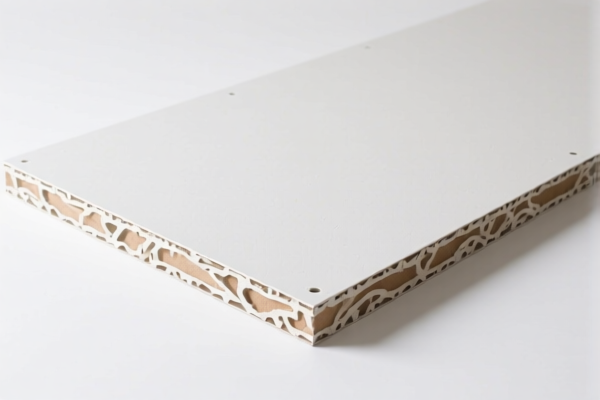
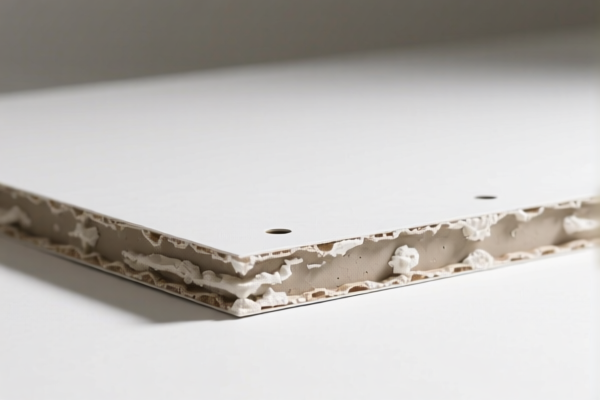
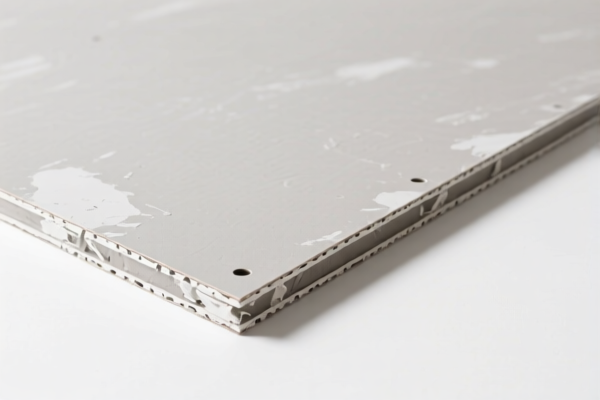

AI Analysis
📦 Polystyrene Plastic Board (PS Boards)
🌐 HS Code Reference & Customs Clearance Guide | 2026 Latest Tariff Analysis | Professional Entry Strategies
📌 I. Product Definition & Classification: Do You Really Understand "Polystyrene Board"?
Polystyrene (PS) is a common thermoplastic polymer known for its clarity, rigidity, and low cost. In international trade, Polystyrene Plastic Boards are classified based on their physical form (foam vs. non-foam) and specific application (packaging vs. general industrial use).
The critical distinction in classification lies in: 1. Density/Structure: Is it expanded polystyrene (EPS - foam) or solid/non-foam polystyrene? 2. End Use: Is it a general-purpose sheet/board or specifically designed as a packaging container/component?
⚠️ Key Classification Points:
- If the board is solid/non-foam and used for general industrial/construction purposes → Typically falls under Chapter 39 (Plastics and Articles Thereof), specifically subheadings for polystyrene sheets/plates.
- If the board is specifically shaped for packaging (e.g., blister packs, protective inserts, clamshells) → May fall under 3923 (Articles for the conveyance or packaging of goods).
- ⚠️ High Tariff Alert: Due to US-China trade tensions, most polystyrene products from China face significant additional tariffs (Section 301 + 122 Clause).
📦 II. HS Code Classification Details (2026 Authoritative Reference)
| HS Code | Product Description | Application Scenario | Key Characteristics |
|---|---|---|---|
3920.30.00.00 |
Polystyrene Plates, Sheets, Film, Foil, Strip & Tape (Non-Foam) | General industrial use, construction insulation (solid), signage, display stands | Solid PS, not expanded. Fits definition of "polystymerous polymer" non-foam boards. |
3920.99.10.00 |
Other Plates, Sheets, Film, Foil & Strip (Plastics) | Specialty PS blends, coated PS boards, or PS boards not specifically identified elsewhere in 3920 | "Board/Sheet" form. Used when 3920.30 is not precise enough (e.g., modified PS). |
3923.10.90.00 |
Plastics Packaging Articles (Polyethylene Focus, but PS often grouped here if specific packaging) | Protective packaging, blister packs, food containers made from PS or PE blends | Specifically for packaging. If the PS board is a finished packaging component. |
3923.29.00.00 |
Other Sacks, Bags & Pouches (Plastics) | Flexible PS packaging films, laminated PS packaging boards | Flexible packaging forms. Less common for rigid "boards," but possible for thin flexible PS sheets. |
3921.19.00.10 |
Other Plates, Sheets, Film, Foil & Strip (Polyethylene/Other) | PS/PE blends or misclassified PE boards labeled as PS. Note: If confirmed PS, this code is less ideal than 3920. | Often used for mixed polymer sheets. Only if the product is not pure PS. |
🔍 Critical Reminder:
- Pure Solid Polystyrene Boards → Prefer 3920.30.00.00 (most direct fit).
- Packaging-Specific PS Boards (e.g., clamshell packs) → Can be classified under 3923 series, but verify if the form factor matches "plates/sheets" vs. "containers."
- Foam Polystyrene (EPS) → NOT INCLUDED in this data set. EPS typically falls under 3921.90 or 3923.21/3923.30. This analysis is for Non-Foam/Solid PS.
💰 III. 2026 Latest Tariff Rate Breakdown (Including Surtaxes & Policy Add-Ons)
✅ Applicable Country: United States (US)
✅ Country of Origin: China (CN)
✅ Effective Date: Current rates apply (post-2025 adjustments)
⚠️ Warning: All listed rates include US Base Tariff + Section 301 Tariff (25%) + Section 122 Clause Tariff (10%).
🎯 1. 3920.30.00.00 —— Non-Foam Polystyrene Plates/Sheets
| Item | Content |
|---|---|
| Base Tariff | 5.8% |
| Section 301 Tariff | +25.0% |
| Section 122 Clause Tariff | +10.0% |
| Total Tariff Rate | 40.8% |
| Tax Calculation | CIF Value × 40.8% |
| De Minimis Exemption | ❌ Not Eligible (deny_de_minimis) |
| Legal Basis | HTSUS:3920.30.00 → USITC Footnote 9903.88.01 → 301 Tariff List |
📌 Explanation:
- 5.8%: Base Most-Favored-Nation (MFN) rate for solid polystyrene sheets.
- 25%: Section 301 tariff on Chinese-origin plastic products.
- 10%: Section 122 Clause tariff (additional surtax on certain Chinese imports).
- Total: 40.8% is a very high barrier. Must be factored into landed cost calculations.
🎯 2. 3920.99.10.00 —— Other Plastic Plates/Sheets (Non-Specific PS)
| Item | Content |
|---|---|
| Base Tariff | 6.0% |
| Section 301 Tariff | +25.0% |
| Section 122 Clause Tariff | +10.0% |
| Total Tariff Rate | 41.0% |
| Tax Calculation | CIF Value × 41.0% |
| De Minimis Exemption | ❌ Not Eligible |
| Legal Basis | HTSUS:3920.99.10 → USITC Footnote 9903.88.01 |
📌 Note:
- Slightly higher base rate (6.0%) due to being a "catch-all" for non-specific plastic sheets.
- Same surtaxes apply. Total cost is marginally higher than3920.30.00.00.
🎯 3. 3923.10.90.00 & 3923.29.00.00 —— Plastic Packaging Articles
| Item | Content |
|---|---|
| Base Tariff | 3.0% |
| Section 301 Tariff | +25.0% |
| Section 122 Clause Tariff | +10.0% |
| Total Tariff Rate | 38.0% |
| Tax Calculation | CIF Value × 38.0% |
| De Minimis Exemption | ❌ Not Eligible |
| Legal Basis | HTSUS:3923 → USITC Footnote 9903.88.01 |
📌 Analysis:
- 38.0% is lower than the 40.8%/41.0% for general PS boards.
- Strategic Implication: If your PS board is finished packaging (e.g., a blister pack, a protective tray), classify under 3923 to save 2.8–3.0% in tariffs.
- ⚠️ Risk: Customs may challenge this if the item is just a raw sheet. Must be custom-shaped for packaging.
🎯 4. 3921.19.00.10 —— Other Plastic Plates/Sheets (PE Focus)
| Item | Content |
|---|---|
| Base Tariff | 6.5% |
| Section 301 Tariff | +25.0% |
| Section 122 Clause Tariff | +10.0% |
| Total Tariff Rate | 41.5% |
| Tax Calculation | CIF Value × 41.5% |
| De Minimis Exemption | ❌ Not Eligible |
| Legal Basis | HTSUS:3921.19 → USITC Footnote 9903.88.01 |
📌 Warning:
- Highest Total Tariff (41.5%).
- Only use if the product is not pure Polystyrene (e.g., Polyethylene blend) and not for packaging.
- Misclassifying PS as PE here will lead to penalties and back-taxes.
🛠️ IV. Customs Clearance Practical Advice (Battle-Proven Pitfall Avoidance)
✅ 1. Required Documentation Checklist
| Document | Mandatory | Description |
|---|---|---|
| ✅ Product Specification Sheet | ✔️ | Must clearly state: "Non-Foam Polystyrene," thickness, dimensions, density. |
| ✅ Material Safety Data Sheet (MSDS) | ✔️ | Confirms chemical composition (100% PS or blend). |
| ✅ Commercial Invoice | ✔️ | Clearly describe as "Polystyrene Sheets for [Use]," not generic "Plastic Board." |
| ✅ Packing List | ✔️ | Detail weight, volume, and packaging type. |
| ✅ Proof of Non-Foam Structure | ✔️ | Photos or lab report proving no expanded foam (EPS). |
| ✅ Certification (if packaging) | ✔️ | FDA compliance if for food contact; otherwise, general safety certs. |
✅ 2. Declaration Strategy (Key Mnemonic)
🔥 “Pure PS: 3920; Packaging: 3923; Avoid 3921 unless PE; All face 40%+!”
| Scenario | Correct HS Code | Incorrect Action | Consequence |
|---|---|---|---|
| Solid PS Sheet for Construction/Signage | 3920.30.00.00 |
Declare as 3920.99.10.00 |
Higher base tariff (5.8% vs 6.0%). |
| Custom-Made PS Blister Pack | 3923.10.90.00 |
Declare as 3920.30.00.00 |
Miss out on 38% rate (saves 2.8%). |
| Raw PS Sheet labeled "Packaging" but not shaped | 3920.30.00.00 |
Declare as 3923.10.90.00 |
Customs Rejection/penalty for misclassification. |
| PE Plastic Sheet labeled as PS | 3921.19.00.10 |
Declare as 3920.30.00.00 |
Fraud/Back Taxes + fines. |
✅ 3. Special Handling Cases
| Situation | Recommendation |
|---|---|
| PS Board with Coating/Lamination | If coating is <5% by weight, still PS. Declare as 3920.30.00.00. |
| Colorants/Additives | Pure PS with colorants remains 3920.30.00.00. Do not shift to 3920.99.10.00 unless it’s a different polymer. |
| Small Samples (<$800) | NOT ELIGIBLE for de minimis. All PS boards from China are subject to Section 301 + 122. |
| Transshipment via Vietnam/Mexico | High Risk. US Customs closely scrutinizes origin fraud. Ensure substantial transformation occurs. |
🌍 V. Global Market Comparison (2026 Overview)
| Country/Region | Recommended HS Code | Base Tariff | Total Tariff (China Origin) | Notes |
|---|---|---|---|---|
| 🇺🇸 USA | 3920.30.00.00 |
5.8% | 40.8% | Highest barrier. Consider 3923 for packaging (38.0%). |
| 🇨🇳 China | 3920.30.00.00 |
6.5% | 6.5% | Export from China has low entry barrier. |
| 🇪🇺 EU | 3920.30.00 |
6.5% | 6.5% | No Section 301/122 surtaxes. |
| 🇬🇧 UK | 3920.30.00 |
6.5% | 6.5% | Post-Brexit tariff structure similar to EU. |
| 🇯🇵 Japan | 3920.30.00 |
6.0% | 6.0% | No major surtaxes on Chinese plastics. |
📌 Conclusion:
- USA is the only major market with punitive tariffs (40.8%) on Chinese Polystyrene Boards.
- EU, UK, Japan offer significantly lower duties (6–6.5%).
- If targeting the US, optimize classification (Packaging vs. General Use) and consider supply chain diversification.
📌 VI. Common Errors & Pitfalls (Lessons Learned)
❌ Error 1: Classifying Foam Polystyrene (EPS) as 3920.30.00.00
👉 Result: Customs inspection reveals foam structure → Reclassification to 3921.90 → Potential delays.
👉 Fix: Clearly state "Non-Foam" or "Solid" in description.
❌ Error 2: Using 3923 for Raw PS Sheets
👉 Result: Rejected as "not packaging articles."
👉 Fix: Only use 3923 if the product is finished, shaped, and intended for packaging.
❌ Error 3: Ignoring Section 122 Clause
👉 Result: Underpaying tariffs by 10%.
👉 Fix: Always calculate Base + 301 + 122 for US imports from China.
✅ Correct Declaration Example:
"Non-Foam Polystyrene Plates, Solid, for Industrial Signage Use, 2mm Thick, 4x8 Feet, Model XYZ, Origin: China"
🎯 VII. Conclusion: Precision in Classification Saves Money!
🎯 Remember the Mantra:
🔹 "Solid PS = 3920 (40.8%)"; "Packaging PS = 3923 (38.0%)"; "Foam PS = Not in Scope"; "China Origin = Heavy Surtax!"
🔹 "HS Code Choice Can Save 2.8% – Think Like a Customs Broker!"
📌 Pro Tip:
If your product volume is high, Apply for a Binding Ruling with US Customs and Border Protection (CBP) to confirm whether your specific PS board qualifies for 3923 (Packaging) at 38.0% instead of 3920 (General) at 40.8%.
📣 Immediate Action:
📞 Consult a Licensed Customs Broker
📄 Prepare Detailed Product Specs (Non-Foam Confirmation)
🚀 Calculate Landed Cost with 40.8% Tariff for USA Market
✨ Professional Clearance Starts with Accurate Classification!
💼 Every Percentage Point of Tariff is a Point of Profit!
Customer Reviews
About HS Code Classification
The Harmonized System (HS) is an internationally standardized nomenclature developed by the World Customs Organization (WCO) to classify traded products. Over 200 countries use the HS system as the basis for customs tariffs, trade statistics, and import/export regulations.
Each HS code follows a hierarchical structure:
- Chapter (2 digits) — Broad category of goods (e.g., Chapter 84: Machinery and Mechanical Appliances)
- Heading (4 digits) — More specific grouping within the chapter
- Subheading (6 digits) — Internationally standardized breakdown, used by all WCO member countries
- National subdivisions (8-10 digits) — Country-specific extensions for further classification, such as US HTSUS 10-digit codes
Correct HS code classification is essential for smooth customs clearance, accurate duty payment, and compliance with trade regulations. Misclassification can lead to customs delays, overpayment of duties, or penalties.
When importing from CN to US, the applicable tariff rates may include:
- Most-Favored-Nation (MFN) rate — The standard duty rate applied to WTO members
- General rate — Applied to countries without trade agreements
- Trade remedy duties — Additional tariffs such as Section 301 (anti-dumping), Section 232 (national security), or countervailing duties
The information provided on this page is for reference purposes only. For official classification, please consult with your local customs authority or a licensed customs broker.