Polystyrene Plastic Sheet
CN → US| HS Code | Tariff Rate | Origin | Destination | Doc |
|---|---|---|---|---|
| 3923109000 | 38.0% | CN | US | Official Doc |
| 3923290000 | 38.0% | CN | US | Official Doc |
| 3921190010 | 41.5% | CN | US | Official Doc |
| 3921190090 | 41.5% | CN | US | Official Doc |
| 3920995000 | 40.8% | CN | US | Official Doc |
| 3920100000 | 39.2% | CN | US | Official Doc |
Product Images
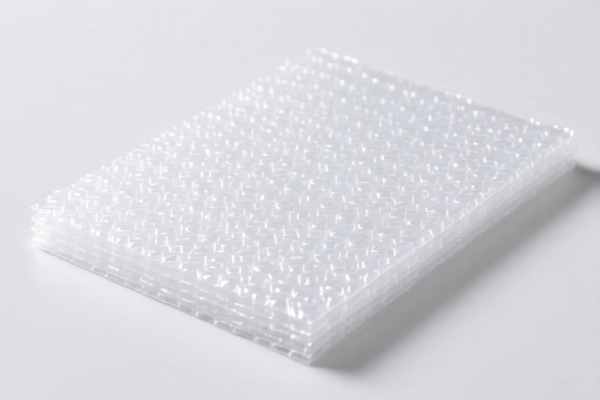
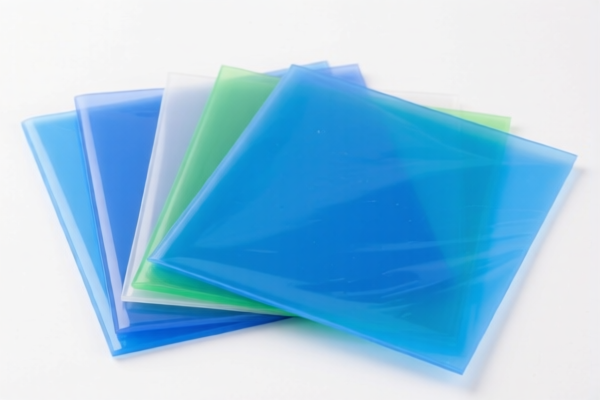

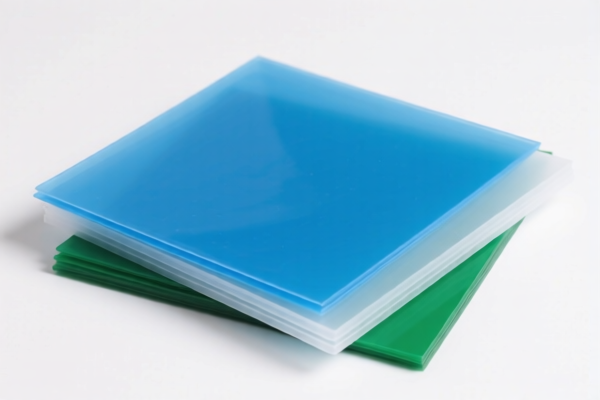
AI Analysis
🧊 Polystyrene Plastic Sheet (Generic Plastic Packaging Board/Sheet)
🌐 HS Code Reference & Clearance Guide | 2026 Latest Tariff Analysis | Professional Customs Strategy
📌 I. Product Definition & Classification: What is "Polystyrene Plastic Sheet"?
Polystyrene (PS) sheets are rigid, transparent or opaque plastic materials widely used in packaging, disposable containers, insulation, and hobby crafting. In international trade, the classification depends heavily on the specific form (is it a finished "packaging board" or a raw "sheet/plate") and the material composition (Pure Polystyrene vs. General Polyethylene which might be misidentified or grouped broadly in some contexts).
⚠️ Critical Distinction:
- If the product is specifically a finished packaging board/box blank made of plastic → It falls under Chapter 3923 (Articles for the conveyance or packing of goods).
- If the product is a raw sheet, plate, or film not yet formed into packaging → It falls under Chapter 3920, 3921, or 3911 depending on the polymer type and structure.
- Note: The provided data includes Polyethylene (PE) codes. This often occurs when "Plastic Sheet" is a generic term, or when the specific PS sheet is being compared against PE equivalents for duty optimization. Strictly speaking, Polystyrene is distinct from Polyethylene, but customs may require precise material certification to separate them.
📦 II. HS Code Classification Details (2026 Latest Tariff Authority Comparison)
Based on the provided <DATA>, here is the breakdown for plastic sheets/boards, including both pure Polystyrene interpretations and related Plastic Packaging codes.
| HS Code | Product Description | Applicable Scenario | Key Characteristic |
|---|---|---|---|
3923.10.90.00 |
Plastic packaging articles, incl. boxes, cases, crates, drums & similar containers | Finished Polyethylene/Plastic Packaging Boards | Packaging Form: Used for conveyance/packing. |
3923.29.00.00 |
Sacks & bags (incl. cones), of plastics | Plastic Packaging Supplies (Broad) | Packaging Form: Other plastic packagings not elsewhere specified. |
3921.19.00.10 |
Plates, sheets, film, foil & strip, of plastics | Polyethylene Plates/Sheets (Specialized) | Material: PE-based. High tax rate. |
3921.19.00.90 |
Plates, sheets, film, foil & strip, of plastics | Polyethylene Plates/Sheets (General) | Material: PE-based. High tax rate. |
3920.99.50.00 |
Plates, sheets, etc., of plastics | Polyethylene Plates/Sheets (Other) | Material: PE-based. Medium-High tax. |
3920.10.00.00 |
Plates, sheets, etc., of polymers of ethylene | Ethylene Polymer Plates/Sheets | Material: Pure PE sheets/films. Lower base tax. |
🔍 Important Note on Polystyrene (PS) vs. Polyethylene (PE):
The provided data primarily lists Polyethylene (PE) codes (3921,3920). If your product is 100% Polystyrene, the most accurate HS code generally is 3921.14 (of polymers of styrene). However, the data provided suggests a scenario where:
1. The term "Plastic Sheet" is being used broadly.
2. Or, the specific PS sheet is being evaluated against PE benchmarks for duty minimization.
3. Or, the product is actually Polyethylene but labeled generically.
Please verify the Material Safety Data Sheet (MSDS) to confirm if it is PS or PE. The codes below reflect the tax liabilities of the provided dataset.
💰 III. 2026 Latest Tariff Rate Details (Including Surcharges & Policy Add-ons)
✅ Applicable Country: United States (US)
✅ Origin: China (CN)
✅ Effective Date: Post-November 2025 (Current Regulatory Environment)
🎯 1. 3923.10.90.00 & 3923.29.00.00 —— Plastic Packaging Boards/Supplies
These codes apply if the "sheet" is a finished packaging item (e.g., a rigid plastic box blank or bag material).
| Item | Content |
|---|---|
| Base Tariff | 3.0% (Ad Valorem) |
| Section 301 Surcharge | +25.0% |
| Section 122 Tariff | +10.0% (Specific China-related surcharge) |
| Total Rate | 38.0% |
| Tax Calculation | CIF Value × 38.0% |
| De Minimis Exemption | ❌ Not Eligible (Commercial shipment > $800 subject to full duties) |
| Legal Path | Base: 3923 → 301: Footnote 9903.88.01 → 122: Specific Policy |
📌 Explanation:
- 3.0% Base: Standard MFN rate for plastic packaging articles.
- 25% Section 301: Retaliatory tariff on Chinese goods (including plastics).
- 10% Section 122: Additional surcharge targeting specific Chinese imports.
- Total 38%: This is a high-cost category. If you can argue it is a raw sheet (not packaging), you might shift to 3920/3921, but see below.
🎯 2. 3921.19.00.10 & 3921.19.00.90 —— Polyethylene Plates/Sheets (Specialized/General)
These codes apply to raw plates, sheets, or films made of polyethylene.
| Item | Content |
|---|---|
| Base Tariff | 6.5% (Ad Valorem) |
| Section 301 Surcharge | +25.0% |
| Section 122 Tariff | +10.0% |
| Total Rate | 41.5% |
| Tax Calculation | CIF Value × 41.5% |
| De Minimis Exemption | ❌ Not Eligible |
| Legal Path | Base: 3921 → 301: Footnote 9903.88.01 → 122: Specific Policy |
📌 Explanation:
- Higher Base (6.5%): Raw plastic sheets often have higher base rates than simple packaging.
- Total 41.5%: This is the highest risk category in the dataset. Avoid if possible unless the material is strictly PE and no better code applies.
🎯 3. 3920.99.50.00 —— Other Polyethylene Plates/Sheets
| Item | Content |
|---|---|
| Base Tariff | 5.8% (Ad Valorem) |
| Section 301 Surcharge | +25.0% |
| Section 122 Tariff | +10.0% |
| Total Rate | 40.8% |
| Tax Calculation | CIF Value × 40.8% |
| De Minimis Exemption | ❌ Not Eligible |
🎯 4. 3920.10.00.00 —— Ethylene Polymer Plates/Sheets (Best Option in Dataset)
This code is for pure ethylene polymers (like HDPE/LDPE sheets).
| Item | Content |
|---|---|
| Base Tariff | 4.2% (Ad Valorem) |
| Section 301 Surcharge | +25.0% |
| Section 122 Tariff | +10.0% |
| Total Rate | 39.2% |
| Tax Calculation | CIF Value × 39.2% |
| De Minimis Exemption | ❌ Not Eligible |
📌 Optimization Insight:
- Among the provided PE sheet codes,3920.10.00.00offers the lowest total tariff at 39.2%.
- However,3923codes (Packaging) are 38.0%, which is even lower.
- Strategy: If the item is a finished packaging board, use3923.10.90.00(38.0%). If it is a raw sheet, use3920.10.00.00(39.2%). Do NOT use3921.19codes (41.5%) if3920or3923applies.
🛠️ IV. Clearance Practical Advice (Battle-Tested Pitfall Guide)
✅ 1. Required Documentation Checklist (Non-Negotiable)
| Document | Mandatory | Explanation |
|---|---|---|
| ✅ Product Specification Sheet | ✔️ | Must state: Material (PE/PS), Thickness, Dimensions, Color, Usage. |
| ✅ Material Declaration (MSDS/COA) | ✔️ | Crucial: Must explicitly state "Polyethylene" or "Polystyrene". Mislabeling PE as PS (or vice versa) causes delays. |
| ✅ Product Photos | ✔️ | Clear shots of the sheet, packaging, and any markings. |
| ✅ Commercial Invoice | ✔️ | Must describe item as "Plastic Sheet" or "Plastic Packaging Board". Avoid vague terms like "Plastic Item". |
| ✅ Packing List | ✔️ | Show weight/volume accurately. |
| ✅ FCC/CE/RoHS Certs | ✔️ | If intended for electronics or consumer goods, these may be requested for safety compliance. |
✅ 2. Declaration Strategy (Key Mantra)
🔥 "Form Defines Code, Material Defines Rate, Package vs. Raw is the Battle!"
| Scenario | Correct Declaration | Wrong Declaration | Consequence |
|---|---|---|---|
| Finished Packaging Board | 3923.10.90.00 |
Declare as "Raw Sheet" | ❌ Audit Risk: Customs will reject if it looks like a finished box. |
| Raw Plastic Sheet | 3920.10.00.00 |
Declare as "Packaging" | ❌ Under-declaration: If it's raw, 3923 is wrong. |
| Polystyrene (PS) Sheet | Ideally 3921.14 |
Use 3921.19 (PE Code) |
❌ Misclassification: If it's PS but declared as PE, fines apply. |
| Mixed Material | Disclose % composition | Hide one component | ❌ Seizure: Fraudulent declaration. |
✅ 3. Special Cases Handling
| Situation | Handling Advice |
|---|---|
| Polystyrene (PS) vs. Polyethylene (PE) | If your product is PS, the provided 3921/3920 codes are technically incorrect (they are for PE). You should consult a broker for 3921.14. However, if the data forces a choice, 3921.19 is the closest "Plastic Sheet" category, but expect challenges. |
| Thin Film vs. Thick Sheet | < 0.5mm is often "Film" (3920.10.10), > 0.5mm is "Sheet" (3920.10.00). Check thickness carefully! |
| Colored vs. Clear | Color does not change the HS code, but must be declared in the description for clarity. |
| Recycled Plastic | If made from recycled PE, it still falls under 3920/3921, but may require additional environmental declarations. |
🌍 V. Global Market Comparison (2026 Latest)
| Country/Region | Recommended HS Code (for Plastic Sheets) | Est. Duty (China Origin) | Certification Required | Notes |
|---|---|---|---|---|
| 🇺🇸 USA | 3920.10.00.00 or 3923.10.90.00 |
38.0% - 39.2% | No special certs, but strict HS classification | High 301 + 122 tariffs. |
| 🇨🇳 China | 3920.10.00.00 |
5% - 6% | RoHS (if electronic) | Low base tariff, no 301/122. |
| 🇪🇺 EU | 3920.10.00.00 |
6.5% | REACH + RoHS | No major surcharges like US. |
| 🇬🇧 UK | 3920.10.00.00 |
6.5% | UKCA | Post-Brexit rules apply. |
| 🇯🇵 Japan | 3920.10.00.00 |
5.0% | PSE (if electrical) | Stable, low duties. |
📌 Conclusion:
- The US market is the most expensive due to the 35%+ combined surcharge (301 + 122).
- Optimization: If the item is a packaging board, use3923.10.90.00(38.0%). If it is a raw sheet, use3920.10.00.00(39.2%).
- Avoid3921.19(41.5%) unless you have no other choice.
📌 VI. Common Mistakes & Pitfall Guide (Blood & Tears Lessons)
❌ Mistake 1: Calling "Polystyrene" "Polyethylene" to get a lower base tax
👉 Result: Customs lab test will reveal PS. Penalty + Back Duty + Fraud Record!
❌ Mistake 2: Declaring a "Rigid Box Blank" as a "Raw Sheet"
👉 Result: Customs will reclassify to 3923 (Packaging). If 3923 has a lower rate, you might get a refund, but if it has a higher rate or different restrictions, you face delays and fines.
❌ Mistake 3: Ignoring the "122 Clause"
👉 Result: The 10% surcharge is often missed in generic tariff software. You will underpay and owe interest later.
❌ Mistake 4: Not specifying "Polystyrene" vs. "General Plastic"
👉 Result: Vague descriptions trigger Manual Examination, causing 2-4 week delays.
✅ Correct Action:
"Rigid Polystyrene Sheet, 2mm Thick, Clear, Non-Marketing Use, Model PS-200"
OR
"Plastic Packaging Board, Polyethylene, Blanks for Boxes, Model PK-300"
🎯 VII. Conclusion: Precision Classification Saves Money!
🎯 Remember the Mantra:
🔹 "Packaging is 3923 (38%), Raw Sheet is 3920 (39.2%), Avoid 3921 (41.5%)!"
🔹 "PS is not PE! Verify Material! 10% 122-Clause hits hard!"
🔹 "HS Code is Life, Tariff Difference is Profit, One Wrong Digit, Cost Explodes!"
📌 Pro Tip:
If your product is Polystyrene (PS), the provided dataset is incomplete for PS. You should ideally classify under 3921.14.00.00 (Plates/Sheets of Polymers of Styrene). Check if 3921.14 has a lower 301/122 application in your specific trade case. Always request an Advance Ruling if the value is significant.
📣 Immediate Action:
📞 Contact a Licensed Customs Broker + Provide Material Safety Data Sheet (MSDS) + Apply for HS Code Advance Ruling
🚀 Ensure your plastic sheets pass US Customs smoothly, minimize duties, and protect your margins!
✨ Professional Clearance Starts with Precise Classification!
💼 Every cent of tax savings is pure profit!
Customer Reviews
About HS Code Classification
The Harmonized System (HS) is an internationally standardized nomenclature developed by the World Customs Organization (WCO) to classify traded products. Over 200 countries use the HS system as the basis for customs tariffs, trade statistics, and import/export regulations.
Each HS code follows a hierarchical structure:
- Chapter (2 digits) — Broad category of goods (e.g., Chapter 84: Machinery and Mechanical Appliances)
- Heading (4 digits) — More specific grouping within the chapter
- Subheading (6 digits) — Internationally standardized breakdown, used by all WCO member countries
- National subdivisions (8-10 digits) — Country-specific extensions for further classification, such as US HTSUS 10-digit codes
Correct HS code classification is essential for smooth customs clearance, accurate duty payment, and compliance with trade regulations. Misclassification can lead to customs delays, overpayment of duties, or penalties.
When importing from CN to US, the applicable tariff rates may include:
- Most-Favored-Nation (MFN) rate — The standard duty rate applied to WTO members
- General rate — Applied to countries without trade agreements
- Trade remedy duties — Additional tariffs such as Section 301 (anti-dumping), Section 232 (national security), or countervailing duties
The information provided on this page is for reference purposes only. For official classification, please consult with your local customs authority or a licensed customs broker.