Polystyrene Resin for Paints
CN → US| HS Code | Tariff Rate | Origin | Destination | Doc |
|---|---|---|---|---|
| 3903110000 | 41.5% | CN | US | Official Doc |
| 3209100000 | 40.1% | CN | US | Official Doc |
| 3903190000 | 41.5% | CN | US | Official Doc |
| 3209900000 | 40.9% | CN | US | Official Doc |
| 3208900000 | 38.2% | CN | US | Official Doc |
Product Images

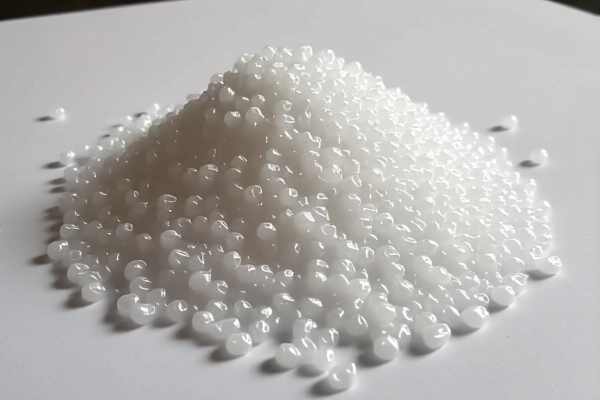
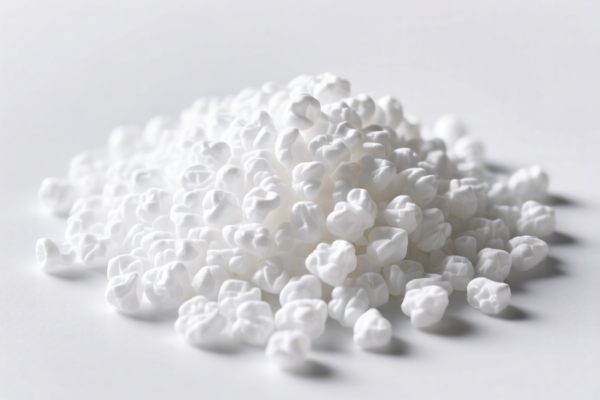
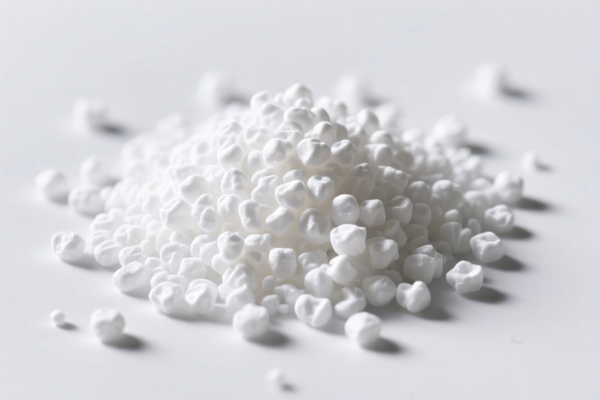
AI Analysis
🧪 Polystyrene Resin & Coatings (Polystyrene Resin for Paints)
🌐 HS Code Reference & Customs Clearance Guide | 2026 Latest Tariff Analysis | Professional Clearance Strategy
📌 I. Product Definition & Classification: What Exactly Are We Shipping?
The term "Polystyrene Resin for Paints" in international trade is a dual-concept. It generally refers to two distinct categories of goods based on their physical state and final application:
- Primary Polystyrene Resins (Raw Materials): Solid polymers (pellets, granules, or powders) that serve as the base binder for paint manufacturers. These are classified under Chapter 39.
- Ready-to-Use Coating Materials (Finished Goods): Liquid or paste formulations where polystyrene (or other synthetic polymers) is already mixed with solvents, pigments, and additives to function as paint or varnish. These are classified under Chapter 32.
⚠️ Key Distinction Point:
- If the product is a solid polymer intended for further manufacturing (melting/mixing) → It belongs to Chapter 39 (Plastics & Articles Thereof).
- If the product is a liquid/paste coating ready for application as paint/varnish → It belongs to **Chapter 32 (Tanning or Dyeing Extracts; Tannins; Dyes, Pigments and Other Coloring Matter; Paints and Varnishes)
📦 II. HS Code Classification Details (2026 Latest Tariff Authority Comparison)
Based on the provided dataset, here are the four specific HS Codes applicable to "Polystyrene Resin for Paints," differentiated by product form and composition.
| HS Code | Product Summary | Applicable Scenario | Form Factor |
|---|---|---|---|
3903.11.00.00 |
Primary Polystyrene Resin, meeting the definition of styrene polymers | Raw material for paint production; high-purity styrene polymer | ✅ Solid (Granules/Pellets) |
3903.19.00.00 |
Primary Polystyrene Resin in Primary Shapes, categorized under "Other Resins" | Generic polystyrene or less common styrene copolymers | ✅ Solid (Granules/Pellets) |
3209.10.00.00 |
Coating material based on vinyl polymers, falls under paint/varnish category | Ready-to-use paints using vinyl-acrylic or vinyl-modified polystyrene | ✅ Liquid/Paste (Ready-to-use) |
3209.90.00.00 |
Coating material based on synthetic polymers, for paint/varnish use | General synthetic polymer-based coatings (not strictly vinyl-based) | ✅ Liquid/Paste (Ready-to-use) |
3208.90.00.00 |
Paints/Varnish coating materials based on synthetic polymers | Synthetic polymer-based coatings (alternative category for complex formulations) | ✅ Liquid/Paste (Ready-to-use) |
🔍 Key Reminder:
- Raw Resin (Solid) → Use 3903.11 or 3903.19.
- Finished Paint (Liquid) → Use 3209.10, 3209.90, or 3208.90.
- Misclassifying liquid paint as solid resin (or vice versa) can lead to significant duty discrepancies and customs delays.
💰 III. 2026 Latest Tariff Rate Breakdown (Including Surtaxes & Policy Add-ons)
✅ Applicable Country: United States (US)
✅ Origin: China (CN)
✅ Effective Date: Current rates apply (based on provided data)
🎯 1. 3903.11.00.00 —— Primary Polystyrene Resin (Styrene Polymer Definition)
| Item | Detail |
|---|---|
| Basic Tariff | 6.5% |
| Additional Tariff (Section 301) | +25.0% |
| Section 122 Tariff | +10.0% |
| Total Tax Rate | 41.5% |
| Tax Calculation | CIF Value × 41.5% |
| De Minimis Exemption | ❌ Not Eligible |
| Legal Basis Path | USITC:3903.11.00.00 → 301:25% → 122:10% |
📌 Explanation:
- Polystyrene resin is a strategic petrochemical product.
- The 41.5% total rate reflects the base duty plus significant geopolitical tariffs (Section 301 + Section 122).
- High cost impact; supply chain optimization is critical.
🎯 2. 3903.19.00.00 —— Other Primary Polystyrene Resin
| Item | Detail |
|---|---|
| Basic Tariff | 6.5% |
| Additional Tariff (Section 301) | +25.0% |
| Section 122 Tariff | +10.0% |
| Total Tax Rate | 41.5% |
| Tax Calculation | CIF Value × 41.5% |
| De Minimis Exemption | ❌ Not Eligible |
| Legal Basis Path | USITC:3903.19.00.00 → 301:25% → 122:10% |
📌 Note:
- Same tax structure as3903.11.00.00.
- Used when the specific styrene polymer definition doesn't strictly apply, or for broader categorization.
🎯 3. 3209.10.00.00 —— Coating Material Based on Vinyl Polymers (Paint/Varnish)
| Item | Detail |
|---|---|
| Basic Tariff | 5.1% |
| Additional Tariff (Section 301) | +25.0% |
| Section 122 Tariff | +10.0% |
| Total Tax Rate | 40.1% |
| Tax Calculation | CIF Value × 40.1% |
| De Minimis Exemption | ❌ Not Eligible |
| Legal Basis Path | USITC:3209.10.00.00 → 301:25% → 122:10% |
📌 Note:
- Specifically for coatings where vinyl polymers are the primary binder (often modified with polystyrene).
- Slightly lower base duty (5.1% vs 6.5%) results in a slightly lower total tax.
🎯 4. 3209.90.00.00 —— Coating Material Based on Synthetic Polymers
| Item | Detail |
|---|---|
| Basic Tariff | 5.9% |
| Additional Tariff (Section 301) | +25.0% |
| Section 122 Tariff | +10.0% |
| Total Tax Rate | 40.9% |
| Tax Calculation | CIF Value × 40.9% |
| De Minimis Exemption | ❌ Not Eligible |
| Legal Basis Path | USITC:3209.90.00.00 → 301:25% → 122:10% |
📌 Note:
- "Other" synthetic polymer coatings. If the product is a polystyrene-based paint but doesn't fit the "vinyl" definition precisely, this code is used.
🎯 5. 3208.90.00.00 —— Paints/Varnish Based on Synthetic Polymers
| Item | Detail |
|---|---|
| Basic Tariff | 3.2% |
| Additional Tariff (Section 301) | +25.0% |
| Section 122 Tariff | +10.0% |
| Total Tax Rate | 38.2% |
| Tax Calculation | CIF Value × 38.2% |
| De Minimis Exemption | ❌ Not Eligible |
| Legal Basis Path | USITC:3208.90.00.00 → 301:25% → 122:10% |
📌 Note:
- Lowest Total Tax Rate (38.2%) in this dataset.
- Often used for specific synthetic resin paints (e.g., acrylics, alkyds, or complex polymeric blends).
- Strategic Tip: If your product formulation allows, classifying under3208.90.00.00instead of3903.11.00.00can save 3.3% in duty.
🛠️ IV. Customs Clearance Practical Advice (Battle-Proven Pitfall Avoidance)
✅ 1. Documentation Checklist (Non-negotiable)
| Document | Mandatory? | Description |
|---|---|---|
| ✅ Technical Data Sheet (TDS) | ✔️ | Must specify polymer type (Polystyrene, Vinyl, etc.), solvent content, and state (solid/liquid). |
| ✅ Safety Data Sheet (SDS) | ✔️ | Required for chemical classification and hazardous material handling. |
| ✅ Product Photographs | ✔️ | Clear images showing physical state (pellets vs. liquid cans) and labeling. |
| ✅ Formula/Composition Statement | ✔️ | Percentage of solid content, type of resins used. Critical for distinguishing Ch 39 vs Ch 32. |
| ✅ Commercial Invoice | ✔️ | Accurate description: "Polystyrene Resin (Raw Material)" vs. "Polystyrene-based Paint (Finished Product)." |
| ✅ Certificate of Origin | ✔️ | To verify Chinese origin and apply surtaxes. |
✅ 2. Declaration Strategy (Key Mnemonic)
🔥 “Solid is 39, Liquid is 32; Base Rate Sets the Stage, Surtaxes Are the Cage!”
| Scenario | Correct Classification | Common Mistake |
|---|---|---|
| Polystyrene Pellets/Granules | 3903.11.00.00 or 3903.19.00.00 |
Misclassifying as paint → 40%+ duty but wrong description |
| Liquid Paint with Polystyrene Binder | 3209.10.00.00, 3209.90.00.00, or 3208.90.00.00 |
Misclassifying as resin → Higher duty + penalties |
| Mixed Shipment (Resin + Paint) | Separate Lines | Combined declaration → Confusion & Rejection |
✅ 3. Special Case Handling
| Situation | Handling Advice |
|---|---|
| Polystyrene Latex (Emulsion) | Usually falls under Chapter 32 (if ready-to-use) or 3907 (if polymer dispersion). Check solid content. |
| Paint Thinner with Resin | If resin is minor component, may fall under thinner codes. If resin is primary binder, Chapter 32. |
| Sample Shipments | No De Minimis Exemption for these goods. Even small samples incur the full ~40% duty. |
| OEM Paint Supply | Provide contract to prove commercial purpose. Ensure HS code matches the final product type, not the customer's brand. |
🌍 V. Global Market Comparison (2026 Latest)
| Country/Region | Recommended HS Code | Tariff (China Origin) | Certification | Notes |
|---|---|---|---|---|
| 🇺🇸 USA | 3903.11.00.00 or 3208.90.00.00 |
38.2% - 41.5% | ASTM, EPA | High surtaxes apply. |
| 🇨🇳 China | 3903.11.00 or 3208.90 |
3.2% - 6.5% | No surtax | Low base duty. |
| 🇪🇺 EU | 3903.11 or 3208 |
6.5% - 10% | REACH, CLP | No Section 301/122. |
| 🇬🇧 UK | 3903.11 or 3208 |
6.5% - 10% | UKCA | Post-Brexit rules apply. |
📌 Conclusion:
- USA is the most expensive market due to Section 301 (+25%) and Section 122 (+10%).
- Duty Savings: Choosing3208.90.00.00(38.2%) over3903.11.00.00(41.5%) for compatible products can save 3.3% on CIF value.
- Compliance is Key: Misclassification risks penalties and delays.
📌 VI. Common Errors & Pitfall Guide (Lessons Learned)
❌ Error 1: Declaring liquid paint as "Plastic Resin" to avoid "Paint" duties.
👉 Consequence: Customs may reclassify to Chapter 32, but the surtaxes are similar. However, misrepresentation can lead to fraud penalties.
❌ Error 2: Ignoring the "State of the Product" (Solid vs. Liquid).
👉 Consequence: Customs will inspect and delay shipment. If you ship pellets but declare liquid, you face additional scrutiny.
❌ Error 3: Assuming "De Minimis" exemption applies.
👉 Consequence: False. These goods are subject to full duty regardless of value. Small shipments still cost 40% tax.
❌ Error 4: Using vague descriptions like "Chemical Material".
👉 Consequence: Customs will assign a penalty rate or delay for detailed analysis. Be specific.
✅ Correct Practice:
"Polystyrene Resin, Primary Shape, White Granules, EPS Grade, HS 3903.11.00.00"
OR
"Interior Wall Paint, Polystyrene-based, Latex, 1 Gallon, HS 3208.90.00.00"
🎯 VII. Conclusion: Precision in Classification, Profit in Logistics
🎯 Remember the Mnemonic:
🔹 "Solid Resin = 41.5%, Liquid Paint = 38.2%-40.1%. Check the Formula, Check the State!"
🔹 "No De Minimis, No Excuses. Tariffs are High, Classify Twice!"
📌 Pro Tip:
- If your product is a custom blend, consider applying for an Advance Ruling from US Customs to lock in the HS Code.
- For large volume shipments, consult a trade compliance expert to see if any HTSUS exclusions or duty drawback options apply.
📣 Immediate Action:
📞 Contact a Licensed Customs Broker + Provide TDS/SDS + Verify HS Code
🚀 Ensure Smooth Clearance, Avoid Delays, Maximize Profit Margins!
✨ Professional Clearance Starts with Accurate Classification!
💼 Every Cent Saved on Duty is Pure Profit!
Customer Reviews
About HS Code Classification
The Harmonized System (HS) is an internationally standardized nomenclature developed by the World Customs Organization (WCO) to classify traded products. Over 200 countries use the HS system as the basis for customs tariffs, trade statistics, and import/export regulations.
Each HS code follows a hierarchical structure:
- Chapter (2 digits) — Broad category of goods (e.g., Chapter 84: Machinery and Mechanical Appliances)
- Heading (4 digits) — More specific grouping within the chapter
- Subheading (6 digits) — Internationally standardized breakdown, used by all WCO member countries
- National subdivisions (8-10 digits) — Country-specific extensions for further classification, such as US HTSUS 10-digit codes
Correct HS code classification is essential for smooth customs clearance, accurate duty payment, and compliance with trade regulations. Misclassification can lead to customs delays, overpayment of duties, or penalties.
When importing from CN to US, the applicable tariff rates may include:
- Most-Favored-Nation (MFN) rate — The standard duty rate applied to WTO members
- General rate — Applied to countries without trade agreements
- Trade remedy duties — Additional tariffs such as Section 301 (anti-dumping), Section 232 (national security), or countervailing duties
The information provided on this page is for reference purposes only. For official classification, please consult with your local customs authority or a licensed customs broker.