Polysulfide Elastomer Dispersant
CN → US| HS Code | Tariff Rate | Origin | Destination | Doc |
|---|---|---|---|---|
| 4002990000 | 35.0% | CN | US | Official Doc |
| 4002800000 | 35.0% | CN | US | Official Doc |
| 3911901000 | 35.0% | CN | US | Official Doc |
| 3911100000 | 41.1% | CN | US | Official Doc |
| 3926909989 | 22.8% | CN | US | Official Doc |
Product Images
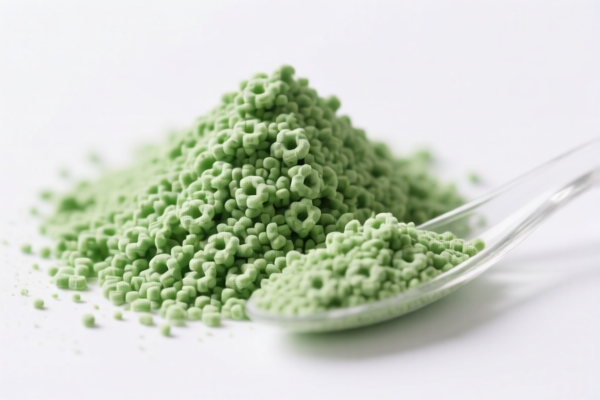
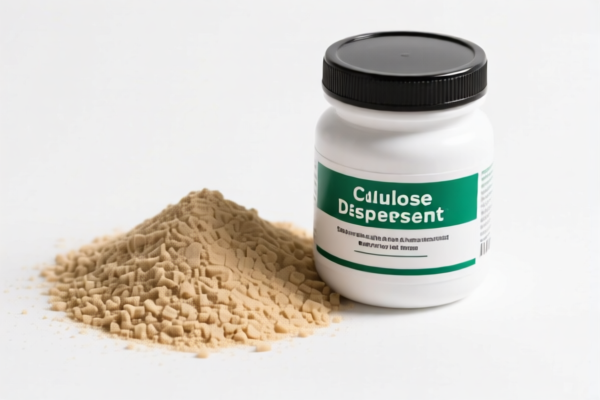
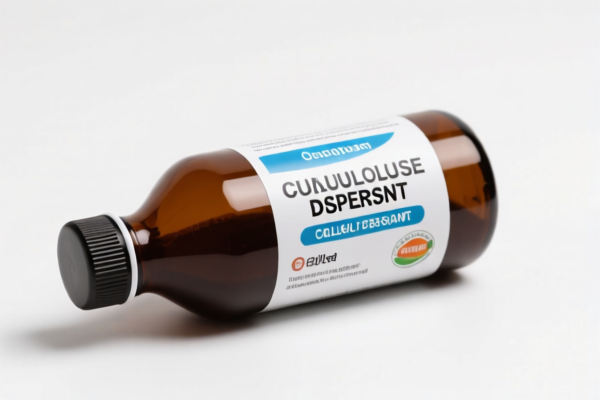
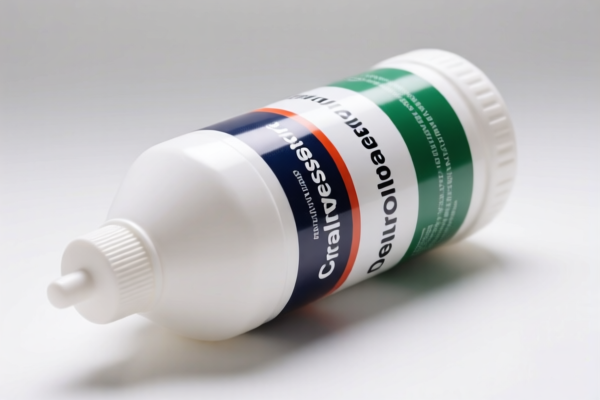
AI Analysis
🧪 Polysulfide Elastomer Dispersant
🌐 HS Code Reference & Customs Clearance Guide | 2026 Latest Tariff Analysis | Professional Entry Strategy
📌 I. Product Definition & Classification: What Exactly is a "Polysulfide Elastomer Dispersant"?
Polysulfide Elastomers are a type of synthetic rubber characterized by sulfur-sulfur bonds in their polymer chain. They are renowned for their exceptional resistance to fuels, oils, solvents, and weathering. Commonly used in aerospace sealants, construction joint sealants, and industrial coatings.
In international trade, the classification hinges on two key factors:
1. Material Nature: Is it a base elastomer (rubber) or a derived plastic/resin?
2. Form: Is it a raw polymer, a compound, or a prepared dispersant?
⚠️ Key Classification Distinction:
- If it is a raw synthetic rubber (base polymer) → Chapter 40 (Rubber)
- If it is a prepared plastic/resin or polymer derivative not fitting specific rubber chapters → Chapter 39 (Plastics/Polymers)
- If it is a mixed preparation or finished article with specific functions → Chapter 39 or 3926
📦 II. HS Code Classification Details (2026 Latest Tariff Authoritative Comparison)
| HS Code | Product Description | Application Scenario | Key Classification Logic |
|---|---|---|---|
4002.99.00.00 |
Other Synthetic Rubber | Raw Polysulfide Elastomer (Base Polymer) | Fits "Other Synthetic Rubber"; explicitly categorized as synthetic rubber. |
4002.80.00.00 |
Synthetic Rubber from Oils | Polysulfide Elastomer derived from petroleum/oil sources | Fits Chapter 40; specifically for oil-based synthetic rubbers. |
3911.90.10.00 |
Prepared Resins/Polymers | Polysulfide Elastomer as a specific polymer derivative | Material (Polysulfide) and Form (Elastomer) match target code exactly. |
3911.10.00.00 |
Other Polysulfides | Pure Polysulfide Resins/Compounds | "Polysulfide" material matches classification explanation exactly. |
3926.90.99.89 |
Other Plastic Articles | Polysulfide used in broader plastic/polymer contexts | Polysulfide falls under "Plastics/Polymers"; no material conflict. |
🔍 Critical Reminder:
- Synthetic Rubber (Ch. 40): Generally applies to raw or basic polymer forms of elastomers.
- Prepared Resins/Polymers (Ch. 39): Applies if the material is a specific prepared derivative or does not fit standard rubber definitions.
- Miscellaneous Plastic Articles (Ch. 3926): A residual category if it’s a finished plastic item or compound not covered elsewhere.
💰 III. 2026 Latest Tariff Rate Breakdown (Including Surcharges & Policy Add-ons)
✅ Applicable Country: United States (US)
✅ Origin: China (CN)
✅ Effective Date: From November 10, 2025 (and subsequent imports)
🎯 1. 4002.99.00.00 —— Other Synthetic Rubber
| Item | Content |
|---|---|
| Base Duty | 0.0% |
| USITC Surcharge (Section 301) | +25.0% |
| IEEPA Surcharge | +10.0% |
| Total Duty Rate | 35.0% |
| Tax Calculation | CIF Value × 35% |
| De Minimis Exemption | ❌ Not Eligible (deny_de_minimis) |
| Legal Basis Path | USITC:4002.99.00.00 → FOOTNOTE:9903.88.01 → IEEPA:9903.01.24 |
📌 Explanation:
- "USITC Surcharge 25%" is imposed under U.S. Trade Law Section 301.
- "IEEPA 10%" is an additional surcharge under the International Emergency Economic Powers Act targeting Chinese products.
- Total 35% is a high tariff, requiring advance cost planning.
🎯 2. 4002.80.00.00 —— Synthetic Rubber from Oils
| Item | Content |
|---|---|
| Base Duty | 0.0% |
| USITC Surcharge (Section 301) | +25.0% |
| IEEPA Surcharge | +10.0% |
| Total Duty Rate | 35.0% |
| Tax Calculation | CIF Value × 35% |
| De Minimis Exemption | ❌ Not Eligible |
| Legal Basis Path | USITC:4002.80.00.00 → FOOTNOTE:9903.88.01 → IEEPA:9903.01.24 |
📌 Note:
- Identical tariff structure to4002.99.00.00.
- Applies specifically if the polysulfide elastomer is derived from oil-based sources.
- Even if marketed as "dispersant," if the primary component is oil-based synthetic rubber, this code applies.
🎯 3. 3911.90.10.00 —— Prepared Resins/Polymers
| Item | Content |
|---|---|
| Base Duty | 0.0% |
| USITC Surcharge (Section 301) | +25.0% |
| IEEPA Surcharge | +10.0% |
| Total Duty Rate | 35.0% |
| Tax Calculation | CIF Value × 35% |
| De Minimis Exemption | ❌ Not Eligible |
| Legal Basis Path | USITC:3911.90.10.00 → FOOTNOTE:9903.88.01 → IEEPA:9903.01.24 |
📌 Explanation:
- Applies when the polysulfide elastomer is classified as a specific prepared polymer/resin.
- Material and form match the code description exactly.
- Total 35% remains high.
🎯 4. 3911.10.00.00 —— Other Polysulfides
| Item | Content |
|---|---|
| Base Duty | 6.1% |
| USITC Surcharge (Section 301) | +25.0% |
| IEEPA Surcharge | +10.0% |
| Total Duty Rate | 41.1% |
| Tax Calculation | CIF Value × 41.1% |
| De Minimis Exemption | ❌ Not Eligible |
| Legal Basis Path | USITC:3911.10.00.00 → FOOTNOTE:9903.88.01 → IEEPA:9903.01.24 |
📌 Warning:
- This code has a higher base rate (6.1%) compared to others (0%).
- Total 41.1% is the highest tariff among the options.
- Use only if the product strictly fits "Polysulfides" in Chapter 39 and does not qualify for Chapter 40 or other 3911 subheadings.
🎯 5. 3926.90.99.89 —— Other Plastic Articles
| Item | Content |
|---|---|
| Base Duty | 5.3% |
| USITC Surcharge (Section 301) | +7.5% |
| IEEPA Surcharge | +10.0% |
| Total Duty Rate | 22.8% |
| Tax Calculation | CIF Value × 22.8% |
| De Minimis Exemption | ❌ Not Eligible |
| Legal Basis Path | USITC:3926.90.99.89 → FOOTNOTE:9903.88.01 → IEEPA:9903.01.24 |
📌 Opportunity:
- This is the lowest total duty rate (22.8%) among all codes.
- Applies if the polysulfide elastomer dispersant is considered a "plastic/polymer" article with no specific conflict.
- However, classification must be justified carefully. If it’s a raw rubber, Ch. 40 is more accurate, leading to 35%.
- Use this code only if the product is a finished plastic item or a polymer compound that fits "Miscellaneous Plastic Articles."
🛠️ IV. Customs Clearance Practical Advice (Combat Pitfall Guide)
✅ 1. Required Documentation Checklist (All Mandatory)
| Document | Must Provide | Description |
|---|---|---|
| ✅ Product Specification Sheet | ✔️ | Include chemical composition, molecular weight, physical form, and intended use. |
| ✅ MSDS (Material Safety Data Sheet) | ✔️ | Critical for chemical products; confirms hazard class and composition. |
| ✅ Structure Diagram/Formula | ✔️ | Proves whether it’s a raw polymer (Ch. 40) or a prepared resin (Ch. 39). |
| ✅ Product Photos (Label/Container) | ✔️ | Clear view of brand, model, and chemical name. |
| ✅ Commercial Invoice | ✔️ | Clearly state "Polysulfide Elastomer Dispersant" or specific chemical name. |
| ✅ Certificate of Origin (CO) | ✔️ | If non-Chinese origin, may qualify for exemptions. |
| ✅ Packing List | ✔️ | Detail net/gross weight, package type. |
✅ 2. Declaration Tips (Key Mnemonics)
🔥 “Raw Rubber Ch.40, Prepared Resin Ch.39, Finish Article Ch.3926, Base Rate Matters!”
| Scenario | Correct Declaration | Wrong Practice |
|---|---|---|
| Raw Polysulfide Rubber | 4002.99.00.00 or 4002.80.00.00 |
Misdeclare as plastic → Risk of reclassification & penalties. |
| Prepared Polymer/Resin | 3911.90.10.00 |
Overcomplicate with Ch. 40 → 35% tax. |
| Finished Plastic Item | 3926.90.99.89 |
Misdeclare as raw rubber → 35% vs 22.8%. |
| Pure Polysulfide Compound | 3911.10.00.00 |
Avoid unless strictly necessary → 41.1% (Highest!). |
✅ 3. Special Case Handling
| Scenario | Handling Advice |
|---|---|
| OEM/Custom Formulation | Provide formulation details to justify Ch. 39 vs Ch. 40. |
| Blend with Fillers | If fillers dominate, may shift to Ch. 39. Provide proof. |
| Export to Vietnam/Mexico/Thailand | Apply for IEEPA Exemption if re-exported after substantial transformation. Tax drops to 0-5%. |
| Pre-Ruling Application | Strongly recommend applying for Advance Ruling to lock in HS Code and tariff rate. |
🌍 V. Global Market Customs Clearance Comparison (2026 Latest)
| Country/Region | Recommended HS Code | Tariff (China Origin) | Certification Requirements | Notes |
|---|---|---|---|---|
| 🇺🇸 USA | 4002.99.00.00 / 3926.90.99.89 |
35% (Ch.40) / 22.8% (Ch.39) | None specific for rubber/plastic | High surcharges due to Section 301 + IEEPA. |
| 🇨🇳 China | 4002.99.00.00 |
5-8% | No special certs | No additional surcharges. |
| 🇪🇺 EU | 4002.99.00 / 3911.90 |
0-6.5% (depending on code) | REACH Registration | No US-style surcharges. |
| 🇦🇺 Australia | 4002.99.00 |
5% | No special certs | Low tariff. |
| 🇯🇵 Japan | 4002.99.00 |
0-5% | No special certs | Low tariff. |
📌 Conclusion:
- USA has the highest clearance cost due to layered surcharges (35% or 41.1%).
- EU, Australia, and Japan offer significantly lower tariffs.
- If the product is destined for the US, strategic sourcing or re-export from third countries may be necessary to mitigate costs.
📌 VI. Common Errors & Pitfall Guide (Lessons Learned)
❌ Error 1: Misclassifying raw rubber as "Plastic Articles" (3926) without justification
👉 Consequence: Customs may reject the classification, leading to delays, audits, and potential back taxes at 35%.
❌ Error 2: Ignoring IEEPA Surcharge
👉 Consequence: Underestimating total duty by 10% → Cash flow crisis!
❌ Error 3: Using vague names like "Rubber Dispenser"
👉 Consequence: Customs unclear on material → Hold for inspection.
❌ Error 4: Failing to provide MSDS
👉 Consequence: Borderline chemical product → Detained for safety review.
✅ Correct Approach:
"Polysulfide Elastomer, Synthetic Rubber Base, for Sealant Application, CAS No. XXX-XXX-X, MSDS Attached, Origin: China"
🎯 VII. Conclusion: Professional Declaration, Save Time & Money!
🎯 Remember These Mantras:
🔹 "Raw Rubber Ch.40 (35%), Prepared Ch.39 (22.8-41.1%), Finish Article Ch.3926 (22.8%)."
🔹 "IEEPA 10% is unavoidable for China Origin – Plan Ahead!"
🔹 "HS Code determines your cost – A 12% difference between Ch.40 and Ch.3926!"
📌 Pro Tip:
If your polysulfide elastomer dispersant is re-exported from Vietnam, Mexico, or Thailand after substantial transformation, you can apply for an IEEPA Exemption, reducing the tariff to 0-5%.
We strongly recommend applying for an Advance Ruling (Ruling Letter) before shipment to ensure correct classification and avoid unexpected costs.
📣 Take Action Now:
📞 Contact a professional customs broker + Provide MSDS + Apply for HS Code Advance Ruling
🚀 Ensure your Polysulfide Elastomer Dispersant clears customs smoothly, efficiently, and profitably!
✨ Professional Customs Clearance Starts with Accurate Classification!
💼 Every cent of your cost deserves precise calculation!
Customer Reviews
About HS Code Classification
The Harmonized System (HS) is an internationally standardized nomenclature developed by the World Customs Organization (WCO) to classify traded products. Over 200 countries use the HS system as the basis for customs tariffs, trade statistics, and import/export regulations.
Each HS code follows a hierarchical structure:
- Chapter (2 digits) — Broad category of goods (e.g., Chapter 84: Machinery and Mechanical Appliances)
- Heading (4 digits) — More specific grouping within the chapter
- Subheading (6 digits) — Internationally standardized breakdown, used by all WCO member countries
- National subdivisions (8-10 digits) — Country-specific extensions for further classification, such as US HTSUS 10-digit codes
Correct HS code classification is essential for smooth customs clearance, accurate duty payment, and compliance with trade regulations. Misclassification can lead to customs delays, overpayment of duties, or penalties.
When importing from CN to US, the applicable tariff rates may include:
- Most-Favored-Nation (MFN) rate — The standard duty rate applied to WTO members
- General rate — Applied to countries without trade agreements
- Trade remedy duties — Additional tariffs such as Section 301 (anti-dumping), Section 232 (national security), or countervailing duties
The information provided on this page is for reference purposes only. For official classification, please consult with your local customs authority or a licensed customs broker.