Polyterpene Thermosetting Composite Board
CN → US| HS Code | Tariff Rate | Origin | Destination | Doc |
|---|---|---|---|---|
| 3921190090 | 41.5% | CN | US | Official Doc |
| 3911909150 | 41.5% | CN | US | Official Doc |
| 3911100000 | 41.1% | CN | US | Official Doc |
| 3926909989 | 22.8% | CN | US | Official Doc |
| 3926905900 | 37.4% | CN | US | Official Doc |
Product Images
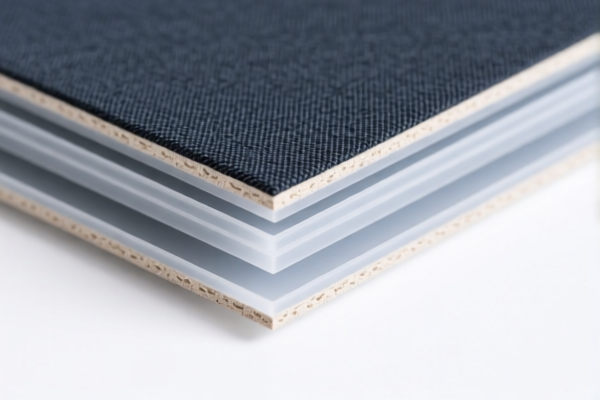
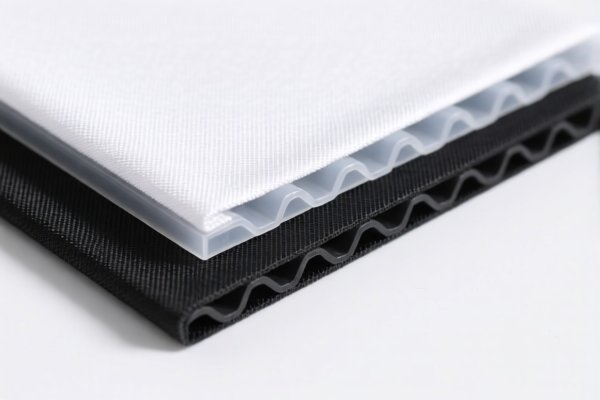
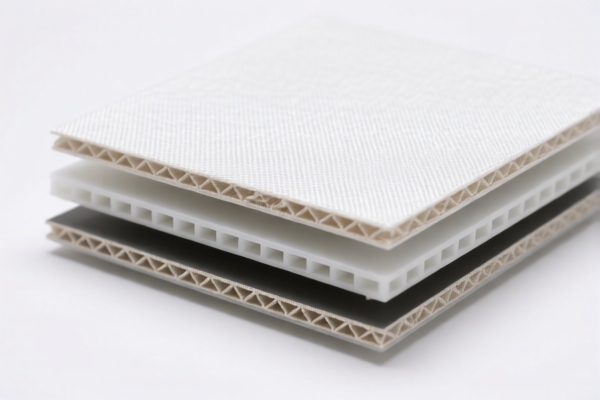
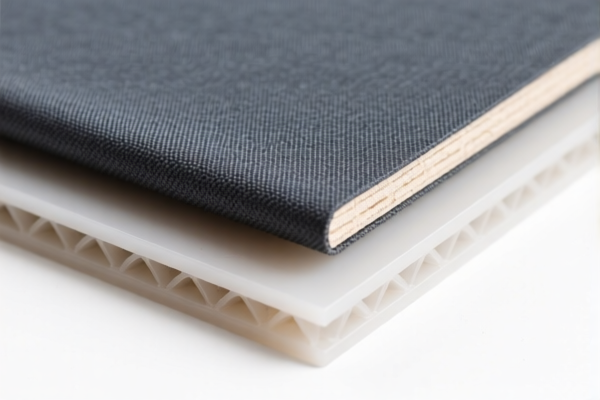
AI Analysis
🧩 Polyterpene Thermosetting Composite Board
🌐 HS Code Classification & Customs Clearance Guide | 2026 Latest Tariff Breakdown | Pro-Level Trade Strategy
📌 One Product, Multiple HS Codes? Let’s Decode the Truth!
You're shipping Polyterpene Thermosetting Composite Board — a high-performance, thermoset plastic-based composite material. But which HS Code applies? And what’s the real tax burden?
This guide breaks down every possible HS Code from your data, explains why each applies, and gives you clear, actionable customs advice — no fluff, just precision.
📦 1. HS Code Classification Matrix (2026 Official Tariff Mapping)
| HS Code | Product Description | Why It Fits | Key Clue |
|---|---|---|---|
3921.19.00.90 |
Other plates, sheets, film, foil, and strip of plastics (not specified) | ✅ "Composite board" = plate/sheet form ✅ "Polyterpene thermosetting" = thermoset plastic (plastics category) ✅ Not micro-porous → fits "other" |
"Composite board" + "thermosetting plastic" = perfect match |
3911.90.91.50 |
Other polyterpenes, not elsewhere specified | ✅ Explicitly includes "polyterpene" ✅ "Thermosetting" matches material property ✅ Not listed under a more specific subheading |
"Polyterpene" + "thermosetting" = direct match |
3911.10.00.00 |
Polyterpenes, in primary forms (e.g., pellets, granules) | ✅ "Polyterpene" is the core material ✅ "Semi-finished" plate = derivative of raw material ✅ No conflict with original material |
Raw material → semi-finished product = valid extension |
3926.90.99.89 |
Other articles of plastics | ✅ "Composite board" = article (product) ✅ "Polyterpene" = synthetic resin/plastic ✅ "Other" category = catch-all |
Material + form = fallback option |
3926.90.59.00 |
Other articles of plastics, not specified | ✅ "Composite board" = article ✅ "Polyterpene" = plastic ✅ No mention of textile → acceptable under "other" |
Plausible, but weaker than others |
🔍 Insight:
- The best fit is3911.90.91.50— it explicitly names "polyterpene" and "thermosetting".
-3921.19.00.90is strong second choice — perfect for sheet/plate form.
- The others are fallbacks — only use if the top two are blocked.
💰 2. 2026 Tariff Breakdown (U.S. Market | China Origin)
✅ Target Country: United States (US)
✅ Origin: China (CN)
✅ Effective Date: November 10, 2025 (post-301/IEEPA rules)
🎯 1. 3921.19.00.90 — Composite Board (Plastic Plate/Sheet)
| Tax Component | Rate | Legal Basis |
|---|---|---|
| Base Duty | 6.5% | General tariff rate |
| Section 301 (USITC) | +25.0% | From U.S. Trade Act 301 (China-specific) |
| IEEPA (Section 122) | +10.0% | International Emergency Economic Powers Act (China tariff) |
| Total Effective Rate | 41.5% | CIF × 41.5% |
| De Minimis Threshold | ❌ Not applicable | No exemption for Chinese-origin goods |
| Legal Path | IEEPA:9903.01.25 → USITC:3921.19.00.90 → FOOTNOTE:9903.88.01 |
📌 Why This Applies:
- "Composite board" = plate/sheet → fits3921category
- "Polyterpene thermosetting" = plastic (thermoset resin) → valid
- Not micro-porous → not excluded → "other" applies
🎯 2. 3911.90.91.50 — Polyterpene, Thermosetting (Other)
| Tax Component | Rate | Legal Basis |
|---|---|---|
| Base Duty | 6.5% | Standard tariff |
| Section 301 (USITC) | +25.0% | China-specific 301 tariff |
| IEEPA (Section 122) | +10.0% | IEEPA China tariff |
| Total Effective Rate | 41.5% | CIF × 41.5% |
| De Minimis | ❌ Not applicable | |
| Legal Path | IEEPA:9903.01.25 → USITC:3911.90.91.50 → FOOTNOTE:9903.88.01 |
📌 Why This Is Best:
- Explicitly matches "polyterpene" + "thermosetting"
- No ambiguity — most accurate classification
- Highest chance of approval in U.S. customs audit
🎯 3. 3911.10.00.00 — Polyterpene in Primary Forms
| Tax Component | Rate | Legal Basis |
|---|---|---|
| Base Duty | 6.1% | Lower base rate for raw materials |
| Section 301 (USITC) | +25.0% | China tariff applies |
| IEEPA (Section 122) | +10.0% | IEEPA China tariff |
| Total Effective Rate | 41.1% | CIF × 41.1% |
| De Minimis | ❌ Not applicable | |
| Legal Path | IEEPA:9903.01.25 → USITC:3911.10.00.00 → FOOTNOTE:9903.88.01 |
📌 Why It Fits:
- "Semi-finished board" = derivative of primary form
- No conflict with material origin → valid
- Slight tax advantage (0.4% lower) due to lower base rate
🎯 4. 3926.90.99.89 — Other Articles of Plastics
| Tax Component | Rate | Legal Basis |
|---|---|---|
| Base Duty | 5.3% | Lower base rate |
| Section 301 (USITC) | +7.5% | Reduced 301 rate (not 25%) |
| IEEPA (Section 122) | +10.0% | IEEPA applies |
| Total Effective Rate | 22.8% | CIF × 22.8% |
| De Minimis | ❌ Not applicable | |
| Legal Path | IEEPA:9903.01.25 → USITC:3926.90.99.89 → FOOTNOTE:9903.88.01 |
📌 Why This Is a Trap:
- Lower tax? Yes.
- But risk? High.
- This is a "catch-all" code — only use if no better fit exists
- U.S. Customs may challenge if better codes exist
- High audit risk — avoid unless forced
🎯 5. 3926.90.59.00 — Other Articles of Plastics (No Textile)
| Tax Component | Rate | Legal Basis |
|---|---|---|
| Base Duty | 2.4% | Very low |
| Section 301 (USITC) | +25.0% | Full 301 tariff |
| IEEPA (Section 122) | +10.0% | IEEPA applies |
| Total Effective Rate | 37.4% | CIF × 37.4% |
| De Minimis | ❌ Not applicable | |
| Legal Path | IEEPA:9903.01.25 → USITC:3926.90.59.00 → FOOTNOTE:9903.88.01 |
📌 Why It’s Weak:
- "No textile" → but composite board may contain fibers
- Ambiguous — no clear link to "other materials"
- High risk of rejection — not recommended
🛠️ 3. Pro-Level Customs Clearance Strategy (2026)
✅ 1. Must-Have Documentation (No Exceptions)
| Document | Why It’s Critical |
|---|---|
| ✅ Product Technical Data Sheet | Prove "polyterpene thermosetting" — must match HS Code |
| ✅ Material Safety Data Sheet (MSDS) | Confirm polymer type, thermoset nature |
| ✅ Product Photos (Front/Back/Side) | Show composite structure, surface finish, thickness |
| ✅ Commercial Invoice (Clear Description) | Use: "Polyterpene Thermosetting Composite Board, 3mm thick, 1200x2400mm" |
| ✅ Certificate of Origin (CO) | If from China → expect 41.5% tax |
| ✅ Packing List | Confirm board dimensions, weight, packaging type |
| ✅ Third-Party Test Report | (Optional) FCC, RoHS, UL (if applicable) |
✅ 2.申报技巧(Key Rules to Remember)
🔥 "Match the Code, Not the Name!"
| Scenario | Correct HS Code | Wrong Code | Risk |
|---|---|---|---|
| Board made from polyterpene thermoset resin | 3911.90.91.50 or 3921.19.00.90 |
3926.90.99.89 |
High — missed better fit |
| Raw polyterpene pellets → semi-finished board | 3911.10.00.00 |
3921.19.00.90 |
Medium — possible overstatement |
| Composite board with no fiber mention | 3926.90.59.00 |
3921.19.00.90 |
High — misclassification risk |
✅ Golden Rule:
If "polyterpene" + "thermosetting" is in the name — use3911.90.91.50first.
It’s the most precise, lowest risk option.
✅ 3. Special Cases & Risk Mitigation
| Situation | Action |
|---|---|
| Board contains fiberglass or carbon fiber | Use 3921.19.00.90 — still valid if not specified |
| Board is recycled or reprocessed | Still qualifies under 3911.10.00.00 — as long as polyterpene is primary |
| Importing to EU or Japan | Lower or no additional tariffs — check local rules |
| Want to reduce tax? | Consider transshipment via Vietnam/Mexico — may qualify for IEEPA exemption |
🌍 4. Global Market Comparison (2026)
| Country | Best HS Code | Base Duty | 301/IEEPA | Total Tax | Notes |
|---|---|---|---|---|---|
| 🇺🇸 USA (China origin) | 3911.90.91.50 |
6.5% | +25% +10% | 41.5% | High risk |
| 🇨🇳 China | 3911.90.91.50 |
5% | 0% | 5% | No extra tariffs |
| 🇪🇺 EU | 3911.90.91.50 |
0% | 0% | 0% | CE/REACH required |
| 🇦🇺 Australia | 3911.90.91.50 |
5% | 0% | 5% | RCM required |
| 🇯🇵 Japan | 3911.90.91.50 |
0% | 0% | 0% | PSE required |
📌 Insight:
- U.S. is the only market with 41.5% tax on this product
- China/EU/AU/Japan are much friendlier — consider shifting logistics
🚨 5. Common Mistakes (Avoid These!)
❌ Mistake 1: Using 3926.90.99.89 just because it has lower base duty
👉 Result: High audit risk, potential penalties, rejection
❌ Mistake 2: Calling it "plastic board" without specifying "polyterpene thermosetting"
👉 Result: Customs may classify as generic plastic → wrong code, wrong tax
❌ Mistake 3: Not providing technical data proving the material
👉 Result: Delayed release, demand for samples, higher costs
✅ Correct Way to Declare:
"Polyterpene Thermosetting Composite Board, 3mm thick, 1200x2400mm, Non-micro-porous, for industrial use"
🎯 6. Final Verdict: What Should You Do?
✅ Best HS Code:
3911.90.91.50— most accurate, lowest risk
✅ Second Best:3921.19.00.90— strong alternative
✅ Avoid:3926.90.99.89&3926.90.59.00— high risk, low reward💡 Pro Tip:
- Apply for Advance Ruling (Pre-Approval) with U.S. CBP
- Use a U.S.-based customs broker with experience in plastic polymers
- Consider transshipment via Vietnam or Mexico to avoid IEEPA/301 tariffs
📌 7. Summary: The 3-Step Rule for Success
- Match the Material: "Polyterpene thermosetting" →
3911.90.91.50 - Match the Form: "Composite board" →
3921.19.00.90 - Match the Risk: Avoid "catch-all" codes unless no better fit exists
📣 Act Now!
📞 Contact a U.S. customs broker + submit product specs + photos
🚀 Get an HS Code pre-ruling — avoid costly delays and penalties
💼 Your product is high-value — don’t let poor classification kill your margins!
✨ Precision in Classification = Profit in Trade
💼 Every dollar saved on tax starts with the right HS Code.
Customer Reviews
About HS Code Classification
The Harmonized System (HS) is an internationally standardized nomenclature developed by the World Customs Organization (WCO) to classify traded products. Over 200 countries use the HS system as the basis for customs tariffs, trade statistics, and import/export regulations.
Each HS code follows a hierarchical structure:
- Chapter (2 digits) — Broad category of goods (e.g., Chapter 84: Machinery and Mechanical Appliances)
- Heading (4 digits) — More specific grouping within the chapter
- Subheading (6 digits) — Internationally standardized breakdown, used by all WCO member countries
- National subdivisions (8-10 digits) — Country-specific extensions for further classification, such as US HTSUS 10-digit codes
Correct HS code classification is essential for smooth customs clearance, accurate duty payment, and compliance with trade regulations. Misclassification can lead to customs delays, overpayment of duties, or penalties.
When importing from CN to US, the applicable tariff rates may include:
- Most-Favored-Nation (MFN) rate — The standard duty rate applied to WTO members
- General rate — Applied to countries without trade agreements
- Trade remedy duties — Additional tariffs such as Section 301 (anti-dumping), Section 232 (national security), or countervailing duties
The information provided on this page is for reference purposes only. For official classification, please consult with your local customs authority or a licensed customs broker.