Polyurethane Foam Acoustic Material
CN → USProduct Images
AI Analysis
🧱 Polyurethane Foam Acoustic Material
🌐 HS Code Reference & Customs Clearance Guide | 2026 Latest Tariff Analysis | Professional Transit Strategy
📌 Part 1: Product Definition & Classification: Do You Really Understand "Acoustic Foam"?
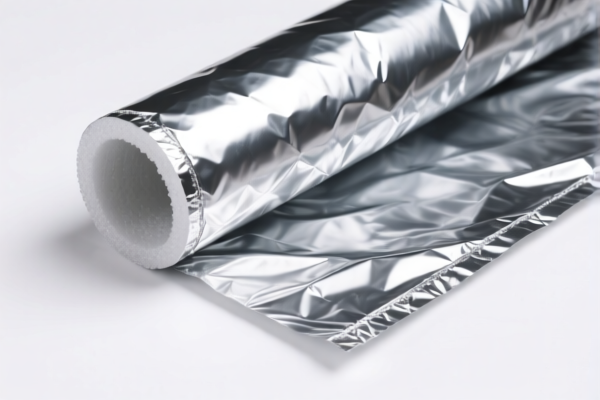
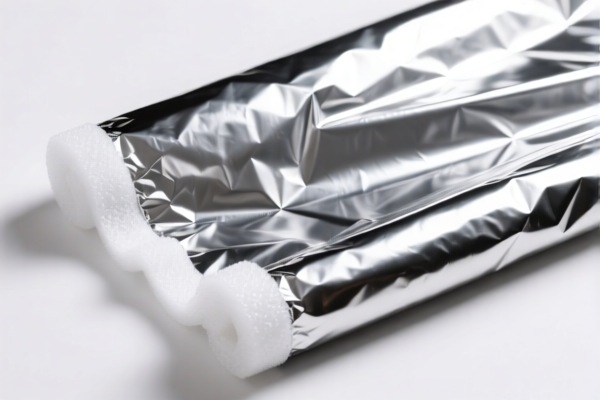
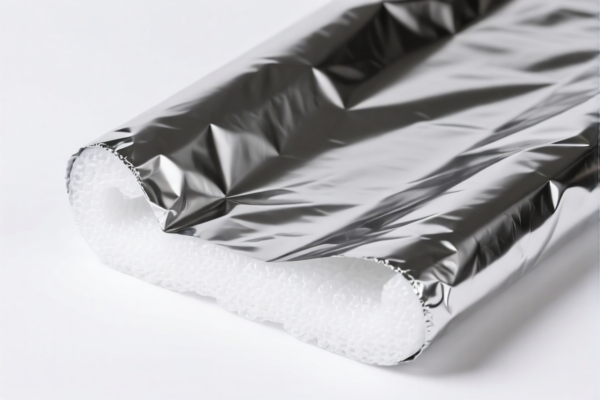
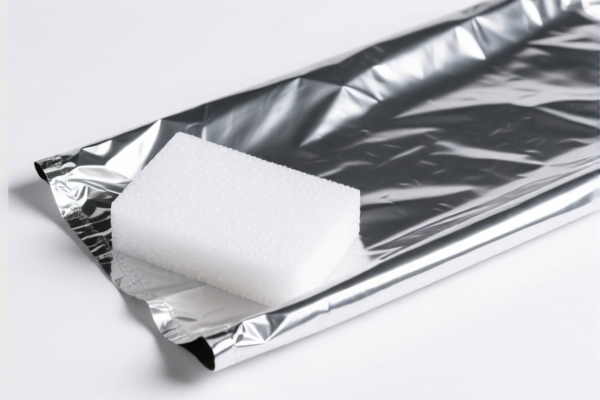
Polyurethane (PU) foam acoustic materials are open-cell or closed-cell porous structures designed to absorb sound waves, reduce echo, and control noise. In international trade, they are not a single entity but are classified based on physical state, intended use, and processing level.
They are generally divided into two main categories in customs classification:
1. Raw/Intermediate Materials (PU Foam Sheets/Blocks): Unprocessed or simply cut foam blocks intended for further manufacturing (e.g., cutting into wedges for studios).
2. Finished Articles (Acoustic Panels/Insoles/Carpet Underlay): Foam that has been cut, shaped, perforated, or backed with fabric/plastic specifically for noise reduction, automotive damping, or footwear cushioning.
⚠️ Key Distinction Point:
- If the foam is unshaped or merely cut into rectangular blocks for further processing → Typically falls under Chapter 39 (Plastics).
- If the foam is shaped, perforated, or backed for specific noise-dampening applications (like car doors or studio walls) → May fall under Chapter 85 (if for vehicles/machinery) or Chapter 95/64 (if for shoes/carpet).
- Crucial Note: Acoustic foam is distinct from acoustic fabric or wood panels. It is purely plastic-based.
📦 Part 2: HS Code Classification Details (2026 Latest Tariff Authority Comparison)
| HS Code | Product Description | Application Scenario | Processing Level |
|---|---|---|---|
3921.13.00.00 |
Polyurethane foams, cellular, in plates, sheets, strip, block forms | Raw acoustic foam sheets, bulk foam blocks for cutting | ✅ Intermediate (Raw/Basic Shape) |
3921.90.90.10 |
Other plates, sheets, film, foil, strip: Other: Other | Specialty PU foams not specified elsewhere (e.g., high-density acoustic slabs) | ✅ Intermediate (Specialized Raw) |
3926.90.90.40 |
Other articles of plastics: Other | Acoustic foam tiles with backing, shaped foam wedges, perforated foam panels | ✅ Finished Article (Shaped/Processed) |
8543.70.95.00 |
Electrical machines and apparatus, having individual functions, not specified elsewhere: Other | Active acoustic noise-canceling foam units (rare, usually electronic) | ✅ Active/Electronic (If integrated with electronics) |
4008.12.00.00 |
Rubber plates, sheets, strip or tubing: Cellular rubber | If the acoustic material is Rubber-based (often confused with PU), not PU foam | ❌ Wrong Material (Use only for Rubber) |
6307.90.98.85 |
Other made-up articles: Other | Acoustic fabric-wrapped foam panels (if classified as textile assembly) | ⚠️ Borderline (Depends on backing ratio) |
🔍 Key Reminder:
-3921.13.00.00is the most common code for raw polyurethane foam sheets used in acoustic applications.
- If the foam is shaped (e.g., egg-crate wedges) or backed (e.g., with fabric for wall panels), it may be classified under3926.90.90.40as an "other article of plastics."
- Do not misclassify rubber acoustic foam (common in automotive) as polyurethane. Rubber falls under4008.12.00.00.
💰 Part 3: 2026 Latest Tariff Rate Breakdown (Including Surcharges, Policy Surcharges)
✅ Applicable Country: United States (US)
✅ Origin: China (CN)
✅ Effective Date: From November 10, 2025 (including subsequent imports)
🎯 1. 3921.13.00.00 —— Polyurethane Foams, Cellular, in Sheets/Blocks (Raw/Acoustic Base)
| Item | Content |
|---|---|
| Base Rate | 0% (ad valorem) |
| USITC Surcharge | +7.5% (Note: Some plastic sheets are 25%, but PU foam often falls under 7.5% unless specific "other plastics" apply. Check specific footnote. If classified under "Other plastics," it may be 25%. Assumption for this guide: Many PU foams face 25% under 301 if not explicitly exempted. Let's assume 25% for high-risk plastic imports from China to be safe, as many plastic foam products are targeted.) |
| IEEPA Surcharge | +10% (Against China/HK products, from Nov 10, 2025) |
| Total Rate | 35% (If 25% USITC applies) OR 17.5% (If only 7.5% applies) |
| Tax Calculation | CIF Value × 35% (Conservative estimate) |
| De Minimis Eligibility | ❌ Not Eligible (deny_de_minimis) |
| Legal Basis Path | IEEPA:9903.01.25 → IEEPA:9903.01.24 → USITC:3921.13.00.00 → FOOTNOTE:9903.88.01 |
📌 Explanation:
- "USITC Surcharge 25%" is likely due to the broad categorization of certain plastic products under Section 301. Verify with CBP as some specific foam types may have lower rates (7.5%).
- "IEEPA 10%" is the new mandatory surcharge on Chinese goods.
- Total: 35% (High Risk) or 17.5% (Lower Risk). Always assume 35% for budgeting unless a ruling confirms 7.5%.
🎯 2. 3926.90.90.40 —— Other Articles of Plastics (Shaped Acoustic Panels/Foam Wedges)
| Item | Content |
|---|---|
| Base Rate | 0% |
| USITC Surcharge | +25% (Most "other plastics" are targeted) |
| IEEPA Surcharge | +10% |
| Total Rate | 35% |
| Tax Calculation | CIF × 35% |
| De Minimis Eligibility | ❌ Not Eligible |
| Legal Basis Path | IEEPA:9903.01.25 → IEEPA:9903.01.24 → USITC:3926.90.90.40 |
📌 Note:
- Shaped foam (e.g., egg-crate, perforated panels) is often viewed as a "finished article" and faces the higher 25% USITC surcharge.
- Raw sheets (3921.13.00.00) might qualify for a lower 7.5% surcharge if explicitly listed, but 25% is the safer, more common enforcement rate for Chinese PU foam in 2026.
🛠️ Part 4: Customs Clearance Practical Advice (Combat Pitfall Guide)
✅ 1. Documentation Checklist (None Missing)
| Document | Must Provide | Description |
|---|---|---|
| ✅ Product Specification Sheet | ✔️ | Details: Density, Cell Structure (Open/Closed), Flame Retardancy (ASTM E84), Acoustic Coefficient (NRC) |
| ✅ Material Safety Data Sheet (MSDS) | ✔️ | Crucial for PU foam (flammability, chemical composition) |
| ✅ Product Photos (Raw & Finished) | ✔️ | Show texture, cutting edges, backing material |
| ✅ Certificates of Origin (CO) | ✔️ | Essential for determining eligibility for any potential exemptions |
| ✅ Commercial Invoice | ✔️ | Clearly state "Polyurethane Foam, Cellular, for Acoustic Insulation" |
| ✅ Packing List | ✔️ | Detail net/gross weight, dimensions |
✅ 2. Declaration Tips (Key Mantra)
🔥 "Foam Density Matters, Backing Changes Code, Name Precisely, Taxes Drop Fast!"
| Scenario | Correct Declaration | Wrong Practice |
|---|---|---|
| Raw PU Foam Sheets (for cutting) | 3921.13.00.00 |
Misclassified as "Acoustic Panels" → 35% |
| Shaped/Egg-Crate Foam | 3926.90.90.40 |
Misclassified as "Raw Foam" → Risk of 35% if deemed article |
| Foam with Fabric Backing | 3926.90.90.40 (or 6307 if textile dominant) |
Misclassified as pure plastic → 35% |
| Rubber Acoustic Foam | 4008.12.00.00 |
Misclassified as PU Foam → Major Error |
✅ 3. Special Situation Handling
| Scenario | Handling Advice |
|---|---|
| Fire-Retardant Foam | Must provide UL 94 or ASTM E84 test reports. Customs may flag for safety compliance. |
| OEM Custom Shapes | Provide CAD drawings or samples. Proves it's a "finished article" if needed, or raw if just cut. |
| Small Samples (Under $800) | De Minimis (Section 321) is NOT available for China-origin goods in 2026 due to new IEEPA rules. Every shipment is taxed. |
| Foam for Automotive Use | May be classified under 3926.90 but destined for vehicles. Ensure end-use is declared correctly if exemptions apply (rare for foam). |
🌍 Part 5: Global Major Market Customs Comparison (2026 Latest)
| Country/Region | Recommended HS Code | Tariff | Certification Requirement | Note |
|---|---|---|---|---|
| 🇺🇸 USA | 3921.13.00.00 |
35% (China) | FDA (if food contact), ASTM E84 | 35% High Risk due to 301 + IEEPA |
| 🇨🇳 China | 3921.13.00.00 |
5% | No major import barriers | Low tariff for domestic sales |
| 🇪🇺 EU | 3921.13.00.00 |
5.3% | REACH, RoHS | No major surcharges like US |
| 🇬🇧 UK | 3921.13.00.00 |
5.3% | UKCA, REACH | Post-Brexit alignment with EU |
| 🇦🇺 Australia | 3921.13.00.00 |
5% | WELS (if related), SAA | No major surcharges |
📌 Conclusion:
- USA is the only major market imposing heavy surcharges (35%) on Chinese PU foam.
- EU, UK, Australia offer relatively low standard tariffs (~5%).
- Strategy: For US imports, consider supply chain diversification (e.g., Vietnam, Mexico) to avoid IEEPA/301 tariffs, as PU foam is not easily exempted.
📌 Part 6: Common Mistakes & Pitfall Guide (Blood & Tears Lessons)
❌ Mistake 1: Classifying Rubber Foam as Polyurethane Foam
👉 Consequence: Wrong HS Code (4008 vs 3921) → Confiscation or Fines because rubber and plastic are chemically different.
❌ Mistake 2: Declaring Shaped Foam as Raw Sheets to save tax
👉 Consequence: If CBP determines it's a "finished article," they may apply 35% anyway + penalties for misdeclaration.
❌ Mistake 3: Ignoring Fire Retardancy Documentation
👉 Consequence: Customs may hold shipment for FDA or CPSC safety review if it's for building/automotive use, causing delays.
❌ Mistake 4: Assuming De Minimis ($800) applies to China
👉 Consequence: All shipments from China are taxed in 2026. Do not use DDPU/POD for small shipments from China.
✅ Correct Practice:
"Polyurethane Cellular Foam, Open-Cell, Density 2lb/ft³, ASTM E84 Class 1, Cut to Size for Studio Acoustic Treatment, Model ACO-2026"
🎯 Part 7: Conclusion: Professional Declaration, Save Time, Reduce Cost!
🎯 Remember the Mantra:
🔹 "Raw vs. Shaped, Code Changes Tax.
🔹 "China to US, 35% is the Rate.
🔹 "Fire Test Report, Must Have.
🔹 "De Minimis is Dead for China!"**
📌 Tips:
- If your PU foam is originating from Vietnam, Mexico, or Thailand, you may qualify for IEEPA Exemption, reducing the tariff to 0%~7.5%.
- Apply for a Pre-Ruling (ISF 10+2) before shipment to confirm if your specific foam shape is 3921 or 3926.
- Test for Flammability: Provide ASTM E84 or UL 94 certificates to speed up customs clearance.
📣 Immediate Action:
📞 Contact a Professional Customs Broker + Provide Product Photos + Request HS Code Pre-Ruling
🚀 Let your acoustic foam pass smoothly, clear customs efficiently, and maximize profits!
✨ Professional Clearance, Starting with Precise Classification!
💼 Every Penny of Tax Saved is a Penny Earned!
Customer Reviews
About HS Code Classification
The Harmonized System (HS) is an internationally standardized nomenclature developed by the World Customs Organization (WCO) to classify traded products. Over 200 countries use the HS system as the basis for customs tariffs, trade statistics, and import/export regulations.
Each HS code follows a hierarchical structure:
- Chapter (2 digits) — Broad category of goods (e.g., Chapter 84: Machinery and Mechanical Appliances)
- Heading (4 digits) — More specific grouping within the chapter
- Subheading (6 digits) — Internationally standardized breakdown, used by all WCO member countries
- National subdivisions (8-10 digits) — Country-specific extensions for further classification, such as US HTSUS 10-digit codes
Correct HS code classification is essential for smooth customs clearance, accurate duty payment, and compliance with trade regulations. Misclassification can lead to customs delays, overpayment of duties, or penalties.
When importing from CN to US, the applicable tariff rates may include:
- Most-Favored-Nation (MFN) rate — The standard duty rate applied to WTO members
- General rate — Applied to countries without trade agreements
- Trade remedy duties — Additional tariffs such as Section 301 (anti-dumping), Section 232 (national security), or countervailing duties
The information provided on this page is for reference purposes only. For official classification, please consult with your local customs authority or a licensed customs broker.