Polyurethane Textile Composite Agricultural Film
CN → US| HS Code | Tariff Rate | Origin | Destination | Doc |
|---|---|---|---|---|
| 3005901000 | 10.0% | CN | US | Official Doc |
| 3921131500 | 41.5% | CN | US | Official Doc |
| 3005905090 | 10.0% | CN | US | Official Doc |
| 5906912500 | 17.5% | CN | US | Official Doc |
| 3921131500 | 41.5% | CN | US | Official Doc |
Product Images
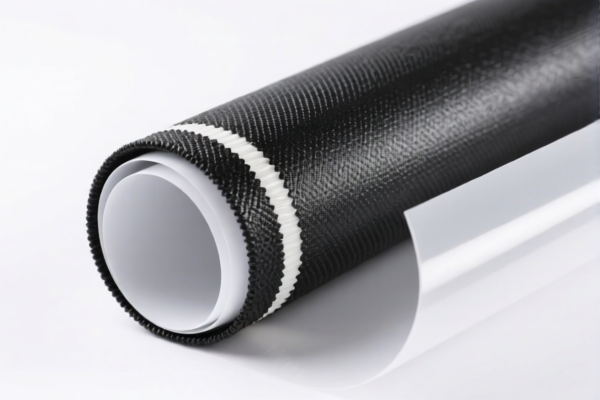
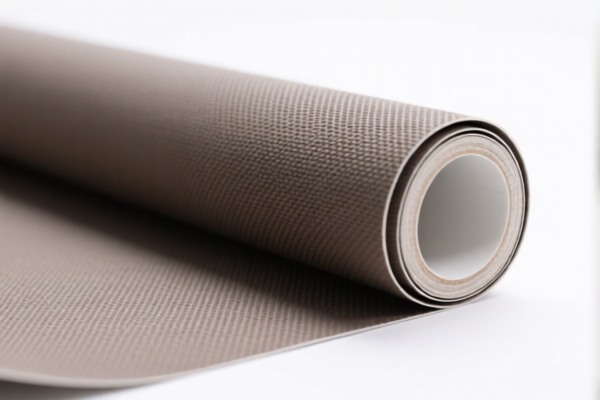
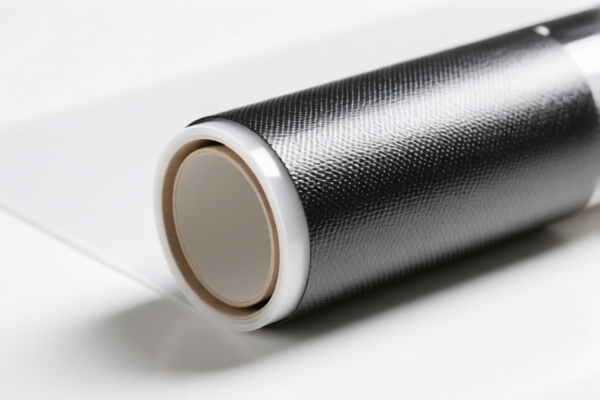
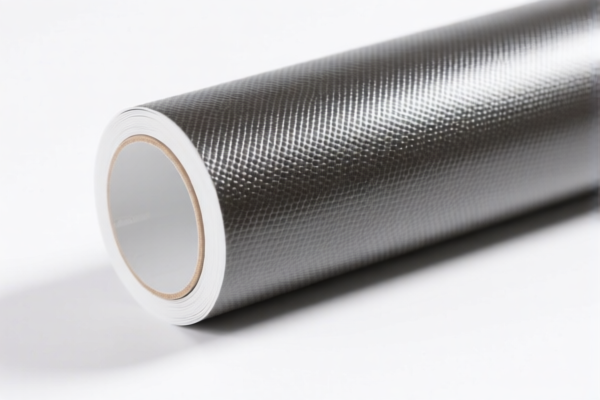
AI Analysis
🚜 Polyurethane Textile Composite Agricultural Film
🌐 HS Code Reference & Customs Clearance Guide | 2026 Latest Tariff Analysis | Professional Entry Strategy
📌 I. Product Definition & Classification: Do You Really Understand "Polyurethane Textile Composite Film"?
Polyurethane (PU) textile composite films represent a high-performance material in modern agriculture, combining the durability of textile reinforcement with the flexibility and weather resistance of polyurethane. In international trade, the classification depends entirely on the primary use and material composition structure.
The core distinction lies in whether the product is classified as a medical device component or a general-purpose textile/plastic composite.
⚠️ Key Classification Points:
- If the film is explicitly manufactured, packaged, and marketed for medical/wound care purposes (e.g., surgical drapes, medical dressings), it falls under Chapter 30.
- If the film is a general composite of plastic (PU) and textile, lacking specific medical certification or intent, it falls under Chapter 39 (Plastics) or Chapter 59 (Textile Impregnated Coated).
- Crucial Note: Even if physically similar, the declaration intent and certifications dictate the HS Code. Misclassification can lead to severe tariff penalties (e.g., jumping from 0% to 41.5%).
📦 II. HS Code Classification Details (2026 Latest Tariff Authority Comparison)
Based on the provided data, here are the specific HS Codes and their corresponding tax implications for "Polyurethane Textile Composite Agricultural Film" variants.
| HS Code | Product Description | Applicable Scenario | Primary Characteristic |
|---|---|---|---|
3005.90.10.00 |
Medical film, polyurethane material, compliant for medical use | Medical dressings, surgical films, wound care | Medical Intent (Even if structure resembles textile) |
3921.13.15.00 |
Polyurethane and textile composite film, contains PU and textile components | General industrial/agricultural films, non-medical laminates | Composite Structure (Plastic + Textile, Non-Medical) |
3005.90.50.90 |
Similar medical articles, film form, polyurethane material | Other medical films not specified elsewhere, PU-based | Medical Intent (General medical film category) |
5906.91.25.00 |
Artificial fiber rubberized textile fabric, polyurethane material film | Textile fabrics coated/covered with PU, rubberized effect | Textile Focus (Fabric is the base, PU is coating) |
3921.13.15.00 |
Polyurethane textile composite film, compliant with composite structure features | Same as above, confirmed composite nature | Composite Structure (Confirmed Plastics Chapter) |
🔍 Critical Reminder:
- "Agricultural" vs. "Medical": If the film is used in agriculture (e.g., greenhouse covers), it typically cannot use the Medical HS Codes (3005...) unless it is a specialized sterile medical-grade film repurposed (which is risky). However, the provided data shows3005entries for "Medical Film." If your product is truly for agriculture and has textile reinforcement, it likely falls under3921.13.15.00(Composite) or5906.91.25.00(Textile-based).
- Avoid Misclassification: Declaring a standard agricultural PU-textile film as "Medical" (3005) to access 0% base tariffs is illegal if the product lacks medical certifications. Customs will scrutinize the "Medical Use" claim.
💰 III. 2026 Latest Tariff Rate Breakdown (Including Surcharge, Policy Surcharges)
✅ Applicable Country: United States (US)
✅ Origin: China (CN)
✅ Effective Date: From November 10, 2025 (including subsequent imports)
🎯 1. 3005.90.10.00 & 3005.90.50.90 —— Medical Films (Polyurethane)
| Item | Content |
|---|---|
| Base Tariff | 0% (ad valorem) |
| USITC Surcharge | 0% |
| IEEPA Surcharge (Section 122) | +10% (Targeting China/HK products) |
| Total Tariff | 10.0% |
| Tax Calculation | CIF Value × 10% |
| De Minimis Eligibility | ❌ No (deny_de_minimis) |
| Legal Basis Path | IEEPA:9903.01.24 → USITC:3005.90.10.00 / 3005.90.50.90 |
📌 Explanation:
- Although the base tariff is 0%, the Section 122 IEEPA surcharge of 10% still applies to Chinese-origin medical films.
- Total Cost Impact: 10% is significantly lower than non-medical composites, but only valid if the product is genuinely medical. Using this code for agricultural film without medical clearance will result in penalty, seizure, and back-taxes.
🎯 2. 3921.13.15.00 —— Polyurethane & Textile Composite Film (Non-Medical)
| Item | Content |
|---|---|
| Base Tariff | 6.5% (ad valorem) |
| USITC Surcharge (Section 301) | +25.0% |
| IEEPA Surcharge (Section 122) | +10.0% |
| Total Tariff | 41.5% |
| Tax Calculation | CIF Value × 41.5% |
| De Minimis Eligibility | ❌ No (deny_de_minimis) |
| Legal Basis Path | IEEPA:9903.01.25 → IEEPA:9903.01.24 → USITC:3921.13.15.00 → FOOTNOTE:9903.88.01 |
📌 Note:
- This is the standard code for general PU-textile composites (including agricultural films).
- The high total tariff of 41.5% is due to the combination of Base (6.5%), Section 301 (25%), and Section 122 (10%).
- Warning: This code is likely applicable to your "Agricultural Film" if it is not medical.
🎯 3. 5906.91.25.00 —— Rubberized Textile Fabric (PU Coated)
| Item | Content |
|---|---|
| Base Tariff | 7.5% (ad valorem) |
| USITC Surcharge | 0.0% |
| IEEPA Surcharge (Section 122) | +10.0% |
| Total Tariff | 17.5% |
| Tax Calculation | CIF Value × 17.5% |
| De Minimis Eligibility | ❌ No (deny_de_minimis) |
| Legal Basis Path | IEEPA:9903.01.24 → USITC:5906.91.25.00 |
📌 Note:
- This code applies if the product is classified as a textile fabric with PU coating (rubberized), rather than a plastic sheet composite.
- Lower Tariff (17.5%) compared to3921.13.15.00(41.5%), but requires strong evidence that the textile is the essential character.
- If the PU layer is thicker than the textile, Customs may reclassify to3921.13.15.00.
🛠️ IV. Customs Clearance Practical Advice (Battle-Tested Pitfall Avoidance)
✅ 1. Preparation Checklist (Non-Negotiable)
| Document | Required | Explanation |
|---|---|---|
| ✅ Product Specification Sheet | ✔️ | Must detail layer structure: e.g., "Top PU Layer (0.5mm) + Textile Reinforcement (0.2mm) + Bottom PU Layer." |
| ✅ Material Composition Analysis | ✔️ | Proof of % ratio between PU and Textile. Critical for distinguishing 3921 vs. 5906. |
| ✅ Product Photos (Cross-section) | ✔️ | Show the composite structure clearly. |
| ✅ Usage Declaration Letter | ✔️ | Explicitly state "For Agricultural Use" or "For Medical Use." Do not be vague. |
| ✅ Commercial Invoice | ✔️ | Must describe product accurately as "Polyurethane Textile Composite Film, Agricultural Grade." |
| ✅ Third-Party Test Report | ✔️ | If claiming "Medical," provide ISO 13485, FDA 510(k), or CE MDR certs. If not, provide tensile strength/weathering tests for agricultural use. |
✅ 2. Declaration Strategy (Key Mnemonics)
🔥 "Structure Determines Code, Use Determines Risk. Medical is 10%, Textile-Base is 17.5%, General Composite is 41.5%."
| Scenario | Correct Declaration | Incorrect Action |
|---|---|---|
| True Agricultural Film (PU+Textile, non-medical) | 3921.13.15.00 (41.5%) |
❌ Declaring as 3005 (Medical) → Fraud Risk |
| Textile-Heavy Composite (Fabric base, thin PU) | 5906.91.25.00 (17.5%) |
❌ Declaring as 3921 → Overpaying Taxes |
| Genuine Medical Film (PU, sterile) | 3005.90.10.00 (10%) |
❌ Declaring as 3921 → Unnecessary High Tariff |
| Mixed Shipment (Medical + Agricultural) | Split Declarations | ❌ Mixing HS Codes → Seizure |
✅ 3. Special Cases Handling
| Situation | Handling Advice |
|---|---|
| Agricultural Film Claimed as Medical | ⚠️ High Risk. Customs will check for "Medical Device" labels, packaging, and usage. If you are a farmer buying plastic sheets, this is misclassification. |
| PU Thickness vs. Textile Thickness | If PU > Textile weight/thickness → Lean towards 3921.13.15.00. If Textile > PU → Lean towards 5906.91.25.00. |
| Greenhouse vs. Soil Mulch | Both are "Agricultural." Ensure the description does not mention "sterile" or "wound contact" unless it is actually medical. |
| Section 122 Applicability | All Chinese-origin imports are subject to the 10% IEEPA surcharge, regardless of HS Code (0% or 6.5% base). |
🌍 V. Global Market Customs Comparison (2026 Latest)
| Country/Region | Recommended HS Code | Tariff (China Origin) | Certification | Notes |
|---|---|---|---|---|
| 🇺🇸 USA | 3921.13.15.00 |
41.5% (Total) | None specific | High tariff due to Section 301 + 122. |
| 🇺🇸 USA | 5906.91.25.00 |
17.5% (Total) | None specific | Lower tariff if textile character is dominant. |
| 🇺🇸 USA | 3005.90.10.00 |
10.0% (Total) | FDA/CE | Only for genuine medical products. |
| 🇪🇺 EU | 3921.13.00.00 |
~4-6% (Duty) | REACH | No Section 122 equivalent. |
| 🇨🇳 China | 3921.13.15.00 |
~6-7% (Import Duty) | CCC (if applicable) | Lower overall cost for export from US to CN. |
📌 Conclusion:
- The USA imposes the heaviest burden on PU composites due to Section 301 (25%) and Section 122 (10%).
- Strategy: If your film is textile-dominant, fight for5906.91.25.00(17.5%) instead of3921.13.15.00(41.5%).
- Never misclassify agricultural film as medical (3005) to save 31.5%. The penalty risk is not worth the savings.
📌 VI. Common Mistakes & Pitfalls (Lessons from Blood and Tears)
❌ Mistake 1: Declaring "Agricultural Film" as "Medical Film" to get 10% tariff.
👉 Consequence: Customs audit reveals lack of medical certification. Back taxes (31.5% difference) + 50% penalty + Possible fraud charges.
❌ Mistake 2: Ignoring the "Textile Character" for 5906.91.25.00.
👉 Consequence: Customs reclassifies to 3921.13.15.00 because the PU layer is too thick. You owe 24% more in tariffs.
❌ Mistake 3: Vague Description ("Plastic Sheet").
👉 Consequence: Customs assigns the highest default rate or delays shipment for classification review. Demurrage costs accumulate daily.
❌ Mistake 4: Assuming Section 122 (10%) doesn't apply to medical goods.
👉 Consequence: Underpayment of 10% on medical films. Interest and penalties apply.
✅ Correct Practice:
"PU-Textile Composite Film, 500micron, Reinforced with Polyester Mesh, For Agricultural Greenhouse Covering, Non-Medical Grade, Model AG-500"
🎯 VII. Conclusion: Professional Declaration Saves Money and Headaches
🎯 Remember the Mnemonic:
🔹 "Agricultural is Composite (41.5%); Textile-Base is Cheaper (17.5%); Medical is 10% but Risky; Never Lie about Medical Use!"
🔹 "HS Code defines the tax, Description defines the truth, Misclassification defines the penalty!"
📌 Pro Tip:
If your agricultural film can be technically classified as Textile-Composite (5906) due to high textile content, submit a Pre-Ruling Request with technical drawings to the CBP. This locks in the 17.5% rate and avoids future disputes.
📣 Immediate Action:
📞 Contact a licensed customs broker + Provide Layer-by-Layer Composition Chart + Apply for HS Code Pre-Ruling if unsure.
🚀 Let your agricultural film, clear smoothly, minimize tax burden, and protect your business!
✨ Professional Customs Clearance Starts with Accurate Classification!
💼 Every percent of tariff saved is pure profit!
Customer Reviews
About HS Code Classification
The Harmonized System (HS) is an internationally standardized nomenclature developed by the World Customs Organization (WCO) to classify traded products. Over 200 countries use the HS system as the basis for customs tariffs, trade statistics, and import/export regulations.
Each HS code follows a hierarchical structure:
- Chapter (2 digits) — Broad category of goods (e.g., Chapter 84: Machinery and Mechanical Appliances)
- Heading (4 digits) — More specific grouping within the chapter
- Subheading (6 digits) — Internationally standardized breakdown, used by all WCO member countries
- National subdivisions (8-10 digits) — Country-specific extensions for further classification, such as US HTSUS 10-digit codes
Correct HS code classification is essential for smooth customs clearance, accurate duty payment, and compliance with trade regulations. Misclassification can lead to customs delays, overpayment of duties, or penalties.
When importing from CN to US, the applicable tariff rates may include:
- Most-Favored-Nation (MFN) rate — The standard duty rate applied to WTO members
- General rate — Applied to countries without trade agreements
- Trade remedy duties — Additional tariffs such as Section 301 (anti-dumping), Section 232 (national security), or countervailing duties
The information provided on this page is for reference purposes only. For official classification, please consult with your local customs authority or a licensed customs broker.