Polyurethane Textile Composite Board
CN → US| HS Code | Tariff Rate | Origin | Destination | Doc |
|---|---|---|---|---|
| 6810990080 | 35.0% | CN | US | Official Doc |
| 5903202000 | 35.0% | CN | US | Official Doc |
| 5903202500 | 42.5% | CN | US | Official Doc |
| 3921131950 | 40.3% | CN | US | Official Doc |
Product Images
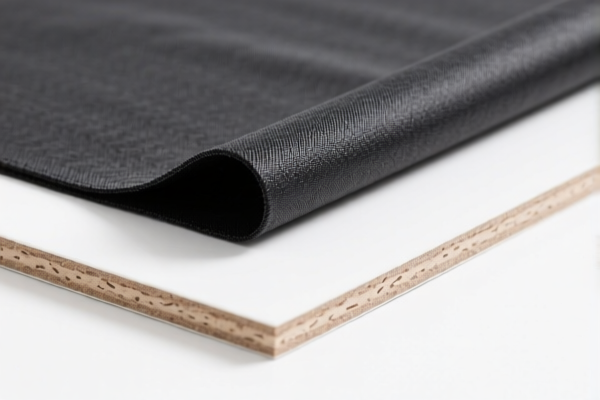
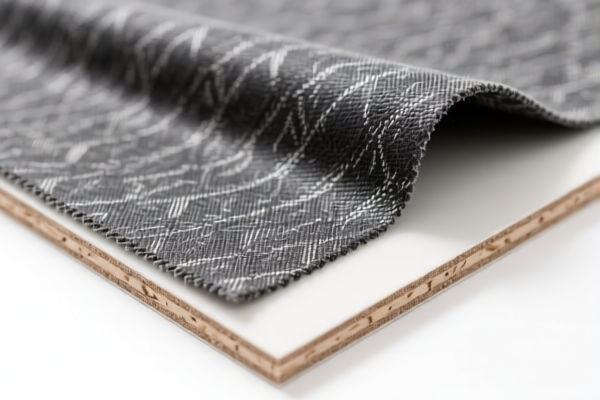
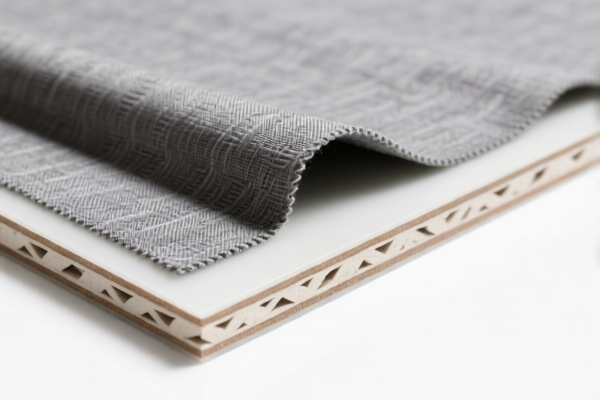

AI Analysis
🏗️ Polyurethane Textile Composite Board (Building Panels)
🌐 HS Code Reference & Customs Clearance Guide | 2026 Latest Tariff Analysis | Professional Clearance Strategy
📌 I. Product Definition & Classification: What is a "Polyurethane Textile Composite Board"?
This product is a composite building material consisting of Polyurethane (PU) combined with Textile materials, formed into a Board/Panel for construction applications.
In international trade, classification hinges on the dominant material and the manufacturing process:
1. Chemical Composition: Polyurethane (a polymer) vs. Textile (fibers/fabrics).
2. Structure: Is it a simple sheet of plastic (3921) or a fabric treated/impregnated with plastic (5903)?
3. Usage: "Building Panels" indicates a downstream application, which must not override the material classification rules.
⚠️ Key Distinction Point:
- If the textile is merely a backing for a solid plastic sheet → Chapter 39 (Plastics)
- If the fabric is impregnated, coated, or covered with polyurethane to enhance strength/waterproofing → Chapter 59 (Textiles)
- If the product is treated as a generic construction component without specific material priority → Chapter 68 (Concrete/Stone)
📦 II. HS Code Classification Details (2026 Latest Tariff Authority Alignment)
Based on the provided data, there are four potential HS Codes depending on the precise structural definition and customs interpretation of the "composite" nature.
| HS Code | Product Description | Matching Logic | Total Tax Rate |
|---|---|---|---|
6810.99.00.80 |
Other articles of cement, concrete or artificial stone | Inference Logic: Matches "Building Board" as a generic construction item under "Other articles." PU composite is considered non-specific quartz or other materials, with no material conflict. | 35.0% |
5903.20.20.00 |
Textile fabrics impregnated/coated/covered with polyurethane | Match Success: "Polyurethane" matches material; "Textile Composite" matches impregnation/coating form. "Building Panel" is a downstream use, no material conflict. | 35.0% |
5903.20.25.00 |
Polyurethane-treated artificial fiber textile fabrics | Match Logic: Explicitly mentions "Polyurethane" material and "Textile" form. Matches PU-treated artificial fiber textile fabric features. Building panel form does not create material conflict. | 42.5% |
3921.13.19.50 |
Polyurethane plates, sheets, film, foil, strip, or block | Match Logic: Material is "Polyurethane," form is "Board," usage is "Building." Fits description of "Polyurethane," "Plate/Sheet," and "Other." Material and form fully match. | 40.3% |
🔍 Critical Reminder:
- Chapter 59 vs. Chapter 39: If the textile component provides the essential character (e.g., flexible fabric core with PU coating),5903is preferred. If it is a rigid plastic board with a textile backing,3921may apply.
- Chapter 68 Risk: Classifying as6810(Concrete/Stone) is less common for PU products unless specifically approved as a synthetic stone alternative. It carries the lowest rate (35%) but may be rejected if material evidence proves PU dominance.
💰 III. 2026 Latest Tariff Rate Details (Including Surcharges & Policy Add-ons)
✅ Applicable Country: United States (US)
✅ Country of Origin: China (CN)
✅ Effective Date: November 10, 2025 (and subsequent imports)
🎯 1. 6810.99.00.80 — Other Articles of Cement/Concrete (Polyurethane Composite Treated as "Other")
| Item | Detail |
|---|---|
| Base Duty | 0.0% |
| USITC Add-on Duty | +25.0% (Section 301 Tariff) |
| IEEPA Add-on Duty | +10.0% (China/ HK specific, effective Nov 2025) |
| Total Rate | 35.0% |
| Tax Calculation | CIF Value × 35% |
| De Minimis Exemption | ❌ Not Eligible (deny_de_minimis) |
| Legal Path | IEEPA:9903.01.25 → USITC:6810.99.00.80 |
📌 Explanation:
- This code is often used for "other" construction materials. The 35% rate is the lowest among the options.
- However, customs may challenge this if the product is clearly plastic/textile based, leading to reclassification and back taxes.
🎯 2. 5903.20.20.00 — Textile Fabrics Impregnated/Coated with Polyurethane
| Item | Detail |
|---|---|
| Base Duty | 0.0% |
| USITC Add-on Duty | +25.0% (Section 301 Tariff) |
| IEEPA Add-on Duty | +10.0% (China/ HK specific) |
| Total Rate | 35.0% |
| Tax Calculation | CIF Value × 35% |
| De Minimis Exemption | ❌ Not Eligible (deny_de_minimis) |
| Legal Path | IEEPA:9903.01.25 → USITC:5903.20.20.00 |
📌 Note:
- This is the most technically accurate classification for a "Polyurethane Textile Composite."
- The 35% rate is favorable, provided you can prove the textile is the primary fabric structure impregnated with PU.
🎯 3. 5903.20.25.00 — Polyurethane-Treated Artificial Fiber Textiles
| Item | Detail |
|---|---|
| Base Duty | 7.5% |
| USITC Add-on Duty | +25.0% (Section 301 Tariff) |
| IEEPA Add-on Duty | +10.0% (China/ HK specific) |
| Total Rate | 42.5% |
| Tax Calculation | CIF Value × 42.5% |
| De Minimis Exemption | ❌ Not Eligible (deny_de_minimis) |
| Legal Path | IEEPA:9903.01.25 → USITC:5903.20.25.00 |
📌 Note:
- This code applies to artificial fiber textiles specifically.
- If your textile is natural fiber (e.g., cotton) or the base duty is not 7.5%, this code might not apply.
- Highest Risk: 42.5% is significantly higher than 35%. Only use if the product is strictly artificial fiber-based PU fabric.
🎯 4. 3921.13.19.50 — Polyurethane Plates, Sheets, or Blocks (Other)
| Item | Detail |
|---|---|
| Base Duty | 5.3% |
| USITC Add-on Duty | +25.0% (Section 301 Tariff) |
| IEEPA Add-on Duty | +10.0% (China/ HK specific) |
| Total Rate | 40.3% |
| Tax Calculation | CIF Value × 40.3% |
| De Minimis Exemption | ❌ Not Eligible (deny_de_minimis) |
| Legal Path | IEEPA:9903.01.25 → USITC:3921.13.19.50 |
📌 Note:
- This classification views the product primarily as a Plastic Board.
- If the PU layer is thick and structural, this is a valid argument.
- Mid-Range Cost: 40.3% is higher than the textile codes (35%) but lower than the artificial fiber code (42.5%).
🛠️ IV. Customs Clearance Practical Advice (Combat Pitfall Guide)
✅ 1. Preparation Checklist (Essential Documents)
| Document | Mandatory? | Description |
|---|---|---|
| ✅ Product Specifications | ✔️ | Must detail: Layer structure (PU thickness, textile type), dimensions, weight. |
| ✅ Material Composition Report | ✔️ | Percentage of PU vs. Textile. Crucial for choosing between Ch 39 and Ch 59. |
| ✅ Cross-Section Photos | ✔️ | Show the composite structure. Is it a fabric with PU coating? Or a plastic sheet with fabric backing? |
| ✅ Intended Use Statement | ✔️ | "Building Panel/Board." Avoid vague terms like "Mat" or "Sheet" if it's a rigid board. |
| ✅ Commercial Invoice | ✔️ | Clearly state "Polyurethane Textile Composite Board for Building Construction." |
| ✅ Certificate of Origin (CO) | ✔️ | Required for China origin verification and IEEPA application. |
| ✅ Packing List | ✔️ | Confirm net/gross weight. |
✅ 2. Declaration Strategy (Key Mantras)
🔥 “Structure Determines Code, Material Dictates Rate, Don’t Split the Panel!”
| Scenario | Correct Declaration | Wrong Action | Consequence |
|---|---|---|---|
| Rigid PU Board with Textile Backing | 3921.13.19.50 |
Mislabel as "Fabric" → 42.5% or seizure | High tax + Delay |
| PU-Coated Fabric Panel | 5903.20.20.00 |
Mislabel as "Plastic Sheet" → 40.3% | Overpayment of tax |
| Generic "Building Material" | 6810.99.00.80 |
No material proof → Rejection | Customs may force higher code |
| Artificial Fiber PU Textile | 5903.20.25.00 |
Claim natural fiber → Audit | 42.5% tax + Fine |
📌 Pro Tip:
- If the product is flexible, lean towards5903.20.20.00(35%).
- If the product is rigid/hard, lean towards3921.13.19.50(40.3%).
- Avoid6810unless you have strong evidence it’s treated as a "synthetic stone/concrete" alternative, as it’s the riskiest for PU products.
✅ 3. Special Cases Handling
| Case | Handling Advice |
|---|---|
| OEM Custom Panels | Provide client specs showing PU content. Ensure no misleading "Stone" terminology. |
| Multi-Layer Boards | Provide a layer-by-layer diagram. Customs will look for the essential character (usually PU if it’s the main volume). |
| Mixed Shipments | If shipping with other goods, ensure HS Codes are clearly separated on the invoice. Do not bundle PU boards with electronics. |
| Pre-Import Ruling | Highly Recommended. Apply for an Advance Ruling from CBP to lock in the HS Code (preferably 5903.20.20.00 for 35% rate) before shipping. |
🌍 V. Global Market Comparison (2026)
| Country/Region | Recommended HS Code | Duty Rate (China Origin) | Key Certification | Notes |
|---|---|---|---|---|
| 🇺🇸 USA | 5903.20.20.00 |
35.0% | None Specific | Highest risk due to 351/301 tariffs. Pre-clearance vital. |
| 🇺🇸 USA | 3921.13.19.50 |
40.3% | None Specific | Alternative if textile classification is rejected. |
| 🇨🇳 China | 5903.20.20.00 |
7.5% | CCC (if applicable) | No anti-dumping/Section 301 duties. |
| 🇪🇺 EU | 5903.20.00 |
6.5% | REACH, CE | No IEEPA surcharges. |
| 🇦🇺 Australia | 5903.20.20.00 |
5% | AECR | Lower duty, no major surcharges. |
📌 Conclusion:
- The US Market is the Critical Barrier: The 35%–42.5% effective tariff makes profitability tight.
- Optimal Choice: Aim for5903.20.20.00(35%) as it is technically accurate for "composite textile" and has the lowest rate.
- Risk: Classifying as6810(35%) is risky because customs may reject the "concrete/stone" label for PU products.
📌 VI. Common Mistakes & Pitfall Guide (Lessons from Blood)
❌ Mistake 1: Calling it "Plastic Sheet" when it’s a textured fabric composite.
👉 Consequence: Customs may reject 3921 and force 5903, potentially altering duty liability or causing delays.
❌ Mistake 2: Claiming "Natural Stone" appearance to use 6810.
👉 Consequence: Audits will reveal PU content. Result: Seizure + Penalty.
❌ Mistake 3: Ignoring the "Artificial Fiber" distinction for 5903.20.25.
👉 Consequence: If your textile is cotton, 5903.20.25 is wrong. You must use 5903.20.20 (if applicable) or face misclassification fines.
✅ Correct Declaration Example:
"Polyurethane Composite Building Panel: Core of woven polyester textile impregnated with polyurethane foam, rigid board form, for wall cladding. Model: PU-TEX-BLDG-01."
🎯 VII. Conclusion: Professional Declaration, Cost Control, Efficiency
🎯 Remember the Mantra:
🔹 "Textile + PU = 5903 (35%), Plastic Board = 3921 (40.3%), Fake Stone = 6810 (Risky 35%)."
🔹 "Pre-Audit is Key. 7.5% Base vs. 25% Surcharge. Don’t Gamble on Code!"
📌 Pro Tip:
If your product can be proven to be "Impregnated Textile", fight for
5903.20.20.00at 35%. It is the safest low-rate option that is technically defensible.
Apply for an Advance Ruling from US CBP to secure this classification before your first shipment.
📣 Immediate Action:
📞 Contact a licensed customs broker + Provide Layered Product Photos + Apply for HS Code Advance Ruling
🚀 Ensure your Polyurethane Textile Composite Board Clears Fast, Pays Fair, and Profits High!
✨ Professional Clearance Starts with Precise Classification!
💼 Every Percentage Point of Duty Counts!
Customer Reviews
About HS Code Classification
The Harmonized System (HS) is an internationally standardized nomenclature developed by the World Customs Organization (WCO) to classify traded products. Over 200 countries use the HS system as the basis for customs tariffs, trade statistics, and import/export regulations.
Each HS code follows a hierarchical structure:
- Chapter (2 digits) — Broad category of goods (e.g., Chapter 84: Machinery and Mechanical Appliances)
- Heading (4 digits) — More specific grouping within the chapter
- Subheading (6 digits) — Internationally standardized breakdown, used by all WCO member countries
- National subdivisions (8-10 digits) — Country-specific extensions for further classification, such as US HTSUS 10-digit codes
Correct HS code classification is essential for smooth customs clearance, accurate duty payment, and compliance with trade regulations. Misclassification can lead to customs delays, overpayment of duties, or penalties.
When importing from CN to US, the applicable tariff rates may include:
- Most-Favored-Nation (MFN) rate — The standard duty rate applied to WTO members
- General rate — Applied to countries without trade agreements
- Trade remedy duties — Additional tariffs such as Section 301 (anti-dumping), Section 232 (national security), or countervailing duties
The information provided on this page is for reference purposes only. For official classification, please consult with your local customs authority or a licensed customs broker.