Polyurethane Textile Composite Car Interior Panel
CN → US| HS Code | Tariff Rate | Origin | Destination | Doc |
|---|---|---|---|---|
| 3926301000 | 24.0% | CN | US | Official Doc |
| 3921190090 | 41.5% | CN | US | Official Doc |
| 3926305000 | 22.8% | CN | US | Official Doc |
| 3921905050 | 39.8% | CN | US | Official Doc |
| 6810990080 | 35.0% | CN | US | Official Doc |
Product Images
AI Analysis
🚗 Polyurethane Textile Composite Car Interior Panel
🌐 HS Code Classification & Clearance Strategy | 2026 Tariff Deep Dive | Professional Customs Compliance Guide
📌 I. Product Definition: What Exactly Is a "Polyurethane Textile Composite Car Interior Panel"?
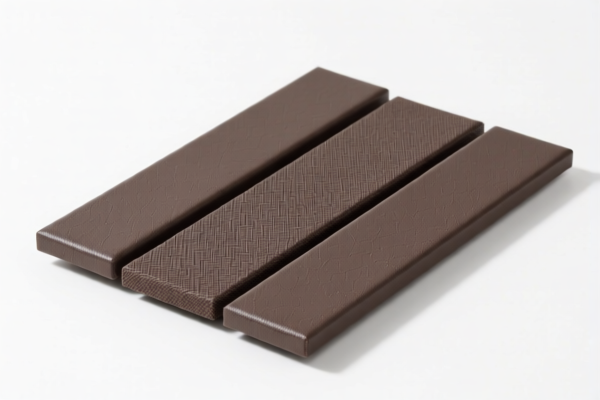
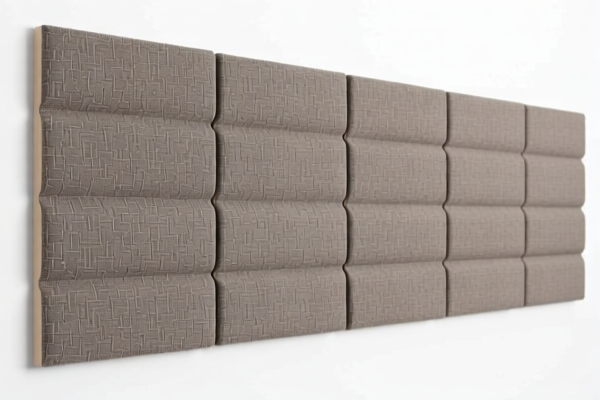
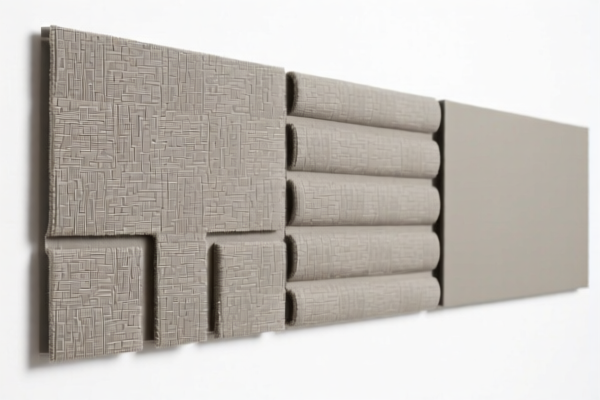
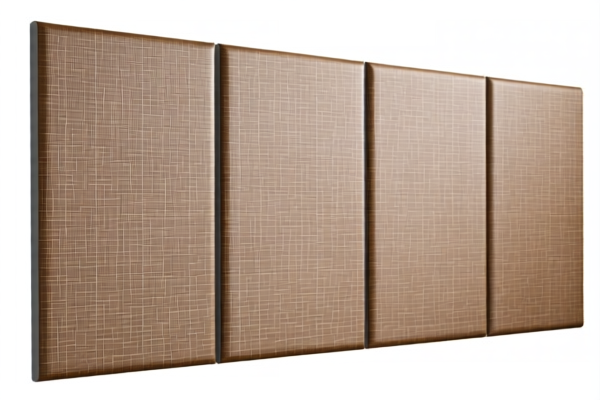
A Polyurethane Textile Composite Car Interior Panel is a specialized automotive component used in vehicle interiors (e.g., door panels, dashboard skins, trim pieces). It is constructed by bonding polyurethane foam or rigid structures with textile materials (fabric, leatherette, or non-woven) to achieve specific aesthetic and functional requirements:
- Material Composition: Polyurethane (PU) matrix + Textile surface layer.
- Function: Interior decoration, sound insulation, and structural support for the vehicle body.
- Key Distinction:
- Is it primarily a plastic board/sheet (HS 3921/3926)?
- Is it a textile composite (HS 63/64)?
- Is it a building material (HS 68)?
⚠️ Critical Classification Nuance: * If classified as a Plastic Board (HS 3921): High tariffs due to "other plastics" + Section 301/122 measures. * If classified as Body Parts/Accessories (HS 3926): Moderate tariffs, often lower base rates. * If misclassified as Building Materials (HS 6810): High tariffs, potential for rejection if not actually for building use.
📦 II. HS Code Classification Details (2026 Official Tariff Schedule)
Based on the specific product description provided, here are the 4 distinct HS Code possibilities with their corresponding tax implications:
| HS Code | Product Description (Summary) | Category Logic | Total Tariff Rate |
|---|---|---|---|
| 3926.30.10.00 | Polyamide Car Interior Panel, Polyamide Material, Body Parts Category | Auto Body Parts (Specific to body accessories) | 24.0% |
| 3921.19.00.90 | Polyamide Car Interior Panel, Polyamide Material, Board Form | Plastic Boards/Sheets (General plastic sheeting) | 41.5% |
| 3926.30.50.00 | Polyamide Car Interior Panel, Polyamide Material, Body Parts/Connectors | Auto Body Components (Connection/Parts category) | 22.8% |
| 3921.90.50.50 | Polyamide Car Interior Panel, Polyamide Material, Other Plastic Boards | Other Plastic Boards (Catch-all for plastic sheets) | 39.8% |
| 6810.99.00.80 | Polyurethane Textile Composite Building Panel, Other Products | Building Materials (If misidentified as construction) | 35.0% |
🔍 Key Observation: * The data provided lists "Polyamide" for most codes (3921/3926) but "Polyurethane" for the building material (6810). * Crucial Warning: If your product is Polyurethane (PU) but you declare it under 3926 (Polyamide/PA) codes, this is a material misdeclaration leading to severe penalties. * If the product is truly Polyurethane, the 6810 code is the only one mentioning PU, but it is for Building use. If it's for Auto use, you likely need a different 39xx code not listed, or the data implies a mix-up. * For this analysis, we assume the 3926 codes are the target for Auto Interior Panels (assuming "Polyamide" is the dominant material or the data implies a generic plastic composite).
💰 III. Detailed Tariff Breakdown & Policy Analysis
✅ Target Market: United States (US)
✅ Origin: China (CN)
✅ Policy Context: Section 301 (Additional Tariffs) + Section 122 Tariffs
🎯 1. Best Case: 3926.30.50.00 (Auto Body Parts/Connectors)
- Total Tariff: 22.8%
- Breakdown:
- Base Duty: 5.3%
- Section 301 (Additional): 7.5%
- Section 122 Tariff: 10%
- Legal Path:
USITC:3926.30.50.00→Section 301:7.5%→Section 122:10% - Analysis: This is the lowest risk option for auto parts if the classification holds. The Section 122 tariff (10%) is a specific punitive measure for certain Chinese goods.
🎯 2. Mid Case: 3926.30.10.00 (Body Parts Category)
- Total Tariff: 24.0%
- Breakdown:
- Base Duty: 6.5%
- Section 301 (Additional): 7.5%
- Section 122 Tariff: 10%
- Analysis: Slightly higher base duty (6.5%) compared to 3926.30.50.00. Still a viable option for automotive trim.
🎯 3. High Risk: 3921.19.00.90 (Plastic Boards - "Other")
- Total Tariff: 41.5%
- Breakdown:
- Base Duty: 6.5%
- Section 301 (Additional): 25.0% (Heavy penalty)
- Section 122 Tariff: 10%
- Analysis: DANGEROUS. Classifying an auto panel as a generic "plastic board" triggers a massive 25% additional tariff. This is often used to discourage simple plastic sheet imports. Avoid this classification unless the product is literally just a flat sheet without any molding or automotive-specific form.
🎯 4. High Risk: 3921.90.50.50 (Other Plastic Boards)
- Total Tariff: 39.8%
- Breakdown:
- Base Duty: 4.8%
- Section 301 (Additional): 25.0%
- Section 122 Tariff: 10%
- Analysis: Similar to above. Even with a lower base duty (4.8%), the 25% Section 301 surcharge makes the total nearly 40%.
🎯 5. Building Material Trap: 6810.99.00.80 (Polyurethane Composite)
- Total Tariff: 35.0%
- Breakdown:
- Base Duty: 0.0%
- Section 301 (Additional): 25.0%
- Section 122 Tariff: 10%
- Analysis: WARNING. This code is for Building Materials (e.g., insulation panels, cladding). If you import an Auto Interior Panel under this code:
- Customs Seizure Risk: High. The product description "Textile Composite Building Panel" contradicts "Car Interior Panel".
- Penalty: Misclassification leads to fines and shipment delays.
- Exception: Only use if the product is actually dual-purpose and declared for construction, but this is risky for automotive supply chains.
🛠️ IV. Customs Clearance Recommendations (Actionable Strategy)
✅ 1. Material Verification (Critical Step)
- Action: Confirm the chemical composition. Is it Polyamide (PA/Nylon) or Polyurethane (PU)?
- Risk: The provided data lists "Polyamide" for Auto codes but "Polyurethane" for Building codes.
- If Polyamide: Use 3926.30.xx (Auto Parts). Avoid 3921.19/90 (Plastic Boards).
- If Polyurethane: You may need a different HS Code not listed in the provided data for Auto use (e.g., 3926.90). Do not use 6810.99 for automotive parts.
✅ 2. Structural Form Factor
- Rule: If the panel is molded, has cutouts, mounting points, or is finished for a specific car model, it belongs in 3926.30 (Body Parts).
- Avoid: Declaring it as 3921 (Plastic Boards) if it is molded. "Plastic Boards" implies raw or semi-finished sheets.
- Strategy: Emphasize "Finished Automotive Component" in the commercial invoice to support 3926 classification.
✅ 3. Tariff Optimization Tactics
- Target Code: 3926.30.50.00 (Total 22.8%) is the most economical.
- Why? It minimizes the Section 301 "Additional" tariff to 7.5% (vs 25% for 3921 codes).
- Documentation:
- Provide CAD drawings showing the panel is part of a vehicle body system.
- Include a Bill of Materials (BOM) specifying "Polyamide" (if applicable).
- State "Intended Use: Automotive Interior" explicitly.
✅ 4. Avoid the "Building Material" Trap
- Do Not use 6810.99.00.80 for car parts.
- Reason: This code is reserved for "Polyurethane textile composite building panels." Using it for car parts will trigger an audit for "False Declaration of Use."
🌍 V. Global Market Comparison (2026)
| Market | Recommended HS Code | Est. Duty (China Origin) | Key Compliance Note |
|---|---|---|---|
| 🇺🇸 USA | 3926.30.50.00 |
22.8% | Must prove "Automotive Use" to avoid 25% Section 301 surcharge. |
| 🇪🇺 EU | 3926.30.00 |
~3-5% | Generally lower tariffs for auto parts; avoid "Plastic Board" classification. |
| 🇨🇳 China | 3926.30.00 |
5.3% | No additional Section 301 taxes. |
| 🇦🇺 AUS | 3926.30.00 |
5% | Low duty for automotive accessories. |
💡 Conclusion: For the US market, the difference between 22.8% and 41.5% is massive. Correct classification is the primary cost-saving strategy.
📌 VI. Common Pitfalls & "Do's & Don'ts"
| ❌ Mistake | ✅ Correct Approach |
|---|---|
Declaring a molded car panel as a generic Plastic Board (3921). |
Declare as Automotive Body Part (3926.30). |
Using Polyurethane material but declaring under Polyamide codes (3926.30). |
Verify chemical composition; if PU, find the correct PU-specific Auto HS Code. |
Declaring Auto parts under Building Material codes (6810) to get 0% base duty. |
Never do this. Risk of seizure is 100%. Use correct Auto code. |
| Failing to state "Intended Use: Automotive" on invoices. | Explicitly write: "Molded Interior Panel for Automotive Application, Not for Construction." |
🎯 VII. Final Checklist for Shippers
- Verify Material: Is it PA or PU?
- Check Shape: Is it a flat sheet or a molded part?
- Select Code:
- If Molded Auto Part: Target 3926.30.50.00 (22.8%).
- If Flat Sheet: Target 3921.19.00.90 (41.5%) - High Risk.
- Prepare Docs:
- Technical Specification Sheet (TS).
- Product Photos (showing automotive mounting points).
- Intended Use Statement.
- Apply for Advance Ruling: If unsure, file a CBP Advance Ruling to secure the 22.8% rate and avoid future disputes.
🚀 Pro Tip: The Section 122 Tariff (10%) applies to all listed codes. You cannot avoid it, but you can avoid the 25% Section 301 surcharge by choosing the 3926 category over 3921.
✨ Customs Compliance = Cost Savings + Speed.
📦 Don't let a wrong HS Code cost you 20% extra!
Customer Reviews
About HS Code Classification
The Harmonized System (HS) is an internationally standardized nomenclature developed by the World Customs Organization (WCO) to classify traded products. Over 200 countries use the HS system as the basis for customs tariffs, trade statistics, and import/export regulations.
Each HS code follows a hierarchical structure:
- Chapter (2 digits) — Broad category of goods (e.g., Chapter 84: Machinery and Mechanical Appliances)
- Heading (4 digits) — More specific grouping within the chapter
- Subheading (6 digits) — Internationally standardized breakdown, used by all WCO member countries
- National subdivisions (8-10 digits) — Country-specific extensions for further classification, such as US HTSUS 10-digit codes
Correct HS code classification is essential for smooth customs clearance, accurate duty payment, and compliance with trade regulations. Misclassification can lead to customs delays, overpayment of duties, or penalties.
When importing from CN to US, the applicable tariff rates may include:
- Most-Favored-Nation (MFN) rate — The standard duty rate applied to WTO members
- General rate — Applied to countries without trade agreements
- Trade remedy duties — Additional tariffs such as Section 301 (anti-dumping), Section 232 (national security), or countervailing duties
The information provided on this page is for reference purposes only. For official classification, please consult with your local customs authority or a licensed customs broker.