Polyurethane Textile Composite Lightweight Board
CN → US| HS Code | Tariff Rate | Origin | Destination | Doc |
|---|---|---|---|---|
| 3921131500 | 41.5% | CN | US | Official Doc |
| 3921131950 | 40.3% | CN | US | Official Doc |
| 5903202500 | 42.5% | CN | US | Official Doc |
| 5903202000 | 35.0% | CN | US | Official Doc |
| 6810990080 | 35.0% | CN | US | Official Doc |
Product Images
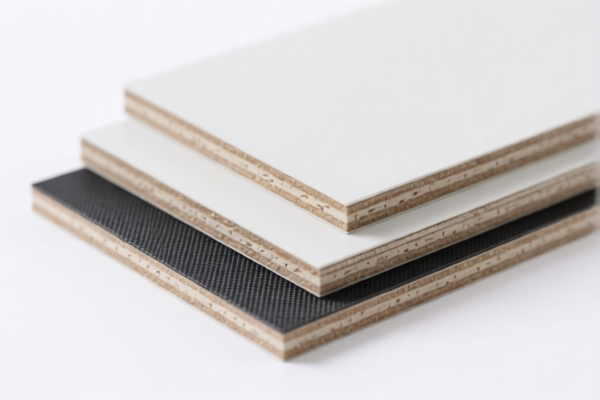
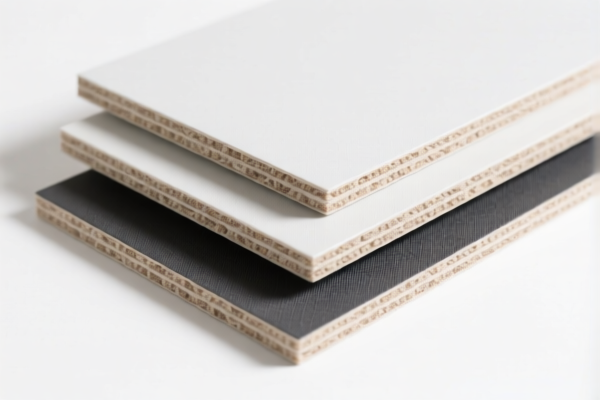
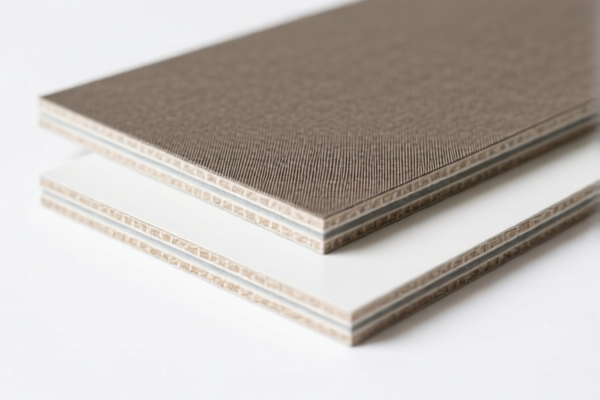
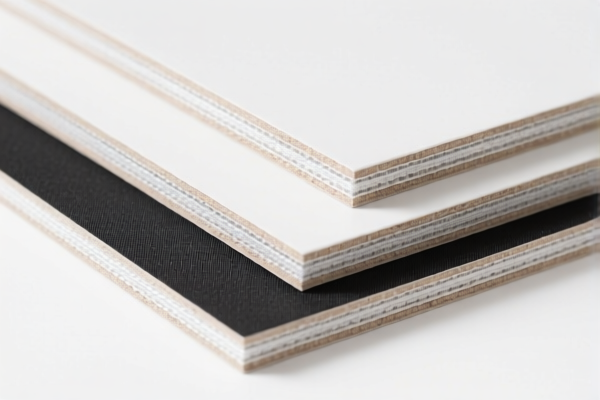
AI Analysis
🏗️ Polyurethane Textile Composite Lightweight Board (聚氨酯纺织复合建筑用板)
🌐 HS Code Reference & Customs Clearance Guide | 2026 Latest Tariff Analysis | Strategic Clearance Strategy
📌 I. Product Definition & Classification: What Exactly Is This Board?
The Polyurethane (PU) Textile Composite Lightweight Board is a multifunctional building material combining the insulation properties of polyurethane with the structural integrity and finish of textile composites. In international trade, its classification depends heavily on the dominant material and the manufacturing process (impregnated, coated, or laminated).
Key Distinction Points: * Is it primarily a "Plastic Board"? → Look at HS Chapter 39 (Plastics). * Is it primarily a "Textile Fabric"? → Look at HS Chapter 59 (Textiles). * Is it a "Stone/Cement Product"? → Unlikely, but some composite interpretations may fall here if PU is used as a binder (less common for this specific description).
⚠️ Critical Classification Logic:
- If the PU acts as a core/insulation and textile is just a surface layer → Chapter 39 (Plastics).
- If the textile is impregnated/coated with PU to create a fabric-like board → Chapter 59 (Textiles).
- Misclassification can lead to tax discrepancies of up to 7.5% and customs delays.
📦 II. HS Code Classification Details (Based on Provided Data)
The following HS Codes are extracted directly from the provided dataset. Note that the tax rates vary significantly based on the specific sub-heading interpretation.
| HS Code | Summary Description (Source) | Key Feature Interpretation | Total Tax Rate* |
|---|---|---|---|
| 3921.13.15.00 | PU textile composite building board, material: PU, form: composite board. | Emphasizes the composite board nature with PU as the primary material identity. | 41.5% |
| 3921.13.19.50 | PU textile composite building board, material: PU, form: board/film/sheet. | Classifies under broader "Other plates, sheets, film" in plastics, potentially missing the specific composite sub-category. | 40.3% |
| 5903.20.25.00 | PU textile composite building board, name includes PU material & textile form. | Classifies as PU-treated artificial fiber textile fabric, focusing on the textile processing aspect. | 42.5% |
| 5903.20.20.00 | PU material requirement met; textile composite meets impregnation/coating/lamination form. | Classified as impregnated/coated/laminated textile fabric, with building board as the end-use. | 35.0% |
| 6810.99.00.80 | Inferred as cement concrete or artificial stone products due to "building board" application. | High-Risk Classification: Treats PU composite as an artificial stone/concrete product binder. | 35.0% |
🔍 Important Note:
All rates above include: Base Tariff + Section 301 Tariff (25%) + Section 122 Tariff (10%).
The "Base Tariff" varies from 0% to 7.5%, driving the total tax difference.
💰 III. 2026 Latest Tariff Rate Breakdown (Detailed Clause Analysis)
✅ Applicable Country: United States (US)
✅ Origin: China (CN)
✅ Effective Date: Post-2025 (Includes all subsequent imports)
🎯 1. The "Plastic Board" Classification (Chapter 39)
A. HS Code 3921.13.15.00 – The "Specific Composite" Choice
- Base Tariff: 6.5%
- Section 301 Tariff: +25.0%
- Section 122 Tariff: +10.0%
- Total Tax: 41.5%
- Logic: This code is chosen when the product is defined specifically as a composite board where PU is the key constituent. It has a higher base tariff but is a precise match for "composite boards."
B. HS Code 3921.13.19.50 – The "General Board" Choice
- Base Tariff: 5.3%
- Section 301 Tariff: +25.0%
- Section 122 Tariff: +10.0%
- Total Tax: 40.3%
- Logic: Used if the product is classified under "Other plates, sheets, and film" of plastics. It saves 1.2% compared to 15.00, but requires proving it doesn't fit the specific composite definition better.
🎯 2. The "Textile Fabric" Classification (Chapter 59)
C. HS Code 5903.20.25.00 – The "Treated Fabric" Choice
- Base Tariff: 7.5%
- Section 301 Tariff: +25.0%
- Section 122 Tariff: +10.0%
- Total Tax: 42.5%
- Logic: This is the highest tax rate option. It classifies the board as artificial fiber fabric treated with PU. This is typically only used if the textile component is deemed more significant than the plastic component, or if the product is sold primarily as a "fabric roll" rather than a rigid board.
D. HS Code 5903.20.20.00 – The "Low Base Tariff" Textile Choice
- Base Tariff: 0.0%
- Section 301 Tariff: +25.0%
- Section 122 Tariff: +10.0%
- Total Tax: 35.0%
- Logic: This is the most cost-effective option if you can successfully argue that the product is primarily an impregnated/coated textile fabric used for building purposes. The 0% base tariff is a huge advantage, making the total tax significantly lower than plastic classifications.
🎯 3. The "Artificial Stone" Classification (Chapter 68) - High Risk
E. HS Code 6810.99.00.80 – The "Stone/Concrete" Interpretation
- Base Tariff: 0.0%
- Section 301 Tariff: +25.0%
- Section 122 Tariff: +10.0%
- Total Tax: 35.0%
- Logic: This classification infers the product as an artificial stone product where PU acts as a binder. While the tax rate is low (35.0%), the customs risk is extremely high. PU textile composite boards are not typically considered cement or concrete products. Misclassification here could lead to severe penalties, audits, or shipment rejection.
🛠️ IV. Customs Clearance Practical Advice (Avoiding Pitfalls)
✅ 1. Document Preparation Checklist (Non-Negotiable)
| Document | Requirement | Reason |
|---|---|---|
| Product Specification Sheet | Must detail: % of PU, % of Textile, Layer Structure, Rigidity, Thickness. | Determines if it’s "Plastic" (Ch 39) or "Textile" (Ch 59). |
| Technical Data Sheet (TDS) | Must confirm "Impregnation," "Coating," or "Lamination" process. | Critical for Class 5903 classification. |
| Product Photos | Clear view of layers (Textile facing, PU core, composite structure). | Visual proof of composite nature. |
| Commercial Invoice | Describe as "Polyurethane-Textile Composite Board for Building Insulation/Cladding." | Avoid vague terms like "Plastic Board" or "Fabric Roll." |
| Bill of Lading | Match invoice description exactly. | Consistency is key for CBP (Customs and Border Protection). |
✅ 2. Strategic Declaration Tips
🔥 The Golden Rule: "Classify by Dominant Character, Not Just End Use."
| Scenario | Recommended HS Code | Reasoning |
|---|---|---|
| Rigid Board, PU Core > 50% Volume | 3921.13.15.00 or 3921.13.19.50 |
Plastic nature dominates. Choose 15.00 for precision, 19.50 for slight tax saving if eligible. |
| Flexible Sheet, Textile Surface + PU Coating | 5903.20.20.00 |
If it bends like fabric, it’s likely textile. Best Tax Rate (35%). |
| Solid Construction Panel, High Rigidity | 6810.99.00.80 |
❌ AVOID. Unless it is literally a stone composite, do not use this. High audit risk. |
| High-End Architectural Panel | 3921.13.15.00 |
If marketing emphasizes "Composite Material," use this for accuracy. |
✅ 3. Special Cases & Risk Mitigation
| Situation | Advice |
|---|---|
| Importing from Vietnam/Mexico | Check if IEPEA Exemptions apply. If re-exported or substantially transformed, tax may be 0%. |
| Customs Audit Trigger | If CBP questions the 0% base rate of 5903.20.20.00, provide a GRI 3(b) Analysis showing textile character dominates. |
| Sample Submission | Send physical samples to a customs broker for Advance Ruling before bulk shipping. |
| Labeling | Label clearly as "Polyurethane Composite Board" – do NOT label as "Cement Board" or "Stone Board" if using Ch 68. |
🌍 V. Global Market Comparison (2026 Context)
| Market | Recommended HS Code | Estimated Duty | Note |
|---|---|---|---|
| 🇺🇸 United States | 5903.20.20.00 |
35.0% | Best Rate. Requires strong textile argument. |
| 🇺🇸 United States | 3921.13.15.00 |
41.5% | Safest Rate. Higher tax, but less likely to be challenged. |
| 🇨🇳 China (Export) | N/A | N/A | Check Chinese export duties (usually 0% for building materials). |
| 🇪🇺 European Union | N/A | Varies | EU uses CN 3921 or 5903. No Section 301/122, but VAT applies. |
📌 Conclusion:
- The United States imposes significant additional tariffs (35% total minimum).
- Strategy: If the product can be technically justified as an impregnated textile fabric (5903.20.20.00), you save 5.5%-7.5% in total tax compared to plastic classifications.
- Risk: If you choose6810.99.00.80, you are gambling with a misclassification that could result in fines.
📌 VI. Common Mistakes & Pitfalls (Lessons Learned)
❌ Mistake 1: Declaring as "Building Panel" without specifying material.
👉 Result: CBP assigns default higher tariff or demands detailed specs, causing delays.
❌ Mistake 2: Using 6810.99.00.80 (Artificial Stone) for PU/Textile.
👉 Result: High Risk of Audit. PU is plastic, not cement. This is a clear mismatch.
❌ Mistake 3: Assuming all composite boards are 3921.13.15.00.
👉 Result: You might miss the 35.0% rate available under 5903.20.20.00 if the textile aspect is dominant.
✅ Correct Approach:
"Polyurethane-impregnated textile composite board for building insulation, rigid form, 10mm thickness."
Target HS Code:5903.20.20.00(if flexible/textile dominant) or3921.13.15.00(if rigid/plastic dominant).
🎯 VII. Conclusion: Strategic Cost Optimization
🎯 Key Takeaway:
🔹 "Textile Character = Lower Tax (35%), Plastic Character = Higher Tax (40-42.5%)."
🔹 "Do NOT use Stone Code (6810) unless it’s literally stone."
🔹 "Prepare GRI 3(b) Analysis to support Textile Classification."
📌 Pro Tip:
If your supply chain allows, consider substantial transformation in a third country (e.g., Vietnam) to potentially bypass Section 301 and 122 tariffs, reducing tax to 0-5%. However, ensure the transformation is genuine and documented.
📣 Immediate Action:
📞 Consult a Customs Broker: Provide physical samples and technical sheets.
📝 Request an Advance Ruling: From US CBP to lock in your HS Code and tax rate.
🚀 Optimize Logistics: Factor the 35-42% duty into your landed cost calculation immediately.
✨ Professional Clearance Starts with Accurate Classification!
💼 Every Percent Saved is Pure Profit!
Customer Reviews
About HS Code Classification
The Harmonized System (HS) is an internationally standardized nomenclature developed by the World Customs Organization (WCO) to classify traded products. Over 200 countries use the HS system as the basis for customs tariffs, trade statistics, and import/export regulations.
Each HS code follows a hierarchical structure:
- Chapter (2 digits) — Broad category of goods (e.g., Chapter 84: Machinery and Mechanical Appliances)
- Heading (4 digits) — More specific grouping within the chapter
- Subheading (6 digits) — Internationally standardized breakdown, used by all WCO member countries
- National subdivisions (8-10 digits) — Country-specific extensions for further classification, such as US HTSUS 10-digit codes
Correct HS code classification is essential for smooth customs clearance, accurate duty payment, and compliance with trade regulations. Misclassification can lead to customs delays, overpayment of duties, or penalties.
When importing from CN to US, the applicable tariff rates may include:
- Most-Favored-Nation (MFN) rate — The standard duty rate applied to WTO members
- General rate — Applied to countries without trade agreements
- Trade remedy duties — Additional tariffs such as Section 301 (anti-dumping), Section 232 (national security), or countervailing duties
The information provided on this page is for reference purposes only. For official classification, please consult with your local customs authority or a licensed customs broker.