Polyurethane Textile Composite Partition Boards
CN → US| HS Code | Tariff Rate | Origin | Destination | Doc |
|---|---|---|---|---|
| 3921131500 | 41.5% | CN | US | Official Doc |
| 6810990080 | 35.0% | CN | US | Official Doc |
| 6810195000 | 38.9% | CN | US | Official Doc |
| 3921131950 | 40.3% | CN | US | Official Doc |
| 5903202000 | 35.0% | CN | US | Official Doc |
Product Images
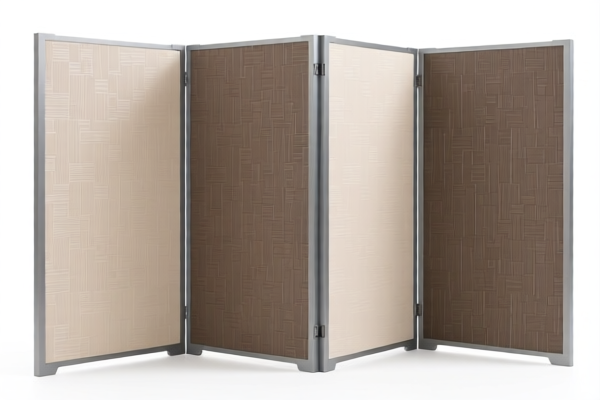
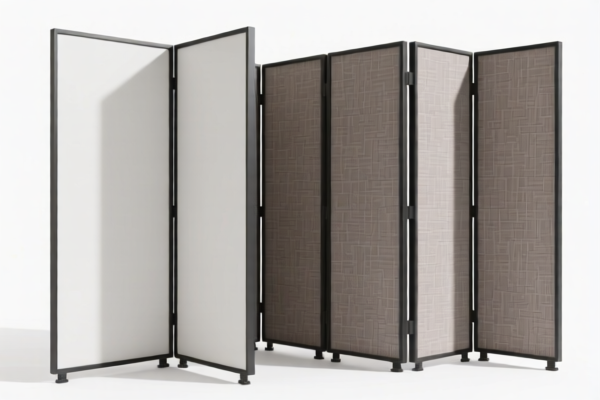
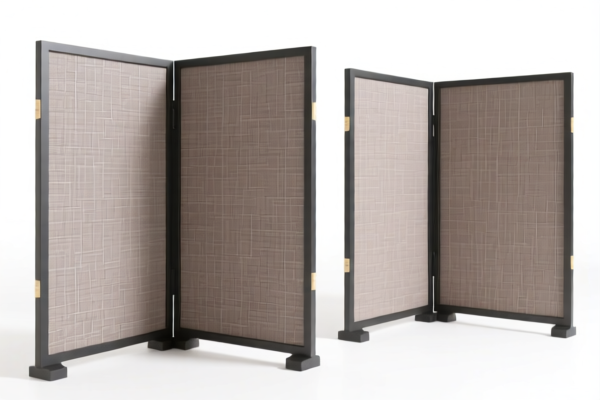
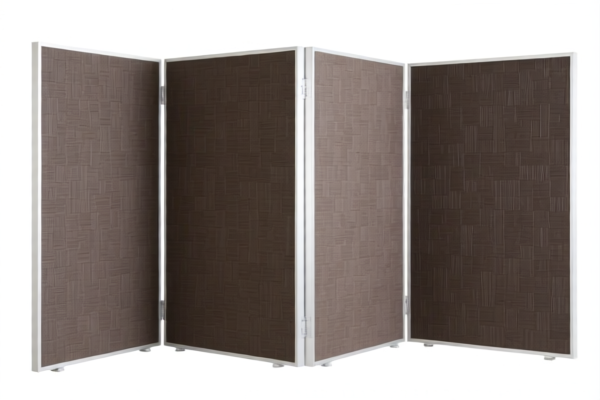
AI Analysis
🧱 Polyurethane Textile Composite Partition Boards (PU-Textile Composite Building Panels)
🌐 HS Code Reference & Customs Clearance Guide | 2026 Latest Tariff Analysis | Strategic Clearance Strategy
📌 1. Product Definition & Classification: What Exactly Are "PU-Textile Composite Boards"?
These products are innovative building materials combining Polyurethane (PU) foam/resin with Textile materials. In international trade, their classification hinges on whether they are viewed primarily as Plastic Composites or Stone/Cement-Based Construction Materials.
Key Distinction Criteria:
Plastic Composite View: If the PU is the primary binder and the textile is a facing layer, it falls under Plastics and Articles Thereof.
Stone/Cement View: If the product is inferred to be a cement/concrete composite where PU acts as an additive or if it fits broad "other" categories of artificial stone, it falls under Articles of Stone or Similar Materials.
⚠️ Critical Classification Note:
- If the board is primarily a plastic composite (PU base + textile surface) → Chapter 39.
- If the board is classified as a concrete/cement-based panel with PU modifiers → Chapter 68.
- If it is specifically a textile-impregnated/laminated plastic → Chapter 59.
📦 2. HS Code Classification Details (2026 Latest Tariff Authority Comparison)
| HS Code | Product Description | Applicable Scenario | Material Basis |
|---|---|---|---|
3921.13.15.00 |
Polyurethane textile composite building board, material: PU, form: composite board, use: building | Primary PU composite with textile lamination | Plastics (PU) |
6810.99.00.80 |
PU textile composite board, inferred as "other" cement/concrete/artificial stone制品 | Non-specific quartz/polymer aggregate board | Stone/Cement |
6810.19.50.00 |
PU textile composite board, material: PU, form: building board, fits "other" cement/concrete characteristics | Cement/concrete-based with PU features | Stone/Cement |
3921.13.19.50 |
PU textile composite board, material: PU, form: board, use: building, fits general plastic sheet description | General plastic sheet/board classification | Plastics (PU) |
5903.20.20.00 |
PU textile composite board, PU meets material req, textile matches impregnated/laminated form | Textile impregnated/coated with plastic | Textile + Plastic |
🔍 Key Reminder:
- Chapter 39 (3921.13...) is the most direct fit for Polyurethane Composites.
- Chapter 68 (6810...) applies if customs views the product as a construction stone/concrete product with plastic additives.
- Chapter 59 (5903...) is a niche fit for impregnated textiles with plastic coatings.
💰 3. 2026 Latest Tariff Rate Breakdown (Including Additional Taxes & Policy Surcharges)
✅ Applicable Country: United States (US)
✅ Country of Origin: China (CN)
✅ Effective Date: November 10, 2025 (and onwards)
🎯 1. 3921.13.15.00 – Polyurethane Composite Boards (Plastic Basis)
| Item | Content |
|---|---|
| Base Tariff | 6.5% (ad valorem) |
| Section 301 Tariff (25%) | +25% (From USITC Footnote 9903.88.01) |
| 122 Provision Tariff (10%) | +10% (Specific US trade policy surcharge) |
| Total Effective Rate | 41.5% |
| Tax Calculation | CIF Value × 41.5% |
| De Minimis Exemption? | ❌ No (denied for de minimis) |
| Legal Path | Base: 3921.13.15.00 → Section 301: +25% → Section 122: +10% |
📌 Explanation:
- Base 6.5%: Standard MFN rate for plastic composites.
- 25% Surcharge: Section 301 tariffs on Chinese goods.
- 10% Surcharge: Additional 122 provision tariffs.
- Total 41.5%: High duty burden requires accurate documentation.
🎯 2. 6810.99.00.80 – Other Stone/Cement Articles (Non-Specific)
| Item | Content |
|---|---|
| Base Tariff | 0.0% (ad valorem) |
| Section 301 Tariff (25%) | +25% |
| 122 Provision Tariff (10%) | +10% |
| Total Effective Rate | 35.0% |
| Tax Calculation | CIF Value × 35.0% |
| De Minimis Exemption? | ❌ No |
| Legal Path | Base: 6810.99.00.80 → Section 301: +25% → Section 122: +10% |
📌 Note:
- Base 0%: Zero duty for certain stone articles.
- Total 35.0%: Lower than plastic classification due to lower base rate, but still subject to full surcharges.
- Risk: Customs may dispute this classification if PU content is high, pushing it back to Chapter 39.
🎯 3. 6810.19.50.00 – Cement/Concrete Articles (Other)
| Item | Content |
|---|---|
| Base Tariff | 3.9% (ad valorem) |
| Section 301 Tariff (25%) | +25% |
| 122 Provision Tariff (10%) | +10% |
| Total Effective Rate | 38.9% |
| Tax Calculation | CIF Value × 38.9% |
| De Minimis Exemption? | ❌ No |
| Legal Path | Base: 6810.19.50.00 → Section 301: +25% → Section 122: +10% |
📌 Note:
- Base 3.9%: Standard rate for cement/concrete products.
- Total 38.9%: Slightly higher than6810.99.00.80due to higher base rate.
🎯 4. 3921.13.19.50 – Other Plastic Sheets/Boards
| Item | Content |
|---|---|
| Base Tariff | 5.3% (ad valorem) |
| Section 301 Tariff (25%) | +25% |
| 122 Provision Tariff (10%) | +10% |
| Total Effective Rate | 40.3% |
| Tax Calculation | CIF Value × 40.3% |
| De Minimis Exemption? | ❌ No |
| Legal Path | Base: 3921.13.19.50 → Section 301: +25% → Section 122: +10% |
📌 Note:
- Base 5.3%: For other plastic plates/shapes.
- Total 40.3%: Competitive with3921.13.15.00but slightly lower base.
🎯 5. 5903.20.20.00 – Textile Impregnated/Coated with Plastics
| Item | Content |
|---|---|
| Base Tariff | 0.0% (ad valorem) |
| Section 301 Tariff (25%) | +25% |
| 122 Provision Tariff (10%) | +10% |
| Total Effective Rate | 35.0% |
| Tax Calculation | CIF Value × 35.0% |
| De Minimis Exemption? | ❌ No |
| Legal Path | Base: 5903.20.20.00 → Section 301: +25% → Section 122: +10% |
📌 Note:
- Base 0%: Zero duty for certain textile-plastic composites.
- Total 35.0%: Same as6810.99.00.80.
- Risk: Highly contested classification; requires proof of textile dominance.
🛠️ 4. Customs Clearance Practical Advice (Avoid Pitfalls)
✅ 1. Required Documentation Checklist (Mandatory)
| Document | Required | Explanation |
|---|---|---|
| ✅ Product Spec Sheet | ✔️ | Must detail PU percentage, textile type, board thickness, and usage. |
| ✅ Material Composition Proof | ✔️ | Laboratory report showing PU vs. Textile vs. Cement content. |
| ✅ Product Photos | ✔️ | Clear images of cross-section to show composite structure. |
| ✅ Commercial Invoice | ✔️ | Must describe as "Polyurethane-Textile Composite Board" not just "Panel". |
| ✅ Packing List | ✔️ | Detail weight, dimensions, and quantity. |
| ✅ HS Code Pre-Ruling | ✔️ | Highly Recommended to avoid misclassification disputes. |
✅ 2. Declaration Tips (Key Mantras)
🔥 "Structure Matters, Composition Defines, Name Must Match!"
| Scenario | Correct Declaration | Wrong Practice |
|---|---|---|
| Primary PU Content | 3921.13.15.00 (Plastic Composite) |
Declaring as "Stone Panel" → Risk of 35-39% duty vs 41.5% |
| Cement-Based with PU | 6810.19.50.00 or 6810.99.00.80 |
Declaring as "Plastic Board" → Risk of 41.5% duty |
| Textile-Faced Plastic | 5903.20.20.00 (If textile dominant) |
Declaring as "Stone" → Mismatched classification |
| General Purpose Board | 3921.13.19.50 |
Vague description "Building Material" → Delays & Audits |
✅ 3. Special Circumstances Handling
| Situation | Recommendation |
|---|---|
| Mixed Material (PU + Cement) | Provide material breakdown ratio. If cement > PU, lean towards Chapter 68. If PU > Cement, lean towards Chapter 39. |
| Customs Inquiry | Provide cross-section photos and lab test reports proving the composite nature. |
| De Minimis (Section 321) | ❌ Not Eligible. All these HS Codes are explicitly denied de minimis entry for Chinese origin goods under current 2026 policies. |
| Origin Marking | Must clearly mark "Made in China" to trigger applicable tariffs. |
🌍 5. Global Market Comparison (2026 Latest)
| Country/Region | Recommended HS Code | Total Tariff (CN Origin) | Certification | Note |
|---|---|---|---|---|
| 🇺🇸 USA | 3921.13.15.00 or 6810.99.00.80 |
35% - 41.5% | No specific CE/FCC | High duty burden due to 301+122 tariffs |
| 🇨🇳 China | 3921.13.15.00 or 6810.99.00.80 |
~5% - 10% | CCC (if applicable) | No Section 301 surcharges |
| 🇪🇺 EU | 3921.13.15.00 or 6810.99.00.80 |
0% - 6.5% | CE Marking | No major surcharges, but strict REACH/RoHS |
| 🇬🇧 UK | 3921.13.15.00 or 6810.99.00.80 |
0% - 6.5% | UKCA | Post-Brexit rules apply |
| 🇦🇺 Australia | 3921.13.15.00 or 6810.99.00.80 |
5% - 10% | GOTS (if textile) | Standard MFN rates |
📌 Conclusion:
- USA is the most challenging market due to 35-41.5% total tariffs.
- EU/UK/Australia offer more favorable rates but require strict environmental compliance (REACH/RoHS).
- Classification Strategy: Choose between Chapter 39 (Plastic) or Chapter 68 (Stone) based on material dominance.
📌 6. Common Mistakes & Pitfalls (Blood & Tears Lessons)
❌ Mistake 1: Declaring as "Building Panel" without specifying material composition.
👉 Consequence: Customs flags for detailed inspection → Delay + Storage Fees.
❌ Mistake 2: Assuming "Textile Composite" automatically means Chapter 59.
👉 Consequence: If PU is the binder, Chapter 39 is more accurate → Underpayment Penalty.
❌ Mistake 3: Trying to use De Minimis (Under $800) for these goods.
👉 Consequence: Rejected Entry. All listed HS Codes are excluded from de minimis for Chinese origin.
❌ Mistake 4: Ignoring the 122 Provision Tariff (10%).
👉 Consequence: Underestimated landed cost by 10% → Cash Flow Issues.
✅ Correct Practice:
"Polyurethane-Textile Composite Partition Board, 10mm Thickness, PU Core + Fabric Facing, For Interior Wall Use, Model XYZ"
🎯 7. Conclusion: Precision Classification, Cost Optimization!
🎯 Remember the Mantra:
🔹 "Plastic Base? Go Chapter 39 (41.5%). Cement Base? Go Chapter 68 (35-39%). Textile Surface? Check Chapter 59 (35%).
🔹 "No De Minimis! No Exceptions! Total Duty = Base + 25% + 10%."
🔹 "Documentation is Key: Spec Sheet, Photos, Lab Report."
📌 Pro Tip:
- If your product is >50% PU by weight, lean towards
3921.13.15.00.- If your product is >50% Cement/Stone, lean towards
6810.99.00.80.- Apply for an Advance Ruling with US CBP if the product is complex.
📣 Immediate Action:
📞 Consult a customs broker + Provide material composition report + Pre-Ruling Application
🚀 Ensure smooth clearance, avoid penalties, and maximize profit margins!
✨ Professional Clearance, Starts with Accurate Classification!
💼 Every percentage point of duty affects your bottom line!
Customer Reviews
About HS Code Classification
The Harmonized System (HS) is an internationally standardized nomenclature developed by the World Customs Organization (WCO) to classify traded products. Over 200 countries use the HS system as the basis for customs tariffs, trade statistics, and import/export regulations.
Each HS code follows a hierarchical structure:
- Chapter (2 digits) — Broad category of goods (e.g., Chapter 84: Machinery and Mechanical Appliances)
- Heading (4 digits) — More specific grouping within the chapter
- Subheading (6 digits) — Internationally standardized breakdown, used by all WCO member countries
- National subdivisions (8-10 digits) — Country-specific extensions for further classification, such as US HTSUS 10-digit codes
Correct HS code classification is essential for smooth customs clearance, accurate duty payment, and compliance with trade regulations. Misclassification can lead to customs delays, overpayment of duties, or penalties.
When importing from CN to US, the applicable tariff rates may include:
- Most-Favored-Nation (MFN) rate — The standard duty rate applied to WTO members
- General rate — Applied to countries without trade agreements
- Trade remedy duties — Additional tariffs such as Section 301 (anti-dumping), Section 232 (national security), or countervailing duties
The information provided on this page is for reference purposes only. For official classification, please consult with your local customs authority or a licensed customs broker.