Polyurethane Textile Composite Shock Absorption Board
CN → US| HS Code | Tariff Rate | Origin | Destination | Doc |
|---|---|---|---|---|
| 3921131500 | 41.5% | CN | US | Official Doc |
| 3921131950 | 40.3% | CN | US | Official Doc |
| 5903202500 | 42.5% | CN | US | Official Doc |
| 5903202000 | 35.0% | CN | US | Official Doc |
| 6810990080 | 35.0% | CN | US | Official Doc |
Product Images
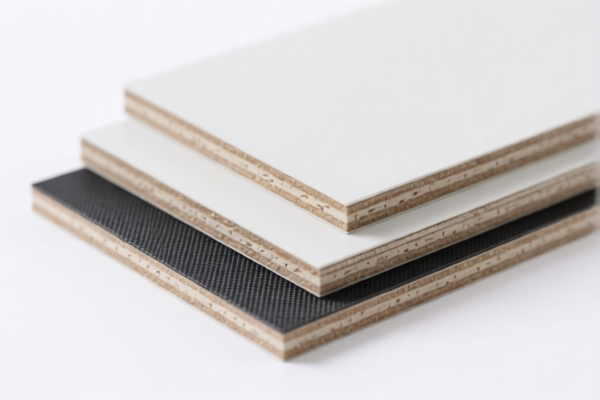
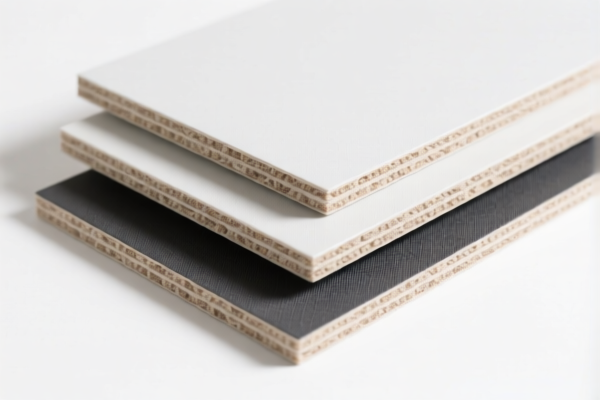
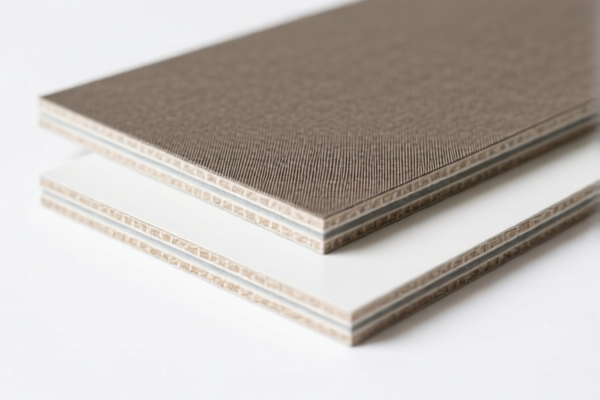
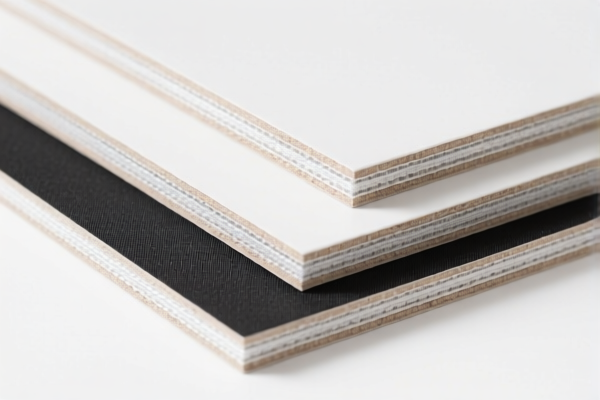
AI Analysis
🏗️ Polyurethane Textile Composite Shock Absorption Board: HS Code Classification & Clearance Strategy (2026)
🌐 HS Code Reference & Customs Clearance Guide | 2026 Latest Tariff Analysis | Professional Compliance Strategy
📌 I. Product Definition & Classification: What Exactly Is This Product?
A Polyurethane (PU) Textile Composite Shock Absorption Board is a specialized construction material combining the cushioning properties of polyurethane foam with the structural integrity and texture of textile fabrics. It is primarily used in architectural applications for soundproofing, vibration damping, and impact protection.
In international trade, the classification depends on the dominant characteristic and the manufacturing process: 1. Composite Nature: It involves layering or impregnating textile materials with PU. 2. Form Factor: It is a rigid or semi-rigid "board" or panel. 3. Application: Specifically designed for building/construction use.
⚠️ Critical Distinction:
- If the textile surface is merely decorative and the core is PU foam intended for padding → May fall under Chapter 59 (Impregnated/Coated Textiles).
- If the primary function is structural building insulation/shock absorption and the textile is a skin → May fall under Chapter 39 (Plastics/Composite Plates) or Chapter 68 (Mineral Products if cementitious).
- Key Determinant: Is it primarily a "textile product treated with plastic" or a "plastic product reinforced with textile"?
📦 II. HS Code Classification Details (Based on Provided Data)
The following HS Codes are derived directly from the specific characteristics of "Polyurethane Textile Composite Shock Absorption Board" as per the provided dataset.
| HS Code | Product Description Summary | Key Classification Logic |
|---|---|---|
3921.13.15.00 |
PU Textile Composite Building Board | Material & Form: Focuses on the "composite plate" aspect. Highlights the combination of PU and textile into a building panel. |
3921.13.19.50 |
PU Textile Composite Board | Material Specificity: Categorizes under "Plates, Sheets, Film, Foil, Strip" of plastics. Emphasizes the PU material and board shape. |
5903.20.25.00 |
PU-Impregnated Textile Fabric | Textile Focus: Classifies as "Artificial fiber textile fabrics impregnated/coated with polyurethane." Highlights the textile component treated with PU. |
5903.20.20.00 |
PU-Treated Textile Composite | Process Focus: "Impregnated, coated, covered, or laminated textile fabrics." Combines PU material requirements with textile composite form. |
6810.99.00.80 |
Synthetic Stone/Concrete Composite Board | Application Deduction: Inferenced as a "mineral product or artificial stone" based on the "building board" application, potentially treating it as a cementitious/concrete composite alternative. |
🔍 Important Note:
- Chapters 39 vs. 59: The choice between3921(Plastics) and5903(Textiles) hinges on whether the textile backing or the plastic coating is the essential character. - Chapter 68: The inclusion of6810.99.00.80suggests a potential classification as a "cement, concrete, or artificial stone" article if the board contains mineral binders or is used as a structural substitute.
💰 III. 2026 Latest Tariff Rate Breakdown (Including Additional Taxes)
✅ Applicable Country: United States (US)
✅ Origin: China (CN)
✅ Effective Date: From November 10, 2025 (and subsequent imports)
🎯 1. 3921.13.15.00 – PU Textile Composite Building Board
| Item | Detail |
|---|---|
| Base Tariff | 6.5% |
| Section 301 Tariff | +25.0% |
| Section 122 Tariff | +10.0% |
| Total Tariff Rate | 41.5% |
| Tax Calculation | CIF Value × 41.5% |
| De Minimis Exemption | ❌ Not Available (deny_de_minimis) |
| Legal Basis Path | Base Duty → Section 301 (Footnote) → Section 122 → Final Rate |
📌 Explanation:
- This code attracts the highest base duty among the plastic-based classifications. - The 25% Section 301 tariff is standard for many Chinese-made composite panels. - The 10% Section 122 tariff adds further burden, making this a high-cost classification.
🎯 2. 3921.13.19.50 – Other PU Plates/Sheets
| Item | Detail |
|---|---|
| Base Tariff | 5.3% |
| Section 301 Tariff | +25.0% |
| Section 122 Tariff | +10.0% |
| Total Tariff Rate | 40.3% |
| Tax Calculation | CIF Value × 40.3% |
| De Minimis Exemption | ❌ Not Available |
| Legal Basis Path | Base Duty → Section 301 → Section 122 → Final Rate |
📌 Note:
- Slightly lower base duty (5.3% vs 6.5%) makes this 1.2% cheaper than the previous code. - Still subject to full punitive tariffs.
🎯 3. 5903.20.25.00 – PU-Impregnated Textile Fabrics
| Item | Detail |
|---|---|
| Base Tariff | 7.5% |
| Section 301 Tariff | +25.0% |
| Section 122 Tariff | +10.0% |
| Total Tariff Rate | 42.5% |
| Tax Calculation | CIF Value × 42.5% |
| De Minimis Exemption | ❌ Not Available |
| Legal Basis Path | Base Duty → Section 301 → Section 122 → Final Rate |
📌 Observation:
- Highest total rate at 42.5%. - Higher base duty (7.5%) reflects the textile origin, which often faces stricter scrutiny and higher baseline tariffs.
🎯 4. 5903.20.20.00 – Impregnated/Coated Textiles (Specific)
| Item | Detail |
|---|---|
| Base Tariff | 0.0% |
| Section 301 Tariff | +25.0% |
| Section 122 Tariff | +10.0% |
| Total Tariff Rate | 35.0% |
| Tax Calculation | CIF Value × 35.0% |
| De Minimis Exemption | ❌ Not Available |
| Legal Basis Path | Base Duty (0%) → Section 301 → Section 122 → Final Rate |
📌 Key Advantage:
- This is the most cost-effective option at 35.0%. - The 0% base duty significantly lowers the total burden, but requires the product to strictly fit the "impregnated/coated textile" definition under this specific subheading.
🎯 5. 6810.99.00.80 – Other Cement/Concrete/Artificial Stone Articles
| Item | Detail |
|---|---|
| Base Tariff | 0.0% |
| Section 301 Tariff | +25.0% |
| Section 122 Tariff | +10.0% |
| Total Tariff Rate | 35.0% |
| Tax Calculation | CIF Value × 35.0% |
| De Minimis Exemption | ❌ Not Available |
| Legal Basis Path | Base Duty (0%) → Section 301 → Section 122 → Final Rate |
📌 Strategic Note:
- Also 35.0%, matching the best textile rate. - This classification is only viable if the board can be legally argued as a "mineral-based" or "artificial stone" composite, which may be difficult for a primarily PU-textile product.
🛠️ IV. Customs Clearance Practical Advice (Risk Mitigation)
✅ 1. Documentation Checklist (Non-Negotiable)
| Document | Requirement | Explanation |
|---|---|---|
| ✅ Product Specification Sheet | ✔️ Must Include | Detailed composition: % PU, % Textile, Density, Thickness, Shock Absorption Rating (Shore Hardness). |
| ✅ Manufacturing Process Diagram | ✔️ Crucial | Illustrate the lamination/impregnation process. Is the textile the base or the surface? This determines Ch. 39 vs. Ch. 59. |
| ✅ Commercial Invoice | ✔️ Precise Description | Do NOT just write "Board." Use: "PU-Textile Composite Acoustic Panel, Model XYZ, for Building Insulation." |
| ✅ Certificate of Origin (CO) | ✔️ Mandatory | Required to verify Chinese origin for Section 301/122 application. |
| ✅ Packaging List | ✔️ Accurate | Show unit weights and dimensions. Verify no mixed HS codes in one shipment unless explicitly allowed. |
| ✅ Test Reports | ✔️ Recommended | ASTM/ISO standards for fire resistance, compressive strength, and VOC emissions. |
✅ 2. Classification Strategy & Pitfalls
| Scenario | Correct Approach | Incorrect Approach | Consequence |
|---|---|---|---|
| High Base Duty Risk | Aim for 5903.20.20.00 or 6810.99.00.80 (0% base) |
Defaulting to 3921.13.15.00 (6.5% base) |
Paying extra 1.2%-2.2% unnecessarily. |
| Textile vs. Plastic | Emphasize "Impregnated Textile" if PU is coating | Emphasize "Plastic Board" if textile is dominant | Risk of audit and reclassification penalty. |
| De Minimis Abuse | Declare full value | Splitting shipment to avoid declaration | Severe penalties; de minimis is explicitly denied for these codes. |
| Misdescription | Label as "Composite Panel" | Labeling as "Foam" or "Carpet" | Customs may reject as "Not as described." |
✅ 3. Special Considerations
| Issue | Solution |
|---|---|
| Section 122 Tariff (10%) | This is a newer/additional tariff. Ensure your broker understands it applies even if Section 301 is present. |
| Material Dominance | If the textile constitutes >50% of the volume or value, argue for Chapter 59. If PU is dominant, argue Chapter 39. |
| Pre-Ruling Application | Apply for an Advance Ruling from US Customs if the product's structure is complex. This locks in the HS Code and avoids post-entry audits. |
🌍 V. Global Market Comparison (2026 Snapshot)
| Market | Recommended HS Code | Est. Total Duty | Key Requirement |
|---|---|---|---|
| 🇺🇸 USA | 5903.20.20.00 |
35.0% | Section 301 + 122 apply. |
| 🇺🇸 USA | 3921.13.15.00 |
41.5% | Higher base duty. |
| 🇨🇳 China (Import) | 5903.20.20.00 |
~10-15% (MFN) | No Section 301/122. |
| 🇪🇺 EU | 5903.20.20.00 |
~6-7% | No Section 301/122. CE Marking required. |
| 🇨🇦 Canada | 5903.20.20.00 |
~0-10% | CUSMA eligibility check. |
📌 Conclusion:
- The USA is the most challenging market due to the 35-42.5% total duty burden. - Cost Optimization: Striving for5903.20.20.00or6810.99.00.80saves 6.5% compared to the highest plastic classification. - Compliance: Accurate description and documentation are vital to avoid delays and penalties.
📌 VI. Common Errors & Pitfalls (Lessons Learned)
❌ Error 1: Calling the product "Foam Board"
👉 Result: Customs may classify under Chapter 39 (Plastics) with higher base duties or require additional safety certifications.
❌ Error 2: Ignoring Section 122 Tariff
👉 Result: Underpayment of 10% on CIF value → Back taxes + Interest.
❌ Error 3: Assuming "Textile" means low duty
👉 Result: Textile imports from China often face high scrutiny and Section 301/122 tariffs. Do not assume 0% base duty applies without verification.
❌ Error 4: Splitting Shipment to Avoid De Minimis
👉 Result: Illegal. US Customs aggressively audits splits. Fines can exceed 100% of the cargo value.
✅ Best Practice:
Use precise terminology: "Polyurethane-impregnated textile composite acoustic panel for building construction."
🎯 VII. Conclusion: Professional Compliance for Profit Protection
🎯 Key Takeaway:
🔹 "Base Duty Matters: 0% base duty codes save you 5-6% instantly."
🔹 "Total Duty is King: 35% is better than 42.5%."
🔹 "Document Everything: Your HS Code defense relies on your specs, not just your description."
📌 Pro Tip:
If your product contains significant textile content, push for
5903.20.20.00.
If it is primarily a structural board, consider3921.13.19.50or6810.99.00.80.
Always request a Pre-Ruling if the product is new to the market.
📣 Immediate Action:
📞 Consult your Customs Broker with the provided HS Codes.
📄 Prepare detailed specs highlighting the PU-Textile interface.
🚀 Optimize your landed cost by choosing the 35% tariff path where legally justified.
✨ Accurate Classification = Lower Costs + Faster Clearance
💼 Don't let tariffs eat your margins!
Customer Reviews
About HS Code Classification
The Harmonized System (HS) is an internationally standardized nomenclature developed by the World Customs Organization (WCO) to classify traded products. Over 200 countries use the HS system as the basis for customs tariffs, trade statistics, and import/export regulations.
Each HS code follows a hierarchical structure:
- Chapter (2 digits) — Broad category of goods (e.g., Chapter 84: Machinery and Mechanical Appliances)
- Heading (4 digits) — More specific grouping within the chapter
- Subheading (6 digits) — Internationally standardized breakdown, used by all WCO member countries
- National subdivisions (8-10 digits) — Country-specific extensions for further classification, such as US HTSUS 10-digit codes
Correct HS code classification is essential for smooth customs clearance, accurate duty payment, and compliance with trade regulations. Misclassification can lead to customs delays, overpayment of duties, or penalties.
When importing from CN to US, the applicable tariff rates may include:
- Most-Favored-Nation (MFN) rate — The standard duty rate applied to WTO members
- General rate — Applied to countries without trade agreements
- Trade remedy duties — Additional tariffs such as Section 301 (anti-dumping), Section 232 (national security), or countervailing duties
The information provided on this page is for reference purposes only. For official classification, please consult with your local customs authority or a licensed customs broker.