Polyurethane Textile Composite Weather Resistant Panel
CN → US| HS Code | Tariff Rate | Origin | Destination | Doc |
|---|---|---|---|---|
| 3921131500 | 41.5% | CN | US | Official Doc |
| 5903202000 | 35.0% | CN | US | Official Doc |
| 3921131950 | 40.3% | CN | US | Official Doc |
| 5903202500 | 42.5% | CN | US | Official Doc |
| 6810990080 | 35.0% | CN | US | Official Doc |
Product Images
AI Analysis
🧱 Polyurethane Textile Composite Weather-Resistant Panel
🌐 HS Code Reference & Customs Clearance Guide | 2026 Latest Tariff Analysis | Professional-Level Clearance Strategy 📌 I. Product Definition & Classification: Do You Really Understand "Polyurethane Textile Composite Panels"?
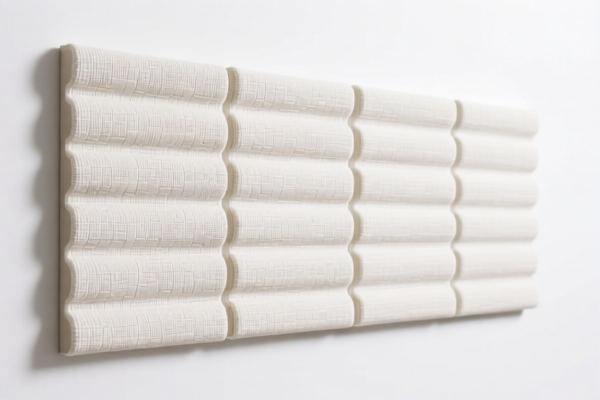
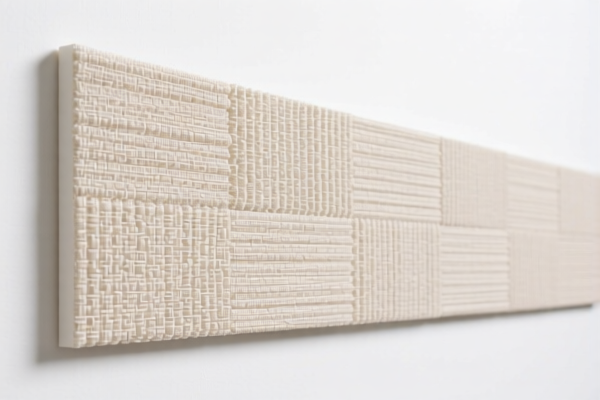
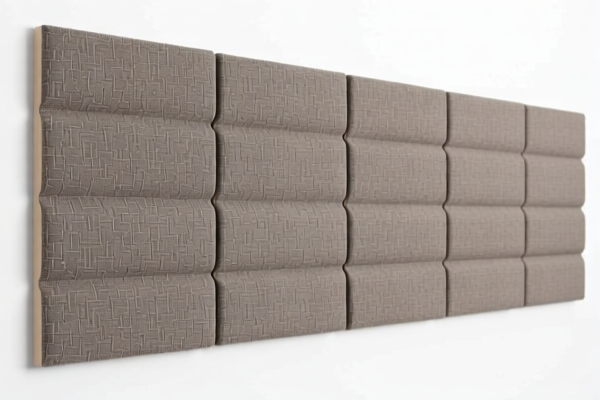
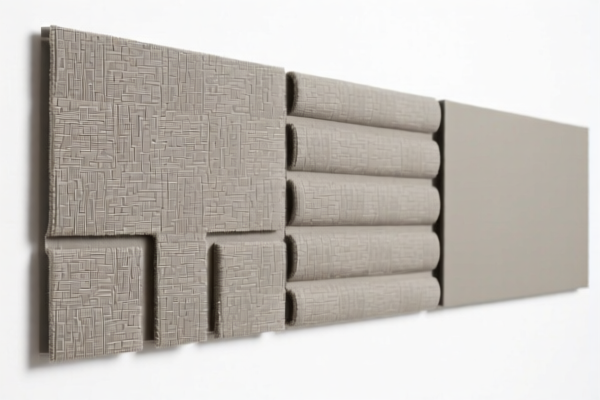
Polyurethane Textile Composite Weather-Resistant Panels are advanced building materials that combine the durability of polyurethane (PU) with the structural integrity of textile fabrics. In international trade, these panels are primarily used in construction for insulation, cladding, and weather-resistant barriers.
Depending on the specific manufacturing process and material composition, they fall into two main categories:
1. PU-Plastic Based (Chapter 39): If the polyurethane acts as the primary binding or structural matrix, and the textile is embedded or coated, it is classified under plastic articles. 2. Textile-Based (Chapter 59): If the textile fabric is the base material, impregnated, coated, or laminated with polyurethane to achieve weather resistance, it is classified under treated textile fabrics.
⚠️ Key Distinction Point:
- If the product is predominantly a rigid or flexible board/sheet where PU is the defining material structure → HS Code 3921
- If the product is a fabric-based material where PU is the coating/impregnating agent → HS Code 5903
- If the product is considered a cement/concrete composite due to specific mineral fillers → HS Code 6810 (Less common, but possible depending on formulation)
📦 II. HS Code Classification Details (2026 Latest Tariff Authority Comparison)
| HS Code | Product Description | Application Scenario | Primary Material Characteristic |
|---|---|---|---|
3921.13.15.00 |
Polyurethane textile composite building panel, material is polyurethane, form is composite board | Construction panels, insulation boards | PU is the main structural component combined with textiles |
5903.20.20.00 |
Polyurethane textile composite building panel, PU corresponds to material, textile composite meets impregnation/coating/lamination characteristics | Building panels, waterproof membranes | Textile base treated with PU for weather resistance |
3921.13.19.50 |
Polyurethane textile composite building panel, material is polyurethane, form is board, use is for construction | General construction boards | PU sheet/film/board with textile features |
5903.20.25.00 |
Polyurethane textile composite building panel, includes PU material and textile form, meets characteristics of PU-treated man-made fiber textile fabrics | Specialized textile-based building materials | Treated man-made fiber textile with PU |
6810.99.00.80 |
Polyurethane textile composite building panel, inferred as other products under cement/concrete/artificial stone categories due to "building panel" | Construction composites with mineral content | Mineral/concrete-based with PU/textile additives |
🔍 Key Reminder:
- The classification hinges on whether the textile or the polyurethane is the essential character of the good. - If it is a rigid board, 3921 is more likely. If it is a flexible fabric-like panel, 5903 is more likely. - Misclassification can lead to significant tax discrepancies (e.g., 0% vs 6.5% base duty).
💰 III. 2026 Latest Tariff Rate Details (Including Additional Taxes, Policy Additions)
✅ Applicable Country: United States (US)
✅ Country of Origin: China (CN)
✅ Effective Time: From November 10, 2025 (including subsequent imports)
🎯 1. 3921.13.15.00 – Polyurethane Textile Composite Building Panel (PU as Main Material)
| Item | Content |
|---|---|
| Base Tariff Rate | 6.5% (ad valorem) |
| USITC Additional Tax | +25% (under USITC Footnote for Section 301) |
| 122 Clause Tariff | +10% (Specific clause for this category) |
| Total Tariff Rate | 41.5% |
| Tax Calculation | CIF Value × 41.5% |
| De Minimis Exemption | ❌ Not Eligible |
| Legal Basis Path | USITC:3921.13.15.00 → Section 301: 25% → Clause 122: 10% |
📌 Explanation:
- The base rate is 6.5% for other plastic plates, sheets, and films. - An additional 25% is applied under Section 301 tariffs. - An additional 10% is applied under the specific "122 Clause" tariff. - Total: 41.5%. This is a high tariff bracket, significantly impacting cost.
🎯 2. 5903.20.20.00 – Polyurethane Treated Textile Fabric (Textile as Base)
| Item | Content |
|---|---|
| Base Tariff Rate | 0.0% (ad valorem) |
| USITC Additional Tax | +25% |
| 122 Clause Tariff | +10% |
| Total Tariff Rate | 35.0% |
| Tax Calculation | CIF Value × 35.0% |
| De Minimis Exemption | ❌ Not Eligible |
| Legal Basis Path | USITC:5903.20.20.00 → Section 301: 25% → Clause 122: 10% |
📌 Note:
- Base rate is 0% for certain textile coatings. - Despite the 0% base, the 25% + 10% additional taxes still apply. - Total: 35.0%. This is 6.5% lower than the PU-based classification, making it a more favorable tariff rate if the product qualifies.
🎯 3. 3921.13.19.50 – Other Polyurethane Plastic Boards
| Item | Content |
|---|---|
| Base Tariff Rate | 5.3% |
| USITC Additional Tax | +25% |
| 122 Clause Tariff | +10% |
| Total Tariff Rate | 40.3% |
| Tax Calculation | CIF Value × 40.3% |
| De Minimis Exemption | ❌ Not Eligible |
| Legal Basis Path | USITC:3921.13.19.50 → Section 301: 25% → Clause 122: 10% |
📌 Note:
- This is a residual category for PU boards not specifically listed elsewhere. - Total: 40.3%. Slightly lower than3921.13.15.00due to a lower base rate.
🎯 4. 5903.20.25.00 – PU-Treated Man-Made Fiber Textiles
| Item | Content |
|---|---|
| Base Tariff Rate | 7.5% |
| USITC Additional Tax | +25% |
| 122 Clause Tariff | +10% |
| Total Tariff Rate | 42.5% |
| Tax Calculation | CIF Value × 42.5% |
| De Minimis Exemption | ❌ Not Eligible |
| Legal Basis Path | USITC:5903.20.25.00 → Section 301: 25% → Clause 122: 10% |
📌 Note:
- Base rate is 7.5% for treated man-made fiber textiles. - Total: 42.5%. This is the highest tariff among all options. Avoid this classification unless strictly required by material composition.
🎯 5. 6810.99.00.80 – Cement/Concrete Composite Articles
| Item | Content |
|---|---|
| Base Tariff Rate | 0.0% |
| USITC Additional Tax | +25% |
| 122 Clause Tariff | +10% |
| Total Tariff Rate | 35.0% |
| Tax Calculation | CIF Value × 35.0% |
| De Minimis Exemption | ❌ Not Eligible |
| Legal Basis Path | USITC:6810.99.00.80 → Section 301: 25% → Clause 122: 10% |
📌 Note:
- Only applicable if the panel contains significant cement/concrete/mineral content. - Total: 35.0%. Same as textile-based, but classification must be strictly justified by mineral composition.
🛠️ IV. Customs Clearance Practical Advice (Pitfall Avoidance Guide)
✅ 1. Documentation Checklist (Essential)
| Document | Required | Description |
|---|---|---|
| ✅ Product Specification Sheet | ✔️ | Must detail material composition (PU % vs. Textile %), thickness, density, and weather-resistant properties. |
| ✅ Composition Declaration | ✔️ | Explicitly state if the good is "Textile Base with PU Coating" or "PU Board with Textile Lamination". |
| ✅ Product Photos | ✔️ | Clear images showing cross-section (to prove layering) and surface texture. |
| ✅ Test Reports | ✔️ | Weather resistance tests (UV, water absorption), tensile strength, flammability ratings. |
| ✅ Commercial Invoice | ✔️ | Clearly describe the product as "Polyurethane Textile Composite Panel for Building Use". Avoid vague terms like "Building Material". |
| ✅ Packing List | ✔️ | Detail quantities, weights, and dimensions. |
✅ 2. Declaration Tips (Key Mnemonics)
🔥 "Base Matters, Coating Defines, Don't Guess, Get Ruled!"
| Scenario | Correct Declaration | Incorrect Practice |
|---|---|---|
| Rigid PU Board with Fabric Lining | 3921.13.15.00 (41.5%) |
Misdeclare as 5903 → Risk of audit for misclassification. |
| Flexible PU-Coated Fabric Roll | 5903.20.20.00 (35.0%) |
Misdeclare as 3921 → Overpaying by 6.5%. |
| Mineral-PU Composite Board | 6810.99.00.80 (35.0%) |
Misdeclare as 3921 → Risk of rejection if mineral content is high. |
| Man-Made Fiber with PU | 5903.20.25.00 (42.5%) |
Avoid unless necessary; highest tax. |
✅ 3. Special Cases
| Situation | Handling Advice |
|---|---|
| Mixed Materials | If the product is a sandwich panel (e.g., PU foam core + fabric skin + cement backing), classify based on the essential character. Usually, the core material (PU) dictates 3921. |
| Pre-Cut vs. Rolls | If sold as rolls, 5903 is more likely. If pre-cut rigid boards, 3921 is more likely. |
| Customs Pre-Ruling | Strongly Recommended. Apply for an Advance Ruling with the CBP (Customs and Border Protection) before shipping to lock in the HS Code and tariff rate. |
| Origin Marking | Ensure products are marked "Made in China" to comply with labeling laws, as additional taxes are origin-specific. |
🌍 V. Global Market Comparison (2026 Latest)
| Country/Region | Recommended HS Code | Tariff Rate (China Origin) | Certification Requirements | Notes |
|---|---|---|---|---|
| 🇺🇸 USA | 3921.13.15.00 or 5903.20.20.00 |
35.0% – 41.5% | No specific, but weather resistance tests advised | Highest tariffs due to Section 301 + Clause 122 |
| 🇨🇳 China | 3921.13.15.00 or 5903.20.20.00 |
5.3% – 6.5% | CCC (if applicable) | Lower tariffs, no additional taxes |
| 🇪🇺 EU | 3921.90 or 5903.20 |
0% – 6% | CE, REACH | No additional punitive tariffs |
| 🇬🇧 UK | 3921.90 or 5903.20 |
0% – 6% | UKCA | No additional punitive tariffs |
📌 Conclusion:
- The US market imposes significant additional tariffs (up to 41.5%) on polyurethane textile composite panels from China. - Tax Planning: If possible, classify under5903.20.20.00(35.0%) instead of3921.13.15.00(41.5%) by ensuring the textile base is dominant. - Supply Chain: Consider sourcing from countries with free trade agreements (e.g., Vietnam, Mexico) to mitigate tariffs.
📌 VI. Common Mistakes & Pitfall Guide (Lessons Learned)
❌ Mistake 1: Classifying a rigid PU board as "Textile Fabric" to get a 0% base rate.
👉 Consequence: Customs will reclassify to 3921, imposing 41.5% + penalties.
❌ Mistake 2: Not declaring "122 Clause" tariff applicability.
👉 Consequence: Underpayment of 10%, leading to debt collection and audits.
❌ Mistake 3: Ignoring the "Weather-Resistant" claim in documentation.
👉 Consequence: If used for construction, lack of performance data may lead to rejection or delays.
❌ Mistake 4: Assuming "De Minimis" exemption applies.
👉 Consequence: Section 301 and Clause 122 tariffs do not benefit from the $800 de minimis exemption for low-value shipments. All shipments are taxable.
✅ Correct Practice:
"Polyurethane Textile Composite Panel, 10mm Thick, UV Resistant, for Exterior Cladding, HS Code: 3921.13.15.00, Origin: China"
🎯 VII. Conclusion: Precision in Classification Saves Money
🎯 Key Takeaways:
🔹 "Textile Base = 35%, PU Board = 41.5%. Choose wisely!"
🔹 "Section 301 + Clause 122 = 35% Minimum Tax on Chinese Goods"
🔹 "No De Minimis Exemption for Trade War Tariffs"
📌 Pro Tip:
If your panel can be technically classified as Textile-Base (5903), choose
5903.20.20.00to save 6.5% in base duties.
If it is strictly a Plastic Board (3921),3921.13.15.00is the accurate code.
Always apply for a Pre-Ruling if the distinction is ambiguous.
📣 Immediate Action:
📞 Contact a licensed customs broker.
📦 Provide cross-section photos and material safety data sheets (MSDS).
🚀 Optimize your classification to minimize tax liability.
✨ Professional Clearance, Started with Accurate Classification!
💼 Your bottom line depends on the first digit of the HS Code!
Customer Reviews
About HS Code Classification
The Harmonized System (HS) is an internationally standardized nomenclature developed by the World Customs Organization (WCO) to classify traded products. Over 200 countries use the HS system as the basis for customs tariffs, trade statistics, and import/export regulations.
Each HS code follows a hierarchical structure:
- Chapter (2 digits) — Broad category of goods (e.g., Chapter 84: Machinery and Mechanical Appliances)
- Heading (4 digits) — More specific grouping within the chapter
- Subheading (6 digits) — Internationally standardized breakdown, used by all WCO member countries
- National subdivisions (8-10 digits) — Country-specific extensions for further classification, such as US HTSUS 10-digit codes
Correct HS code classification is essential for smooth customs clearance, accurate duty payment, and compliance with trade regulations. Misclassification can lead to customs delays, overpayment of duties, or penalties.
When importing from CN to US, the applicable tariff rates may include:
- Most-Favored-Nation (MFN) rate — The standard duty rate applied to WTO members
- General rate — Applied to countries without trade agreements
- Trade remedy duties — Additional tariffs such as Section 301 (anti-dumping), Section 232 (national security), or countervailing duties
The information provided on this page is for reference purposes only. For official classification, please consult with your local customs authority or a licensed customs broker.