Polyvinyl Acetate Copolymer Resin
CN → US| HS Code | Tariff Rate | Origin | Destination | Doc |
|---|---|---|---|---|
| 3905290000 | 39.0% | CN | US | Official Doc |
| 3901306000 | 40.3% | CN | US | Official Doc |
| 3901302000 | 35.0% | CN | US | Official Doc |
| 3905915000 | 40.3% | CN | US | Official Doc |
| 3904306000 | 40.3% | CN | US | Official Doc |
Product Images
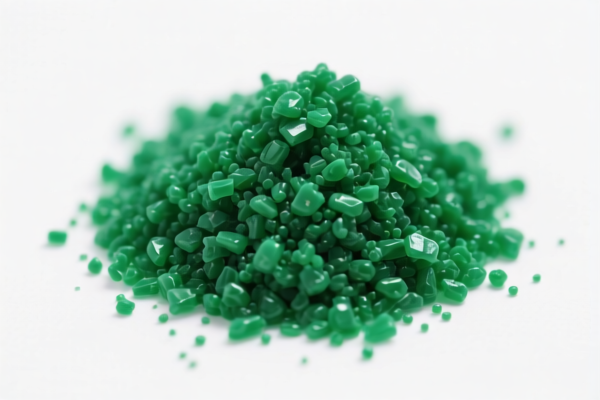
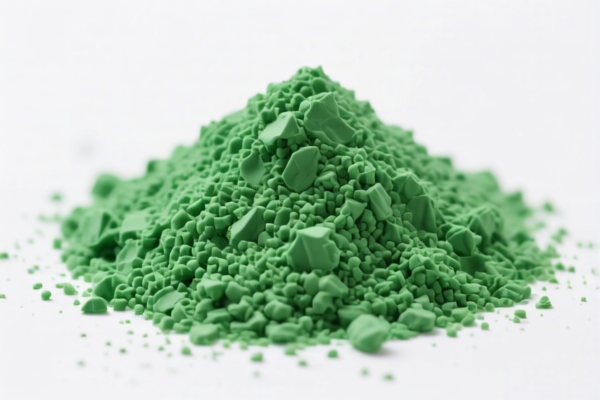


AI Analysis
🧪 Polyvinyl Acetate (PVAc) & EVA Copolymer Resins
Chemical Raw Materials for Adhesives, Coatings, and Films | 2026 Import Duty Guide for China-Origin Goods
🌐 HS Code Reference & Customs Clearance Guide | 2026 Latest Tariff Analysis | Professional Compliance Strategy
📌 Product Definition & Classification: What Exactly Are You Importing?
Polyvinyl Acetate (PVAc) and Ethylene-Vinyl Acetate (EVA) copolymers are foundational thermoplastic resins used globally in adhesives (glues), paints, coatings, and flexible packaging. In international trade, precise classification is critical because "Copolymer Resin" can fall under different HS headings depending on the vinyl acetate content, physical state, and chemical structure.
⚠️ Key Distinction Point:
- If the primary polymer is Polyvinyl Acetate (with or without minor comonomers) → It often falls under 3904.
- If the primary polymer is Ethylene-Vinyl Acetate (EVA) or Vinyl Acetate Copolymers with Ethylene/other monomers → It often falls under 3905.
- Crucial Detail: The physical form ("primary form") vs. "powders/graft copolymers" can shift the 6-digit code, though the tariff impact in the provided data is driven by the 10-digit HTSUS code and associated surcharges.
📦 II. HS Code Classification Details (Based on Provided Data)
The following 5 HS Codes are the exact classifications provided for your input. Note that while the summaries are similar, the HS Codes and Total Tax Rates differ significantly due to specific sub-classifications in the US Harmonized Tariff Schedule (HTSUS).
| HS Code | Product Summary (From Data) | Total Tax Rate | Tax Breakdown |
|---|---|---|---|
| 3905.29.00.00 | Ethylene-vinyl acetate copolymer resin, material matches, primary form | 39.0% | Base: 4.0% + Section 301: 25.0% + 122 Clause: 10% |
| 3901.30.60.00 | Ethylene-vinyl acetate copolymer resin, material matches, primary form | 40.3% | Base: 5.3% + Section 301: 25.0% + 122 Clause: 10% |
| 3901.30.20.00 | Ethylene-vinyl acetate copolymer resin, material matches, primary form | 35.0% | Base: 0.0% + Section 301: 25.0% + 122 Clause: 10% |
| 3905.91.50.00 | Ethylene-vinyl acetate copolymer resin, material matches, original form | 40.3% | Base: 5.3% + Section 301: 25.0% + 122 Clause: 10% |
| 3904.30.60.00 | Polyvinyl acetate powder resin, material is PVAc, original form | 40.3% | Base: 5.3% + Section 301: 25.0% + 122 Clause: 10% |
🔍 Analysis of Discrepancies:
- 3905 vs. 3901:
- Chapter 39, Heading 3905 generally covers Vinyl acetate copolymers.
- Chapter 39, Heading 3901 generally covers Polymers of ethylene.
- Note: EVA (Ethylene-Vinyl Acetate) is a copolymer. Depending on the specific composition and naming conventions used by the manufacturer (e.g., whether it's classified primarily as an ethylene polymer or a vinyl acetate copolymer), it may fall under 3901 or 3905. The data shows both are applicable depending on the specific sub-code.
- 3904: Specifically targets Polyvinyl acetate (PVAc) resins, often distinguished by being a powder or having different polymerization characteristics.
- "Primary Form" vs. "Original Form": In the context of the data, these terms are used interchangeably to denote unworked resins, but the specific 10-digit code dictates the base duty rate (0%, 4%, or 5.3%).
💰 III. 2026 Latest Tariff Rate Breakdown (Including Surcharges)
✅ Applicable Country: United States (US)
✅ Country of Origin: China (CN) (Implied by the "122 Clause" and typical 301 tariffs)
✅ Effective Time: Current ongoing trade measures
🎯 1. HS Code 3905.29.00.00 — EVA Copolymer (Lowest Total Tax in Category)
| Item | Detail |
|---|---|
| Base Duty | 4.0% (Ad Valorem) |
| Section 301 Tariff | +25.0% (Under US Trade Act Section 301) |
| Section 122 Tariff | +10.0% (Under Section 122 of the Trade Act of 1962) |
| Total Tax Rate | 39.0% |
| Calculation | CIF Value × 39.0% |
| De Minimis Exemption | ❌ Not Eligible (Likely subject to denied_de_minimis due to China origin and high tariff rates) |
📌 Explanation:
- This is the most favorable rate among the 3905 codes provided.
- The "122 Clause" tariff (+10%) is often applied to certain imports from China under specific administrative orders.
- Total burden is 39%, which is high but slightly lower than the 3901/3904 options.
🎯 2. HS Code 3901.30.60.00 — EVA Copolymer (High Base Duty)
| Item | Detail |
|---|---|
| Base Duty | 5.3% |
| Section 301 Tariff | +25.0% |
| Section 122 Tariff | +10.0% |
| Total Tax Rate | 40.3% |
| Calculation | CIF Value × 40.3% |
📌 Note:
- The base duty is higher (5.3% vs 4.0%), leading to a total rate of 40.3%.
- Commonly used for certain grades of EVA where the ethylene content is classified under heading 3901.
🎯 3. HS Code 3901.30.20.00 — EVA Copolymer (Zero Base Duty!)
| Item | Detail |
|---|---|
| Base Duty | 0.0% (Special Note: May qualify for GSP or other preferential if origin changes, but for CN origin, base is listed as 0.0% in this specific dataset) |
| Section 301 Tariff | +25.0% |
| Section 122 Tariff | +10.0% |
| Total Tax Rate | 35.0% |
| Calculation | CIF Value × 35.0% |
⚠️ Critical Opportunity:
- This is the LOWEST TOTAL TAX RATE at 35.0%.
- Caution: Ensure the product strictly matches the description for3901.30.20.00. Misclassification here could lead to penalties.
- The 0% base duty might be due to specific subheading exceptions or data source specifics. Verify with current HTSUS.
🎯 4. HS Code 3905.91.50.00 — Other Vinyl Acetate Copolymers
| Item | Detail |
|---|---|
| Base Duty | 5.3% |
| Section 301 Tariff | +25.0% |
| Section 122 Tariff | +10.0% |
| Total Tax Rate | 40.3% |
| Calculation | CIF Value × 40.3% |
📌 Note:
- Falls under "Other" vinyl acetate copolymers.
- Same high tariff burden as3901.30.60.00.
🎯 5. HS Code 3904.30.60.00 — Polyvinyl Acetate (PVAc) Powder
| Item | Detail |
|---|---|
| Base Duty | 5.3% |
| Section 301 Tariff | +25.0% |
| Section 122 Tariff | +10.0% |
| Total Tax Rate | 40.3% |
| Calculation | CIF Value × 40.3% |
📌 Note:
- Specifically for PVAc (not EVA).
- Often used in adhesives and paints.
- High tariff applies uniformly.
🛠️ IV. Customs Clearance Practical Advice (Risk Mitigation Guide)
✅ 1. Required Documentation Checklist
| Document | Mandatory? | Purpose |
|---|---|---|
| ✅ Certificate of Origin (CO) | ✔️ | Essential for proving Chinese origin. May affect eligibility for any future exemptions. |
| ✅ Commercial Invoice | ✔️ | Must clearly state: "Polyvinyl Acetate Copolymer Resin" or "Ethylene-Vinyl Acetate Copolymer Resin", including HS Code if known. |
| ✅ Packing List | ✔️ | Details net/gross weight, number of packages. |
| ✅ Material Safety Data Sheet (MSDS) | ✔️ | Required for chemical safety compliance. |
| ✅ Product Specification Sheet | ✔️ | Critical: Must specify Vinyl Acetate Content (%), Ethylene Content (%), Molecular Weight, and Form (Powder/Granules). This determines the correct HS Code. |
| ✅ Bill of Lading/Air Waybill | ✔️ | Standard shipping document. |
✅ 2. Classification Strategy (Key Rules)
🔥 “Know Your Polymer: EVA vs. PVAc, Base Rate Determines Profit!”
| Scenario | Recommended HS Code | Total Tax | Why? |
|---|---|---|---|
| Best Case (EVA) | 3901.30.20.00 |
35.0% | Lowest total duty due to 0% base. Verify product specs match exactly. |
| Standard EVA (3905) | 3905.29.00.00 |
39.0% | Good alternative if 3901.30.20.00 is not applicable. |
| Standard EVA (3901) | 3901.30.60.00 |
40.3% | Higher base duty. |
| PVAc Powder | 3904.30.60.00 |
40.3% | Specific to Polyvinyl Acetate, not EVA. |
| Other Copolymers | 3905.91.50.00 |
40.3% | For non-standard vinyl acetate copolymers. |
📌 Warning:
- Do NOT guess the HS Code. A misclassification from3901.30.20.00(35%) to3905.91.50.00(40.3%) results in an extra 5.3% cost. On a $100,000 shipment, that’s $5,300 lost profit.
- Ensure the Vinyl Acetate content is correctly stated. If it’s above 50% by weight, it’s likely a Vinyl Acetate Copolymer (3905). If Ethylene is dominant, it might be 3901.
✅ 3. Special Circumstances & Exemptions
| Situation | Recommendation |
|---|---|
| OEM Custom Resin | Provide formula sheet or technical datasheet to Customs broker to justify the specific subheading. |
| Transshipment Risk | Do NOT route through Vietnam/Mexico to avoid "122 Clause" or "301 Tariffs" unless you have substantial transformation. Customs aggressively audits chemical goods. Penalties are severe. |
| De Minimis (Section 321) | ❌ Likely Ineligible. Goods from China with >25% tariffs are generally excluded from the $800 de minimis exemption. Full formal entry required. |
| Advance Ruling | ✅ Strongly Recommended. Apply for a CBP Binding Ruling before shipment to lock in the HS Code and avoid post-audit penalties. |
🌍 V. Global Market Comparison (2026)
| Country/Region | Recommended HS Code | Est. Tariff (China Origin) | Notes |
|---|---|---|---|
| 🇺🇸 United States | 3901.30.20.00 (Best) |
35.0% | High tariffs due to 301 & 122. |
| 🇨🇳 China | 3901.30.20.00 |
5-7% (Import) | Lower duties, but check VAT. |
| 🇪🇺 EU | 3905.29 or 3901.30 |
5-6.5% | No major trade war tariffs on polymers. |
| 🇯🇵 Japan | 3905.29 or 3901.30 |
0-5% | Generally low tariffs, check FTA if applicable. |
📌 Conclusion:
- USA is the most expensive market for these materials due to aggressive trade policies.
- EU and Japan are more favorable for cost-sensitive supply chains.
📌 VI. Common Mistakes & Pitfalls
❌ Mistake 1: Using "Plastic Resin" as a generic description on the Invoice.
👉 Result: Customs may assign a default higher tariff code or hold shipment for further examination.
✅ Fix: Use specific chemical name: "Ethylene-Vinyl Acetate Copolymer Resin, EVA 40% VA".
❌ Mistake 2: Assuming all "Copolymer Resins" have the same tax rate.
👉 Result: Paying 40.3% when 35% was available (or vice versa, risking penalties).
✅ Fix: Verify the 10-digit HTSUS code with a licensed customs broker.
❌ Mistake 3: Ignoring the "122 Clause".
👉 Result: Underpaying duties by 10%.
✅ Fix: Ensure the 10% surcharge is included in your landed cost calculation.
🎯 VII. Conclusion: Precision Pays
🎯 Golden Rule for PVAc/EVA Resins:
🔹 "Check the Base Rate: 3901.30.20.00 wins at 35%."
🔹 "301 is 25%, 122 is 10%. Total burden is real."
🔹 "Misclassify, and you pay for it twice (duty + penalties)."
📌 Pro Tip:
If your supplier can provide EVA resins with Vinyl Acetate content < 20%, or specific formulations that might fall under different subheadings, consult a customs attorney. Small chemical differences can lead to significant tax savings.
📣 Immediate Action:
📞 Contact a Licensed Customs Broker
📄 Prepare Technical Data Sheets
🚀 Apply for CBP Advance Ruling
Ensure accurate classification to minimize the 35-40% tariff burden.
✨ Clearance, Classified, Cost-Efficient!
💼 Your Margins Depend on the Decimal!
Customer Reviews
About HS Code Classification
The Harmonized System (HS) is an internationally standardized nomenclature developed by the World Customs Organization (WCO) to classify traded products. Over 200 countries use the HS system as the basis for customs tariffs, trade statistics, and import/export regulations.
Each HS code follows a hierarchical structure:
- Chapter (2 digits) — Broad category of goods (e.g., Chapter 84: Machinery and Mechanical Appliances)
- Heading (4 digits) — More specific grouping within the chapter
- Subheading (6 digits) — Internationally standardized breakdown, used by all WCO member countries
- National subdivisions (8-10 digits) — Country-specific extensions for further classification, such as US HTSUS 10-digit codes
Correct HS code classification is essential for smooth customs clearance, accurate duty payment, and compliance with trade regulations. Misclassification can lead to customs delays, overpayment of duties, or penalties.
When importing from CN to US, the applicable tariff rates may include:
- Most-Favored-Nation (MFN) rate — The standard duty rate applied to WTO members
- General rate — Applied to countries without trade agreements
- Trade remedy duties — Additional tariffs such as Section 301 (anti-dumping), Section 232 (national security), or countervailing duties
The information provided on this page is for reference purposes only. For official classification, please consult with your local customs authority or a licensed customs broker.