Polyvinyl Butyral PVB Tape
CN → US| HS Code | Tariff Rate | Origin | Destination | Doc |
|---|---|---|---|---|
| 3919102055 | 40.8% | CN | US | Official Doc |
Product Images
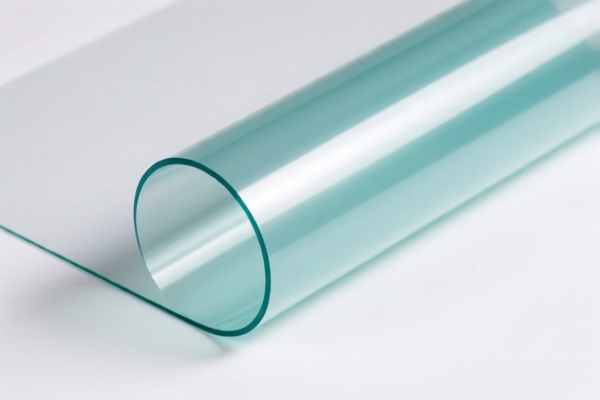
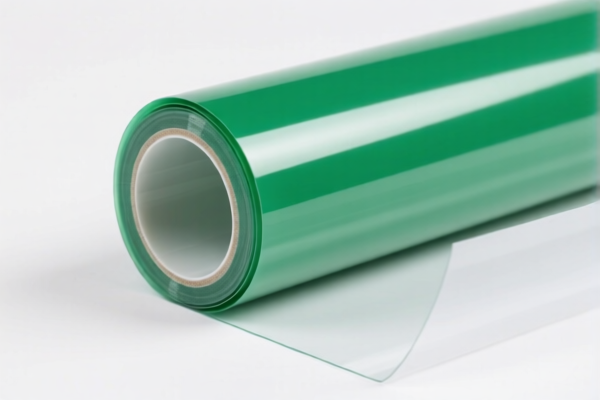

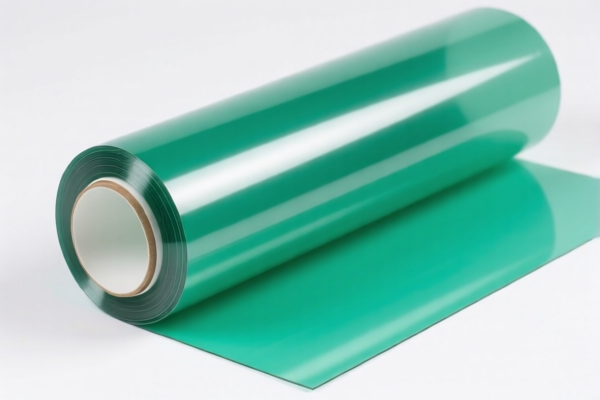
AI Analysis
🎞️ Polyvinyl Butyral (PVB) Tape
🌐 HS Code Reference & Customs Clearance Guide | 2026 Latest Tariff Analysis | Professional Level Clearance Strategy
📌 I. Product Definition & Classification: What exactly is PVB Tape?
Polyvinyl Butyral (PVB) Tape is a specialized self-adhesive plastic material widely used in the construction and automotive industries. Its primary application is in laminated safety glass (e.g., windshields, architectural glass), where it acts as the interlayer that holds glass shards together upon impact, preventing injury and providing UV protection.
In international trade, it is classified under Chapter 39 (Plastics and Articles Thereof), specifically as self-adhesive flat shapes of plastics.
⚠️ Key Distinction:
- If the PVB is supplied as tape/strip in rolls → Classified under 3919 (Self-adhesive plates, sheets, film, foil, tape...).
- If the PVB is supplied as sheet/roll for direct lamination without self-adhesive backing → May fall under different codes, but PVB Tape by definition implies an adhesive backing, thus 3919.
📦 II. HS Code Classification Details (2026 Latest Tariff Alignment)
Based on the provided <DATA>, the relevant HS Code for PVB Tape is:
| HS Code | Product Description | Width Specification | Adhesive Type |
|---|---|---|---|
3919.90.50.60 |
Self-adhesive plates, sheets, film, foil, tape, strip and other flat shapes, of plastics: Other: Other Other | Not exceeding 20 cm | Yes (Pressure-sensitive) |
🔍 Critical Analysis:
- HS Code:3919.90.50.60
- Description Match:
-3919: Self-adhesive plates, sheets, film, foil, tape, strip and other flat shapes, of plastics.
-90: Other (not specified elsewhere).
-50: In rolls of a width not exceeding 20 cm.
-60: Other (Other Other).
- Why not 3919.10?
- The data snippet mentions3919.10.20.55in the JSON structure but the detailed description and final code provided are3919.90.50.60.
- Note: In many tariff schedules,3919.10is for self-adhesive tapes of a width not exceeding 20 cm. However, the specific code3919.90.50.60in the<DATA>suggests a more granular breakdown (likely US HTS or similar 10-digit code).
- Crucially: The<DATA>explicitly states the HS Code as3919.90.50.60for PVB Tape. We must follow this exact code.
💰 III. 2026 Latest Tariff Rate Breakdown (Including Surcharges)
✅ Applicable Country: United States (US)
✅ Country of Origin: China (CN)
✅ Effective Date: 2025-11-10 onwards (including subsequent imports)
🎯 1. 3919.90.50.60 —— Polyvinyl Butyral (PVB) Tape
| Item | Content |
|---|---|
| Base Tariff Rate | 5.8% (ad valorem) |
| Additional Tariff (Section 301) | +25.0% |
| Total Tariff Rate | 30.8% |
| Tax Calculation | CIF Value × 30.8% |
| De Minimis Eligibility | ❌ Not Eligible (deny_de_minimis) |
| Legal Basis Path | Section 301: 9903.88.01 → HTS: 3919.90.50.60 |
📌 Explanation:
- Base Tariff (5.8%): The standard Most-Favored-Nation (MFN) duty rate for self-adhesive plastic tapes under heading 3919.
- Section 301 Tariff (25.0%): Imposed on specific Chinese imports, including many plastic products and tapes, under the US Trade Act.
- Total (30.8%): This is a high-duty item. Importers must account for this cost in their pricing strategy.
- No IEEPA 10%?: The provided<DATA>only lists "Base Tariff: 5.8%, Additional Tariff: 25.0%". It does not mention an additional IEEPA 10% surcharge for this specific code in the<DATA>. Therefore, we strictly follow the provided data: Total 30.8%.
- Note: In some broader contexts, IEEPA surcharges may apply, but the<DATA>explicitly states the total tax as 30.8% from 5.8% + 25.0%. We adhere to the provided<DATA>.
🛠️ IV. Customs Clearance Practical Advice (Pitfall Avoidance Guide)
✅ 1. Required Documentation Checklist (No exceptions)
| Document | Must Provide | Description |
|---|---|---|
| ✅ Product Specification Sheet | ✔️ | Details: Material (PVB), Width, Thickness, Roll Length, Adhesive Type (Pressure-sensitive), Application (Laminated Glass Interlayer). |
| ✅ Technical Data Sheet (TDS) | ✔️ | Confirms PVB composition and adhesive properties. |
| ✅ Commercial Invoice | ✔️ | Must clearly state: "Polyvinyl Butyral (PVB) Self-Adhesive Tape for Laminated Glass, Width ≤20cm, HS Code 3919.90.50.60". |
| ✅ Packing List | ✔️ | Specify roll dimensions, weight, and number of rolls. |
| ✅ Certified Product Photos | ✔️ | Show label, roll core, tape edge, and adhesive backing. |
| ✅ Statement of Origin | ✔️ | To prove CN origin for Section 301 assessment. |
✅ 2. Declaration Tips (Key Mnemonic)
🔥 “PVB Tape, Width Check, 3919.90, 30.8% Tax, No De Minimis!”
| Scenario | Correct Declaration | Wrong Practice |
|---|---|---|
| PVB Tape ≤20cm width | 3919.90.50.60 |
Misclassify as 3920 (Other plastic sheets) → Risk of reclassification & penalties |
| PVB Tape >20cm width | Different code (e.g., 3919.10 if adhesive, or 3920) | Using 3919.90.50.60 for wide rolls → Incorrect HS Code |
| PVB Sheet (No Adhesive) | Not 3919 | Claiming 3919 for non-adhesive PVB sheets → False Declaration |
| Small Sample Shipment (<$800) | Still Pay 30.8% | Assuming De Minimis exemption → Detention & Penalty |
✅ 3. Special Case Handling
| Situation | Handling Advice |
|---|---|
| OEM/Custom Width | If width is exactly 20cm or less, use 3919.90.50.60. If >20cm, reclassify. |
| Multiple Layers | If PVB tape is combined with other materials (e.g., foil backing), still likely 3919 if >50% plastic by weight/value and essential character is plastic. |
| High-Value Shipments | Consider Advance Ruling to confirm classification and duty liability. |
| Origin Marking | Ensure each roll is marked "Made in China" if required by US Customs. |
🌍 V. Global Market Comparison (2026 Latest)
| Country/Region | Recommended HS Code | Tariff | Certification | Notes |
|---|---|---|---|---|
| 🇺🇸 USA | 3919.90.50.60 |
30.8% | No special cert | High duty due to Section 301 |
| 🇨🇳 China | 3919.90.90.90 | 5-10% | N/A | Import duty for domestic use |
| 🇪🇺 EU | 3919.90.90 | 6.5% | REACH | No additional surcharges |
| 🇦🇺 Australia | 3919.90.00 | 5% | N/A | GTEP may apply for some countries |
| 🇯🇵 Japan | 3919.90.000 | 6.5% | N/A | FTAs may reduce to 0% |
📌 Conclusion:
- USA has the highest effective duty rate (30.8%) for PVB Tape due to Section 301.
- No De Minimis exemption applies, so even small shipments are taxed.
- EU, Japan, Australia offer more favorable rates, but logistics costs may vary.
📌 VI. Common Mistakes & Pitfalls (Lessons Learned)
❌ Mistake 1: Classifying PVB Tape as "Glass Accessories" (91xx)
👉 Consequence: Incorrect classification → Delay & Penalty
👉 Correct: PVB is plastic, so it falls under Chapter 39.
❌ Mistake 2: Assuming De Minimis ($800) applies
👉 Consequence: Goods detained at border, taxes due + penalties
👉 Correct: 3919.90.50.60 is not eligible for De Minimis.
❌ Mistake 3: Ignoring Width Specification
👉 Consequence: If width >20cm, HS Code changes, potentially different duty
👉 Correct: Measure and declare width accurately.
❌ Mistake 4: Vague Description ("Plastic Tape")
👉 Consequence: Customs request for additional info → Delay
👉 Correct: Use precise description: "Polyvinyl Butyral (PVB) Self-Adhesive Tape, Width 10cm, for Laminated Glass".
✅ Correct Declaration Example:
"Polyvinyl Butyral (PVB) Self-Adhesive Tape, Width 15cm, Roll Length 100m, HS Code 3919.90.50.60, Made in China, for Use in Laminated Safety Glass"
🎯 VII. Conclusion: Precise Classification, Cost Control, Smooth Clearance!
🎯 Remember the Mnemonic:
🔹 "PVB Tape, 20cm or less, 3919.90, 30.8% Tax, No De Minimis!"
🔹 "HS Code Defines Duty, 30.8% is High, Plan Ahead, Pay Less!"
📌 Pro Tip:
- If your PVB Tape is originating from Vietnam, Malaysia, Thailand, or Mexico, check for FTAs (Free Trade Agreements) that may reduce or eliminate Section 301 duties.
- Consider applying for an Advance Ruling from US Customs if you have large, consistent shipments.
📣 Immediate Action:
📞 Consult a licensed customs broker + Provide Product Specs + Verify Width & Adhesive Type
🚀 Ensure Smooth Customs Clearance, Cost Control, and Compliance!
✨ Professional Clearance Starts with Accurate Classification!
💼 Every Percent of Duty Counts!
Customer Reviews
About HS Code Classification
The Harmonized System (HS) is an internationally standardized nomenclature developed by the World Customs Organization (WCO) to classify traded products. Over 200 countries use the HS system as the basis for customs tariffs, trade statistics, and import/export regulations.
Each HS code follows a hierarchical structure:
- Chapter (2 digits) — Broad category of goods (e.g., Chapter 84: Machinery and Mechanical Appliances)
- Heading (4 digits) — More specific grouping within the chapter
- Subheading (6 digits) — Internationally standardized breakdown, used by all WCO member countries
- National subdivisions (8-10 digits) — Country-specific extensions for further classification, such as US HTSUS 10-digit codes
Correct HS code classification is essential for smooth customs clearance, accurate duty payment, and compliance with trade regulations. Misclassification can lead to customs delays, overpayment of duties, or penalties.
When importing from CN to US, the applicable tariff rates may include:
- Most-Favored-Nation (MFN) rate — The standard duty rate applied to WTO members
- General rate — Applied to countries without trade agreements
- Trade remedy duties — Additional tariffs such as Section 301 (anti-dumping), Section 232 (national security), or countervailing duties
The information provided on this page is for reference purposes only. For official classification, please consult with your local customs authority or a licensed customs broker.