Polyvinyl Chloride Resin (Low Chlorine Content Grade)
CN → US| HS Code | Tariff Rate | Origin | Destination | Doc |
|---|---|---|---|---|
| 3901905501 | 41.5% | CN | US | Official Doc |
| 3915300000 | 35.0% | CN | US | Official Doc |
| 3915900090 | 35.0% | CN | US | Official Doc |
| 3904100000 | 41.5% | CN | US | Official Doc |
| 3904220000 | 41.5% | CN | US | Official Doc |
| 3901909000 | 41.5% | CN | US | Official Doc |
Product Images
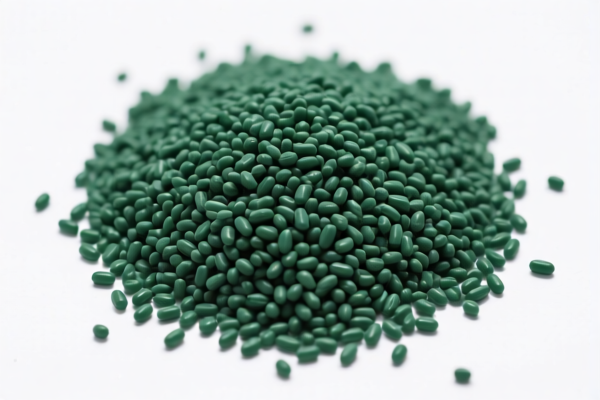


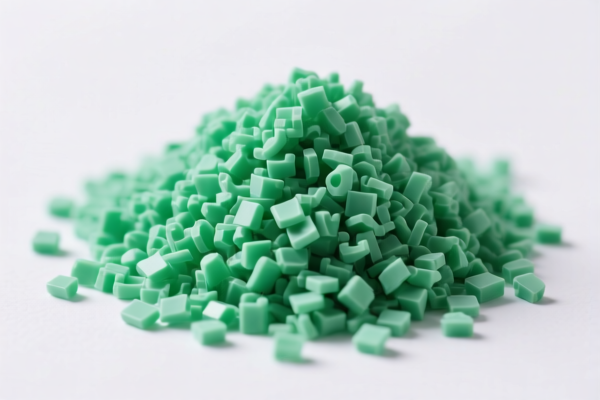
AI Analysis
🧪 PVC Resin (Low Chlorine Content Grade) – The High-Tax Trap?
🌐 HS Code Reference & Customs Clearance Guide | 2026 Latest Tariff Analysis | Professional Clearance Strategy
📌 I. Product Definition & Classification: Do You Really Understand "Low Chlorine PVC"?
Polyvinyl Chloride (PVC) Resin is one of the most widely used thermoplastics in the world. However, the term "Low Chlorine Content Grade" is a red flag in customs classification. In standard trade terminology, PVC resin is defined by its polymerization degree and viscosity, not primarily by "chlorine content" (which is chemically fixed at ~56-57%).
If your product is labeled "Low Chlorine," it likely refers to: 1. Modified PVC or PVC Blends (e.g., PVC with impact modifiers that dilute chlorine density); 2. Recycled PVC Resin (Grade "3915" or "3904" depending on form); 3. A misclassification: The importer might be trying to argue for a lower base tariff by claiming it’s not "standard" PVC.
⚠️ Critical Distinction:
- Primary Form PVC Resin (Powder/Granules) → Generally falls under 3901 or 3904.
- Waste/Scrap PVC → Falls under 3915.
- "Low Chlorine" is NOT a standard HS descriptor. Customs will look at the physical state (powder/granules) and chemical nature (vinyl chloride polymer).
📦 II. HS Code Classification Details (Based on Provided Data)
The following HS Codes are derived strictly from the provided <DATA> for PVC-related products. Note that "Low Chlorine" PVC is most likely classified as a Vinyl Chloride Polymer (3904 series) or Recycled/Scrap PVC (3915 series), depending on its origin and form.
| HS Code | Product Description (Summary) | Total Tax Rate | Tax Breakdown | Applicable Scenario |
|---|---|---|---|---|
3901.90.55.01 |
PVC Resin, Primary Form, Low Odor | 41.5% | Base: 6.5%, Addl: 25.0%, Sec 301: 10% | Best Match for "Low Chlorine/Modified" if treated as Specialty PVC. "Low Odor" often correlates with low-volatile, modified resins. |
3915.30.00.00 |
PVC Resin, Primary Form, Meets Polymer Definition | 35.0% | Base: 0.0%, Addl: 25.0%, Sec 301: 10% | Recycled PVC or Off-spec Resin. If "Low Chlorine" implies recycled content or non-standard grade, this may apply. |
3915.90.00.90 |
Other Plastic Raw Materials, Non-PET, Primary Form | 35.0% | Base: 0.0%, Addl: 25.0%, Sec 301: 10% | Fallback for Non-Standard PVC. If customs rejects 3901/3904 due to "low chlorine" ambiguity, this may be used for other plastic polymers. |
3904.10.00.00 |
Vinyl Chloride Polymers, Primary Form | 41.5% | Base: 6.5%, Addl: 25.0%, Sec 301: 10% | Standard PVC Resin. If "Low Chlorine" is a marketing term but it’s still pure PVC resin, this is the default. |
3904.22.00.00 |
PVC Resin, Primary Form, Meets Material & Form Requirements | 41.5% | Base: 6.5%, Addl: 25.0%, Sec 301: 10% | Standard PVC Resin. Similar to 3904.10, but specific to PVC material definition. |
🔍 Key Insight:
- "Low Chlorine" PVC is not a distinct HS category. Customs will classify it based on whether it is virgin resin (3901/3904) or recycled/scrap (3915).
-3901.90.55.01is the most likely candidate for "Low Chlorine" or "Low Odor" PVC, as it carries a specific qualifier that may align with modified/resin blends.
-3915.30.00.00applies if the product is recycled PVC or waste, which might have lower chlorine content due to degradation or blending.
💰 III. 2026 Latest Tariff Rate Details (Including Surcharges)
✅ Applicable Country: USA (US)
✅ Origin: China (CN) (Note: If origin is non-China, USITC 301 tariffs may not apply)
✅ Effective Date: 2025+ (Current Trade War Era)
🎯 1. 3901.90.55.01 & 3904.10.00.00 & 3904.22.00.00 — PVC Resin (Virgin/Standard)
| Item | Content |
|---|---|
| Base Tariff | 6.5% (ad valorem) |
| USITC Section 301 Surcharge | +25.0% |
| IEEPA Sec 122 Tariff | +10.0% |
| Total Effective Rate | 41.5% |
| Tax Calculation | CIF Value × 41.5% |
| De Minimis Exemption | ❌ Not Applicable (deny_de_minimis) |
| Legal Basis Path | USITC:3901.90.55.01 → FOOTNOTE:301.01 → IEEPA:122 |
📌 Explanation:
- Base 6.5%: Standard MFN rate for PVC resin.
- 25% 301 Tariff: Trade war surcharge on Chinese goods.
- 10% IEEPA 122: Additional tariff under Section 122 of the Trade Expansion Act.
- Total 41.5%: Extremely High. This is a high-cost commodity for US importers.
🎯 2. 3915.30.00.00 & 3915.90.00.90 — PVC Scrap/Recycled/Other
| Item | Content |
|---|---|
| Base Tariff | 0.0% |
| USITC Section 301 Surcharge | +25.0% |
| IEEPA Sec 122 Tariff | +10.0% |
| Total Effective Rate | 35.0% |
| Tax Calculation | CIF Value × 35.0% |
| De Minimis Exemption | ❌ Not Applicable |
| Legal Basis Path | USITC:3915.30.00.00 → FOOTNOTE:301.01 → IEEPA:122 |
📌 Note:
- Base 0%: Scrap/recycled plastics often have lower base rates.
- Still 35% Total: Even with 0% base, the 35% total tax is significant.
- "Low Chlorine" PVC might be classified here if it’s recycled or non-virgin.
🛠️ IV. Customs Clearance Practical Advice (Real-World Pitfall Guide)
✅ 1. Documentation Checklist (Mandatory)
| Document | Required | Notes |
|---|---|---|
| ✅ Product Specification Sheet | ✔️ | Must detail chlorine content, residual monomer (VCM) levels, odor characteristics, and physical form (powder/granules). |
| ✅ MSDS (Material Safety Data Sheet) | ✔️ | Critical for chemical products. Shows toxicity, flammability, and composition. |
| ✅ Certificate of Origin (CO) | ✔️ | To determine if 301 tariffs apply (if non-China, rates may drop). |
| ✅ Commercial Invoice | ✔️ | Must clearly state "PVC Resin, Primary Form" and avoid vague terms like "Low Chlorine" without chemical definition. |
| ✅ Bill of Lading | ✔️ | Standard shipping document. |
| ✅ Third-Party Test Report | ✔️ | Proof of chlorine content (e.g., 56-57% for standard PVC, lower for modified). |
✅ 2. Classification Strategy (Key Tips)
🔥 "Clarify 'Low Chlorine': Is it Modified or Recycled?"
| Scenario | Correct HS Code | Error If Misclassified |
|---|---|---|
| Virgin PVC Resin, "Low Odor/Modified" | 3901.90.55.01 |
If classified as 3904.10.00.00, still 41.5%, but may face scrutiny. |
| Recycled PVC Resin/Scrap | 3915.30.00.00 |
If classified as virgin, overpay taxes; if classified as scrap when virgin, underpay → Penalties! |
| Non-PET Plastic Raw Material (Ambiguous) | 3915.90.00.90 |
Only if not clearly PVC. If it’s PVC, this is misclassification. |
| Standard PVC Resin | 3904.10.00.00 or 3904.22.00.00 |
41.5% tax. |
📌 Key Advice:
- "Low Chlorine" is not a standard HS term. Use "Modified PVC Resin" or "PVC Blend" in commercial invoices.
- If the product is recycled, declare it as3915.30.00.00to potentially save on base tariff (though 301/122 still apply).
- Never declare as "Polymer" without specifying PVC. Customs will flag it.
✅ 3. Special Cases
| Case | Handling Advice |
|---|---|
| OEM PVC Resin | Provide client order + formula sheet. Prove it’s PVC, not "other plastic." |
| Low Chlorine due to Blending | If blended with PE/PP, may be classified as Plastic Mix (3915.90.00.90). Risk: Higher scrutiny. |
| Non-Chinese Origin | If from Vietnam, Thailand, Mexico, 301 tariffs may not apply → Tax drops to 6.5% or 0% base. |
| De Minimis ($800) | ❌ Not Applicable. PVC resin is not exempt. All shipments subject to full duty. |
🌍 V. Global Customs Comparison (2026)
| Country/Region | Recommended HS Code | Tariff (China Origin) | Certification Required | Notes |
|---|---|---|---|---|
| 🇺🇸 USA | 3901.90.55.01 or 3904.10.00.00 |
41.5% | None (but MSDS required) | Highest Tax. 301 + 122 tariffs apply. |
| 🇨🇳 China | 3904.10.00.00 |
5-6.5% | CCC (if applicable) | Lower tax for domestic use. |
| 🇪🇺 EU | 3904.21.00 |
6.5% | REACH | No 301 tariffs. |
| 🇬🇧 UK | 3904.21.00 |
6.5% | UKCA/REACH | Post-Brexit rules. |
| 🇯🇵 Japan | 3904.21.00 |
5-6% | JIS | Low tariff, strict quality checks. |
📌 Conclusion:
- USA is the most expensive market for PVC resin due to 41.5% total tax.
- Consider supply chain diversification (e.g., source from Vietnam/Mexico) to avoid 301/122 tariffs.
📌 VI. Common Mistakes & Pitfalls (Lessons Learned)
❌ Mistake 1: Declaring "Low Chlorine PVC" as "Plastic Pellets"
👉 Result: Customs may classify as 3915.90.00.90 (35% tax) or flag for misdescription.
❌ Mistake 2: Not providing MSDS for Chemical Product
👉 Result: Hold at port, delay in clearance, possible rejection.
❌ Mistake 3: Assuming "Low Chlorine" means Lower Tax
👉 Result: No tax benefit. Still subject to 301/122 tariffs.
❌ Mistake 4: Declaring Recycled PVC as Virgin Resin
👉 Result: Fraud accusation, penalties, and back taxes.
✅ Correct Approach:
"PVC Resin, Vinyl Chloride Polymer, Primary Form, Modified Grade (Low Odor), HS Code 3901.90.55.01, Origin: China"
🎯 VII. Conclusion: Precision in Classification Saves Money!
🎯 Key Takeaways:
🔹 "Low Chlorine" is a technical detail, not a customs category.
🔹 PVC Resin from China faces 41.5% tax in the US.
🔹 Recycled PVC (3915) has 35% tax, not 0%.
🔹 Origin is Key: Non-China origin can cut taxes by 5-6x.
📌 Pro Tip:
If your PVC resin is recycled or modified, consider Pre-Ruling (Advance Ruling) from CBP to confirm HS Code and avoid disputes.
📣 Action Plan:
📞 Contact a licensed customs broker + Provide MSDS + Test Report + Apply for Pre-Ruling.
🚀 Optimize supply chain to avoid 301/122 tariffs if possible.
✨ Precision Classification, Smoother Clearance, Lower Costs!
💼 Every Percent Counts in PVC Trade!
Customer Reviews
About HS Code Classification
The Harmonized System (HS) is an internationally standardized nomenclature developed by the World Customs Organization (WCO) to classify traded products. Over 200 countries use the HS system as the basis for customs tariffs, trade statistics, and import/export regulations.
Each HS code follows a hierarchical structure:
- Chapter (2 digits) — Broad category of goods (e.g., Chapter 84: Machinery and Mechanical Appliances)
- Heading (4 digits) — More specific grouping within the chapter
- Subheading (6 digits) — Internationally standardized breakdown, used by all WCO member countries
- National subdivisions (8-10 digits) — Country-specific extensions for further classification, such as US HTSUS 10-digit codes
Correct HS code classification is essential for smooth customs clearance, accurate duty payment, and compliance with trade regulations. Misclassification can lead to customs delays, overpayment of duties, or penalties.
When importing from CN to US, the applicable tariff rates may include:
- Most-Favored-Nation (MFN) rate — The standard duty rate applied to WTO members
- General rate — Applied to countries without trade agreements
- Trade remedy duties — Additional tariffs such as Section 301 (anti-dumping), Section 232 (national security), or countervailing duties
The information provided on this page is for reference purposes only. For official classification, please consult with your local customs authority or a licensed customs broker.