Poplar Construction Timber
CN → US| HS Code | Tariff Rate | Origin | Destination | Doc |
|---|---|---|---|---|
| 4412333285 | 43.0% | CN | US | Official Doc |
| 4407970079 | 35.0% | CN | US | Official Doc |
| 4408900197 | 35.0% | CN | US | Official Doc |
| 4412335700 | 43.0% | CN | US | Official Doc |
| 4408900151 | 35.0% | CN | US | Official Doc |
Product Images
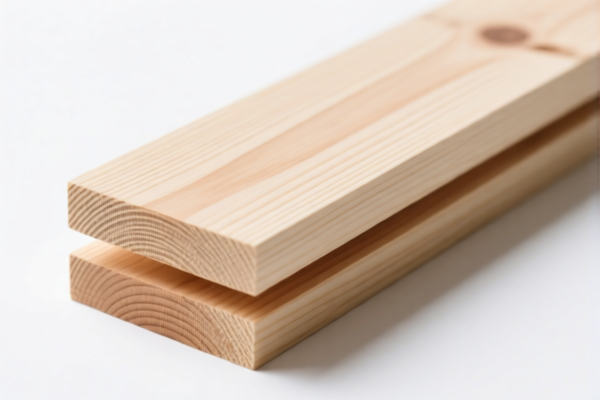
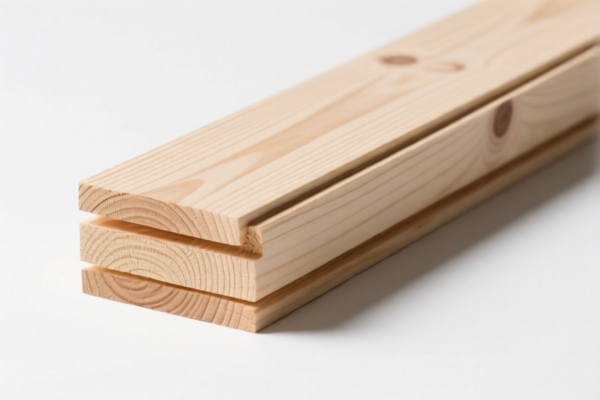
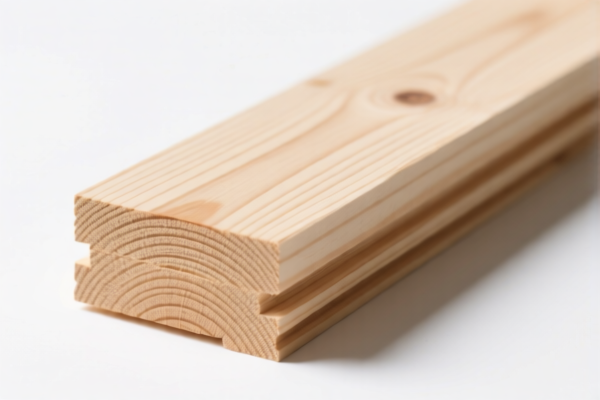
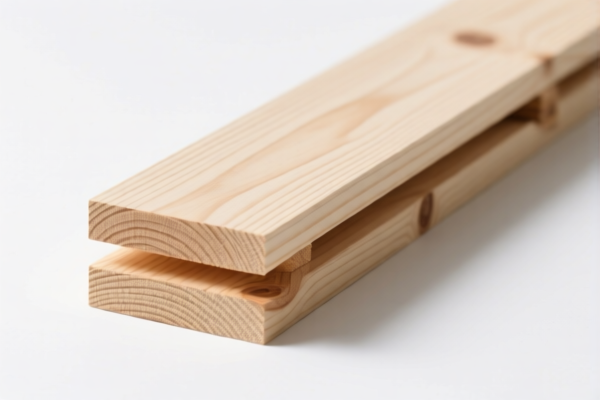
AI Analysis
🌲 Poplar Construction Timber (Poplar Boards/Planks)
🌐 HS Code Reference & Customs Clearance Guide | 2026 Latest Tariff Analysis | Professional Clearance Strategy
📌 I. Product Definition & Classification: Do You Really Understand "Poplar Timber"?
Poplar construction timber is a widely used softwood material in woodworking, furniture manufacturing, and light construction. In international trade, its classification depends strictly on its processing depth, physical form, and intended use.
The key distinction lies in whether the wood is: 1. Roughly Processed (Sawn or sliced, >6mm thick) → Classified under Chapter 44 (Wood and articles of wood). 2. Engineered/Laminated (Plywood or Veneer sheets) → Classified under Chapter 44 (Plywood, veneer, and other wood-based panels).
⚠️ Key Differentiation Point:
- If the wood is sliced, sawn longitudinally, and >6mm thick → It is considered "Wood" (Heading 4407/4408).
- If the wood is layered with adhesive or formed into plywood → It is considered "Plywood/Laminated Wood" (Heading 4412).
- If the wood is a thin decorative veneer → It is considered "Veneer Sheets" (Heading 4408).
📦 II. HS Code Classification Details (2026 Latest Tariff Authority Comparison)
Based on the provided data, here are the specific HS Codes for Poplar Timber:
| HS Code | Product Description | Applicable Scenario | Tax Rate (Total) |
|---|---|---|---|
4407.97.00.79 |
Poplar boards: Material: Poplar; Form: Longitudinally sawn or sliced wood, thickness >6mm | Roughly processed planks, construction frames, structural components | 35.0% |
4408.90.01.97 |
Poplar boards: Material: Poplar; Form: Decorative Veneer (Other categories fallback) | Thin decorative sheets for furniture surfaces, veneer sheets | 35.0% |
4408.90.01.51 |
Poplar boards: Material: Poplar; Form: Decorative Veneer, meets material & form requirements | Specific veneer sheets for high-end furniture or cabinetry | 35.0% |
4412.33.32.85 |
Poplar boards: Material: Poplar; Form: Plywood/Laminated Wood (Matches plywood & laminated wood characteristics) | Engineered plywood, multi-layer composite boards for flooring or structural use | 43.0% |
4412.33.57.00 |
Poplar boards: Material: Poplar; Form: Plywood/Laminated Wood products | Standard plywood sheets, laminated timber for construction | 43.0% |
🔍 Important Reminder:
- "Plywood/Laminated Wood" (HS 4412) incurs a higher tax burden (43%) compared to Sawn/Sliced Wood or Veneer (HS 4407/4408) (35%).
- The definition of "Plywood" relies on the bonding of layers with adhesive. If layers are merely pressed without adhesive, it may not be classified as plywood.
- Veneer sheets (HS 4408) are typically very thin (<6mm) and used for surface decoration, not structural support.
💰 III. 2026 Latest Tariff Rate Breakdown (Including Surtaxes & Policy Add-ons)
✅ Applicable Country: United States (US)
✅ Origin: China (CN)
✅ Effective Date: From November 10, 2025 (including subsequent imports)
🎯 1. 4407.97.00.79 —— Poplar Sawn/Sliced Wood (>6mm)
| Item | Content |
|---|---|
| Base Tariff | 0.0% (ad valorem) |
| Section 301 Surtax | +25% (Additional tariff under Section 301) |
| Section 122 Tariff | +10% (Additional tariff under Section 122) |
| Total Tax Rate | 35.0% |
| Tax Calculation | CIF Value × 35% |
| De Minimis Exemption Eligible? | ❌ No (deny_de_minimis) |
| Legal Basis Path | Section 301 → Section 122 → USITC:4407.97.00.79 |
📌 Explanation:
- The 25% is the standard Section 301 tariff for many wood products from China.
- The 10% is an additional "Section 122" tariff, often applied to specific strategic or sensitive goods.
- Total 35% is considered high, requiring careful cost planning.
🎯 2. 4408.90.01.97 & 4408.90.01.51 —— Poplar Veneer Sheets
| Item | Content |
|---|---|
| Base Tariff | 0.0% (ad valorem) |
| Section 301 Surtax | +25% (Additional tariff under Section 301) |
| Section 122 Tariff | +10% (Additional tariff under Section 122) |
| Total Tax Rate | 35.0% |
| Tax Calculation | CIF Value × 35% |
| De Minimis Exemption Eligible? | ❌ No (deny_de_minimis) |
| Legal Basis Path | Section 301 → Section 122 → USITC:4408.90.01.97/51 |
📌 Note:
- Veneer sheets are often used for decoration. Even though the base tariff is 0%, the 35% total rate remains high.
- Ensure the thickness and bonding method are clearly declared to avoid misclassification as plywood (which is 43%).
🎯 3. 4412.33.32.85 & 4412.33.57.00 —— Poplar Plywood/Laminated Wood
| Item | Content |
|---|---|
| Base Tariff | 8.0% (ad valorem) |
| Section 301 Surtax | +25% (Additional tariff under Section 301) |
| Section 122 Tariff | +10% (Additional tariff under Section 122) |
| Total Tax Rate | 43.0% |
| Tax Calculation | CIF Value × 43% |
| De Minimis Exemption Eligible? | ❌ No (deny_de_minimis) |
| Legal Basis Path | Section 301 → Section 122 → USITC:4412.33.32.85/57 |
📌 Explanation:
- Plywood has a base tariff of 8%, which is higher than sawn wood or veneer (0%).
- With surtaxes, the total reaches 43%, making it the most expensive category among the options.
- Misclassifying plywood as "sawn wood" to save 8% is a high-risk audit target.
🛠️ IV. Customs Clearance Practical Advice (Combat Pitfall Guide)
✅ 1. Document Checklist (None Can Be Missing)
| Document | Must Provide | Description |
|---|---|---|
| ✅ Product Specification Sheet | ✔️ | Dimensions, thickness, number of layers, adhesive type (if plywood) |
| ✅ Product Photos (Including Labels) | ✔️ | Clear view of grain structure, edge bands, and brand labels |
| ✅ Commercial Invoice | ✔️ | Must specify "Poplar Plywood" or "Poplar Sawn Timber" accurately |
| ✅ Packing List | ✔️ | Detail quantity, weight, and packaging type |
| ✅ Certificate of Origin (CO) | ✔️ | If not from China, applicable preferential rates may apply |
| ✅ Phytosanitary Certificate | ✔️ | Required for all wood products to prove pest-free status |
✅ 2. Declaration Tips (Key Mantra)
🔥 “Form Determines Code, Adhesive Determines Plywood, Name Must Be Precise!”
| Scenario | Correct Declaration | Wrong Practice |
|---|---|---|
| Sawn/Plank Poplar Wood (>6mm) | 4407.97.00.79 |
Misdeclare as Plywood → 43% |
| Decorative Poplar Veneer | 4408.90.01.97 |
Misdeclare as Sawn Wood → Risk of audit |
| Poplar Plywood (Layered) | 4412.33.32.85 |
Misdeclare as Sawn Wood → High Risk + Penalties |
| Mixed Packaging (Plywood + Screws) | Declare Plywood as Main Item | Split declaration → Each item taxed separately (higher total) |
✅ 3. Special Case Handling
| Scenario | Handling Advice |
|---|---|
| Poplar Wood with Fumigation Mark | Provide IPPC stamp proof to ensure customs clearance speed. |
| Poplar Plywood with Formaldehyde Emissions | Declare emission level (e.g., E0, E1) to meet US safety standards. |
| Custom-Made Poplar Boards | Provide design drawings to prove they are not standard plywood. |
| Poplar Timber for Furniture | Declare as "Veneer" or "Sawn Wood" based on thickness, not "Furniture Part". |
🌍 V. Global Market Customs Clearance Comparison (2026 Latest)
| Country/Region | Recommended HS Code | Tariff Rate | Certification Requirement | Notes |
|---|---|---|---|---|
| 🇺🇸 USA | 4412.33.32.85 (Plywood) |
43% (China Origin) | Fumigation + Phytosanitary | Highest tax burden |
| 🇺🇸 USA | 4407.97.00.79 (Sawn) |
35% (China Origin) | Fumigation + Phytosanitary | Lower than plywood |
| 🇨🇳 China | 4407.97.00.79 |
5% | CCC (if applicable) | No additional surtax |
| 🇪🇺 EU | 4412.33.32.85 |
0% (If EUTR compliant) | FSC/PEFC Certification | Strict wood legality rules |
| 🇯🇵 Japan | 4407.97.00.79 |
2% | Phytosanitary | No additional surtax |
📌 Conclusion:
- USA is the most critical market for poplar timber due to high surtaxes.
- Plywood (43%) is significantly more expensive than Sawn Wood (35%).
- Consider supply chain optimization (e.g., sourcing from non-China origins) if entering the US market.
📌 VI. Common Errors & Pitfall Guide (Lessons Learned)
❌ Error 1: Declaring Plywood as Sawn Wood to save 8%
👉 Consequence: Customs audit, penalty, and potential seizure → Total tax + fines could exceed 50%!
❌ Error 2: Missing Phytosanitary Certificate
👉 Consequence: Goods held at port for fumigation → Delays + Storage Fees
❌ Error 3: Inaccurate Declaration of "Veneer" vs. "Plywood"
👉 Consequence: Misclassification → Back taxes + Interest
❌ Error 4: Using Generic Terms like "Wood Board"
👉 Consequence: Customs cannot determine HS Code → Delayed Clearance
✅ Correct Practice:
"Poplar Plywood, 12mm, 5-Ply, Formaldehyde Emission E0, FSC Certified, for Flooring Use"
🎯 VII. Conclusion: Professional Declaration, Save Time, Reduce Costs!
🎯 Remember the Mantra:
🔹 "Plywood 43, Sawn 35, Veneer 35; Name it Right, Save Big!"
🔹 "HS Code Decides Tax Rate, 8% Difference is Huge; Declare Accurately, Avoid Fines!"
📌 Pro Tip:
If your poplar timber is sourced from Vietnam, Malaysia, or Indonesia, you may qualify for lower or zero additional surtaxes under US trade policies.
Consider Advance Ruling application to confirm HS Code before shipment.
📣 Immediate Action:
📞 Contact a Professional Customs Broker + Provide Product Photos + Apply for HS Code Advance Ruling
🚀 Ensure Your Poplar Timber Passes Customs Smoothly, Efficiently Exports, and Maximizes Profits!
✨ Professional Customs Clearance Starts with Accurate Classification!
💼 Every Cent of Your Cost Deserves Precise Calculation!
Customer Reviews
About HS Code Classification
The Harmonized System (HS) is an internationally standardized nomenclature developed by the World Customs Organization (WCO) to classify traded products. Over 200 countries use the HS system as the basis for customs tariffs, trade statistics, and import/export regulations.
Each HS code follows a hierarchical structure:
- Chapter (2 digits) — Broad category of goods (e.g., Chapter 84: Machinery and Mechanical Appliances)
- Heading (4 digits) — More specific grouping within the chapter
- Subheading (6 digits) — Internationally standardized breakdown, used by all WCO member countries
- National subdivisions (8-10 digits) — Country-specific extensions for further classification, such as US HTSUS 10-digit codes
Correct HS code classification is essential for smooth customs clearance, accurate duty payment, and compliance with trade regulations. Misclassification can lead to customs delays, overpayment of duties, or penalties.
When importing from CN to US, the applicable tariff rates may include:
- Most-Favored-Nation (MFN) rate — The standard duty rate applied to WTO members
- General rate — Applied to countries without trade agreements
- Trade remedy duties — Additional tariffs such as Section 301 (anti-dumping), Section 232 (national security), or countervailing duties
The information provided on this page is for reference purposes only. For official classification, please consult with your local customs authority or a licensed customs broker.