Poplar Pulp Wood
CN → US| HS Code | Tariff Rate | Origin | Destination | Doc |
|---|---|---|---|---|
| 4703190000 | 35.0% | CN | US | Official Doc |
| 4703290020 | 35.0% | CN | US | Official Doc |
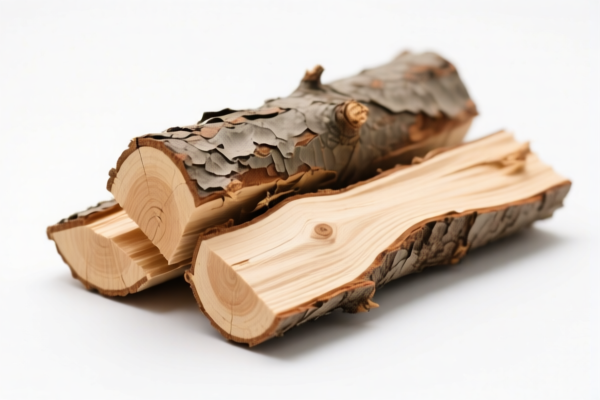
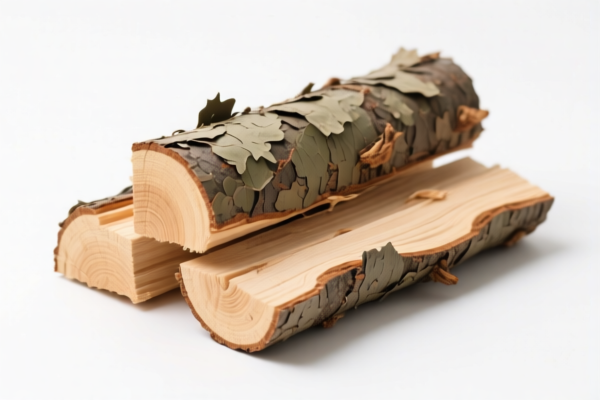
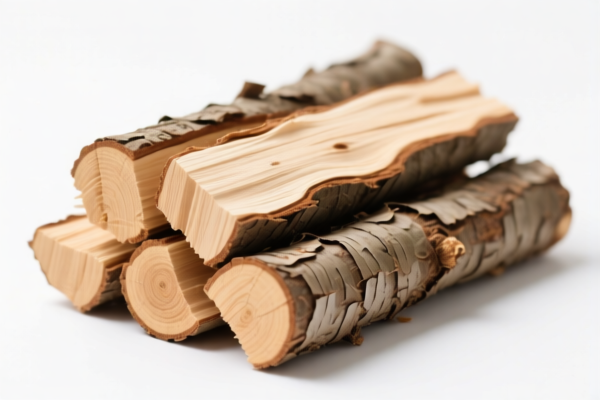
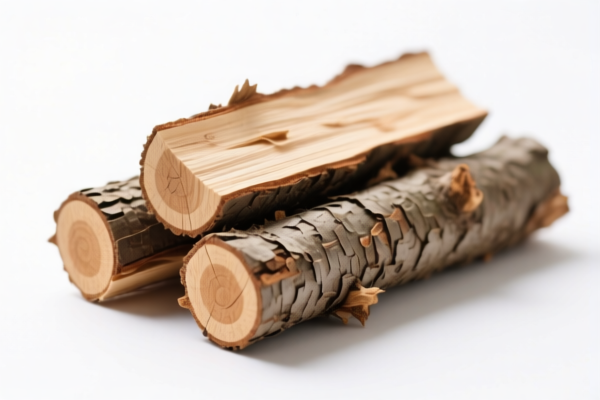
Product Images
AI Analysis
🌳 Poplar Pulp Wood (Chemical Woodpulp: Soda or Sulfate, Nonconiferous)
🌐 HS Code Reference & Customs Clearance Guide | 2026 Latest Tariff Analysis | Professional Clearance Strategy
📌 I. Product Definition & Classification: Is Your "Poplar Wood" Actually Pulp?
Poplar Pulp Wood in the context of international trade and the provided data refers specifically to Chemical Woodpulp, not raw logs or sawn timber. It is produced from non-coniferous wood (such as Poplar) using the Soda or Sulfate (Kraft) chemical pulping processes.
Key Distinctions: * Raw Wood Logs/Chips: These fall under Chapter 44 (Wood and articles of wood). They are NOT in the provided . * Chemical Pulp: This is the processed fiber result after cooking the wood with chemicals. This IS in the provided .
⚠️ Critical Warning:
- If you are shipping raw poplar logs, branches, or chips, do NOT use the HS Codes below. You must look for codes in Chapter 44 (e.g., 4401).
- The data provided strictly covers PULP (processed fiber). Ensure your product description clearly states "Chemical Pulp" or "Woodpulp" to avoid customs rejection.
📦 II. HS Code Classification Details (2026 Latest Tariff Authority)
Based on the provided <DATA>, there are two specific classifications depending on the bleaching status of the non-coniferous chemical pulp (Poplar).
| HS Code | Product Description | Bleaching Status | Key Identifier |
|---|---|---|---|
4703.19.00.00 |
Chemical woodpulp, soda or sulfate, other than dissolving grades: Unbleached: Nonconiferous | Unbleached | Brown, raw fiber; ready for mechanical pulping or specific paper grades |
4703.29.00.20 |
Chemical woodpulp, soda or sulfate, other than dissolving grades: Semibleached or bleached: Nonconiferous Semibleached | Semibleached | Lighter brown/white mix; treated to remove some lignin but not fully white |
🔍 Key Difference:
-4703.19.00.00: The pulp has no bleaching treatment. It retains the natural brown color of the wood.
-4703.29.00.20: The pulp is Semibleached. It has undergone a light bleaching process but is not fully bleached white.
- Excluded: Dissolving grades (used for rayon/cellulose) are explicitly excluded from both codes. Ensure your pulp is NOT dissolving grade.
💰 III. 2026 Latest Tariff Rate Breakdown (Detailed Tax Clauses)
✅ Applicable Country: United States (US)
✅ Origin: China (CN) [Implied by "Additional Tax" context in typical trade data, but explicitly stated in data]
✅ Effective Time: Current rates apply as per provided data.
🎯 1. 4703.19.00.00 —— Unbleached Chemical Woodpulp (Nonconiferous)
| Item | Content |
|---|---|
| Base Tariff Rate | 0.0% (Free trade for base MFN rate in many cases, or specific duty-free status) |
| Additional Tariff (Section 301) | +25.0% |
| Total Tax Rate | 25.0% |
| Tax Calculation | CIF Value × 25.0% |
| Tax Detail | 基础关税: 0.0%, 加征关税: 25.0% |
📌 Explanation:
- The base duty for this chemical pulp category is 0%.
- However, due to US trade policies (Section 301 tariffs on Chinese goods), an additional 25% is applied.
- Final Cost Impact: You pay 25% of the CIF value in duties.
- No De Minimis: This item is high-volume industrial material; de minimis rules usually do not apply to bulk pulp shipments.
🎯 2. 4703.29.00.20 —— Semibleached Chemical Woodpulp (Nonconiferous)
| Item | Content |
|---|---|
| Base Tariff Rate | 0.0% |
| Additional Tariff (Section 301) | +25.0% |
| Total Tax Rate | 25.0% |
| Tax Calculation | CIF Value × 25.0% |
| Tax Detail | 基础关税: 0.0%, 加征关税: 25.0% |
📌 Explanation:
- Same tax structure as Unbleached pulp.
- Important: Do not confuse "Semibleached" with "Bleached". If your pulp is fully bleached, it may fall under a different subheading (e.g.,4703.21...), which might have different tax details. Strictly verify bleaching status.
🛠️ IV. Customs Clearance Practical Advice (Avoid Pitfalls)
✅ 1. Essential Documentation Checklist
| Document | Required? | Notes |
|---|---|---|
| ✅ Commercial Invoice | ✔️ | Must clearly state "Chemical Woodpulp, Soda/Sulfate, Nonconiferous (Poplar)". Avoid vague terms like "Wood Fiber". |
| ✅ Bill of Lading | ✔️ | Ensure weight and package count match invoice. |
| ✅ Certificate of Origin | ✔️ | Crucial for proving origin to apply/avoid specific trade remedies. |
| ✅ Product Specification Sheet | ✔️ | Must confirm: 1. Chemical Process (Soda/Sulfate), 2. Bleaching Level (Unbleached/Semibleached), 3. NOT Dissolving Grade. |
| ✅ ISF (10+2) Filing | ✔️ | Required for ocean freight to US. |
✅ 2. Declaration Best Practices
🔥 "Specify Process, Specify Bleach, Specify Wood Type!"
| Scenario | Correct Declaration | Incorrect Declaration | Risk |
|---|---|---|---|
| Poplar Pulp, Unbleached | 4703.19.00.00"Unbleached Soda Pulp from Poplar" |
"Wood Chips" "Paper Raw Material" |
High Risk: Misclassification, delay, penalty. Wood Chips belong in Ch 44. |
| Poplar Pulp, Semibleached | 4703.29.00.20"Semibleached Sulfate Pulp from Poplar" |
"Bleached Pulp" | High Risk: If fully bleached, code may be wrong. If unbleached, code is wrong. |
| Dissolving Pulp | Do Not Use These Codes | Any code under 4703.19/29 | Rejection: Dissolving pulp is excluded. Must find correct code elsewhere. |
✅ 3. Special Considerations
- Moisture Content: Pulp is often shipped with moisture. Ensure the CIF value correctly reflects the dry weight basis or agreed wet weight basis to avoid valuation disputes.
- Packaging: Bulk bags or bales. Ensure packaging is sturdy and labeled with HS Code, Country of Origin, and Gross/Net Weight.
- Environmental Regulations: While not a tariff issue, ensure compliance with US EPA regulations regarding import of processed wood products (though pulp is usually exempt from phytosanitary rules that apply to raw wood).
🌍 V. Global Market Comparison (2026)
| Country/Region | Recommended HS Code | Tariff (China Origin) | Notes |
|---|---|---|---|
| 🇺🇸 USA | 4703.19.00.004703.29.00.20 |
25.0% (Total) | High tariff due to Section 301. Base duty is 0%. |
| 🇨🇳 China | Same codes | ~5-10% | Variable based on trade agreements. |
| 🇪🇺 EU | 4703.19 / 4703.29 | 0% - 6.5% | Usually lower. Check EU Common Customs Tariff. |
| 🇮🇳 India | 4703.19 / 4703.29 | ~5-10% | Check latest Indian Customs Notifications. |
📌 Conclusion:
- USA is the most expensive market for this product due to the 25% additional tariff.
- Base duty is 0%, so the entire 25% cost comes from trade policy, not traditional tariffs.
- Diversify sourcing or negotiate price to absorb the 25% cost if shipping to the US.
📌 VI. Common Errors & Pitfalls (Blood Lessons)
❌ Error 1: Shipping Raw Poplar Logs but using Pulp HS Codes
👉 Consequence: Customs will reject the entry, demand reclassification (Chapter 44), and may impose fines.
✅ Fix: Verify if the product is processed fiber (pulp) or raw wood.
❌ Error 2: Misidentifying Bleaching Level
👉 Consequence: If you declare "Semibleached" (4703.29.00.20) but the pulp is Unbleached, you might face underpayment penalties or delays. If you declare "Unbleached" but it's Semibleached, you may pay wrong duty.
✅ Fix: Get a lab report confirming the bleaching status and kappa number.
❌ Error 3: Ignoring "Non-Dissolving" Clause
👉 Consequence: Dissolving pulp has different HS codes. Using pulp codes for dissolving pulp is a major misclassification.
✅ Fix: Confirm with your supplier that the pulp is NOT for rayon/cellulose production.
🎯 VII. Conclusion: Precision is Profit
🎯 Remember the Mantra:
🔹 "Pulp, Not Wood. Soda/Sulfate. Poplar is Nonconiferous. Unbleached vs. Semibleached. 25% Tax in US."
🔹 "HS Code 4703.19 (Unbleached) / 4703.29 (Semibleached). Base 0%, Add 25%."
📌 Pro Tip:
If your shipment is Dissolving Grade Poplar Pulp, these codes DO NOT APPLY. You must find the correct code for Dissolving Pulp (likely under 4706 or specific dissolving subclasses), which may have different tax implications.
📣 Immediate Action:
📞 Verify Product Type: Is it Pulp or Wood?
📞 Verify Bleaching: Unbleached or Semibleached?
📞 Verify Grade: Dissolving or Non-Dissolving?
🚀 Declare Accurately: Use the exact descriptions from the HS Code.
✨ Professional Clearance Starts with Accurate Classification!
💼 Your Cost, Calculated Precisely!
Customer Reviews
About HS Code Classification
The Harmonized System (HS) is an internationally standardized nomenclature developed by the World Customs Organization (WCO) to classify traded products. Over 200 countries use the HS system as the basis for customs tariffs, trade statistics, and import/export regulations.
Each HS code follows a hierarchical structure:
- Chapter (2 digits) — Broad category of goods (e.g., Chapter 84: Machinery and Mechanical Appliances)
- Heading (4 digits) — More specific grouping within the chapter
- Subheading (6 digits) — Internationally standardized breakdown, used by all WCO member countries
- National subdivisions (8-10 digits) — Country-specific extensions for further classification, such as US HTSUS 10-digit codes
Correct HS code classification is essential for smooth customs clearance, accurate duty payment, and compliance with trade regulations. Misclassification can lead to customs delays, overpayment of duties, or penalties.
When importing from CN to US, the applicable tariff rates may include:
- Most-Favored-Nation (MFN) rate — The standard duty rate applied to WTO members
- General rate — Applied to countries without trade agreements
- Trade remedy duties — Additional tariffs such as Section 301 (anti-dumping), Section 232 (national security), or countervailing duties
The information provided on this page is for reference purposes only. For official classification, please consult with your local customs authority or a licensed customs broker.