Poplar Wood Construction Timber
CN → US| HS Code | Tariff Rate | Origin | Destination | Doc |
|---|---|---|---|---|
| 4412333285 | 43.0% | CN | US | Official Doc |
| 4407970079 | 35.0% | CN | US | Official Doc |
| 4408900197 | 35.0% | CN | US | Official Doc |
| 4412335700 | 43.0% | CN | US | Official Doc |
| 4408900151 | 35.0% | CN | US | Official Doc |
Product Images
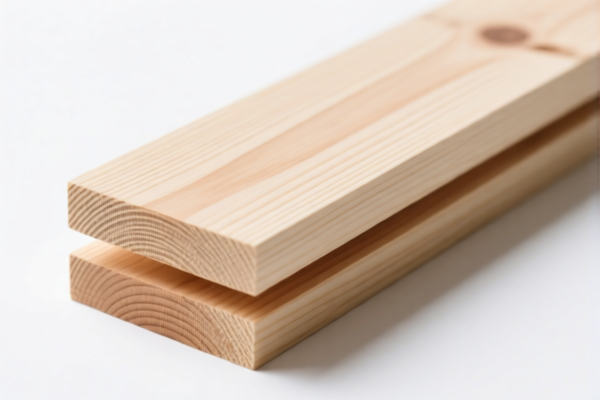
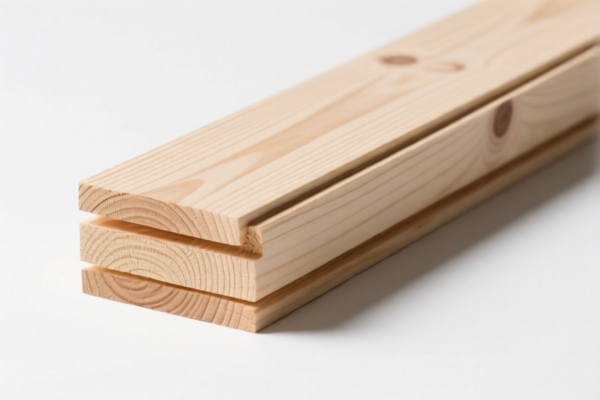
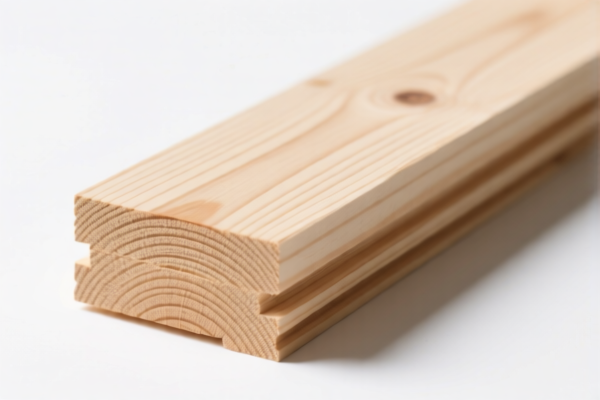
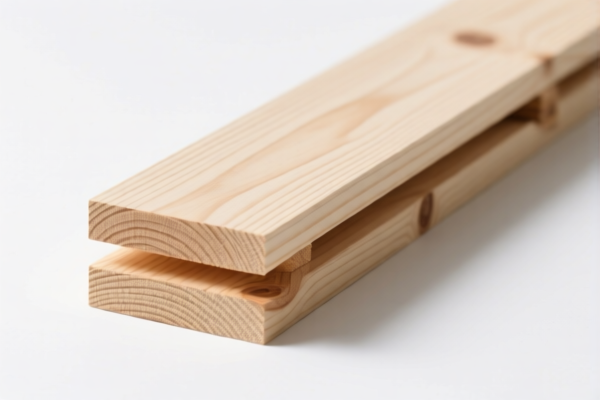
AI Analysis
🌲 Poplar Wood Construction Timber: HS Code Classification & Customs Clearance Guide | 2026 Latest Tariff Analysis
🌐 HS Code Reference & Customs Guide | 2026 Latest Tariff Full Analysis | Professional Clearance Strategy
📌 Part 1: Product Definition & Classification – Do You Really Understand "Poplar Timber"?
Poplar wood is one of the most widely used fast-growing timber species in global trade. In international trade, Poplar Wood Construction Timber is not a single unified classification. It is subdivided based on its processing depth, physical form, and structural characteristics.
Misclassification often leads to severe tariff penalties or customs delays. The core distinction lies in whether the wood is: 1. Sawn/Sliced (Basic processing, Chapter 44, Heading 4407/4408) 2. Engineered/Veneered (Composite or layered, Chapter 44, Heading 4412)
⚠️ Key Distinction Point:
- If it is simple sawn wood (even if planed/surfaced) → It falls under 4407 or 4408.
- If it is plywood, laminated veneer lumber (LVL), or layered wood → It falls under 4412.
- Do not assume all "poplar boards" are the same. The tax rate difference can be 8% (Basic Tariff) vs. 0% (Basic Tariff), leading to a significant total tax discrepancy.
📦 Part 2: HS Code Classification Details (2026 Latest Tariff Authority Comparison)
Based on the provided data, here are the five potential HS Codes for Poplar Wood Construction Timber, categorized by their specific product forms.
| HS Code | Product Description & Form | Key Characteristics | Total Tax Rate (CN→US) |
|---|---|---|---|
4412.33.32.85 |
Poplar Plywood / Layered Wood | Material: Poplar. Form: Plywood/Laminated wood products. Matches characteristics of plywood and laminated wood. | 43.0% |
4407.97.00.79 |
Poplar Sawn Wood (Thick) | Material: Poplar. Form: Longitudinally sawn or sliced wood. Thickness > 6mm. | 35.0% |
4408.90.01.97 |
Poplar Veneer Sheets | Material: Poplar. Form: Veneer sheets (for surface decoration). Falls under residual category for other wood. | 35.0% |
4412.33.57.00 |
Poplar Plywood (Specific Sub-category) | Material: Poplar. Form: Plywood/Laminated wood products. Specific sub-category for layered items. | 43.0% |
4408.90.01.51 |
Poplar Veneer (Decorative) | Material: Poplar. Form: Veneer sheets. Meets material and form requirements for other categories. | 35.0% |
🔍 Critical Reminder:
- Layered/Engineered Wood (4412): Higher basic tariff (8%) but still results in 43% total tax due to surcharges.
- Sawn/Veneer Wood (4407/4408): Lower basic tariff (0%) but still results in 35% total tax due to surcharges.
- Why 43% vs 35%? The 8% base tariff on plywood/laminated wood pushes the total higher despite identical surcharge structures.
💰 Part 3: 2026 Latest Tariff Rate Breakdown (Including Surcharges & Policy Add-ons)
✅ Applicable Country: United States (US)
✅ Origin: China (CN)
✅ Effective Date: 2025/2026 (Current Trade Policy)
🎯 1. HS Codes Under Heading 4412 (Plywood & Layered Wood):
4412.33.32.85 & 4412.33.57.00
| Item | Content |
|---|---|
| Basic Tariff | 8.0% (Ad Valorem) |
| Section 301 Surcharge | +25.0% (Additional Tariff) |
| Section 122 Tariff | +10.0% (Specific Section 122 Tariff) |
| Total Tax Rate | 43.0% |
| Tax Calculation | CIF Value × 43% |
| De Minimis Exemption | ❌ Not Applicable (High risk of rejection) |
| Legal Basis Path | Basic Tariff: 8% → Section 301: 25% → Section 122: 10% |
📌 Explanation:
- Section 301 (25%): This is the standard additional tariff on Chinese wood products under US Trade Act Section 301.
- Section 122 (10%): Specific additional tariff applied under Section 122 of the U.S. Trade Act (often related to national security or specific trade remedies).
- Combined Impact: The 8% base tariff is the main differentiator here. Even with the same surcharges, plywood is taxed higher than basic sawn wood.
🎯 2. HS Codes Under Headings 4407 & 4408 (Sawn & Veneer Wood):
4407.97.00.79, 4408.90.01.97, 4408.90.01.51
| Item | Content |
|---|---|
| Basic Tariff | 0.0% (Ad Valorem) |
| Section 301 Surcharge | +25.0% (Additional Tariff) |
| Section 122 Tariff | +10.0% (Specific Section 122 Tariff) |
| Total Tax Rate | 35.0% |
| Tax Calculation | CIF Value × 35% |
| De Minimis Exemption | ❌ Not Applicable |
| Legal Basis Path | Basic Tariff: 0% → Section 301: 25% → Section 122: 10% |
📌 Explanation:
- Basic Tariff 0%: Sawn wood and veneers often enjoy zero basic duty under US Harmonized Tariff Schedule (HTS), making them slightly more competitive than plywood.
- Same Surcharges: Despite the lower base rate, they are still subject to the full 35% total tax due to Section 301 and Section 122.
- Difference: $8\%$ less total tax compared to plywood. This can be significant for high-volume shipments.
🛠️ Part 4: Customs Clearance Practical Advice (Avoid Pitfalls)
✅ 1. Preparation Checklist (Missing Items = Delay)
| Document | Required? | Explanation |
|---|---|---|
| ✅ Product Specification Sheet | ✔️ | Must specify: Poplar species, moisture content, thickness, dimensions, and processing method (Sawn vs. Plywood). |
| ✅ Technical Drawing / Structure Diagram | ✔️ | Crucial for distinguishing 4412 (Layered) from 4407 (Sawn). If layered, you must declare plywood. |
| ✅ Photos (Including Labels) | ✔️ | Clear images showing grain structure. Plywood will show layered edges; Sawn wood will show single-layer grain. |
| ✅ Commercial Invoice | ✔️ | Must clearly state "Poplar Wood Plywood" or "Poplar Sawn Timber" – Do not use vague terms like "Wood Boards". |
| ✅ Certificate of Origin (CO) | ✔️ | Confirms Chinese origin. No preferential rates available for China-US trade in this category. |
| ✅ Packing List | ✔️ | Ensure weight and volume match the declaration. Plywood and sawn wood have different density considerations. |
✅ 2. Declaration Tips (Key Mnemonics)
🔥 "Layered is Plywood (43%), Sawn is Basic (35%), Veneer is Surface (35%)!"
| Situation | Correct HS Code | Incorrect Approach |
|---|---|---|
| Plywood / LVL / Multilayer Board | 4412.33.32.85 or 4412.33.57.00 |
Declaring as "Sawn Wood" → Customs Rejection + Penalty |
| Thick Planks (>6mm, Single Layer) | 4407.97.00.79 |
Declaring as "Plywood" → Higher Tax (43% vs 35%) |
| Thin Decorative Sheets (Veneer) | 4408.90.01.97 or 4408.90.01.51 |
Declaring as "Sawn Wood" → Misclassification Risk |
| Poplar Lumber (General Construction) | 4407.97.00.79 |
Using vague term "Timber" without specifying thickness |
✅ 3. Special Cases & Handling
| Situation | Handling Advice |
|---|---|
| Mixed Shipment (Plywood + Sawn Wood) | Separate Declarations! Do not combine. Plywood goes to 4412, Sawn to 4407. Mixing them will cause clearance failure. |
| Treated Wood (Fumigated/Preserved) | Ensure ISPM 15 certification if packaged in wood. Even if treated, the HS Code remains the same, but phytosanitary certs are mandatory. |
| Veneer Rolls vs. Sheets | Both fall under 4408, but ensure the description matches "Sheets" or "Rolls" accurately. |
| Customs Valuation | Ensure CIF value includes freight and insurance. Surcharge taxes are calculated on CIF, so under-declaring freight will trigger audits. |
🌍 Part 5: Global Market Comparison (2026)
| Country/Region | Recommended HS Code | Total Tariff (CN Origin) | Certification Requirements | Notes |
|---|---|---|---|---|
| 🇺🇸 USA | 4412 or 4407 |
35% - 43% | FSC (Optional but recommended), Phytosanitary | High tariffs due to Section 301 & 122. |
| 🇨🇳 China | 4412 or 4407 |
0% - 8% (Export Duty) | None for export | China is a major exporter; no import tax for China. |
| 🇪🇺 EU | 4412 or 4407 |
0% - 2.5% | FSC/EU Timber Regulation | No Section 301 surcharges. Much lower cost. |
| 🇯🇵 Japan | 4412 or 4407 |
0% - 2.0% | Phytosanitary | Low tariffs, strict quality standards. |
📌 Conclusion:
- USA is the highest-cost market due to Section 301 (25%) and Section 122 (10%) surcharges.
- Total Tax: Plywood (43%) > Sawn/Veneer (35%).
- Strategy: If possible, consider sourcing from non-China origins (e.g., Vietnam, Thailand) to avoid these surcharges, though poplar supply is heavily concentrated in China.
📌 Part 6: Common Mistakes & Pitfalls (Lessons Learned)
❌ Mistake 1: Declaring Plywood as Sawn Wood (4407) to avoid 8% base tariff.
👉 Consequence: Customs inspection reveals layered structure. Back taxes + 25% penalty.
❌ Mistake 2: Using vague terms like "Wood Board" without specifying Layered vs. Sawn.
👉 Consequence: Customs assigns the highest possible duty (43%) or delays shipment for reclassification.
❌ Mistake 3: Ignoring Section 122 Tariff (10%).
👉 Consequence: Unexpected additional cost. Many traders only account for Section 301 (25%) and forget the additional 10%.
❌ Mistake 4: Assuming De Minimis ($800) applies.
👉 Consequence: Wood products are excluded from de minimis relief in many cases, especially with high tariffs. Full duty applies from the first unit.
✅ Correct Approach:
"Poplar Plywood, 18mm, 4x8ft, Birch Face, Commercial Grade" → 4412.33.32.85
"Poplar Sawn Timber, 25mm Thickness, Planed Surface" → 4407.97.00.79
🎯 Part 7: Conclusion – Precise Classification Saves Money!
🎯 Remember the Mnemonic:
🔹 "Plywood is Layered (43%), Sawn is Basic (35%), Veneer is Thin (35%)!"
🔹 "Section 301 + 122 = 35% Min, Plywood Adds 8% More!"
🔹 "Misclassification Costs More Than Correct Classification!"
📌 Pro Tip:
- If your poplar products are high-value engineered wood, ensure you have third-party testing reports to prove the layered structure.
- Consider Advance Ruling (Pre-classification) with US Customs (CBP) if you have large volume shipments. This locks in the HS Code and avoids post-import audits.
📣 Action Now:
📞 Contact a Licensed Customs Broker + Provide Product Photos + Apply for Pre-classification
🚀 Ensure Smooth Customs Clearance, Efficient Export, and Cost Control!
✨ Professional Clearance Starts with Accurate Classification!
💼 Every Dollar of Tax Paid Should Be Justified!
Customer Reviews
About HS Code Classification
The Harmonized System (HS) is an internationally standardized nomenclature developed by the World Customs Organization (WCO) to classify traded products. Over 200 countries use the HS system as the basis for customs tariffs, trade statistics, and import/export regulations.
Each HS code follows a hierarchical structure:
- Chapter (2 digits) — Broad category of goods (e.g., Chapter 84: Machinery and Mechanical Appliances)
- Heading (4 digits) — More specific grouping within the chapter
- Subheading (6 digits) — Internationally standardized breakdown, used by all WCO member countries
- National subdivisions (8-10 digits) — Country-specific extensions for further classification, such as US HTSUS 10-digit codes
Correct HS code classification is essential for smooth customs clearance, accurate duty payment, and compliance with trade regulations. Misclassification can lead to customs delays, overpayment of duties, or penalties.
When importing from CN to US, the applicable tariff rates may include:
- Most-Favored-Nation (MFN) rate — The standard duty rate applied to WTO members
- General rate — Applied to countries without trade agreements
- Trade remedy duties — Additional tariffs such as Section 301 (anti-dumping), Section 232 (national security), or countervailing duties
The information provided on this page is for reference purposes only. For official classification, please consult with your local customs authority or a licensed customs broker.