Poplin/Broadcloth
CN → US| HS Code | Tariff Rate | Origin | Destination | Doc |
|---|---|---|---|---|
| 5209110020 | 41.5% | CN | US | Official Doc |
| 5209210020 | 42.7% | CN | US | Official Doc |
| 5208126020 | 44.0% | CN | US | Official Doc |
| 5210516020 | 47.2% | CN | US | Official Doc |
| 5210316020 | 47.2% | CN | US | Official Doc |
| 5208114020 | 44.0% | CN | US | Official Doc |
Product Images
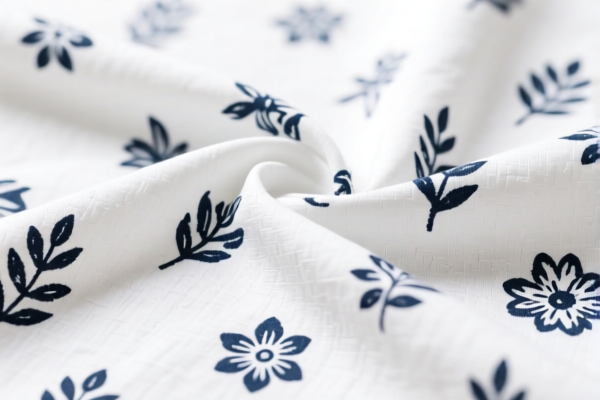
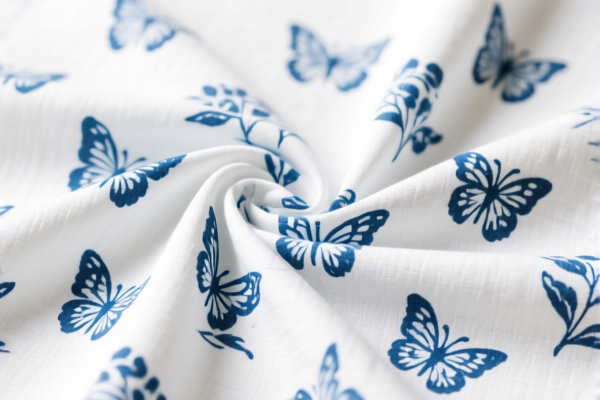
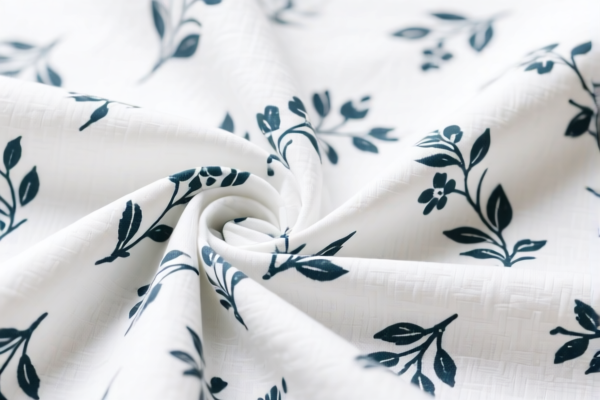
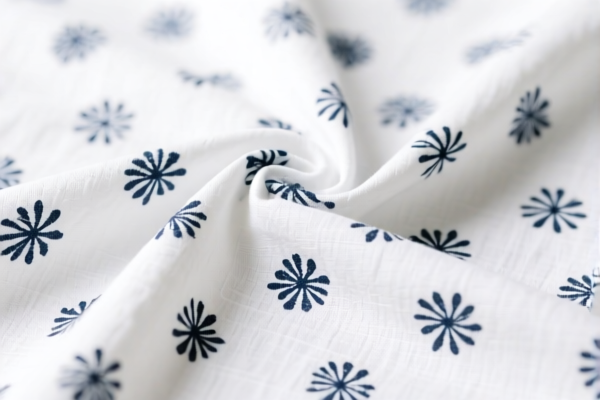
AI Analysis
🌟 Poplin / Broadcloth (Cotton Fabric) – HS Code & Tariff Guide 2026 | Expert Customs Clearance Strategy
🌐 HS Code Reference & Customs Clearance Blueprint | 2026 Updated Tariff Rules | Pro-Level Import Planning
📌 One: Product Definition & Classification – What Exactly Is Poplin & Broadcloth?
Poplin and broadcloth are premium cotton fabrics known for their smooth, crisp texture and tight plain weave. These fabrics are widely used in apparel (shirts, dresses, blouses), home textiles (bed sheets, curtains), and industrial applications.
✅ Key Features: - Cotton content: 100% cotton or cotton blend (as specified) - Weave structure: Plain weave (tight, even, and smooth surface) - Weight: Medium to lightweight (typically 120–200 gsm) - Finish: Often mercerized for luster and durability
⚠️ Critical Distinction: - "Poplin" = Fine, smooth, tightly woven cotton fabric with a slight ribbed texture (often used in shirts) - "Broadcloth" = Slightly heavier, more durable cotton fabric with a similar plain weave; commonly used in dressmaking and uniforms
📌 Classification Rule: - If the fabric is 100% cotton, plain weave, and not a coarse or wide fabric, it falls under HS Code 5209.11.00.20 / 5209.21.00.20 - If coarser or wider, it may fall under 5208.12.60.20 (coarse cotton poplin/sloping weave) - If cotton blend, it’s 5210.51.60.20 / 5210.31.60.20
📦 Two: HS Code Breakdown (2026 Official Tariff Table)
| HS Code | Product Description | Material | Weave Type | Key Use Case |
|---|---|---|---|---|
5209.11.00.20 |
Cotton poplin or broadcloth, 100% cotton, plain weave, fine texture | 100% Cotton | Plain Weave | Shirts, blouses, dresses |
5209.21.00.20 |
Cotton poplin or broadcloth, 100% cotton, plain weave, slightly coarser | 100% Cotton | Plain Weave | Uniforms, workwear, curtains |
5208.12.60.20 |
Cotton poplin or twill fabric, 100% cotton, coarse texture, wide width | 100% Cotton | Twill / Coarse Plain | Industrial use, workwear, bags |
5210.51.60.20 |
Cotton-polyester blend poplin or fine cloth, 50–80% cotton | Cotton Blend | Plain Weave | Affordable apparel, casual wear |
5210.31.60.20 |
Cotton-polyester blend poplin or fine cloth, 50–80% cotton | Cotton Blend | Plain Weave | Fashion textiles, home goods |
🔍 Why These Codes? - 5209.11.00.20 / 5209.21.00.20: For fine, smooth, 100% cotton poplin/broadcloth – "fine" = high thread count, soft finish - 5208.12.60.20: For coarser, wider, or thicker cotton fabrics – often used in industrial or heavy-duty applications - 5210.51.60.20 / 5210.31.60.20: For cotton blends – even if cotton is dominant, the blend status triggers a different tariff line
💰 Three: 2026 Tariff Breakdown (US Market | China Origin)
✅ Applicable Country: United States (US)
✅ Origin: China (CN)
✅ Effective Date: November 10, 2025 (and ongoing)
🎯 1. 5209.11.00.20 – Cotton Poplin / Broadcloth (100% Cotton, Fine)
| Item | Detail |
|---|---|
| Base Duty | 6.5% (ad valorem) |
| Section 301 (USITC) Additional Tariff | +25.0% |
| Section 122 (IEEPA) Emergency Tariff | +10.0% |
| Total Effective Duty | 41.5% |
| Tax Calculation | CIF Value × 41.5% |
| De Minimis Threshold | ❌ Not applicable (denied) |
| Legal Basis Path | IEEPA:9903.01.25 → IEEPA:9903.01.24 → USITC:5209.11.00.20 → FOOTNOTE:9903.88.01 |
📌 Explanation: - 6.5% Base Duty: Standard tariff for cotton fabric under HTSUS - +25% USITC (Section 301): From the U.S. Trade Representative’s “China Section 301” list - +10% IEEPA (Section 122): Under the International Emergency Economic Powers Act – applies to goods from China, Hong Kong, and Macau - Total: 41.5% – Highly punitive, especially for apparel manufacturers
🎯 2. 5209.21.00.20 – Cotton Poplin / Broadcloth (100% Cotton, Slightly Coarser)
| Item | Detail |
|---|---|
| Base Duty | 7.7% |
| USITC Additional Tariff | +25.0% |
| IEEPA Emergency Tariff | +10.0% |
| Total Effective Duty | 42.7% |
| Tax Calculation | CIF × 42.7% |
| De Minimis | ❌ Not allowed |
| Legal Path | IEEPA:9903.01.25 → IEEPA:9903.01.24 → USITC:5209.21.00.20 → FOOTNOTE:9903.88.01 |
📌 Why Higher? - Slightly higher base duty due to coarser texture and higher weight (often used in workwear) - Still falls under Section 301 & IEEPA – no relief
🎯 3. 5208.12.60.20 – Coarse Cotton Poplin / Twill (100% Cotton)
| Item | Detail |
|---|---|
| Base Duty | 9.0% |
| USITC Additional Tariff | +25.0% |
| IEEPA Emergency Tariff | +10.0% |
| Total Effective Duty | 44.0% |
| Tax Calculation | CIF × 44.0% |
| De Minimis | ❌ Not allowed |
| Legal Path | IEEPA:9903.01.25 → IEEPA:9903.01.24 → USITC:5208.12.60.20 → FOOTNOTE:9903.88.01 |
📌 Key Insight: - Coarse texture triggers a higher base rate - Often used in industrial, workwear, or heavy-duty applications - Highest tariff among cotton poplin fabrics
🎯 4. 5210.51.60.20 – Cotton-Polyester Blend Poplin (50–80% Cotton)
| Item | Detail |
|---|---|
| Base Duty | 12.2% |
| USITC Additional Tariff | +25.0% |
| IEEPA Emergency Tariff | +10.0% |
| Total Effective Duty | 47.2% |
| Tax Calculation | CIF × 47.2% |
| De Minimis | ❌ Not allowed |
| Legal Path | IEEPA:9903.01.25 → IEEPA:9903.01.24 → USITC:5210.51.60.20 → FOOTNOTE:9903.88.01 |
📌 Why So High? - Blend fabrics are subject to higher base duties - Even if cotton is the majority, blend status triggers higher tariff classification - Most expensive in the group
🎯 5. 5210.31.60.20 – Cotton-Polyester Blend Poplin (50–80% Cotton)
| Item | Detail |
|---|---|
| Base Duty | 12.2% |
| USITC Additional Tariff | +25.0% |
| IEEPA Emergency Tariff | +10.0% |
| Total Effective Duty | 47.2% |
| Tax Calculation | CIF × 47.2% |
| De Minimis | ❌ Not allowed |
| Legal Path | IEEPA:9903.01.25 → IEEPA:9903.01.24 → USITC:5210.31.60.20 → FOOTNOTE:9903.88.01 |
📌 Note: - Identical to
5210.51.60.20– same tariff due to same blend ratio and use - Often used in affordable fashion textiles and home goods
🛠️ Four: Customs Clearance Best Practices (Pro Tips to Avoid Delays & Penalties)
✅ 1. Required Documentation (MUST-HAVE)
| Document | Required? | Purpose |
|---|---|---|
| ✅ Technical Specification Sheet | ✔️ | Detail: fiber content, weight, weave, width, finish |
| ✅ Fabric Sample (Physical or Digital) | ✔️ | Prove texture, weave, and composition |
| ✅ Commercial Invoice | ✔️ | Must state: “Cotton Poplin / Broadcloth, 100% Cotton, Plain Weave” |
| ✅ Packing List | ✔️ | Show roll count, weight, dimensions |
| ✅ Certificate of Origin (CO) | ✔️ | If not from China, may qualify for lower tariffs |
| ✅ Third-Party Lab Test Report | ✔️ | ASTM, AATCC, or ISO test for fiber content, weight, shrinkage |
| ✅ Bill of Lading / Air Waybill | ✔️ | Proof of shipment and carrier |
✅ 2.申报技巧(Critical Rules)
🔥 “Material First, Weave Second, Blend Last – Get It Right or Pay 47%!”
| Scenario | Correct HS Code | Wrong Code | Risk |
|---|---|---|---|
| 100% cotton, fine, smooth | 5209.11.00.20 |
5208.12.60.20 |
44% vs 41.5% → Higher tax |
| 100% cotton, coarse | 5208.12.60.20 |
5209.11.00.20 |
Misclassification → Penalty |
| 65% cotton, 35% polyester | 5210.51.60.20 |
5209.11.00.20 |
+5.7% duty → Big cost |
| Blended fabric, no label | 5210.31.60.20 |
5209.11.00.20 |
Audit risk, penalties |
✅ 3. Special Cases & Solutions
| Situation | Recommended Action |
|---|---|
| Fabric labeled “Cotton” but 60% polyester | Do NOT declare as 100% cotton → Use 5210.51.60.20 |
| Custom blend for a fashion brand | Provide lab report + formula to support blend claim |
| Export from Vietnam/Mexico/Thailand | Apply for IEEPA exemption – may reduce to 0–5% |
| High-value fabric with unique finish | Apply for Advance Ruling (Pre-Review) to lock in HS Code |
| Multiple rolls with mixed specs | Separate by HS Code – do not combine in one invoice |
🌍 Five: Global Tariff Comparison (2026)
| Country | Recommended HS Code | Base Duty | Additional Taxes | Total Effective Duty |
|---|---|---|---|---|
| 🇺🇸 USA | 5209.11.00.20 |
6.5% | +25% +10% | 41.5% |
| 🇨🇳 China | 5209.11.00.20 |
5% | None | 5% |
| 🇪🇺 EU | 5209.11.00.00 |
0% | None | 0% (if CE-certified) |
| 🇦🇺 Australia | 5209.11.00.00 |
5% | None | 5% |
| 🇯🇵 Japan | 5209.11.00.00 |
0% | None | 0% |
📌 Insight:
- USA is the most punitive market for cotton poplin from China - China, EU, Japan, Australia offer much lower tariffs - Consider shifting production to Vietnam, Mexico, or India to avoid 41.5%+ in the U.S.
📌 Six: Common Mistakes & How to Avoid Them (Real-World Pitfalls)
❌ Mistake 1: Labeling 100% cotton fabric as “cotton” when it’s actually 65% cotton
👉 Result: Misclassification → +5.7% duty → $50K+ in extra tax on a 1000-roll shipment
❌ Mistake 2: Combining fine and coarse cotton fabric in one shipment
👉 Result: Customs may apply highest tariff to all → 44% instead of 41.5%
❌ Mistake 3: Not providing lab test reports
👉 Result: Customs may delay release, request re-testing, or impose penalties
❌ Mistake 4: Using generic name like “Cotton Fabric” on invoice
👉 Result: No clarity → audit risk, rejection, or delay
✅ Correct Declaration Example:
“Cotton Poplin Fabric, 100% Cotton, Plain Weave, 150 gsm, 150 cm width, Mercerized Finish, HS Code: 5209.11.00.20, Origin: China, Lab Test Report Attached”
🎯 Seven: Final Verdict – Smart Importing Starts with Accurate Classification
🎯 Remember the Golden Rule:
🔹 “Material First, Weave Second, Blend Last – Get It Right or Pay 47%!”
🔹 “One wrong code = 47% tariff instead of 41.5% – That’s $10K in extra cost!”
📌 Pro Tips:
- ✅ Apply for Advance Ruling before shipping to lock in HS Code
- ✅ Use Vietnam/Mexico/India for U.S. exports to avoid IEEPA/Section 301
- ✅ Always include lab reports and fabric specs in your invoice
- ✅ Separate shipments by fabric type and blend
📣 Take Action Now!
📞 Contact a U.S.-licensed customs broker + provide fabric samples + request HS Code pre-ruling
🚀 Avoid delays, penalties, and 47% tariffs – secure your import success!
✨ Precision Classification = Profit Protection
💼 Your next shipment deserves better than guesswork!
Customer Reviews
About HS Code Classification
The Harmonized System (HS) is an internationally standardized nomenclature developed by the World Customs Organization (WCO) to classify traded products. Over 200 countries use the HS system as the basis for customs tariffs, trade statistics, and import/export regulations.
Each HS code follows a hierarchical structure:
- Chapter (2 digits) — Broad category of goods (e.g., Chapter 84: Machinery and Mechanical Appliances)
- Heading (4 digits) — More specific grouping within the chapter
- Subheading (6 digits) — Internationally standardized breakdown, used by all WCO member countries
- National subdivisions (8-10 digits) — Country-specific extensions for further classification, such as US HTSUS 10-digit codes
Correct HS code classification is essential for smooth customs clearance, accurate duty payment, and compliance with trade regulations. Misclassification can lead to customs delays, overpayment of duties, or penalties.
When importing from CN to US, the applicable tariff rates may include:
- Most-Favored-Nation (MFN) rate — The standard duty rate applied to WTO members
- General rate — Applied to countries without trade agreements
- Trade remedy duties — Additional tariffs such as Section 301 (anti-dumping), Section 232 (national security), or countervailing duties
The information provided on this page is for reference purposes only. For official classification, please consult with your local customs authority or a licensed customs broker.