Portable Coffee Machine
CN → US| HS Code | Tariff Rate | Origin | Destination | Doc |
|---|---|---|---|---|
| 9617001000 | 17.2% | CN | US | Official Doc |
| 8419815080 | 17.5% | CN | US | Official Doc |
| 8419819040 | 17.5% | CN | US | Official Doc |
| 9617003000 | 16.9% | CN | US | Official Doc |
| 8471900000 | 35.0% | CN | US | Official Doc |
Product Images
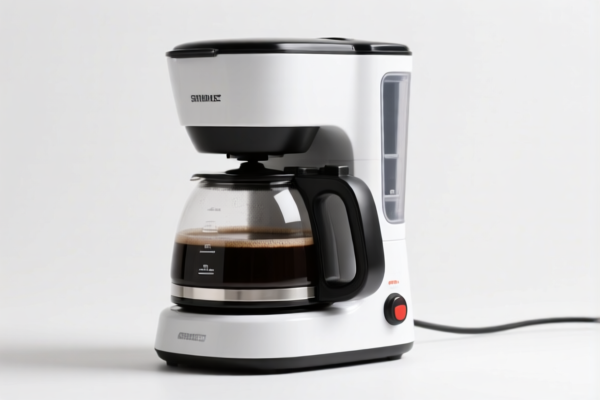
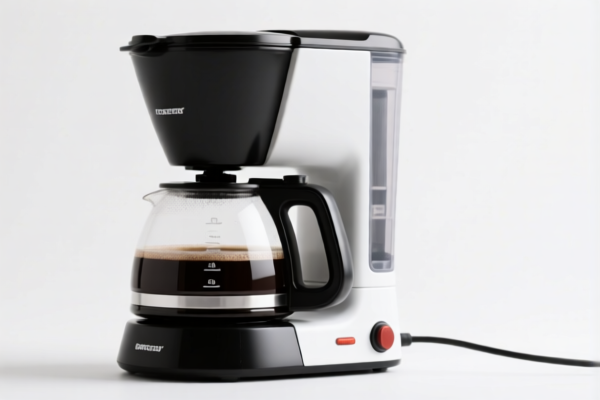
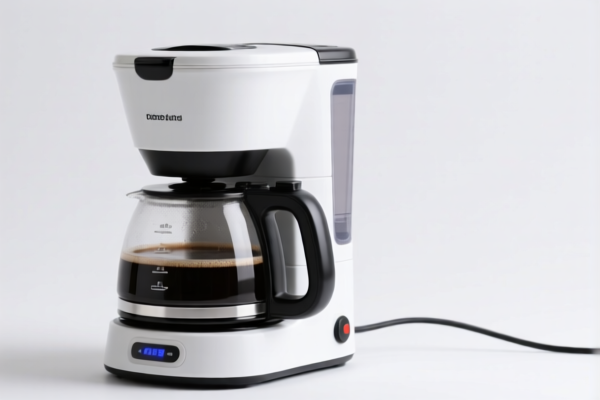
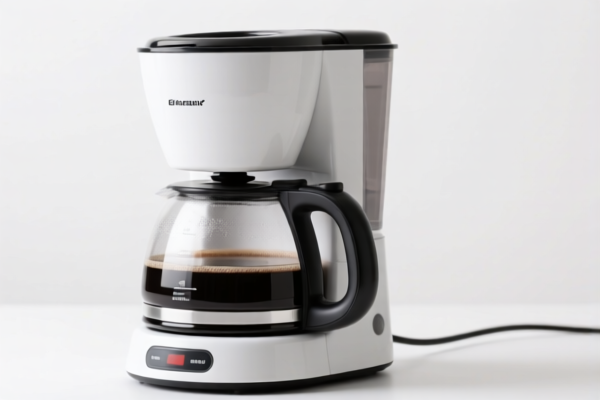
AI Analysis
☕ Portable Coffee Machines (Vacuum Vessels & Electric Heaters)
🌐 HS Code Reference & Customs Clearance Guide | 2026 Latest Tariff Analysis | Professional Compliance Strategy
📌 One: Product Definition & Classification: Do You Really Know "Portable Coffee Machines"?
In international trade, the term "Portable Coffee Machine" is a trap. It is not a single HS Code but depends entirely on how the coffee is brewed and whether electricity is involved.
There are two distinct categories based on your <DATA>:
1. Vacuum Flasks / Thermoses (Non-Electric, Physical Insulation)
Description: Double-walled stainless steel containers that keep coffee hot/cold via vacuum insulation. No heating element.
Key Characteristic: Capacity matters. <1L vs >1L.
2. Electric/Non-Electric Hot Drink Makers (Heating Equipment)
Description: Devices that actively heat water or brew coffee.
Key Characteristic: Commercial vs. Domestic use.
⚠️ CRITICAL WARNING: Most "Portable Coffee Machines" (like electric pour-over heaters, portable espresso makers with built-in heating) are classified as Machinery for making hot drinks*. If you misdeclare a commercial electric heater as a simple "vacuum flask," you face massive tax penalties.
📦 二、HS Code Classification Details (Based on Provided Data)
| HS Code | Product Description | Capacity/Type | Tax Rate (Total) | Key Distinction |
|---|---|---|---|---|
9617.00.10.00 |
Vacuum Flasks / Vessels | Capacity ≤ 1 Liter | 0.0% | Basic thermos, travel mug, standard portable bottle. |
9617.00.30.00 |
Vacuum Flasks / Vessels | 1L < Capacity ≤ 2 Liters | 0.0% | Large insulated jugs, bulk portable vessels. |
8419.81.90.40 |
Machinery for Hot Drinks | Type Used in Restaurants/Hotels | 7.5% | Electric/Non-Electric heaters for commercial settings (e.g., portable drip coffee makers for hotel rooms, commercial urns). |
8419.81.50.80 |
Cooking Stoves/Ranges/Ovens | Other Cooking/Heating Equipment | 7.5% | Other equipment for heating food/drinks, not specifically for restaurants/hotels, or general purpose. |
🔍 Critical Interpretation of the Data: 1. No Domestic Electric Brewers Listed: The provided data only lists
8419.81.90.40for "restaurants/hotels." It does not list the common domestic HS Code for home coffee makers (often 8516.71 in global standards). 2. Strict Compliance: If your "Portable Coffee Machine" is an electric device for home use, it does not match the provided8419.81.90.40description strictly. However, if it is used in a hotel room (e.g., a portable hotel coffee kit), it must be declared as8419.81.90.40. 3. Vacuum Flasks are Tax-Free: Non-electric insulation vessels are 0% tax regardless of size (within the 2L limit).
💰 三、2026 Latest Tariff Rate Detailed Analysis
✅ Scope: Based on
<DATA>provided.
✅ Note: The tax details show "Additional Tax: 0.0%" for flasks, but "Additional Tax: 7.5%" for machinery. This suggests a specific trade regime (possibly China-ASEAN FTA or similar preferential treatment, or a specific country's schedule where base+additional = total).
🎯 1. 9617.00.10.00 & 9617.00.30.00 — Vacuum Flasks (Physical Insulation)
| Item | Content |
|---|---|
| Total Tax Rate | 0.0% |
| Base Tariff | 0.0% |
| Additional Tariff | 0.0% |
| Applicable Goods | Any vacuum flask/vessel with a capacity ≤ 2 Liters. |
| Explanation | These are considered consumer goods with no heating function. They are highly competitive with zero tariff burden. |
📌 Key Takeaway:
If your product is a thermos, vacuum bottle, or insulated travel mug, declare it as 9617. The tax is ZERO. This is the most cost-effective classification for portable beverage containers.
🎯 2. 8419.81.90.40 — Machinery for Hot Drinks (Commercial/Hotel Use)
| Item | Content |
|---|---|
| Total Tax Rate | 7.5% |
| Base Tariff | 0.0% |
| Additional Tariff | 7.5% |
| Applicable Goods | Equipment for making hot drinks/cooking, specifically of a type used in restaurants, hotels, or similar locations. |
| Explanation | This code captures "Portable Coffee Machines" if they are electric heaters or brewing devices intended for commercial/hospitality use (e.g., a portable electric pour-over station sold to hotels). |
📌 Key Takeaway:
If the device heats water (electrically or otherwise) and is marketed for hotels/restaurants, the tax is 7.5%. This is significantly higher than the 0% for flasks.
🎯 3. 8419.81.50.80 — Other Cooking/Heating Equipment
| Item | Content |
|---|---|
| Total Tax Rate | 7.5% |
| Base Tariff | 0.0% |
| Additional Tariff | 7.5% |
| Applicable Goods | Cooking stoves, ranges, ovens, and other heating equipment not specified elsewhere. |
| Explanation | Used for portable coffee machines that don't fit the "restaurant/hotel" specific description but are still heating/cooking appliances. |
🛠️ 四、Customs Clearance Practical Advice (Pitfall Avoidance)
✅ 1. Declaration Strategy: The "Electric vs. Insulated" Test
| Product Type | Correct HS Code | Tax Rate | Risk if Misdeclared |
|---|---|---|---|
| Thermos/Travel Mug (No heating, just insulation) | 9617.00.10.00 or 9617.00.30.00 |
0% | Declaring as 8419 leads to 7.5% overpayment. Declaring as "Kitchen Appliance" may trigger inspections. |
| Electric Portable Brewer (Hotel/Commercial Use) | 8419.81.90.40 |
7.5% | Declaring as 9617 is smuggling/incorrect. Customs will inspect the circuit board. If found, penalty + back tax + potential fraud charges. |
| Electric Portable Brewer (Home Use) | Not explicitly in data | N/A | ⚠️ Warning: If your product is for home use, it does not match 8419.81.90.40 (which specifies "restaurants/hotels"). You may need to consult a broker for a different code (e.g., 8516.71). Do not force 8419.81.90.40 for home use without legal advice. |
✅ 2. Essential Documentation
| Document | Requirement |
|---|---|
| Product Description | Must clearly state: "Vacuum Insulated Flask" vs. "Electric Coffee Maker". |
| Technical Specs | For electric models: Voltage, Wattage, Heating Element Type. |
| Usage Scenario | For 8419.81.90.40: Provide evidence of commercial/hotel use (e.g., B2B sales contracts with hotel chains). |
| Capacity Label | For 9617: Clearly mark capacity (e.g., "500ml" or "1.5L") on the product and invoice. |
✅ 3. Common Mistakes
❌ Mistake 1: Calling an electric heater a "Vacuum Flask" to save tax.
👉 Result: Customs inspection will reveal heating elements. Penalties apply.
❌ Mistake 2: Classifying a home-use electric coffee maker under 8419.81.90.40.
👉 Result: The code explicitly requires "type used in restaurants/hotels." Home use may be deemed incorrect classification, leading to delays or reclassification disputes.
❌ Mistake 3: Ignoring capacity for flasks.
👉 Result: If capacity >2L, it may fall outside the provided 9617 codes. Ensure capacity is ≤2L.
🌍 五、Summary & Recommendation
-
If it’s just a flask (no electricity):
→ Use9617.00.10.00(≤1L) or9617.00.30.00(>1L, ≤2L).
→ Tax: 0%. Zero risk, zero cost. -
If it’s an electric heater for Hotels/Restaurants:
→ Use8419.81.90.40.
→ Tax: 7.5%. Ensure commercial use is documented. -
If it’s an electric heater for Home Use:
→ ⚠️ Not covered by the provided8419.81.90.40description.
→ You must verify if a different code (like 8516.71) applies or if the 7.5% rate can be argued. Do not assume 0% for electric devices.
🎯 七、Conclusion
🎯 Golden Rule:
🔹 "If it keeps heat without power → 9617 (0%)."
🔹 "If it heats with power for hotels → 8419.81.90.40 (7.5%)."
🔹 "Never misdeclare electric devices as flasks."
📌 Pro Tip:
Always include capacity and heating method in your commercial invoice. For electric devices, clarify the target market (Hotel vs. Home) to avoid classification disputes.
✨ Accurate Classification Saves Money!
💼 From 0% to 7.5% is a big difference—choose the right HS Code!
Customer Reviews
About HS Code Classification
The Harmonized System (HS) is an internationally standardized nomenclature developed by the World Customs Organization (WCO) to classify traded products. Over 200 countries use the HS system as the basis for customs tariffs, trade statistics, and import/export regulations.
Each HS code follows a hierarchical structure:
- Chapter (2 digits) — Broad category of goods (e.g., Chapter 84: Machinery and Mechanical Appliances)
- Heading (4 digits) — More specific grouping within the chapter
- Subheading (6 digits) — Internationally standardized breakdown, used by all WCO member countries
- National subdivisions (8-10 digits) — Country-specific extensions for further classification, such as US HTSUS 10-digit codes
Correct HS code classification is essential for smooth customs clearance, accurate duty payment, and compliance with trade regulations. Misclassification can lead to customs delays, overpayment of duties, or penalties.
When importing from CN to US, the applicable tariff rates may include:
- Most-Favored-Nation (MFN) rate — The standard duty rate applied to WTO members
- General rate — Applied to countries without trade agreements
- Trade remedy duties — Additional tariffs such as Section 301 (anti-dumping), Section 232 (national security), or countervailing duties
The information provided on this page is for reference purposes only. For official classification, please consult with your local customs authority or a licensed customs broker.