Portable Cold Storage Beverage Bags
CN → US| HS Code | Tariff Rate | Origin | Destination | Doc |
|---|---|---|---|---|
| 3923900080 | 38.0% | CN | US | Official Doc |
| 3923290000 | 38.0% | CN | US | Official Doc |
| 8418292000 | 36.9% | CN | US | Official Doc |
| 8418690180 | 35.0% | CN | US | Official Doc |
| 3923109000 | 38.0% | CN | US | Official Doc |
Product Images
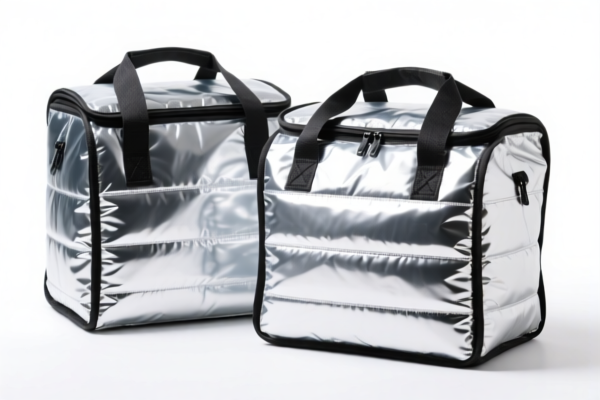
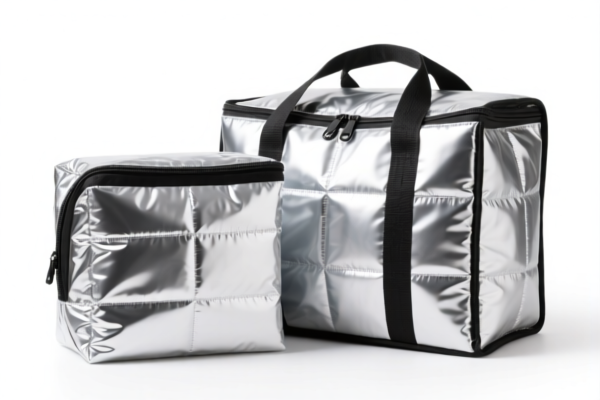
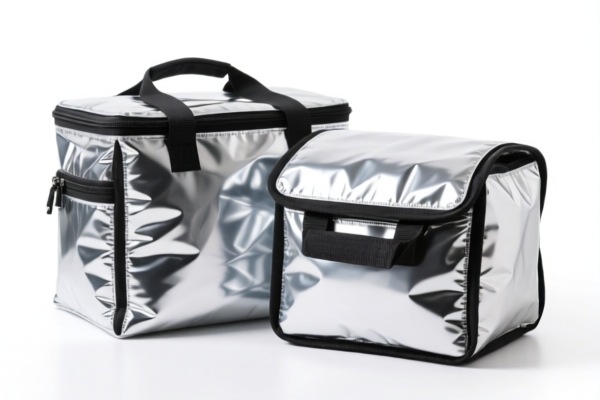
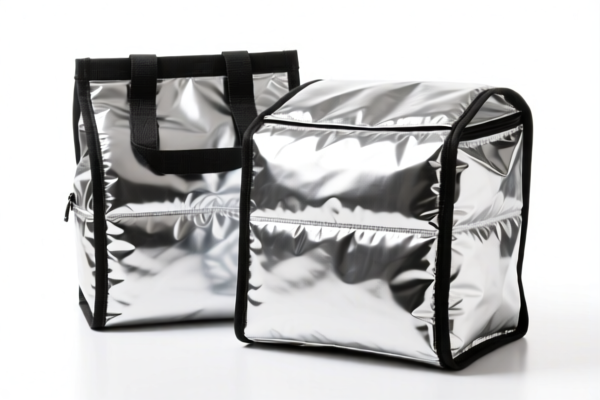
AI Analysis
🧊 Portable Cold Storage Beverage Bags
🌐 HS Code Reference & Customs Clearance Guide | 2026 Latest Tariff Analysis | Professional Logistics Strategy
📌 Part 1: Product Definition & Classification: What Exactly Is It?
Portable Cold Storage Beverage Bags are specialized insulated containers designed to maintain the temperature of beverages and food items during transport. In international trade, they are classified based on their primary function and material composition:
1. Insulated Bags/Pouches (Plastic/Composite Material):
If the item is primarily a bag, pouch, or flexible container made of plastic film, foam, or composite materials, even if it contains insulation (like aluminum foil or foam lining), it is generally classified as a plastic packaging product.
2. Portable Refrigeration Devices (Active/Cooling Units):
If the item includes an active cooling mechanism (such as a compressor, Peltier element, or battery-powered refrigeration unit) and functions as an electric cooling appliance, it may be classified under refrigerating equipment.
⚠️ Key Distinction Point:
- If it is a passive insulated bag (no power source, just insulation) → Classified under Chapter 39 (Plastics) or Chapter 63 (Other Made-Up Textile Articles) depending on material.
- If it is an active cooling box (electric, battery-powered, or compressor-driven) → Classified under Chapter 84 (Refrigerating Equipment).
- Common Misclassification: Many users mistakenly classify insulated bags as "appliances." If there is no power source, it is NOT a refrigerating machine.
📦 Part 2: HS Code Classification Details (2026 Latest Tariff Authority Match)
Based on the provided data, the following HS Codes apply to Portable Cold Storage Beverage Bags, depending on the specific design and material:
| HS Code | Product Description | Applicable Scenario | Key Characteristics |
|---|---|---|---|
3923.90.00.80 |
Insulated beverage bags, classified as packaging articles made of plastic film or composite plastic materials | Passive insulated bags, soft-sided coolers, promotional drink holders | ✅ Plastic/Composite, Passive Insulation |
3923.29.00.00 |
Bag-shaped packaging articles, made of composite plastic materials, falling under "other plastic bags/pouches" | Generic plastic composite bags with insulation lining | ✅ Plastic Composite, Flexible Form |
8418.29.20.00 |
Portable refrigeration box, categorized as refrigerating equipment, complying with refrigerators/freezers usage | Active cooling boxes (electric/battery-powered) with cooling components | ✅ Electric/Active, Rigid Structure |
8418.69.01.80 |
Portable refrigeration box, refrigeration/freezing equipment form, material: plastic or metal | Small electric coolers/warmers, often with thermostat control | ✅ Electric/Active, Compact Form |
3923.10.90.00 |
Portable refrigeration box, box-shaped article, material inferred as plastic, falling under plastic packaging | Rigid plastic insulated boxes without active cooling elements | ✅ Plastic, Passive, Box Shape |
🔍 Critical Reminder:
- Passive Insulated Bags (no electricity) must be classified under 3923.xxxx (Plastics).
- Active Cooling Boxes (with power source) must be classified under 8418.xxxx (Refrigerating Equipment).
- Do not mix passive and active items in one declaration if their HS codes differ significantly, as this may trigger customs inspection.
💰 Part 3: 2026 Latest Tariff Rate Details (Including Surtaxes & Policy Add-ons)
✅ Applicable Country: United States (US)
✅ Country of Origin: China (CN)
✅ Effective Date: November 10, 2025 onwards (for subsequent imports)
🎯 1. 3923.90.00.80 & 3923.29.00.00 & 3923.10.90.00 — Plastic Packaging / Insulated Bags (Passive)
These codes fall under plastic packaging articles. Due to US-China trade tensions, these items attract significant additional tariffs.
| Item | Content |
|---|---|
| Base Tariff Rate | 3.0% (ad valorem) |
| Section 301 Surcharge | +25% (USITC Footnote 9903.88.01) |
| Section 122 Surcharge | +10% (Targeting China/HK products, effective from Nov 2025) |
| Total Tariff Rate | 38.0% |
| Tax Calculation | CIF Value × 38.0% |
| De Minimis Exemption | ❌ Not Eligible (deny_de_minimis for Section 301/122 items) |
| Legal Authority Path | IEEPA:9903.01.25 → IEEPA:9903.01.24 → USITC:3923.90.00.80 → FOOTNOTE:9903.88.01 |
📌 Explanation:
- The 3.0% base rate applies to plastic packaging.
- The +25% Section 301 tariff applies to most plastic goods from China.
- The +10% Section 122 tariff is a new add-on for certain Chinese imports, including plastic packaging.
- Total 38% is a high burden. Clear pricing strategy is essential.
🎯 2. 8418.29.20.00 — Portable Refrigeration Box (Active Cooling)
This code falls under refrigerating equipment. Note that base rates vary for mechanical/electric appliances.
| Item | Content |
|---|---|
| Base Tariff Rate | 1.9% (ad valorem) |
| Section 301 Surcharge | +25% |
| Section 122 Surcharge | +10% |
| Total Tariff Rate | 36.9% |
| Tax Calculation | CIF Value × 36.9% |
| De Minimis Exemption | ❌ Not Eligible |
| Legal Authority Path | IEEPA:9903.01.25 → IEEPA:9903.01.24 → USITC:8418.29.20.00 → FOOTNOTE:9903.88.01 |
📌 Note:
- Slightly lower total rate (36.9%) due to a lower base rate (1.9% vs 3.0%).
- Still subject to both Section 301 and 122 tariffs.
🎯 3. 8418.69.01.80 — Portable Refrigeration Box (Small/Compact Electric)
For smaller, compact electric coolers/warmers.
| Item | Content |
|---|---|
| Base Tariff Rate | 0.0% (ad valorem) |
| Section 301 Surcharge | +25% |
| Section 122 Surcharge | +10% |
| Total Tariff Rate | 35.0% |
| Tax Calculation | CIF Value × 35.0% |
| De Minimis Exemption | ❌ Not Eligible |
| Legal Authority Path | IEEPA:9903.01.25 → IEEPA:9903.01.24 → USITC:8418.69.01.80 → FOOTNOTE:9903.88.01 |
📌 Note:
- Lowest total rate (35.0%) among all options because the base rate is 0%.
- However, this only applies to specific compact electric models. If the product is a simple insulated bag, this code is incorrect and may lead to penalties.
🛠️ Part 4: Customs Clearance Practical Advice (Battle-Tested Pitfall Guide)
✅ 1. Documentation Checklist (Non-Negotiable)
| Document | Required? | Notes |
|---|---|---|
| ✅ Product Specification Sheet | ✔️ | Must detail: Material (Plastic/Composite), Insulation Type (Foam/Foil), Dimensions, Weight |
| ✅ Product Photos (Clear) | ✔️ | Show entire product, labels, and any power cords/interfaces if electric |
| ✅ Commercial Invoice | ✔️ | Accurate description: “Insulated Plastic Bag” vs “Electric Portable Cooler” |
| ✅ Packing List | ✔️ | List items clearly. Do not mix passive bags with active coolers in one line if codes differ |
| ✅ Certificate of Origin (CO) | ✔️ | If non-China origin, may qualify for lower tariffs (but check US rules carefully) |
| ✅ FCC Certification (If Electric) | ✔️ | Mandatory for 8418 codes (active devices) |
✅ 2. Declaration Tips (Key Mantras)
🔥 “Passive Bag → Plastic Code, Electric Box → Refrigeration Code, Name Precision Saves Tax!”
| Scenario | Correct Declaration | Wrong Approach |
|---|---|---|
| Insulated Bag (No Power) | 3923.90.00.80 / 3923.29.00.00 |
Claiming “Electric Cooler” → 35-38% |
| Electric Cooler (With Power) | 8418.29.20.00 / 8418.69.01.80 |
Claiming “Plastic Bag” → Illegal Misclassification |
| Mixed Shipment (Bags + Coolers) | Separate Lines | Combining → Customs Delay/Fine |
| Rigid Plastic Box (No Power) | 3923.10.90.00 |
Claiming “Refrigerator” → 38% instead of 38% (same, but wrong description) |
✅ 3. Special Cases Handling
| Case | Handling Advice |
|---|---|
| OEM Custom Bags | Provide design files. Ensure material description matches HS code (Plastic vs Textile) |
| Active vs Passive Ambiguity | If it has a USB port but no compressor, it is still Passive (unless it has a cooling element). Clarify in specs |
| Origin Shifting | If shipped from Vietnam/Mexico, Section 301/122 may not apply. Verify country of origin carefully |
| De Minimis (Section 321) | ❌ Not Applicable for Section 301/122 goods, even under $800 |
🌍 Part 5: Global Market Comparison (2026 Latest)
| Country/Region | Recommended HS Code | Tariff (China Origin) | Certification | Notes |
|---|---|---|---|---|
| 🇺🇸 USA | 3923.90.00.80 / 8418.69.01.80 |
35.0% - 38.0% | FCC (if electric) | Highest Duty Load |
| 🇨🇳 China | 3923.90.00.80 |
0% - 10% | CCC (if electric) | Low Import Duty |
| 🇪🇺 EU | 3923.29.00.00 / 8418.29.20.00 |
2.0% - 4.0% | CE, RoHS | No Section 301 |
| 🇬🇧 UK | 3923.29.00.00 |
2.0% - 4.0% | UKCA | No Section 301 |
| 🇯🇵 Japan | 3923.29.00.00 |
0% - 8.0% | PSE (if electric) | Moderate Duty |
📌 Conclusion:
- USA is the most expensive market due to Section 301 + 122 tariffs.
- EU/UK/Japan are much more competitive with standard MFN rates.
- For US-bound goods, cost optimization is critical. Consider origin diversification or pricing adjustments.
📌 Part 6: Common Errors & Pitfalls (Blood-Teaching Lessons)
❌ Error 1: Classifying an insulated plastic bag as 8418 (Refrigerator)
👉 Consequence: Customs Rejection. The item is not a machine. You may face penalties + 38% duty + delay.
❌ Error 2: Classifying an electric cooler as 3923 (Plastic Bag)
👉 Consequence: Tariff Evasion Detection. If caught, you owe back taxes + fines. Also, FCC violation if no certification.
❌ Error 3: Ignoring Section 122 Tariff (+10%)
👉 Consequence: Under-declaring tax. The 10% add-on is new and strict. Your cost model is wrong by 10%.
❌ Error 4: Using “Cooler Bag” as a vague term in Invoice
👉 Consequence: Customs Query. Be specific: “Insulated Plastic Bag” or “Portable Electric Refrigeration Box”.
✅ Correct Approach:
“Insulated Beverage Bag, Made of PET/Aluminum Foil Composite, No Active Cooling Elements, Model XYZ”
OR
“Portable Electric Refrigeration Box, 12V/110V, Peltier Cooling, Model ABC, FCC Certified”
🎯 Part 7: Conclusion: Precision Classification, Cost Control, Efficient Clearance!
🎯 Remember These Mantras:
🔹 “Passive = Plastic (3923), Active = Refrigeration (8418).”
🔹 “Section 301 + 122 = 35-38% Duty for China. No De Minimis!”
🔹 “One Name Wrong, Thousands Lost. Precision is Profit.”
📌 Pro Tip:
If your goods are shipped from Vietnam, Mexico, or Thailand, you may avoid Section 301/122 tariffs. However, ensure substantial transformation rules are met. For US-bound China-origin goods, plan for 35-38% tax in your pricing.
📣 Immediate Action:
📞 Contact a Professional Customs Broker + Provide Product Specs + Apply for Advance Ruling
🚀 Ensure your Portable Cold Storage Bags clear US Customs smoothly, legally, and cost-effectively!
✨ Professional Clearance Starts with Accurate Classification!
💼 Every Cent of Cost Deserves Precise Calculation!
Customer Reviews
About HS Code Classification
The Harmonized System (HS) is an internationally standardized nomenclature developed by the World Customs Organization (WCO) to classify traded products. Over 200 countries use the HS system as the basis for customs tariffs, trade statistics, and import/export regulations.
Each HS code follows a hierarchical structure:
- Chapter (2 digits) — Broad category of goods (e.g., Chapter 84: Machinery and Mechanical Appliances)
- Heading (4 digits) — More specific grouping within the chapter
- Subheading (6 digits) — Internationally standardized breakdown, used by all WCO member countries
- National subdivisions (8-10 digits) — Country-specific extensions for further classification, such as US HTSUS 10-digit codes
Correct HS code classification is essential for smooth customs clearance, accurate duty payment, and compliance with trade regulations. Misclassification can lead to customs delays, overpayment of duties, or penalties.
When importing from CN to US, the applicable tariff rates may include:
- Most-Favored-Nation (MFN) rate — The standard duty rate applied to WTO members
- General rate — Applied to countries without trade agreements
- Trade remedy duties — Additional tariffs such as Section 301 (anti-dumping), Section 232 (national security), or countervailing duties
The information provided on this page is for reference purposes only. For official classification, please consult with your local customs authority or a licensed customs broker.