Portable Food Bags
CN → US| HS Code | Tariff Rate | Origin | Destination | Doc |
|---|---|---|---|---|
| 3923290000 | 38.0% | CN | US | Official Doc |
| 3926903300 | 16.5% | CN | US | Official Doc |
| 3926901000 | 20.9% | CN | US | Official Doc |
| 4202920809 | 42.0% | CN | US | Official Doc |
| 4202920807 | 42.0% | CN | US | Official Doc |
Product Images
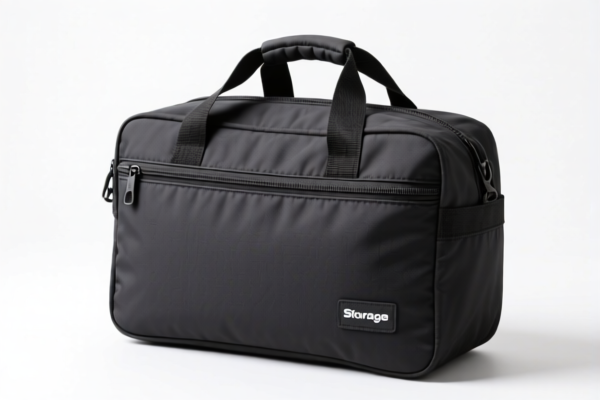
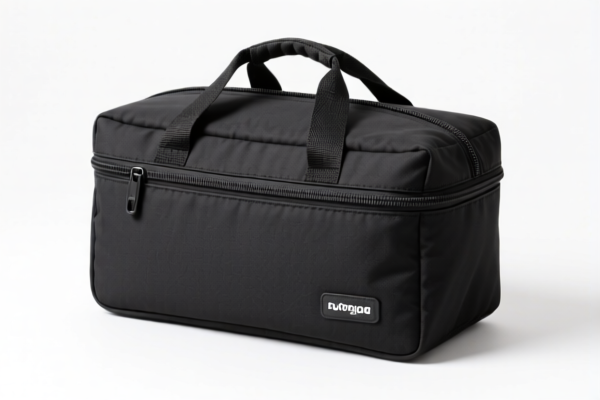
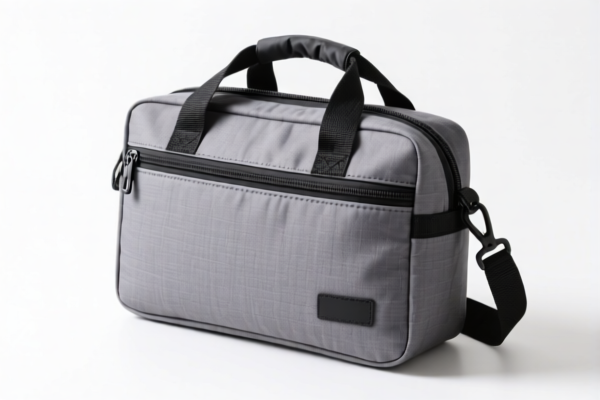
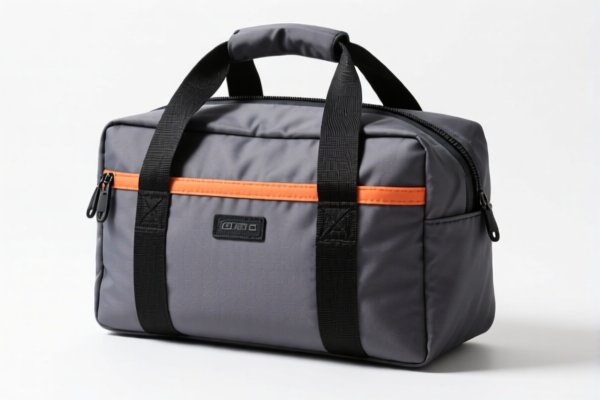
AI Analysis
🥗 Portable Food Bags (Polyester Food Storage Containers)
🌐 HS Code Classification & Customs Clearance Guide | 2026 Latest Tariff Analysis | Professional Entry Strategy
📌 I. Product Definition & Classification: Do You Really Understand "Portable Food Bags"?
Polyester portable food bags are flexible containers designed for the storage, transport, and serving of food and beverages. In international trade, these products are often misclassified due to their dual nature: they are made of plastics (polyester) but serve a packaging/retail function similar to textile bags or insulated lunch boxes.
The core distinction lies in the primary function and material composition: * Plastic Bags/Sacs: If the bag is primarily a simple plastic container for holding goods, it falls under Chapter 39. * General Plastic Articles: If it has specific features (like insulation, zippers, handles) that make it a "general use" plastic item, it may fall under Chapter 39 or 3926. * Textile/Insulated Bags: If the bag is primarily designed for thermal insulation or is constructed with textile laminates as the main structural element, it may fall under Chapter 42.
⚠️ Key Distinction Point:
- If the item is a simple "plastic sac" without complex structural features (like thick insulation layers) → 3923.29.00.00
- If it is a "general plastic article" (e.g., zippered pouch, simple container) → 3926.90 series
- If it is an "insulated lunch bag" made of synthetic fibers/laminates → 4202.92.08 series
📦 II. HS Code Classification Details (2026 Latest Tariff Authority Comparison)
| HS Code | Product Description | Applicable Scenario | Primary Function |
|---|---|---|---|
3923.29.00.00 |
Plastic bags/sacs (other than those of heading 39.04, 39.05, 39.06, 39.07, or 39.09) | Simple polyester food pouches, vacuum seal bags, basic storage sacks | ✅ Pure Plastic Packaging |
3926.90.33.00 |
Other articles of plastics and articles of other materials of heading 39.01 to 39.14: Other: Other | General polyester pouches with zippers/handles, non-insulated storage bags | ✅ General Plastic Article |
3926.90.10.00 |
Other articles of plastics: Of synthetic fibers (e.g., polyester) laminated | Polyester bags with fiber lamination, specific synthetic plastic articles | ✅ Synthetic Fiber/Plastic Composite |
4202.92.08.09 |
Trunks, suitcases, vanity cases, etc.: With outer surface of textile materials: Other: Other | Non-insulated or general polyester food bags classified under Chapter 42 due to textile appearance or specific use | ✅ Textile/Composite Bag |
4202.92.08.07 |
Trunks, suitcases, vanity cases, etc.: With outer surface of textile materials: Other: Insulated food bags | Insulated polyester lunch bags, thermal food carriers | ✅ Insulated Textile/Composite Bag |
🔍 Critical Reminder:
- Insulation is Key: If the bag has a thermal liner (aluminum foil, foam) intended to keep food hot/cold, Customs may prefer Chapter 42 (4202.92.08.07). - Simple Plastic: If it is a simple, non-insulated, flat or semi-rigid polyester pouch, Chapter 39 (3923.29.00.00or3926.90) is more appropriate. - Misclassification Risk: Classifying an insulated bag as a simple plastic bag (3923) can lead to disputes; classifying a simple bag as an insulated bag (4202) may trigger higher tariffs unnecessarily (though in this data, 4202 is high tax too).
💰 III. 2026 Latest Tariff Rate Breakdown (Including Additional Duties, Policy Surcharges)
✅ Applicable Country: United States (US)
✅ Origin: China (CN)
✅ Effective Date: Current Trade Policy (Includes Section 301 & Section 122 Measures)
🎯 1. 3923.29.00.00 —— Plastic Bags/Sacs (Simple Plastic Packaging)
| Item | Detail |
|---|---|
| Base Tariff | 3.0% (Ad Valorem) |
| Section 301 Additional Tariff | +25.0% |
| Section 122 Tariff | +10.0% |
| Total Tariff Rate | 38.0% |
| Tax Calculation | CIF Value × 38.0% |
| De Minimis Exemption | ❌ Not Applicable (High risk of denial due to Section 301/122) |
| Legal Basis Path | Section 301: 9903.88.01 → Section 122: 122.10 → USITC: 3923.29.00.00 |
📌 Explanation:
- This classification assumes the bag is a standard plastic sack. - The 25% Section 301 tariff is standard for most plastic articles from China. - The 10% Section 122 tariff applies to certain imported goods affecting national security or trade balance. - Total 38% is a significant cost burden for simple packaging.
🎯 2. 3926.90.33.00 —— Other Plastic Articles (General Purpose)
| Item | Detail |
|---|---|
| Base Tariff | 6.5% (Ad Valorem) |
| Section 301 Additional Tariff | 0.0% |
| Section 122 Tariff | +10.0% |
| Total Tariff Rate | 16.5% |
| Tax Calculation | CIF Value × 16.5% |
| De Minimis Exemption | ❌ Not Applicable (Section 122 still applies) |
| Legal Basis Path | Section 122: 122.10 → USITC: 3926.90.33.00 |
📌 Note:
- This is the most cost-effective option if the product can be legitimately classified here. - Why 0% Section 301? Some specific "other articles" under 3926 may have different exemption statuses or lower base rates that don't attract the full 25% if they are not considered "standard" plastic imports under 301 (verify current USITC lists). - The 10% Section 122 still applies, keeping the total at 16.5%.
🎯 3. 3926.90.10.00 —— Plastic Articles of Synthetic Fibers (Polyester)
| Item | Detail |
|---|---|
| Base Tariff | 3.4% (Ad Valorem) |
| Section 301 Additional Tariff | +7.5% |
| Section 122 Tariff | +10.0% |
| Total Tariff Rate | 20.9% |
| Tax Calculation | CIF Value × 20.9% |
| De Minimis Exemption | ❌ Not Applicable |
| Legal Basis Path | Section 301: 9903.01.25 → Section 122: 122.10 → USITC: 3926.90.10.00 |
📌 Explanation:
- If the bag is explicitly made of laminated polyester or synthetic fiber-plastic composite, this code applies. - The 7.5% Section 301 is lower than the standard 25%, making this a moderate-cost option. - Total 20.9% is higher than3926.90.33.00but lower than3923.29.00.00.
🎯 4 & 5. 4202.92.08.09 & 4202.92.08.07 —— Insulated/Textile Food Bags
| Item | Detail |
|---|---|
| Base Tariff | 7.0% (Ad Valorem) |
| Section 301 Additional Tariff | +25.0% |
| Section 122 Tariff | +10.0% |
| Total Tariff Rate | 42.0% |
| Tax Calculation | CIF Value × 42.0% |
| De Minimis Exemption | ❌ Not Applicable |
| Legal Basis Path | Section 301: 9903.88.01 → Section 122: 122.10 → USITC: 4202.92.08.xx |
📌 Critical Warning:
- Highest Tax Bracket: Both insulated (07) and non-insulated textile (09) classifications under Chapter 42 attract the maximum 42% total tax. - Why So High? Chapter 42 (Articles of Leather; Saddlebags) often attracts higher Section 301 duties if deemed competitive with US-made goods. - Advice: Avoid Class 42 unless your product is distinctly an "insulated lunch bag" and you have no other classification option. The cost penalty is severe.
🛠️ IV. Customs Clearance Practical Advice (Battle-Tested Pitfall Guide)
✅ 1. Required Documentation Checklist (Non-Negotiable)
| Document | Must Provide | Description |
|---|---|---|
| ✅ Product Specification Sheet | ✔️ | Material breakdown (e.g., "100% Polyester PET, 200gsm"), dimensions, capacity. |
| ✅ Material Composition Label | ✔️ | Clearly state if it contains foam, aluminum foil, or is single-layer plastic. |
| ✅ Product Photos (Labeled) | ✔️ | Front, back, interior, zipper/closeup, and label showing "Made in China". |
| ✅ Commercial Invoice | ✔️ | Description must match HS Code choice (e.g., "Plastic Food Storage Bag" vs "Insulated Lunch Bag"). |
| ✅ Packing List | ✔️ | Net/Gross weight, number of units per carton. |
| ✅ Third-Party Test Report | ✔️ | FDA Compliance (if for food contact), REACH/RoHS (if EU-bound, though data is US-focused). |
✅ 2. Declaration Strategy (Key Mantra)
🔥 “Material Dictates Code, Function Dictates Duty! Don’t Insulate if You Can’t Afford It!”
| Scenario | Correct Declaration | Incorrect Declaration |
|---|---|---|
| Simple Polyester Pouch | 3926.90.33.00 (16.5%) |
3923.29.00.00 (38%) → Overpaid Tax |
| Simple Polyester Pouch | 3923.29.00.00 (38%) |
3926.90.33.00 (16.5%) → Risk of Misclassification Audit |
| Insulated Lunch Bag | 4202.92.08.07 (42%) |
3926.90.33.00 (16.5%) → High Risk of Seizure/Repatriation |
| General Synthetic Bag | 3926.90.10.00 (20.9%) |
4202.92.08.09 (42%) → Unnecessary High Tax |
✅ 3. Special Situation Handling
| Situation | Handling Advice |
|---|---|
| Multi-Layer Bags (Plastic + Foil) | If the foil is for insulation, try to argue for 3926 if the plastic layer is dominant. If the foil defines the "insulated" nature, 4202 may be forced but check for exemptions. |
| OEM Custom Bags | Provide the design blueprint. If the design is unique, it might support the 3926.90.33.00 (Other Plastic Articles) argument over standard sacks. |
| Small Samples (De Minimis) | ⚠️ WARNING: Section 122 and Section 301 tariffs apply even to de minimis shipments (<$800) for these HS codes. Do not rely on Section 321 exemption if Section 122 is triggered. Check current CBP enforcement on Section 122. |
| Recycled Polyester | No special tariff reduction in the US data provided. Ensure "Recycled" content is declared but does not change the HS Code automatically. |
🌍 V. Global Market Comparison (2026 Context)
| Country/Region | Recommended HS Code | Estimated Tariff (China Origin) | Key Certifications | Notes |
|---|---|---|---|---|
| 🇺🇸 USA | 3926.90.33.00 |
16.5% (Best Case) | FDA Food Contact, Prop 65 | Avoid 4202 due to 42% tax. |
| 🇨🇳 China | 3926.90.33.00 |
6.5% | None required for import | No Section 301/122. |
| 🇪🇺 EU | 3926.90.90 |
6.5% - 12% | REACH, LFGB (Food Safety) | No Section 122 equivalent. |
| 🇬🇧 UK | 3926.90.90 |
6.5% | UKCA (if applicable) | Post-Brexit rules apply. |
📌 Conclusion:
- USA is the most expensive market for polyester food bags due to Section 301 and Section 122 tariffs. - Strategy: Maximize the use of3926.90.33.00(16.5%) by ensuring the product is not classified as a standard "sack" (3923) or "insulated bag" (4202). - Product Design Tip: Avoid visible thermal liners or aluminum foil layers if possible, to support the "General Plastic Article" classification.
📌 VI. Common Errors & Pitfalls Guide (Lessons Learned)
❌ Error 1: Calling an "Insulated Lunch Box" a "Plastic Bag"
👉 Consequence: Customs may reclassify to 4202 (42%) or fine for misdeclaration.
❌ Error 2: Using 3923.29.00.00 for a Zippered Pouch
👉 Consequence: 3923 is for "sacks and bags" (open ends). Zippered pouches are often "other plastic articles" (3926). Misclassification leads to audits.
❌ Error 3: Ignoring Section 122
👉 Consequence: Assuming 25% is the only tax. The 10% Section 122 adds up across all codes in this dataset.
❌ Error 4: Using "Lunch Bag" in Invoice for 3926
👉 Consequence: "Lunch Bag" strongly implies Chapter 42. Use "Plastic Food Storage Pouch" or "Polyester Carry Bag" for 3926 classification.
✅ Correct Declaration Example:
"Polyester Plastic Storage Pouch, Zipper Closure, Food Grade, Non-Insulated, Model X123"
🎯 VII. Conclusion: Precision in Classification Saves Money!
🎯 Remember the Mantra:
🔹 "No Insulation = 3926 (16.5%) Best Choice"
🔹 "Insulation = 4202 (42%) Pain Point"
🔹 "Simple Sack = 3923 (38%) Middle Ground"
🔹 "Check Section 122: +10% Always!"
📌 Pro Tip:
If you are shipping small quantities (e-commerce), verify if Section 122 applies to de minimis shipments. Recent CBP enforcement suggests it does apply. Plan your logistics cost accordingly.
📣 Immediate Action:
📞 Consult a Customs Broker to review your product's material layers.
🚀 Optimize Design: Remove thermal liners if possible to stay in the 16.5% tax bracket.
💼 Your Profit Margin Depends on Your HS Code!
✨ Professional Clearance Starts with Accurate Classification!
💼 Every Percent of Tax Saved is Pure Profit!
Customer Reviews
About HS Code Classification
The Harmonized System (HS) is an internationally standardized nomenclature developed by the World Customs Organization (WCO) to classify traded products. Over 200 countries use the HS system as the basis for customs tariffs, trade statistics, and import/export regulations.
Each HS code follows a hierarchical structure:
- Chapter (2 digits) — Broad category of goods (e.g., Chapter 84: Machinery and Mechanical Appliances)
- Heading (4 digits) — More specific grouping within the chapter
- Subheading (6 digits) — Internationally standardized breakdown, used by all WCO member countries
- National subdivisions (8-10 digits) — Country-specific extensions for further classification, such as US HTSUS 10-digit codes
Correct HS code classification is essential for smooth customs clearance, accurate duty payment, and compliance with trade regulations. Misclassification can lead to customs delays, overpayment of duties, or penalties.
When importing from CN to US, the applicable tariff rates may include:
- Most-Favored-Nation (MFN) rate — The standard duty rate applied to WTO members
- General rate — Applied to countries without trade agreements
- Trade remedy duties — Additional tariffs such as Section 301 (anti-dumping), Section 232 (national security), or countervailing duties
The information provided on this page is for reference purposes only. For official classification, please consult with your local customs authority or a licensed customs broker.