Portable Makeup Bag
CN → US| HS Code | Tariff Rate | Origin | Destination | Doc |
|---|---|---|---|---|
| 4205006000 | 39.9% | CN | US | Official Doc |
| 4202329300 | 52.6% | CN | US | Official Doc |
| 4205008000 | 35.0% | CN | US | Official Doc |
| 4202329900 | 52.6% | CN | US | Official Doc |
Product Images
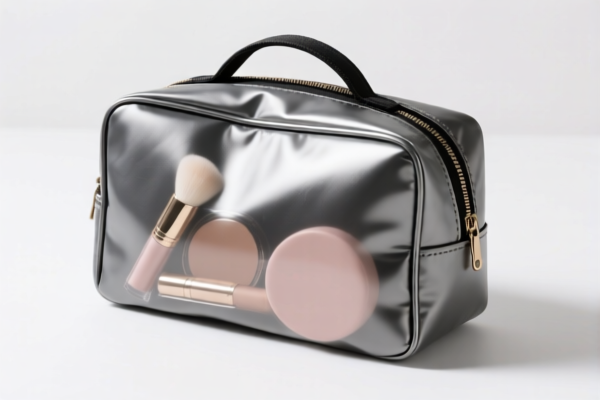
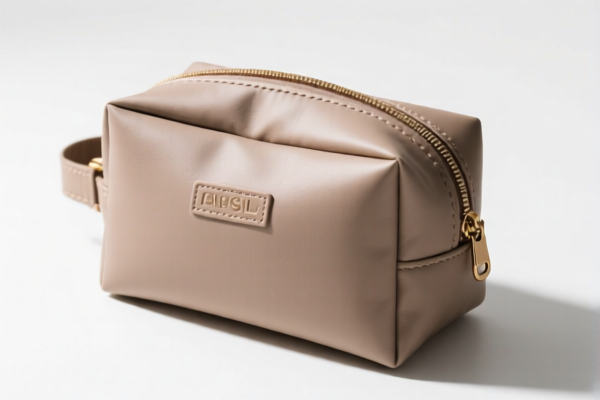


AI Analysis
💄 Portable Makeup Bag (Cosmetic Bags & Pouches)
🌐 HS Code Reference & Customs Clearance Guide | 2026 Latest Tariff Analysis | Strategic Compliance for Leather & Textile Goods
📌 I. Product Definition & Classification: Is it Leather or Fabric?
A "Portable Makeup Bag" is a versatile accessory designed to carry cosmetics, brushes, and personal care items. In international trade, the HS Code classification is entirely dependent on the material composition of the outer surface. Without explicit material specifications, customs authorities often rely on common inference, leading to two distinct pathways:
1. Leather/Synthetic Leather Path: If the bag is made of leather, synthetic leather, or reptile skin, it falls under Chapter 42 (Articles of Leather), specifically heading 4205 (Other articles of leather).
2. Textile/Plastic Sheet Path: If the bag is made of fabric, woven materials, or plastic sheets, it falls under Chapter 42, heading 4202 (Trunks, suitcases, vanity cases, etc.), specifically subheading 4202.32 (Articles of a kind normally carried in the pocket or handbag).
⚠️ Critical Distinction:
- Leather/Synthetic Leather: No specific outer material subheading in 4205 → "Other" articles.
- Textile/Plastic Outer: Must match "Outer surface is textile materials" (4202.32).
- Risk: Misclassification leads to massive duty discrepancies (e.g., 35% vs. 52.6%).
📦 II. HS Code Classification Details (2026 Latest Tariff Authority)
Based on the provided data, here are the four most likely HS Codes for a Portable Makeup Bag, depending on material inference.
| HS Code | Product Description | Material Basis | Logic Summary |
|---|---|---|---|
4205.00.60.00 |
Other articles of leather (incl. reptile skin) | Leather / Synthetic Leather | Fits as a "leather article"兜底 (catch-all). Common sense suggests makeup bags are often leather-like. No material conflict. |
4202.32.93.00 |
Vanity cases, etc., with outer surface of textile materials | Fabric / Textile | Shape matches "pouch/bag". Material logic: Outer surface is textile. No conflict. |
4205.00.80.00 |
Other articles of leather (incl. reptile skin) | Leather / Synthetic Leather | Similar to 60.00, but different sub-code. Fits "leather/synthetic leather" inference. "Other" category logic. |
4202.32.99.00 |
Other containers/pouches, outer surface textile | Fabric / Textile | Shape: Container/Bag. Material: Textile (inferred from common use). Matches definition of textile pouches. |
🔍 Key Reminder:
- Leather Codes (4205) generally attract lower base tariffs but face high Section 301/122 surcharges.
- Textile Codes (4202.32) generally attract higher base tariffs (17.6%) plus the same surcharges.
- Do NOT assume: Always verify the actual material. If a "leather-look" bag is actually PVC plastic, it may fall under different plastic headings, but per the provided data, we stick to the 4202.32 logic for textile/plastic sheeting combinations.
💰 III. 2026 Tariff Rate Breakdown (US Imports from China)
✅ Applicable Country: United States (US)
✅ Origin: China (CN)
✅ Effective Date: Post-November 2025 (Current Policy)
🎯 1. 4205.00.60.00 & 4205.00.80.00 —— Leather/Synthetic Leather Articles
| Item | Content |
|---|---|
| Base Tariff | 0.0% - 4.9% (ad valorem) |
| Section 301 Surcharge | +25.0% (USITC Footnote 9903.88.01) |
| Section 122 Surcharge | +10.0% (IEEPA 122) |
| Total Tax Rate | 35.0% - 39.9% |
| Tax Calculation | CIF Value × Total Rate |
| De Minimis Exemption? | ❌ NO (Deny De Minimis applies to Section 301/122 goods from China) |
| Legal Basis Path | USITC:4205.00.60.00 → FOOTNOTE:9903.88.01 + IEEPA:9903.01.25 (122 Clause) |
📌 Explanation:
- The base tariff for these leather articles is low (0% or 4.9%).
- However, the Section 301 (25%) and Section 122 (10%) surcharges are mandatory for Chinese-origin goods.
- Total Burden: Between 35.0% and 39.9%. This is a moderate-high tariff burden.
🎯 2. 4202.32.93.00 & 4202.32.99.00 —— Textile Outer Surface Containers
| Item | Content |
|---|---|
| Base Tariff | 17.6% (ad valorem) |
| Section 301 Surcharge | +25.0% (USITC Footnote 9903.88.01) |
| Section 122 Surcharge | +10.0% (IEEPA 122) |
| Total Tax Rate | 52.6% |
| Tax Calculation | CIF Value × 52.6% |
| De Minimis Exemption? | ❌ NO (Deny De Minimis applies to Section 301/122 goods from China) |
| Legal Basis Path | USITC:4202.32.93.00 → FOOTNOTE:9903.88.01 + IEEPA:9903.01.25 (122 Clause) |
📌 Explanation:
- The base tariff for textile-made vanity cases is significantly higher (17.6%).
- Adding the 25% (Sec 301) and 10% (Sec 122) surcharges results in a staggering 52.6% total tax.
- Total Burden: 52.6%. This is a VERY HIGH tariff burden, significantly impacting profit margins.
🛠️ IV. Customs Clearance Practical Advice (Avoid Pitfalls)
✅ 1. Documentation Checklist (Mandatory)
| Document | Required? | Notes |
|---|---|---|
| ✅ Commercial Invoice | ✔️ | Must specify "Makeup Bag" or "Cosmetic Pouch". |
| ✅ Product Specification Sheet | ✔️ | CRITICAL: Must clearly state Outer Surface Material (e.g., "Polyester", "PU Leather", "Canvas"). |
| ✅ Product Photos | ✔️ | Clear images showing texture, lining, and zippers. |
| ✅ Material Composition Statement | ✔️ | Exact % of leather vs. textile vs. plastic. |
| ✅ Packing List | ✔️ | Quantity and weight details. |
✅ 2. Classification Strategy (Key Mantras)
🔥 “Material Dictates Code, Tariff Dictates Cost!”
| Scenario | Recommended HS Code | Estimated Tax | Why? |
|---|---|---|---|
| 100% Leather or PU Leather | 4205.00.60.00 or 4205.00.80.00 |
35.0% - 39.9% | Lower base tariff (0-4.9%) + 35% surcharges. Best Option for Leather. |
| Fabric, Canvas, or Polyester | 4202.32.93.00 or 4202.32.99.00 |
52.6% | High base tariff (17.6%) + 35% surcharges. Most Expensive. |
| Unknown Material | Request Material Test | N/A | Do NOT guess. If you guess Leather but it’s Fabric, you underpaid tax → Penalty. If you guess Fabric but it’s Leather, you overpaid tax → Lost Profit. |
✅ 3. Special Considerations
| Issue | Solution |
|---|---|
| Composite Materials | If the bag is "Leather exterior + Fabric interior", it is still classified as Leather (4205) because the outer surface determines the chapter. |
| "Vanity Case" vs. "Pouch" | Both fall under 4202 if textile, or 4205 if leather. The shape confirms it’s not a "garment accessory" but a "container". |
| Section 122 (10%) | This is a relatively recent/additional surcharge on top of the 301 tariffs. Ensure your broker includes this in the calculation. It applies to most consumer goods from China. |
| De Minimis ($800) | WARNING: Due to Section 301 and 122 surcharges, Section 321 De Minimis exemption is denied for these goods from China. You must file formal entry and pay full duties. |
🌍 V. Global Market Comparison (2026 Outlook)
| Region | Recommended HS Code | Est. Total Tax (China Origin) | Notes |
|---|---|---|---|
| 🇺🇸 USA | 4205.00.60.00 / 4202.32.93.00 |
35% - 52.6% | High surcharges (301 + 122). No De Minimis. |
| 🇨🇳 China | 4205.00.60.00 / 4202.32.93.00 |
0% - 5% | Low base tariffs. No retaliatory tariffs. |
| 🇪🇺 EU | 4205.00.60.00 / 4202.32.93.00 |
~4% - 12% | Standard Most-Favored-Nation (MFN) rates. No Section 301/122. |
| 🇨🇦 Canada | 4205.00.60.00 / 4202.32.93.00 |
~5% - 10% | CUSMA eligible if rules of origin met, but standard MFN is moderate. |
📌 Conclusion:
- The USA is the most expensive market for makeup bags due to the additive nature of Section 301 (25%) and Section 122 (10%) tariffs.
- Leather classification (4205) is financially superior to Textile classification (4202) in the US market due to lower base rates.
- Supply Chain Strategy: Consider sourcing leather-like bags from non-China origins (e.g., Vietnam, Mexico) to avoid 301/122 surcharges, OR negotiate cost-sharing with buyers due to the high tax burden.
📌 VI. Common Errors & Pitfalls (Lessons Learned)
❌ Error 1: Assuming all "Cosmetic Bags" are the same.
👉 Consequence: Classifying a fabric bag as leather → Underpayment of ~15% → Audit & Penalties.
👉 Consequence: Classifying a leather bag as fabric → Overpayment of ~15% → Lost Margin.
❌ Error 2: Ignoring Section 122 (10%) Surcharge.
👉 Consequence: Budgeting only for 25% Sec 301 → Shortfall of 10% on every shipment.
❌ Error 3: Attempting De Minimis ($800) Shipment for China-Made Bags.
👉 Consequence: Package held, seized, or returned. US Customs explicitly denies De Minimis for goods subject to Section 301/122 tariffs.
✅ Correct Action:
"Verify Material First, Classify Second, Calculate Full Tax (Base + 301 + 122), and File Formal Entry."
🎯 VII. Conclusion: Professional Classification Saves Money
🎯 Remember the Mantra:
🔹 "Leather = ~35% Tax. Textile = ~53% Tax."
🔹 "No De Minimis for China Bags. Plan for Formal Entry."
🔹 "Material Spec is Your Lifeline. Don't Guess!"
📌 Pro Tip:
If your makeup bags are made from recycled textiles or have special functional features, consult a customs broker for potential exclusions or alternative classifications. However, for standard bags, the 35-52% tax range is unavoidable for China-origin imports to the US.
📣 Immediate Action:
📞 Contact your Customs Broker with the Material Specification Sheet.
🚀 Calculate Landed Cost using the Total Tax Rate (Base + 35%).
💡 Consider Pricing Strategy to absorb or pass on the 52.6% max burden for textile bags.
✨ Accurate Classification Starts with Material Knowledge!
💼 Your Profit Margin Depends on the Last Digit of the HS Code!
Customer Reviews
About HS Code Classification
The Harmonized System (HS) is an internationally standardized nomenclature developed by the World Customs Organization (WCO) to classify traded products. Over 200 countries use the HS system as the basis for customs tariffs, trade statistics, and import/export regulations.
Each HS code follows a hierarchical structure:
- Chapter (2 digits) — Broad category of goods (e.g., Chapter 84: Machinery and Mechanical Appliances)
- Heading (4 digits) — More specific grouping within the chapter
- Subheading (6 digits) — Internationally standardized breakdown, used by all WCO member countries
- National subdivisions (8-10 digits) — Country-specific extensions for further classification, such as US HTSUS 10-digit codes
Correct HS code classification is essential for smooth customs clearance, accurate duty payment, and compliance with trade regulations. Misclassification can lead to customs delays, overpayment of duties, or penalties.
When importing from CN to US, the applicable tariff rates may include:
- Most-Favored-Nation (MFN) rate — The standard duty rate applied to WTO members
- General rate — Applied to countries without trade agreements
- Trade remedy duties — Additional tariffs such as Section 301 (anti-dumping), Section 232 (national security), or countervailing duties
The information provided on this page is for reference purposes only. For official classification, please consult with your local customs authority or a licensed customs broker.