Portable Seat
CN → USProduct Images
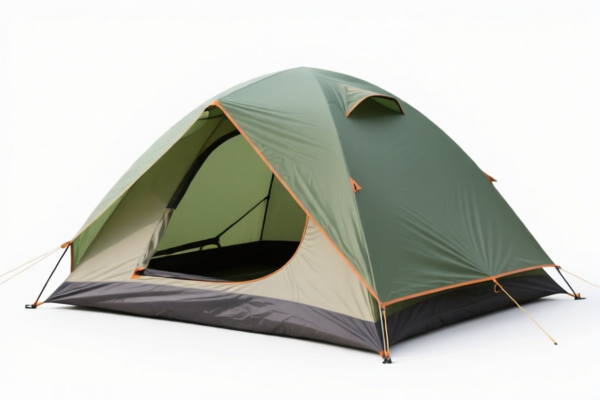
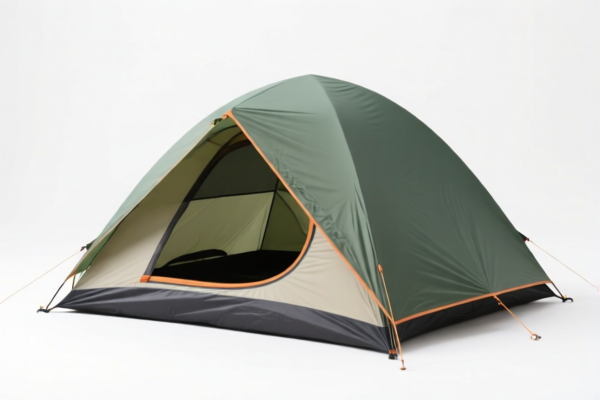
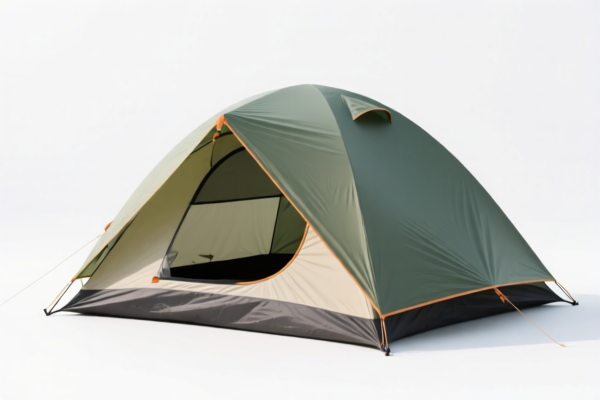
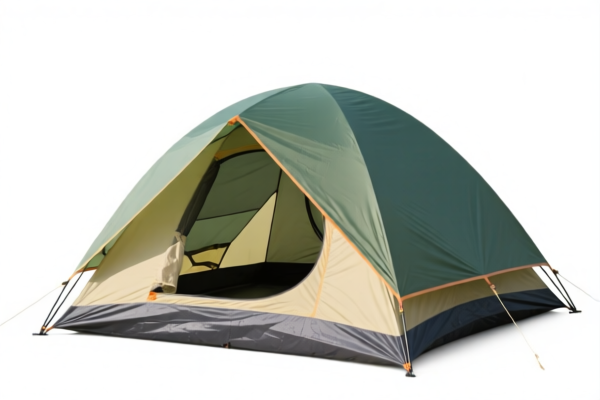
AI Analysis
💺 Portable Seat (Portable Seating Devices)
🌐 HS Code Reference & Customs Clearance Guide | 2026 Latest Tariff Analysis | Professional Customs Strategy
📌 1. Product Definition & Classification: Do You Really Understand "Portable Seats"?
A Portable Seat is a generic term that covers a wide range of seating products designed for temporary use, travel, camping, or outdoor activities. In international trade, classification is strictly determined by material, structure, and intended use. Misclassification here is common and dangerous, as tariffs can vary from 0% to over 40%.
Two Main Categories:
1. Folding/Portable Seats for Personal Use (e.g., Camping Chairs, Beach Stools, Folding Stools)
These are typically made of fabric, plastic, or metal frames. They are designed for individual use and are not permanent fixtures.
⚠️ Key Distinction: If it’s a standalone seat for personal comfort (like a folding camping chair), it usually falls under Chapter 94 (Furniture).
2. Seats Integrated into Other Goods (e.g., Foldable Car Seats, Bicycle Seats, Stroller Seats)
If the seat is an integral part of a larger device (like a car accessory or a bike), it may be classified with that device.
⚠️ Key Distinction: If it’s a replacement part or accessory for a specific machine, it falls under Chapter 85, 87, or 95.
⚠️ Critical Differentiator:
- If it’s a standalone folding chair (camping, beach, stool) → HS 9401
- If it’s a car seat (passenger vehicle) → HS 8708
- If it’s a bicycle seat → HS 8714
- If it’s a baby stroller seat (part of stroller) → HS 9503
📦 2. HS Code Classification Details (2026 Latest Tariff Authority对照)
| HS Code | Product Description | Application Scenario | Includes Motor/Electric? |
|---|---|---|---|
| 9401.71.00 | Seats with wooden frames, folding or collapsible | Camping chairs, folding stools, beach chairs | ❌ No |
| 9401.79.00 | Other seats with frames of wood | Foldable wooden stools, garden chairs | ❌ No |
| 9401.80.00 | Other seats (e.g., plastic, metal, fabric frames) | Most folding camping chairs, lightweight travel stools | ❌ No |
| 9401.90.00 | Parts of seats | Replacement fabric, legs, or frames for camping chairs | ❌ No |
| 8708.99.94 | Parts and accessories of motor vehicles (e.g., car seats) | Foldable car seats, baby car seats | ❌ No |
| 8714.99.80 | Parts and accessories of bicycles (e.g., saddle) | Bicycle saddles, cycling seats | ❌ No |
🔍 Key Reminder:
- Most "Portable Seats" sold for camping, fishing, or outdoor recreation are classified under 9401.80.00 (Other Seats).
- Do NOT classify folding camping chairs under "Textiles" (6306) unless they are purely fabric tents/mats without a frame.
- If the seat has electric motors (e.g., massage portable seat), it may fall under Chapter 85 or 9402 (Medical/Therapeutic), which changes the tariff significantly.
💰 3. 2026 Latest Tariff Rate Details (Including Surcharges & Policy Add-ons)
✅ Applicable Country: United States (US)
✅ Origin: China (CN)
✅ Effective Date: From November 10, 2025 (including subsequent imports)
🎯 1. 9401.80.00 —— Other Seats (Most Common for Portable Camping Chairs)
| Item | Content |
|---|---|
| Base Rate | 0% (ad valorem) |
| USITC Surcharge | +25% (from USITC Footnote 9903.88.01) |
| IEEPA Surcharge | +10% (Targeting China/HK products, from Nov 10, 2025) |
| Total Rate | 35% |
| Tax Calculation | CIF Value × 35% |
| De Minimis Eligibility | ❌ No (deny_de_minimis) |
| Legal Basis Path | IEEPA:9903.01.25 → IEEPA:9903.01.24 → USITC:9401.80.00 → FOOTNOTE:9903.88.01 |
📌 Explanation:
- The 25% USITC surcharge is part of Section 301 tariffs on Chinese furniture-related goods.
- The 10% IEEPA surcharge is an additional对华 tariff under the International Emergency Economic Powers Act.
- Total 35% is a high tariff. Many low-margin camping chairs may become unprofitable.
🎯 2. 9401.71.00 —— Folding Seats with Wooden Frames
| Item | Content |
|---|---|
| Base Rate | 0% |
| USITC Surcharge | +25% |
| IEEPA Surcharge | +10% |
| Total Rate | 35% |
| Tax Calculation | CIF × 35% |
| De Minimis Eligibility | ❌ No |
| Legal Basis Path | IEEPA:9903.01.25 → IEEPA:9903.01.24 → USITC:9401.71.00 → FOOTNOTE:9903.88.01 |
📌 Note:
- Wooden frame folding chairs (e.g., wooden camping stools) also face the 35% total tariff.
- Even if made of bamboo or rattan, if classified as "wooden frame," the same rate applies.
🎯 3. 8708.99.94 —— Car Seats (If Classified as Auto Parts)
| Item | Content |
|---|---|
| Base Rate | 2.5% |
| USITC Surcharge | +25% |
| IEEPA Surcharge | +10% |
| Total Rate | 37.5% |
| Tax Calculation | CIF × 37.5% |
| De Minimis Eligibility | ❌ No |
| Legal Basis Path | IEEPA:9903.01.25 → IEEPA:9903.01.24 → USITC:8708.99.94 → FOOTNOTE:9903.88.01 |
📌 Note:
- If the "portable seat" is a foldable car seat (e.g., for backseat pets or babies), it may be classified as an auto part.
- Auto parts from China face even higher effective rates due to the 2.5% base rate + surcharges.
🛠️ 4. Customs Clearance Practical Advice (Battle-Tested Pitfall Avoidance Guide)
✅ 1. Required Documentation Checklist (Missing = Delay/Return)
| Document | Required | Notes |
|---|---|---|
| ✅ Product Spec Sheet | ✔️ | Must include dimensions, weight, material (wood/plastic/fabric), max load capacity |
| ✅ Structure Diagram | ✔️ | Show if it’s folding, collapsible, or has a frame |
| ✅ Product Photos | ✔️ | Clear images of folded/unfolded state, labels, model number |
| ✅ Third-Party Test Report | ✔️ | CPSIA (for kids), REACH, Prop 65 (if applicable) |
| ✅ Commercial Invoice | ✔️ | Clearly state: "Folding Camping Chair, HS 9401.80.00" |
| ✅ Packing List | ✔️ | Show if seats are packed together or individually |
✅ 2. Declaration Tips (Key Mnemonic)
🔥 "Material Defines HS, Foldable is 9401, Car Part is 8708, Don’t Mix Them!"
| Scenario | Correct Declaration | Wrong Practice |
|---|---|---|
| Folding Camping Chair | 9401.80.00 |
Misclassify as "Textile" (6306) → 30% penalty |
| Wooden Folding Stool | 9401.71.00 |
Misclassify as plastic → 25% penalty |
| Car Seat Cover | 9401.90.00 or 8708.99.94 |
Declare as "Furniture" → Customs rejection |
| Electric Massage Portable Seat | 9402.90.00 or 8543.70.99 |
Declare as "Folding Chair" → 35% tariff on wrong item |
✅ 3. Special Cases Handling
| Scenario | Handling Advice |
|---|---|
| OEM Portable Seats | Provide customer design specs to prove it’s not a generic furniture item |
| Seats with Branding | Ensure trademark authorization if selling under a registered brand |
| Kids’ Portable Seats | Must comply with CPSIA (Children’s Product Certificate) + ASTM F2057 safety standard |
| Seats with Solar Panels | May fall under Chapter 85 (Electrical Machinery) → Different tariff |
🌍 5. Global Market Comparison (2026 Latest)
| Country/Region | Recommended HS Code | Tariff | Certification | Notes |
|---|---|---|---|---|
| 🇺🇸 US | 9401.80.00 |
35% (CN) | FCC (if electronic), CPSIA (if kids) | High tariff due to 301 + IEEPA |
| 🇨🇳 China | 9401.80.00 |
5% | CCC (if electric) | No surcharges |
| 🇪🇺 EU | 9401.80.00 |
0% (if CE) | CE + REACH | No surcharges |
| 🇬🇧 UK | 9401.80.00 |
0% | UKCA | No surcharges |
| 🇦🇺 Australia | 9401.80.00 |
5% | RCM | No surcharges |
📌 Conclusion:
- US Market is the most expensive for Chinese-made portable seats (35% total).
- EU/UK/AU remain competitive with 0-5% tariffs.
- Consider supply chain diversification (e.g., Vietnam, Thailand) to avoid IEEPA surcharges in the US.
📌 6. Common Mistakes & Pitfall Guide (Blood & Tears Lessons)
❌ Mistake 1: Classifying folding camping chairs as "Textiles" (6306)
👉 Consequence: Customs will reclassify to 9401 → 35% tariff + penalties!
❌ Mistake 2: Declaring wooden stools as "Plastic"
👉 Consequence: HS Code mismatch → Audit risk + Delay
❌ Mistake 3: Forgetting CPSIA for kids’ seats
👉 Consequence: Product seizure + Recall risk in the US
❌ Mistake 4: Using "Stool" or "Chair" interchangeably
👉 Consequence: If customs determines it’s a "seat" (9401) but you declared "stool" (9403), no tariff difference but higher audit risk
✅ Correct Practice:
"Folding Camping Chair, Aluminum Frame, Fabric Seat, Max Load 150kg, Folded Size 60x20x20cm, Model XYZ, CPSIA Compliant"
🎯 7. Conclusion: Professional Declaration, Cost Savings, Efficiency!
🎯 Remember Mnemonics:
🔹 "Foldable is 9401, Car Part is 8708, Textile is Wrong, Kids Need CPSIA!"
🔹 "HS Code Saves Money, 35% Tariff Breaks Profit, Declare Right, Stay Alive!"
📌 Pro Tip:
If your portable seats are originating from Vietnam, Thailand, or Indonesia, you may apply for IEEPA Exemption, reducing tariffs to 0-5%.
Recommend Advance Ruling for complex designs (e.g., electric massage seats).
📣 Act Now:
📞 Contact Professional Customs Broker + Provide Product Photos + Apply for HS Code Advance Ruling
🚀 Ensure Smooth Clearance, Maximize Profit, Scale Your Business!
✨ Professional Customs Clearance Starts with Accurate Classification!
💼 Every Dollar Saved is Profit Earned!
Customer Reviews
About HS Code Classification
The Harmonized System (HS) is an internationally standardized nomenclature developed by the World Customs Organization (WCO) to classify traded products. Over 200 countries use the HS system as the basis for customs tariffs, trade statistics, and import/export regulations.
Each HS code follows a hierarchical structure:
- Chapter (2 digits) — Broad category of goods (e.g., Chapter 84: Machinery and Mechanical Appliances)
- Heading (4 digits) — More specific grouping within the chapter
- Subheading (6 digits) — Internationally standardized breakdown, used by all WCO member countries
- National subdivisions (8-10 digits) — Country-specific extensions for further classification, such as US HTSUS 10-digit codes
Correct HS code classification is essential for smooth customs clearance, accurate duty payment, and compliance with trade regulations. Misclassification can lead to customs delays, overpayment of duties, or penalties.
When importing from CN to US, the applicable tariff rates may include:
- Most-Favored-Nation (MFN) rate — The standard duty rate applied to WTO members
- General rate — Applied to countries without trade agreements
- Trade remedy duties — Additional tariffs such as Section 301 (anti-dumping), Section 232 (national security), or countervailing duties
The information provided on this page is for reference purposes only. For official classification, please consult with your local customs authority or a licensed customs broker.