Portable Storage Bag
CN → US| HS Code | Tariff Rate | Origin | Destination | Doc |
|---|---|---|---|---|
| 3923900080 | 38.0% | CN | US | Official Doc |
| 4202923120 | 52.6% | CN | US | Official Doc |
| 6307909891 | 24.5% | CN | US | Official Doc |
| 4202923131 | 52.6% | CN | US | Official Doc |
| 6307909875 | 24.5% | CN | US | Official Doc |
Product Images
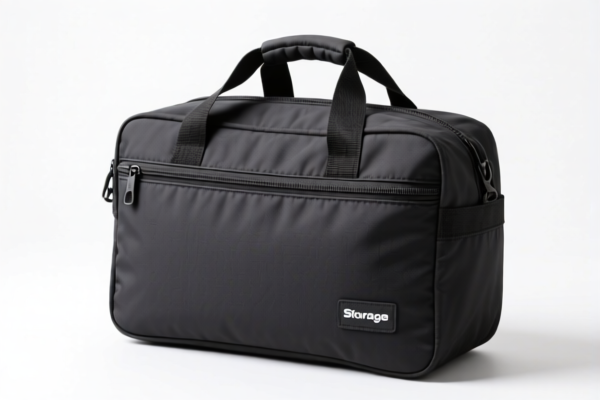
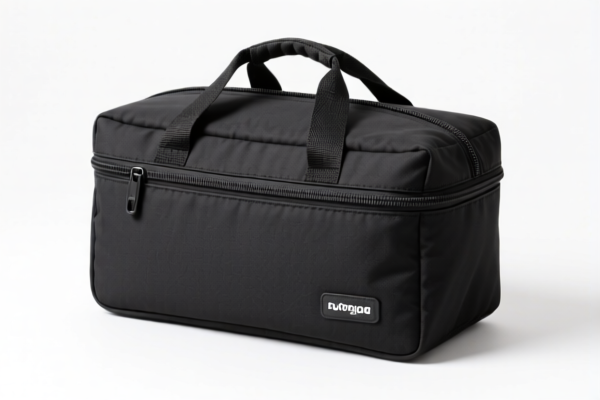
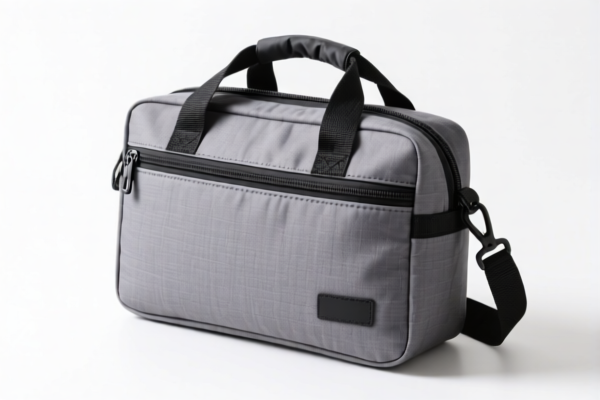
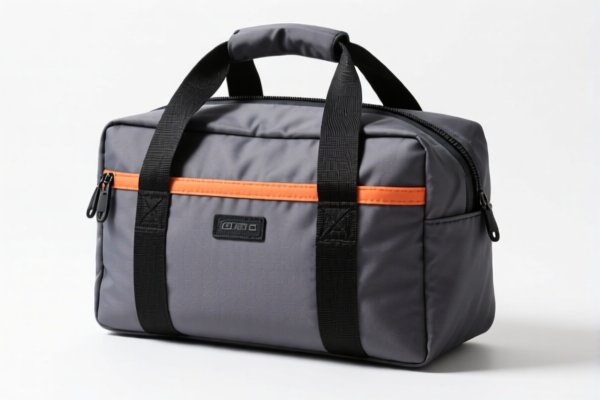
AI Analysis
🎒 Portable Storage Bags (Travel & Organization Organizers)
🌐 HS Code Reference & Customs Clearance Guide | 2026 Latest Tariff Analysis | Professional Clearance Strategy
📌 I. Product Definition & Classification: What Exactly Are "Portable Storage Bags"?
Portable Storage Bags (often called travel organizers, packing cubes, or toiletry kits) are versatile items used for organizing luggage, travel essentials, or daily carry items. In international trade, their classification hinges critically on material composition and functionality.
They generally fall into two main categories: 1. Textile-Based Organizers: Made from fabrics like nylon, polyester, canvas, or cotton. These are classified as other made-up textile articles. 2. Plastic/Synthetic-Based Organizers: Made from PVC, PU, or other plastic materials, often treated as packaging containers or other plastic articles.
⚠️ Key Distinction Point:
- If the primary material is fabric/textile → Likely Chapter 63 (Other made-up textile articles) or Chapter 42 (Articles of leather/travel goods).
- If the primary material is plastic and used for packaging/storage → Likely Chapter 39 (Plastics and articles thereof).
- Crucial Note: The term "Travel Bag" in Chapter 42 often triggers high tariffs due to specific HTSUS subheadings for travel goods. Misclassification here leads to significant duty differences.
📦 II. HS Code Classification Matrix (2026 Latest Tariff Data)
Based on the provided dataset, here are the specific HS Codes applicable to "Portable Storage Bags" depending on the inferred material and category logic.
| HS Code | Summary & Inferred Material | Total Tax Rate | Tax Detail Breakdown |
|---|---|---|---|
3923.90.00.80 |
Packaging/Container Category. Inferred material: Plastic or Synthetic Fiber. Logic: Treated as a general storage container rather than a specialized travel accessory. |
38.0% | Base: 3.0% + Add. Tariff: 25.0% + Section 122 Tariff: 10% |
4202.92.31.20 |
Travel/Baggage Category. Inferred material: Textile Material or Plastic Film. Logic: Classified under travel/similar bags. High tariff due to Chapter 42 specifics. |
52.6% | Base: 17.6% + Add. Tariff: 25.0% + Section 122 Tariff: 10% |
6307.90.98.91 |
Finished Consumer Goods. Inferred material: Textile. Logic: "Other made-up textile articles." Often used for general-purpose fabric organizers. |
24.5% | Base: 7.0% + Add. Tariff: 7.5% + Section 122 Tariff: 10% |
4202.92.31.31 |
Travel Bag Category. Inferred material: Textile Material (outer surface). Logic: Specifically designated for travel goods with textile surfaces. Highest tax bracket. |
52.6% | Base: 17.6% + Add. Tariff: 25.0% + Section 122 Tariff: 10% |
6307.90.98.75 |
Finished Consumer Goods (Catch-all). Inferred material: Textile. Logic: Other made-up textile articles not specified elsewhere. Similar logic to 6307.90.98.91. |
24.5% | Base: 7.0% + Add. Tariff: 7.5% + Section 122 Tariff: 10% |
🔍 Critical Analysis:
- The "Chapter 42 Trap": HS Codes starting with4202(Travel, Satchels, Handbags) carry the highest total tax rate (52.6%). This is because the US imposes a 17.6% base duty plus 25% Section 301/Addition Tariff and 10% Section 122 Tariff.
- The "Textile Advantage": HS Codes starting with6307(Other Made-up Textile Articles) offer the lowest total tax rate (24.5%). This relies on a 7.0% base duty and a lower 7.5% addition tariff (likely due to different trade agreement footnotes or product scope exclusions compared to Chapter 42).
- The "Plastic Option": HS Code3923.90.00.80sits in the middle at 38.0%, with a low base duty (3.0%) but standard high addition tariffs.
💰 III. 2026 Latest Tariff Rate Detailed Breakdown
✅ Applicable Country: USA (US)
✅ Origin: China (CN)
✅ Effective Date: 2025/2026 (Subject to current trade policy enforcement)
🎯 1. 4202.92.31.20 & 4202.92.31.31 —— Travel Bags (High Tax Risk)
| Item | Content |
|---|---|
| Base Duty | 17.6% (Standard US HTSUS rate for Travel Goods) |
| Add. Tariff (Sec 301/Other) | +25.0% (Major Section 301 tariffs on Chinese goods) |
| Sec 122 Tariff | +10.0% (Specific additional tariff on certain textile/apparel/travel goods) |
| Total Effective Rate | 52.6% |
| Tax Calculation | CIF Value × 52.6% |
| De Minimis Exemption | ❌ Not Applicable (High value threshold usually excludes these from 800/801 de minimis, or specific exclusions apply) |
📌 Explanation:
- These codes classify the bag as a "Travel Good." The US government views travel accessories as distinct from general storage.
- The 17.6% base rate is punitive compared to other textile items.
- The 25% + 10% add-ons make this category extremely expensive to import.
🎯 2. 6307.90.98.91 & 6307.90.98.75 —— Other Made-Up Textile Articles (Optimal Strategy)
| Item | Content |
|---|---|
| Base Duty | 7.0% |
| Add. Tariff | +7.5% (Likely reduced rate due to specific footnote or product type exclusion from higher 301 brackets) |
| Sec 122 Tariff | +10.0% |
| Total Effective Rate | 24.5% |
| Tax Calculation | CIF Value × 24.5% |
| De Minimis Exemption | ❌ Not Applicable (Standard textile rules apply) |
📌 Strategy Insight:
- If the bag is fabric-based, arguing for classification under Chapter 63 (Other Made-up Textile Articles) instead of Chapter 42 (Travel Goods) can save 28.1% in total duties (52.6% - 24.5%).
- This requires proving the item is for general organization (e.g., laundry bags, cosmetic pouches, general storage) rather than strictly "travel accessories" designed to fit inside luggage compartments.
🎯 3. 3923.90.00.80 —— Plastic Storage Containers
| Item | Content |
|---|---|
| Base Duty | 3.0% |
| Add. Tariff | +25.0% |
| Sec 122 Tariff | +10.0% |
| Total Effective Rate | 38.0% |
| Tax Calculation | CIF Value × 38.0% |
📌 Explanation:
- Plastic bags/containers have a low base duty but suffer from the full 25% Section 301 tariff.
- This is a middle-ground option if the product is rigid or semi-rigid plastic, but it is more expensive than the textile Chapter 63 classification.
🛠️ IV. Customs Clearance Practical Advice (Avoiding Pitfalls)
✅ 1. Material Declaration is Key
| Component | Description | Impact on HS Code |
|---|---|---|
| Outer Fabric | Nylon, Polyester, Canvas | Points to 6307 or 4202 |
| Lining | Polyester lining, PVC coating | Supports 3923 or 4202 |
| Zippers/Hardware | Metal plastic, PU coated | Does not change main classification unless >50% value (rare) |
| Shape/Function | Folds flat, fits in suitcase | Risk of 4202 (Travel Good) |
| Marketing | "Toiletry Kit," "Packing Cube" | High risk for 4202 |
| Marketing | "General Storage," "Laundry Bag" | Risk reduction for 6307 |
✅ 2. Strategic Classification Advice (Cost Saving)
🔥 "Fabric General Purpose = Chapter 63; Luggage-Specific = Chapter 42!"
| Scenario | Recommended HS Code | Estimated Tax | Strategy |
|---|---|---|---|
| Soft-sided, fabric organizer (e.g., shoe bags, general toiletry pouch) | 6307.90.98.91 or 6307.90.98.75 |
24.5% | ✅ Best Option Argue as "Other made-up textile articles" for general storage, not specifically designed for travel luggage integration. |
| Hard-sided or semi-rigid plastic container | 3923.90.00.80 |
38.0% | ⚠️ Middle Ground Only if plastic is the dominant material by weight/value. |
| Labeled "Travel Organizer" / "Packing Cube" | 4202.92.31.20 / 4202.92.31.31 |
52.6% | ❌ Avoid if Possible High tax burden. Only use if the item is unmistakably a travel accessory with no other functional use. |
✅ 3. Documentation Checklist
| Document | Required? | Notes |
|---|---|---|
| Product Composition Sheet | ✅ Yes | Clearly state % of fabric vs. plastic. If >50% textile, lean towards 6307. |
| Product Photos | ✅ Yes | Show the item in use. Avoid photos showing it neatly tucked into a suitcase (which implies Chapter 42). |
| Labeling/Markings | ✅ Yes | Avoid words like "Travel," "Luggage," "Suitcase" on the product itself. Use "Storage," "Organizer," "Caddy." |
| Commercial Invoice | ✅ Yes | Describe as "Fabric Storage Pouch for General Household Use" rather than "Travel Bag." |
| Duty Mitigation Report | ✅ Optional | If contesting 4202 vs 6307, provide a ruling request or advance opinion. |
🌍 V. Market Comparison & Tariff Impact
| Market | Preferred HS Code | Est. Duty Rate (China Origin) | Notes |
|---|---|---|---|
| 🇺🇸 USA | 6307.90.98.91 |
24.5% | Target Code Avoid 4202 (52.6%) unless necessary. |
| 🇺🇸 USA | 4202.92.31.20 |
52.6% | Penalty Code High risk for "Travel Goods." |
| 🇪🇺 EU | Various | Varies (0-12%) | EU does not have Section 122 or identical 301 tariffs. Chapter 63 often 0-6%. |
| 🇨🇳 China | Various | 0-10% | Import duties are lower. Focus is on VAT (13%). |
📌 Conclusion for US Importers:
- The 28.1% tax difference between6307(24.5%) and4202(52.6%) is significant.
- Marketing language is critical. If you sell "Travel Packing Cubes," US Customs may enforce4202. If you sell "General Fabric Organizers," you have a stronger case for6307.
📌 VI. Common Errors & Pitfalls (Blood & Tears Lessons)
❌ Error 1: Using the word "Travel" in the product title or description.
👉 Consequence: Customs agent defaults to 4202 → 52.6% Tax → Immediate cost increase.
✅ Fix: Use "Storage Bag," "Pouch," "Organizer."
❌ Error 2: Misdeclaring a fabric bag as plastic to avoid Chapter 42, but it contains significant textile.
👉 Consequence: Audits, penalties for misclassification.
✅ Fix: Accurate material composition is mandatory.
❌ Error 3: Assuming all "Bags" go to Chapter 42.
👉 Consequence: Missing the cheaper 6307 classification.
✅ Fix: Analyze function. Is it exclusively for travel? If it can be used for laundry, makeup, or desk organization, 6307 is viable.
🎯 VII. Conclusion: Precision in Classification Saves Money
🎯 Key Takeaway:
🔹 "Chapter 63 (Textile General) = 24.5%"
🔹 "Chapter 42 (Travel Specific) = 52.6%"
🔹 "Chapter 39 (Plastic) = 38.0%"
📌 Action Plan:
1. Rebrand: Remove "Travel" from product names/marketing.
2. Describe: Use "Fabric Storage Organizer" or "General Purpose Pouch."
3. Declare: Classify under 6307.90.98.91 or 6307.90.98.75 to leverage the 24.5% rate.
4. Verify: Ensure materials are predominantly textile (fabric).
✨ Professional Clearance Starts with Accurate Classification!
💼 Don't let a 28% tariff difference eat your margins!
Customer Reviews
About HS Code Classification
The Harmonized System (HS) is an internationally standardized nomenclature developed by the World Customs Organization (WCO) to classify traded products. Over 200 countries use the HS system as the basis for customs tariffs, trade statistics, and import/export regulations.
Each HS code follows a hierarchical structure:
- Chapter (2 digits) — Broad category of goods (e.g., Chapter 84: Machinery and Mechanical Appliances)
- Heading (4 digits) — More specific grouping within the chapter
- Subheading (6 digits) — Internationally standardized breakdown, used by all WCO member countries
- National subdivisions (8-10 digits) — Country-specific extensions for further classification, such as US HTSUS 10-digit codes
Correct HS code classification is essential for smooth customs clearance, accurate duty payment, and compliance with trade regulations. Misclassification can lead to customs delays, overpayment of duties, or penalties.
When importing from CN to US, the applicable tariff rates may include:
- Most-Favored-Nation (MFN) rate — The standard duty rate applied to WTO members
- General rate — Applied to countries without trade agreements
- Trade remedy duties — Additional tariffs such as Section 301 (anti-dumping), Section 232 (national security), or countervailing duties
The information provided on this page is for reference purposes only. For official classification, please consult with your local customs authority or a licensed customs broker.