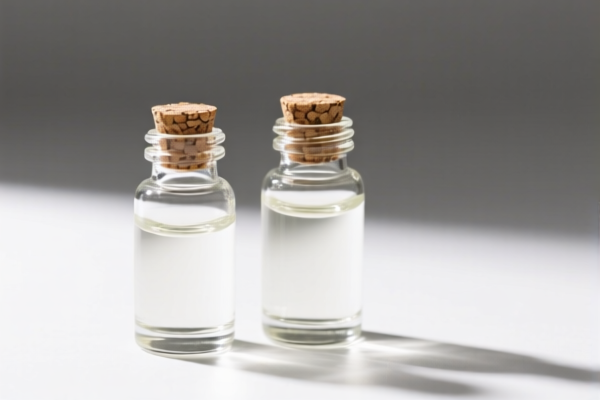
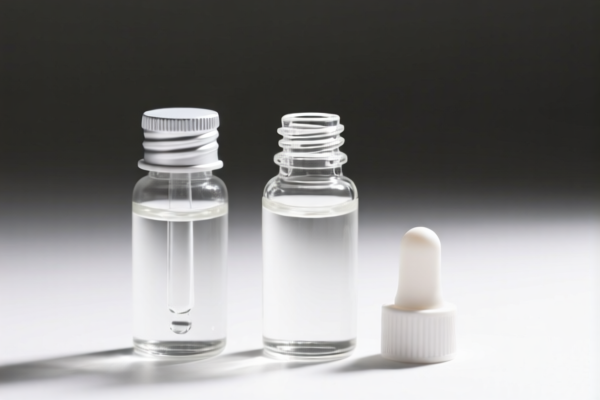
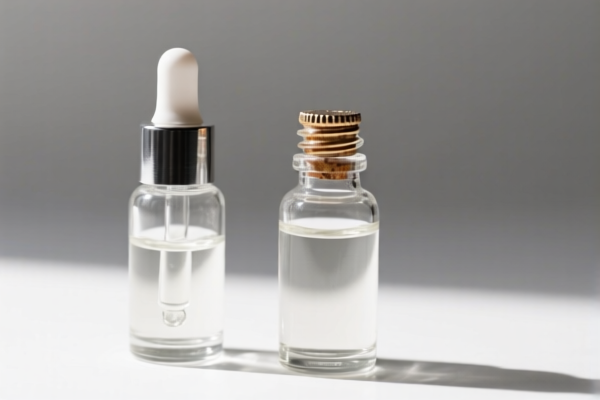
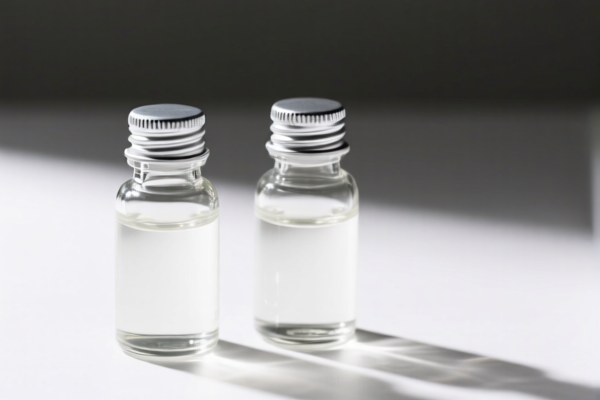
Portable Transparent Screw Cap Bottle Set
CN → US| HS Code | Tariff Rate | Origin | Destination | Doc |
|---|---|---|---|---|
| 7010900530 | 35.0% | CN | US | Official Doc |
| 7010900540 | 35.0% | CN | US | Official Doc |
| 3923300010 | 38.0% | CN | US | Official Doc |
| 3923300090 | 38.0% | CN | US | Official Doc |
Product Images
AI Analysis
🍾 Portable Transparent Screw Cap Bottle Set
🌐 HS Code Reference & Customs Clearance Guide | 2026 Latest Tariff Analysis | Professional Clearance Strategy
📌 I. Product Definition and Classification: Do You Truly Understand "Bottles"?
A Portable Transparent Screw Cap Bottle Set refers to containers made of plastic or glass, designed for carrying or packing liquids (such as cosmetics, toiletries, beverages, or pharmaceuticals). The key characteristics are transparency, screw caps, and portability (often implying smaller sizes or travel-friendly forms).
In international trade, the classification depends strictly on two factors: 1. Material: Plastic vs. Glass. 2. Capacity: Specifically whether the volume is ≤ 50 ml (plastic) or falls into specific ranges for glass pharmaceutical containers.
⚠️ Key Distinction:
- If made of Plastic and capacity is ≤ 50 ml → Classify under 3923.30.00.10
- If made of Plastic and capacity is > 50 ml → Classify under 3923.30.00.90
- If made of Glass and capacity is 0.15 L – 0.33 L → Classify under 7010.90.05.30
- If made of Glass and capacity is ≤ 0.15 L → Classify under 7010.90.05.40
📦 II. HS Code Classification Details (2026 Latest Tariff Authority Comparison)
| HS Code | Product Description | Applicable Scenario | Material | Capacity Limit |
|---|---|---|---|---|
3923.30.00.10 |
Articles for conveyance/packing of goods, of plastics: Carboys, bottles, flasks, etc. Of a capacity not exceeding 50 ml | Travel-sized toiletry sets, small cosmetic samples, portable essential oil bottles | ✅ Plastic | ≤ 50 ml |
3923.30.00.90 |
Articles for conveyance/packing of goods, of plastics: Carboys, bottles, flasks, etc. Other | Large plastic water bottles, bulk chemical containers, >50ml travel bottles | ✅ Plastic | > 50 ml |
7010.90.05.30 |
Carboys, bottles, flasks, jars, pots, vials, ampoules, etc., of glass: Serum bottles, vials and other pharmaceutical containers Of a capacity exceeding 0.15 liter but not exceeding 0.33 liter | Glass perfume bottles, mid-sized glass cosmetic jars, pharmaceutical vials | ✅ Glass | 150ml < V ≤ 330ml |
7010.90.05.40 |
Carboys, bottles, flasks, jars, pots, vials, ampoules, etc., of glass: Serum bottles, vials and other pharmaceutical containers Of a capacity not exceeding 0.15 liter | Small glass vials, miniature serum bottles, tiny glass perfume bottles | ✅ Glass | ≤ 150 ml |
🔍 Critical Reminder:
- "Transparent" and "Screw Cap" are not primary classification criteria in the HS system; they are descriptive. The classifier must look at Material and Capacity. - If the set contains mixed materials (e.g., plastic bottle + glass cap), classification usually follows the material of the primary container (the bottle itself). - "Portable" does not exempt you from capacity limits. A 100ml plastic bottle is still >50ml, falling into the "Other" category.
💰 III. 2026 Latest Tariff Rate Details (Including Surtaxes, Policy Additions)
✅ Applicable Country: United States (US)
✅ Origin: China (CN)
✅ Effective Date: As per current trade policies (subject to USITC/IEEPA updates)
🎯 1. 3923.30.00.10 —— Plastic Bottles (≤ 50 ml)
| Item | Content |
|---|---|
| Base Tariff | 0% (ad valorem) |
| USITC Surcharge | 0.0% |
| IEEPA Surcharge | 0.0% |
| Total Tax Rate | 0.0% |
| Tax Calculation | CIF Value × 0% |
| De Minimis Eligible? | ✅ Yes (Generally eligible if value is low, but check specific carrier rules) |
| Legal Basis | HTSUS:3923.30.00.10 |
📌 Explanation:
- Small plastic packaging articles enjoy 0% tariff under current US trade agreements and general provisions. - This is a low-cost classification category. - No additional Section 301 or IEEPA surcharges apply to this specific subheading.
🎯 2. 3923.30.00.90 —— Plastic Bottles (> 50 ml, Other)
| Item | Content |
|---|---|
| Base Tariff | 0% (ad valorem) |
| USITC Surcharge | 0.0% |
| IEEPA Surcharge | 0.0% |
| Total Tax Rate | 0.0% |
| Tax Calculation | CIF Value × 0% |
| De Minimis Eligible? | ✅ Yes |
| Legal Basis | HTSUS:3923.30.00.90 |
📌 Note:
- Even larger plastic bottles remain 0% taxed. - Unlike electronics or certain steel products, plastic packaging is not heavily targeted by recent US-China trade wars. - Safe harbor for importers: Low risk, low cost.
🎯 3. 7010.90.05.30 —— Glass Containers (0.15 L – 0.33 L)
| Item | Content |
|---|---|
| Base Tariff | 0% (ad valorem) |
| USITC Surcharge | +25.0% |
| IEEPA Surcharge | 0.0% (Note: Based on provided data, total is 25%) |
| Total Tax Rate | 25.0% |
| Tax Calculation | CIF Value × 25% |
| De Minimis Eligible? | ❌ No (High tax items often excluded or flagged) |
| Legal Basis | HTSUS:7010.90.05.30 |
📌 Warning:
- Glass containers in this size range face a 25% surcharge. - This is likely due to specific trade remedies or anti-dumping/countervailing measures on glass articles from certain origins. - High cost implication for mid-sized glass bottles.
🎯 4. 7010.90.05.40 —— Glass Containers (≤ 0.15 L)
| Item | Content |
|---|---|
| Base Tariff | 0% (ad valorem) |
| USITC Surcharge | +25.0% |
| IEEPA Surcharge | 0.0% |
| Total Tax Rate | 25.0% |
| Tax Calculation | CIF Value × 25% |
| De Minimis Eligible? | ❌ No |
| Legal Basis | HTSUS:7010.90.05.40 |
📌 Note:
- Small glass pharmaceutical/cosmetic containers also carry the 25% surcharge. - Do not assume small = tax-free. The material (Glass) triggers the higher rate in this specific subheading. - Cost Impact: For high-value glass vials (e.g., serum, premium perfume), 25% is significant.
🛠️ IV. Customs Clearance Practical Advice (Battle-Tested Pitfall Guide)
✅ 1. Documentation Checklist (Non-negotiable)
| Document | Required | Explanation |
|---|---|---|
| ✅ Product Specification Sheet | ✔️ | Must clearly state Material (Plastic/Glass), Capacity (ml/L), and Intended Use (Pharmaceutical/Cosmetic/Food). |
| ✅ Commercial Invoice | ✔️ | Must match HS Code description exactly. Avoid vague terms like "Bottles." Use "Plastic Bottles, 30ml, PET." |
| ✅ Packaging List | ✔️ | Show item-by-item breakdown if sets contain multiple bottles. |
| ✅ Material Certification | ✔️ | Especially for glass, confirm it is not leaded crystal (which might have different codes). |
| ✅ FDA Compliance Docs | ✔️ | If used for food/drugs, provide FDA contact info or compliance statement. |
✅ 2. Declaration Tips (Key Mantra)
🔥 "Material First, Capacity Second, Glass Pays, Plastic Free!"
| Scenario | Correct Declaration | Wrong Practice |
|---|---|---|
| Plastic bottle, 30ml | 3923.30.00.10 |
Declaring as 3923.30.00.90 → No tax change, but inaccurate. |
| Plastic bottle, 100ml | 3923.30.00.90 |
Declaring as 3923.30.00.10 → Smuggling risk, fine. |
| Glass vial, 100ml | 7010.90.05.40 |
Declaring as 3923... → 25% tax evasion, severe penalty. |
| Glass bottle, 200ml | 7010.90.05.30 |
Declaring as 7010.90.05.40 → Tax underpayment. |
✅ 3. Special Cases
| Situation | Handling Advice |
|---|---|
| Set of Bottles | If a set contains both plastic and glass, classify each item separately. Do not lump into one code. |
| "Pharmaceutical" Labeling | If marked for drugs, ensure it falls under 7010.90.05.xx. If for general cosmetic use, it may still fall here if shaped like a vial, but verify with CBP. |
| Custom Shapes | "Flasks" and "Ampoules" have specific shapes. If it’s a generic cylinder, use "Bottle." Misclassification can lead to delays. |
| Origin Declaration | If glass is produced in Vietnam but assembled in China, origin rules apply. Ensure Certificate of Origin matches. |
🌍 V. Global Market Customs Comparison (2026 Latest)
| Country/Region | Recommended HS Code | Tariff (China Origin) | Certification | Remarks |
|---|---|---|---|---|
| 🇺🇸 USA | 3923.30.00.10/90 |
0% | None | Plastic is tax-free. |
| 🇺🇸 USA | 7010.90.05.30/40 |
25% | FDA (if applicable) | Glass faces 25% surcharge. |
| 🇪🇺 EU | 3923.30 |
4.0% - 6.5% | REACH | Standard plastic tariff. |
| 🇪🇺 EU | 7010.90 |
4.5% | REACH + Glass Packaging Directive | Standard glass tariff. |
| 🇨🇳 China | 3923.30 |
0% - 5% | CCC (if applicable) | Low import duty. |
| 🇯🇵 Japan | 3923.30 |
6.0% | PSE (if electrical parts) | Moderate tariff. |
📌 Conclusion:
- USA is the most favorable for Plastic Bottles (0%).
- Glass Bottles in the USA face a high 25% tariff, making them less competitive compared to plastic.
- Consider material substitution (e.g., use PET instead of Glass) for the US market to save 25% in duties.
📌 VI. Common Errors & Pitfalls (Blood Lessons)
❌ Error 1: Assuming all "Bottles" are the same
👉 Consequence: Mixing up Plastic vs. Glass codes → 25% surprise tax bill.
❌ Error 2: Ignoring Capacity Limits
👉 Consequence: Declaring a 60ml bottle as 50ml → Customs Seizure & Fraud Investigation.
❌ Error 3: Using "Set" as an HS Code
👉 Consequence: CBP will reject "Set" code. Must break down components.
❌ Error 4: Not specifying "Transparent" or "Screw Cap" in Description
👉 Consequence: Description too vague → Customs Request for Information (RFI) delays shipment by 7-14 days.
✅ Correct Practice:
"Plastic Cosmetic Bottles, Transparent, Screw Cap, 30ml Capacity, PET Material, Model XYZ"
"Glass Serum Vials, Clear, 15ml Capacity, Pharmaceutical Grade, Model ABC"
🎯 VII. Conclusion: Precision Classification Saves Money!
🎯 Remember the Mantra:
🔹 "Plastic Free, Glass 25%, Capacity King!"
🔹 "50ml is the Plastic Line, 150ml is the Glass Line!"
🔹 "HS Code determines profit margin, wrong code costs 25%!"
📌 Pro Tip:
If your product is Glass and destined for the USA, evaluate if switching to Plastic or Aluminum (different HS codes, possibly lower taxes) is economically viable. The 25% tariff on glass is a major cost driver.
📣 Immediate Action:
📞 Contact a licensed Customs Broker + Provide Product Photos + Apply for HS Code Pre-Ruling if unsure.
🚀 Let your bottles clear customs smoothly, maximize profits, and scale globally!
✨ Professional Customs Clearance Starts with Accurate Classification!
💼 Every Cent of Tax Savings is Pure Profit!
Customer Reviews
About HS Code Classification
The Harmonized System (HS) is an internationally standardized nomenclature developed by the World Customs Organization (WCO) to classify traded products. Over 200 countries use the HS system as the basis for customs tariffs, trade statistics, and import/export regulations.
Each HS code follows a hierarchical structure:
- Chapter (2 digits) — Broad category of goods (e.g., Chapter 84: Machinery and Mechanical Appliances)
- Heading (4 digits) — More specific grouping within the chapter
- Subheading (6 digits) — Internationally standardized breakdown, used by all WCO member countries
- National subdivisions (8-10 digits) — Country-specific extensions for further classification, such as US HTSUS 10-digit codes
Correct HS code classification is essential for smooth customs clearance, accurate duty payment, and compliance with trade regulations. Misclassification can lead to customs delays, overpayment of duties, or penalties.
When importing from CN to US, the applicable tariff rates may include:
- Most-Favored-Nation (MFN) rate — The standard duty rate applied to WTO members
- General rate — Applied to countries without trade agreements
- Trade remedy duties — Additional tariffs such as Section 301 (anti-dumping), Section 232 (national security), or countervailing duties
The information provided on this page is for reference purposes only. For official classification, please consult with your local customs authority or a licensed customs broker.