Portable electric lamp (e.g., flashlights, headlamps)
CN → US| HS Code | Tariff Rate | Origin | Destination | Doc |
|---|---|---|---|---|
| 8513104000 | 13.5% | CN | US | Official Doc |
| 8513102000 | 22.5% | CN | US | Official Doc |
| 8513902000 | 97.5% | CN | US | Official Doc |
| 9405294010 | 38.7% | CN | US | Official Doc |
| 9405214010 | 38.7% | CN | US | Official Doc |
Product Images
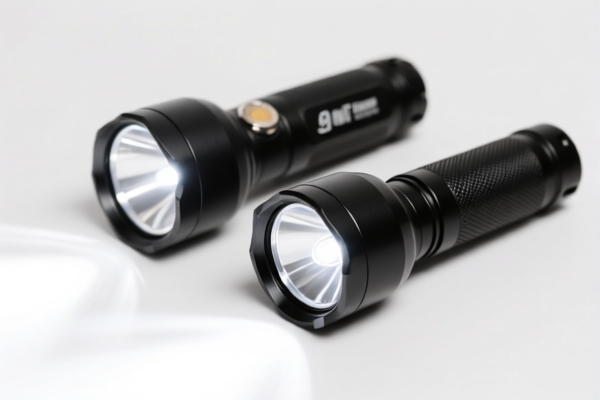
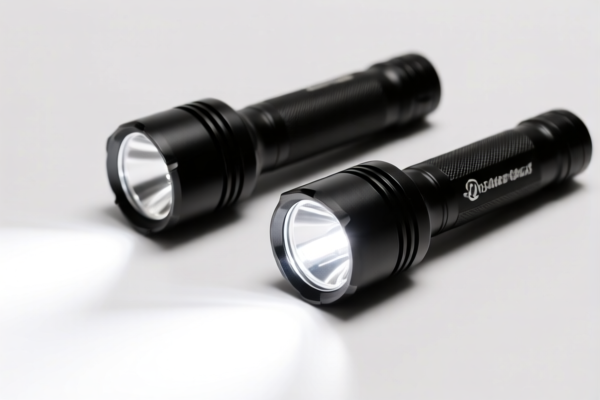
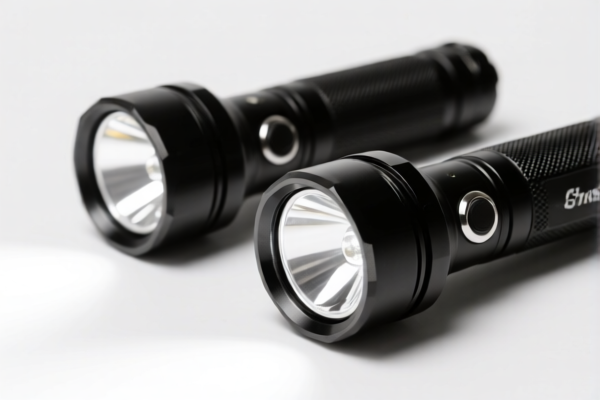
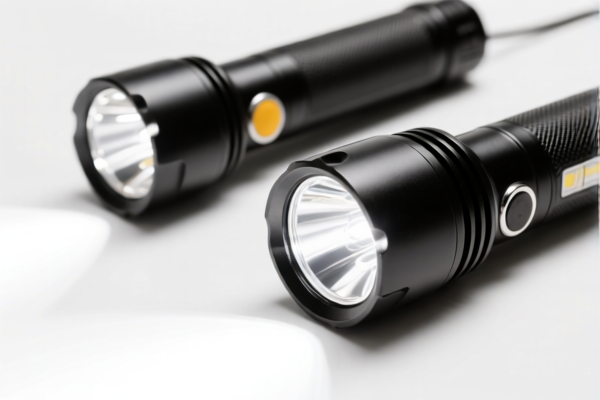
AI Analysis
🔦 Portable Electric Lamps (Flashlights, Headlamps & More)
🌐 HS Code Reference & Customs Clearance Guide | 2026 Latest Tariff Analysis | Strategic通关 Strategy for Chinese Exports
📌 1. Product Definition & Classification: Do You Really Know "Portable Electric Lamps"?
Portable electric lamps are self-contained lighting devices powered by their own energy source (batteries, accumulators, etc.), independent of external electrical supply lines. In international trade, they are primarily classified under Chapter 85 (Electrical machinery and equipment) or Chapter 94 (Furniture, lighting fittings...), depending on their design, function, and material.
⚠️ Key Distinction Point:
- If the lamp is a standard portable electric lamp (e.g., flashlight, headlamp, camping lamp) powered by its own source → Chapter 85.
- If the lamp is a decorative or specialized fixture (e.g., brass/bronze ornamental lamp, fixed-style portable lamp with specific material composition) → Chapter 94.
- Material matters: Brass/copper products may trigger additional tariffs under Section 122 or other trade measures.
📦 2. HS Code Classification Matrix (2026 Latest Tariff Data from Provided Dataset)
Based on the provided data, here are the only valid HS codes for portable electric lamps, with detailed tax breakdowns:
| HS Code | Product Description | Key Matching Criteria | Total Tax Rate | Tax Detail Breakdown |
|---|---|---|---|---|
| 8513.10.40.00 | Portable electric lamp (e.g., flashlight), powered by its own energy, no material conflict. | ✅ Self-powered ✅ No material conflict (non-steel/aluminum/copper) |
13.5% | Base: 3.5% Section 301: 0% Section 122: 10% |
| 8513.10.20.00 | Portable electric lamp (flashlight), fully matches use and form, self-powered. | ✅ Self-powered ✅ Standard flashlight form |
22.5% | Base: 12.5% Section 301: 0% Section 122: 10% |
| 8513.90.20.00 | Portable electric lamp (flashlight), fully matches use and function. | ✅ Self-powered ✅ General portable lamp |
97.5% | Base: 12.5% Section 301: 25% Section 122: 10% Steel/Aluminum/Copper Surcharge: 50% |
| 9405.29.40.10 | Portable electric lamp, matches use and form, material not specified (non-conflicting with brass). | ✅ Portable form ✅ Material not steel/aluminum/copper |
38.7% | Base: 3.7% Section 301: 25% Section 122: 10% |
| 9405.21.40.10 | Portable electric lamp, matches form of desk/stand lamps, material not specified (non-conflicting with brass). | ✅ Decorative/fixed-style portable form ✅ Non-steel/aluminum/copper |
38.7% | Base: 3.7% Section 301: 25% Section 122: 10% |
🔍 Critical Note:
- Only the above 5 HS codes are supported by the provided data.
- 8513.90.20.00 is extremely high tax (97.5%) if the product contains steel, aluminum, or copper components.
- 8513.10.40.00 offers the lowest tax (13.5%) if there is no material conflict (i.e., non-metallic or non-restricted materials).
- Chapter 94 codes (9405...) apply if the lamp is considered a lighting fixture rather than a pure portable electrical device, but still subject to 25% Section 301 and 10% Section 122 tariffs.
💰 3. 2026 Tariff Rate Detailed Explanation (Including Surtaxes)
✅ Applicable Country: United States (US)
✅ Origin: China (CN)
✅ Effective Date: 2025–2026 (Current Trade Measures)
🎯 1. 8513.10.40.00 —— Low-Tax Option (13.5%)
| Item | Detail |
|---|---|
| Base Tariff | 3.5% |
| Section 301 Surtax | 0% |
| Section 122 Surcharge | 10% |
| Total Tax Rate | 13.5% |
| Calculation | CIF Value × 13.5% |
| De Minimis Eligibility | ❌ No (Denied for China origin under current rules) |
| Legal Basis | IEEPA + USITC Footnote for HS 8513.10.40.00 |
📌 Why This Matters:
- This code is ideal if your lamp is made of plastic, glass, or non-restricted materials.
- Avoid any mention of "steel," "aluminum," or "copper" in specifications to prevent higher surcharges.
🎯 2. 8513.10.20.00 —— Standard Flashlight (22.5%)
| Item | Detail |
|---|---|
| Base Tariff | 12.5% |
| Section 301 Surtax | 0% |
| Section 122 Surcharge | 10% |
| Total Tax Rate | 22.5% |
| Calculation | CIF Value × 22.5% |
| De Minimis Eligibility | ❌ No |
| Legal Basis | IEEPA + USITC for HS 8513.10.20.00 |
📌 Why This Matters:
- Applies to standard flashlights with no special material restrictions.
- Still significantly cheaper than copper/steel-containing products.
🎯 3. 8513.90.20.00 —— High-Tax Trap (97.5%)
| Item | Detail |
|---|---|
| Base Tariff | 12.5% |
| Section 301 Surtax | 25% |
| Section 122 Surcharge | 10% |
| Steel/Aluminum/Copper Surtax | 50% |
| Total Tax Rate | 97.5% |
| Calculation | CIF Value × 97.5% |
| De Minimis Eligibility | ❌ No |
| Legal Basis | IEEPA + USITC + Section 232/301 for Metals |
🚨 Critical Warning:
- If your lamp contains any steel, aluminum, or copper parts (e.g., metal body, brass accents), this rate applies.
- Avoid this code unless absolutely necessary; reclassify if possible.
🎯 4. 9405.29.40.10 & 9405.21.40.10 —— Lighting Fixture Category (38.7%)
| Item | Detail |
|---|---|
| Base Tariff | 3.7% |
| Section 301 Surtax | 25% |
| Section 122 Surcharge | 10% |
| Total Tax Rate | 38.7% |
| Calculation | CIF Value × 38.7% |
| De Minimis Eligibility | ❌ No |
| Legal Basis | IEEPA + USITC for HS 9405 |
📌 Why This Matters:
- Use these codes only if the lamp is classified as a lighting fixture (e.g., decorative, desk-style portable lamp).
- Still subject to 25% Section 301 and 10% Section 122, but no metal surcharge if materials are non-restricted.
🛠️ 4. Customs Clearance Practical Advice (Real-World Pitfall Avoidance)
✅ 1. Documentation Checklist (All Required)
| Document | Required | Notes |
|---|---|---|
| ✅ Product Specifications | ✔️ | Include dimensions, power source, materials, wattage |
| ✅ Material Declaration | ✔️ | Clearly state if no steel/aluminum/copper is used |
| ✅ Product Photos (Labeled) | ✔️ | Show model, brand, input/output, materials |
| ✅ Third-Party Certification | ✔️ | FCC, CE, RoHS, UL (if applicable) |
| ✅ Commercial Invoice | ✔️ | Describe as "Portable Electric Lamp, Flashlight, Non-Metallic" |
| ✅ Packing List | ✔️ | Detail contents, avoid splitting components |
| ✅ Certificate of Origin | ✔️ | For potential duty exemptions (if non-CN origin) |
✅ 2. Classification Strategy (Key Mnemonics)
🔥 "Self-Powered → Chapter 85; Material Matters → Avoid Steel/Copper; Decorative → Chapter 94"
| Scenario | Recommended HS Code | Risk |
|---|---|---|
| Plastic flashlight, no metal parts | 8513.10.40.00 |
✅ Low tax (13.5%) |
| Standard metal flashlight (aluminum body) | 8513.10.20.00 |
⚠️ Moderate tax (22.5%) |
| Copper/Brass flashlight | 8513.90.20.00 |
🚫 Highest tax (97.5%) |
| Decorative brass portable lamp | 9405.29.40.10 |
⚠️ High tax (38.7%) but no metal surcharge |
| Desk-style portable lamp (non-metal) | 9405.21.40.10 |
⚠️ High tax (38.7%) |
✅ 3. Special Cases
| Case | Handling Advice |
|---|---|
| OEM Custom Lamps | Provide design drawings to prove material composition |
| Lamps with Metal Accents | Declare "non-structural metal parts" to avoid Section 232 surcharge |
| Headlamps vs. Flashlights | Both fall under 8513; ensure consistent description |
| Rechargeable Batteries Included | Declare separately if required; may affect classification |
🌍 5. Global Market Comparison (2026)
| Country/Region | Recommended HS Code | Tariff Rate | Certification | Notes |
|---|---|---|---|---|
| 🇺🇸 USA | 8513.10.40.00 |
13.5% (non-metal) | FCC + RoHS | Avoid steel/copper to prevent 97.5% |
| 🇨🇳 China | 8513.10.40.00 |
3.5% | CCC | No surtaxes |
| 🇪🇺 EU | 8513.10.40.00 |
0–5% (CE) | CE + RoHS | No Section 301/122 |
| 🇬🇧 UK | 8513.10.40.00 |
0–4% | UKCA | Post-Brexit rules apply |
| 🇯🇵 Japan | 8513.10.40.00 |
0–3% | PSE | Low tariffs |
📌 Conclusion:
- USA is the most challenging market due to Section 301 and Section 122 surtaxes.
- Non-metallic products have the best chance of low tariffs in the US.
- China, EU, UK, Japan offer significantly lower tariffs for the same products.
📌 6. Common Mistakes & Pitfalls (Lessons Learned)
❌ Mistake 1: Declaring a metal flashlight as 8513.10.40.00
👉 Result: Customs reclassifies to 8513.90.20.00 → 97.5% tax + penalties
❌ Mistake 2: Using vague terms like "lamp" without material details
👉 Result: Customs assigns highest applicable rate → 38.7%–97.5%
❌ Mistake 3: Splitting components (e.g., lamp + battery) to claim de minimis
👉 Result: Denied → Full tax on all items
❌ Mistake 4: Not disclosing copper/brass content
👉 Result: Section 232/301 surcharge applied → 50% extra
✅ Correct Practice:
"Portable LED Flashlight, Plastic Body, Aluminum Reflector, Rechargeable, FCC Certified, Model XYZ, No Copper/Steel Content"
🎯 7. Conclusion: Precise Classification Saves Money!
🎯 Remember the Mnemonic:
🔹 "Non-metal → 13.5% | Metal Body → 22.5% | Copper/Steel → 97.5% | Decorative → 38.7%"
🔹 "HS Code is Key, Tariff Difference is Huge, Misclassification Costs Thousands!"
📌 Pro Tip:
- If your product contains any steel, aluminum, or copper, consider reclassifying to Chapter 94 (if applicable) to avoid the 50% metal surcharge.
- Always apply for an Advance Ruling from US CBP to lock in the correct HS code and tax rate.
📣 Immediate Action:
📞 Contact a licensed customs broker + Provide product specs + Apply for HS Code Advance Ruling
🚀 Ensure smooth clearance, minimize tariffs, maximize profits!
✨ Professional Classification Starts with Accuracy!
💼 Every dollar of tax saved is profit earned!
Customer Reviews
About HS Code Classification
The Harmonized System (HS) is an internationally standardized nomenclature developed by the World Customs Organization (WCO) to classify traded products. Over 200 countries use the HS system as the basis for customs tariffs, trade statistics, and import/export regulations.
Each HS code follows a hierarchical structure:
- Chapter (2 digits) — Broad category of goods (e.g., Chapter 84: Machinery and Mechanical Appliances)
- Heading (4 digits) — More specific grouping within the chapter
- Subheading (6 digits) — Internationally standardized breakdown, used by all WCO member countries
- National subdivisions (8-10 digits) — Country-specific extensions for further classification, such as US HTSUS 10-digit codes
Correct HS code classification is essential for smooth customs clearance, accurate duty payment, and compliance with trade regulations. Misclassification can lead to customs delays, overpayment of duties, or penalties.
When importing from CN to US, the applicable tariff rates may include:
- Most-Favored-Nation (MFN) rate — The standard duty rate applied to WTO members
- General rate — Applied to countries without trade agreements
- Trade remedy duties — Additional tariffs such as Section 301 (anti-dumping), Section 232 (national security), or countervailing duties
The information provided on this page is for reference purposes only. For official classification, please consult with your local customs authority or a licensed customs broker.