Pot Guard
CN → US| HS Code | Tariff Rate | Origin | Destination | Doc |
|---|---|---|---|---|
| 6912004890 | 19.8% | CN | US | Official Doc |
| 6912002000 | 38.0% | CN | US | Official Doc |
| 7323999080 | 88.4% | CN | US | Official Doc |
| 7323999040 | 88.4% | CN | US | Official Doc |
Product Images
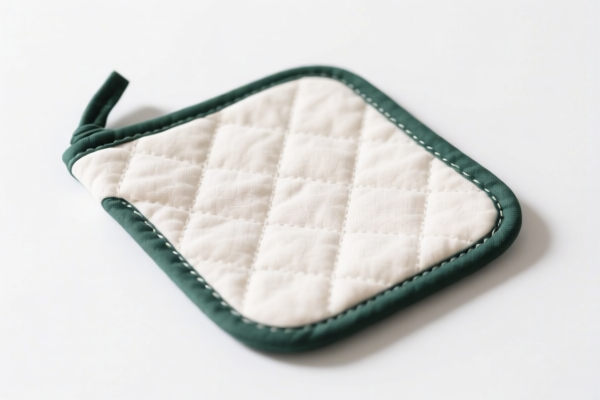
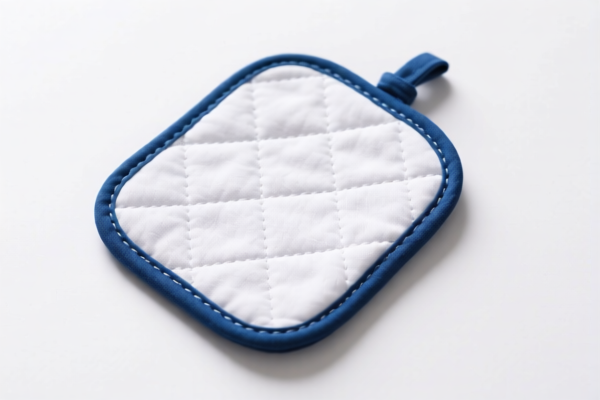
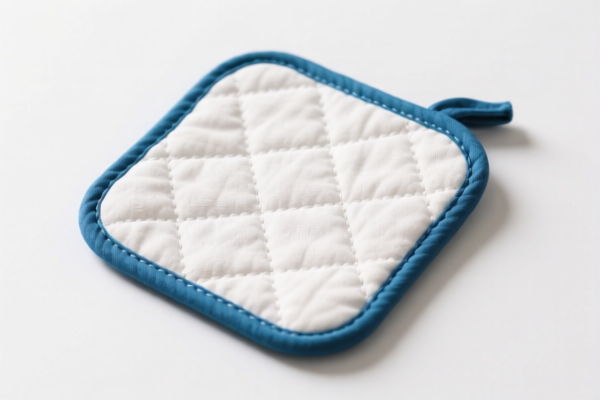
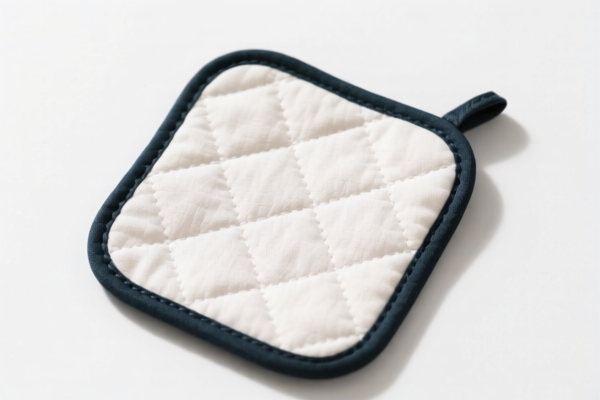
AI Analysis
🍳 Pot Guard & Kitchen Ironware (Tableware & Household Articles of Iron/Steel)
🌐 HS Code Reference & Customs Clearance Guide | 2026 Latest Tariff Analysis | Professional-Level Clearance Strategy
📌 I. Product Definition & Classification: What is a "Pot Guard"?
A Pot Guard (also known as a pot holder, handle guard, or heat-resistant grip) is a safety accessory designed to protect users from hot surfaces when handling cookware. In the context of international trade and tariff classification, the classification depends heavily on the material.
Since the input <DATA> exclusively contains HS Codes for Ceramic and Iron/Steel products, we must determine which category fits the physical form of a "Pot Guard."
- Metal Pot Guards (Heat-resistant clips, iron handles, steel guards):
These are classified under Chapter 73 (Articles of Iron or Steel). Specifically, they fall under "Table, kitchen or other household articles." - Ceramic Pot Guards:
Rare, but if a pot guard is made of ceramic (e.g., a decorative stand or insulating base), it falls under Chapter 69 (Ceramic Tableware/Kitchenware).
⚠️ Critical Distinction:
- If the product is metal (iron/steel) → It is NOT tableware in the sense of plates/cups. It is a household article or part thereof.
- If the product is ceramic → It is Household Kitchenware.
📦 II. HS Code Classification Details (Based on Provided Data)
The provided data highlights four specific HS Codes. We will map "Pot Guard" to the most appropriate ones based on material.
| HS Code | Product Description | Material | Application Context |
|---|---|---|---|
| 7323.99.90.80 | Table, kitchen or other household articles of iron/steel; Other; Other; Not coated/plated; Other: Other Other | 🛡️ Iron/Steel | General metal pot guards, heat-resistant clips, metal handles for pots/pans. |
| 7323.99.90.40 | Table, kitchen or other household articles of iron/steel... : Gates for confining children or pets | 🛡️ Iron/Steel | ⚠️ Warning: This code is for safety gates, NOT pot guards. Do not use unless the product is specifically a child/pet gate. |
| 6912.00.48.90 | Ceramic tableware/kitchenware... : Other Other | 🏺 Ceramic | Ceramic heat pads, ceramic pot rests, or ceramic kitchen accessories (non-porcelain). |
| 6912.00.20.00 | Ceramic tableware... : Hotel/Restaurant ware | 🏨 Ceramic | Commercial-grade ceramic kitchenware used in hotels/restaurants. |
🔍 Key Insight:
- Most standard "Pot Guards" made of metal (silicone-coated steel, cast iron handles, or stainless steel clips) should be classified under 7323.99.90.80.
- The code 7323.99.90.40 is a trap. It specifically lists "Gates for confining children or pets." Unless your "Pot Guard" is literally a baby gate, do not use this code.
💰 III. 2026 Latest Tariff Rate Breakdown (Detailed)
✅ Applicable Country: United States (US)
✅ Origin: China (CN)
✅ Effective Time: Current Tariff Regime (2025-2026)
🎯 1. 7323.99.90.80 — Metal Pot Guards / Kitchen Articles (Iron/Steel)
This is the most likely HS Code for a standard metal pot guard or heat-resistant handle.
| Item | Detail |
|---|---|
| Base Tariff | 3.4% |
| Additional Tariff (Section 301) | +25% (Applicable to Steel/Aluminum/Copper articles from China) |
| IEEPA Additional Tariff | +50% (Specific additional tariff for Steel/Aluminum/Copper products from China, effective Nov 2025) |
| Total Tariff Rate | 78.4% |
| Tax Calculation | CIF Value × 78.4% |
| De Minimis Exemption | ❌ Not Eligible (High tariff rates usually exclude small shipments from de minimis benefits if classified under Section 301/IEEPA) |
| Legal Path | Base: 7323.99.90.80 → Sec 301: 25% → IEEPA: 50% |
📌 Explanation:
- The 78.4% rate is extremely high. It comprises:
- 3.4% Base Duty
- 25% Section 301 Tariff
- 50% IEEPA Additional Tariff (specifically targeting steel/aluminum/copper articles).
- Impact: A $10 pot guard incurs ~$7.84 in duties alone. This significantly impacts profit margins.
🎯 2. 6912.00.48.90 — Ceramic Kitchenware (Other)
If your pot guard is made of ceramic (e.g., a ceramic trivet or insulating base).
| Item | Detail |
|---|---|
| Base Tariff | 9.8% |
| Additional Tariffs | 0.0% (No Section 301 or IEEPA typically applied to general ceramics unless specified) |
| Total Tariff Rate | 9.8% |
| Tax Calculation | CIF Value × 9.8% |
| De Minimis Exemption | ✅ Eligible (If under $800, may enter under Section 321 de minimis, subject to current enforcement) |
| Legal Path | Base: 6912.00.48.90 |
📌 Explanation:
- Ceramics are generally taxed lower than steel.
- The 9.8% rate is standard for "other ceramic household articles."
- Advantage: Significantly lower duty burden compared to steel alternatives.
🎯 3. 6912.00.20.00 — Ceramic Hotel/Restaurant Ware
| Item | Detail |
|---|---|
| Base Tariff | 28.0% |
| Additional Tariffs | 0.0% |
| Total Tariff Rate | 28.0% |
| Tax Calculation | CIF Value × 28.0% |
📌 Explanation:
- Use this only if the product is explicitly for commercial/hotel use.
- For general consumer "Pot Guards," this code is incorrect and over-taxed compared to6912.00.48.90(if applicable).
🛠️ IV. Customs Clearance Practical Advice (Pitfall Avoidance Guide)
✅ 1. Preparation Checklist (Mandatory)
| Document | Required? | Notes |
|---|---|---|
| ✅ Product Specification | ✔️ | Must clearly state Material (e.g., "Stainless Steel with Silicone Coating" vs. "Ceramic"). |
| ✅ Product Photos | ✔️ | Show the item in use. Is it a clip? A handle? A base? |
| ✅ Material Declaration | ✔️ | Explicitly declare % composition (e.g., "90% Iron, 10% Silicone"). |
| ✅ Commercial Invoice | ✔️ | Description should be precise: "Heat-Resistant Metal Pot Handle Guard" not just "Guard." |
| ✅ Certificate of Origin | ✔️ | Crucial for proving CN origin to apply the correct additional tariffs. |
✅ 2. Declaration Tips (Key Mantras)
🔥 "Material is King, Function is Queen!"
| Scenario | Correct HS Code | Incorrect Code | Consequence |
|---|---|---|---|
| Metal Pot Guard | 7323.99.90.80 |
7323.99.90.40 |
Using 7323.99.90.40 (Gates) is fraud/risk. Customs will flag it. |
| Metal Pot Guard | 7323.99.90.80 |
6912.00.48.90 |
Misdeclaring steel as ceramic → Seizure + Fine. |
| Ceramic Trivet | 6912.00.48.90 |
6912.00.20.00 |
Overpaying tax (9.8% vs 28%). |
✅ 3. Special Cases
| Case | Advice |
|---|---|
| Silicone-Coated Steel | Still classified under Chapter 73 (Iron/Steel) because the base material is metal. Tariff: 78.4%. |
| Pure Silicone Pot Guard | NOT in <DATA>. Would likely fall under Chapter 39 (Plastics) or 40 (Rubber). Check separately. |
| Ceramic with Metal Parts | If the ceramic is the essential character, use 6912. If metal is primary, use 7323. |
| Set with Plate + Pot Guard | Do not split. Declare as a set under the principal item (usually the plate/ceramic). |
🌍 V. Global Market Comparison (2026)
| Market | Recommended HS Code | Tariff (China Origin) | Notes |
|---|---|---|---|
| 🇺🇸 USA | 7323.99.90.80 |
78.4% | High barrier due to Steel IEEPA tariffs. |
| 🇺🇸 USA | 6912.00.48.90 |
9.8% | Preferred if product can be made of ceramic. |
| 🇪🇺 EU | 7323.99.90 |
5.5% (approx.) | No Section 301/IEEPA equivalent. Lower duty. |
| 🇨🇳 China | 7323.99.90 |
9.5% (Import Duty) | Domestic production often avoids import duty. |
📌 Conclusion:
- For the US Market, metal pot guards face a 78.4% duty wall.
- Consider material substitution (e.g., silicone-only, bamboo, or ceramic) if feasible to reduce costs.
- Ceramic alternatives (6912.00.48.90) offer a 68.6% tax saving compared to steel.
📌 VI. Common Mistakes & Pitfalls
❌ Mistake 1: Classifying a steel pot guard under 7323.99.90.40 (Child Gates)
👉 Result: Customs suspicion of fraud, audit, potential penalty. This code is for safety gates, not kitchenware.
❌ Mistake 2: Ignoring the "IEEPA 50%" surcharge on steel
👉 Result: Profit margin destroyed. You budgeted for 28.4% (3.4% + 25%), but the real cost is 78.4%.
❌ Mistake 3: Declaring "Kitchen Accessory" without specifying material
👉 Result: Customs will guess. If they guess steel, you pay 78.4%. If they guess plastic, you might pay less, but it risks a "material misdeclaration" fine.
✅ Correct Declaration Example:
"Heat-Resistant Pot Handle Guard, Material: 304 Stainless Steel with Heat-Resistant Silicone Grip, Model: PG-2026, Not for children/pets confinement."
🎯 VII. Conclusion: Strategic Sourcing for Pot Guards
🎯 Remember the Mantra:
🔹 "Steel is Expensive (78.4%), Ceramic is Cheaper (9.8%)."
🔹 "Never use 'Gate' codes for Kitchenware!"
🔹 "Specify Material, Avoid the 50% IEEPA Trap!"
📌 Pro Tip:
If your product is 100% Silicone or Bamboo, it does NOT fall under the provided <DATA> (which only covers Ceramic and Iron/Steel). You must find the correct HS Code for Chapter 39 (Plastics) or 46 (Vegetable Materials), which may have lower tariffs. Do not force-fit steel/ceramic codes for non-metal/non-ceramic items.
📣 Immediate Action:
📞 Verify Material Composition
📦 Choose Ceramic/Silicone if possible to bypass Steel Tariffs
🚀 Optimize Landed Cost by 68% via Material Selection!
✨ Professional Clearance Starts with Precise Classification!
💼 Your Margin Depends on Your HS Code Choice!
Customer Reviews
About HS Code Classification
The Harmonized System (HS) is an internationally standardized nomenclature developed by the World Customs Organization (WCO) to classify traded products. Over 200 countries use the HS system as the basis for customs tariffs, trade statistics, and import/export regulations.
Each HS code follows a hierarchical structure:
- Chapter (2 digits) — Broad category of goods (e.g., Chapter 84: Machinery and Mechanical Appliances)
- Heading (4 digits) — More specific grouping within the chapter
- Subheading (6 digits) — Internationally standardized breakdown, used by all WCO member countries
- National subdivisions (8-10 digits) — Country-specific extensions for further classification, such as US HTSUS 10-digit codes
Correct HS code classification is essential for smooth customs clearance, accurate duty payment, and compliance with trade regulations. Misclassification can lead to customs delays, overpayment of duties, or penalties.
When importing from CN to US, the applicable tariff rates may include:
- Most-Favored-Nation (MFN) rate — The standard duty rate applied to WTO members
- General rate — Applied to countries without trade agreements
- Trade remedy duties — Additional tariffs such as Section 301 (anti-dumping), Section 232 (national security), or countervailing duties
The information provided on this page is for reference purposes only. For official classification, please consult with your local customs authority or a licensed customs broker.