Pot Slicer
CN → US| HS Code | Tariff Rate | Origin | Destination | Doc |
|---|---|---|---|---|
| 8509400040 | 14.2% | CN | US | Official Doc |
| 8509400015 | 14.2% | CN | US | Official Doc |
| 8438600000 | 35.0% | CN | US | Official Doc |
| 8438909090 | 37.8% | CN | US | Official Doc |
| 8210000000 | 38.7% | CN | US | Official Doc |
| 8211920000 | 0.0% | CN | US | Official Doc |
Product Images
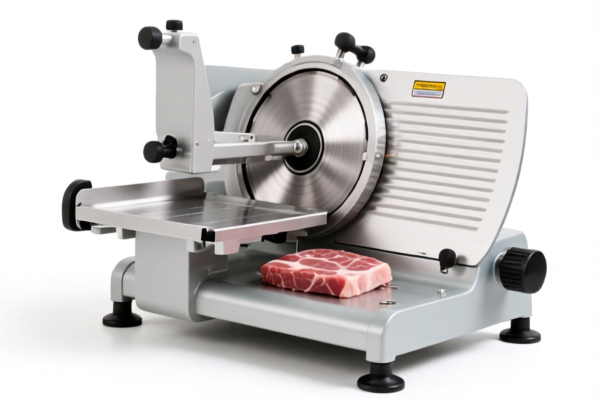
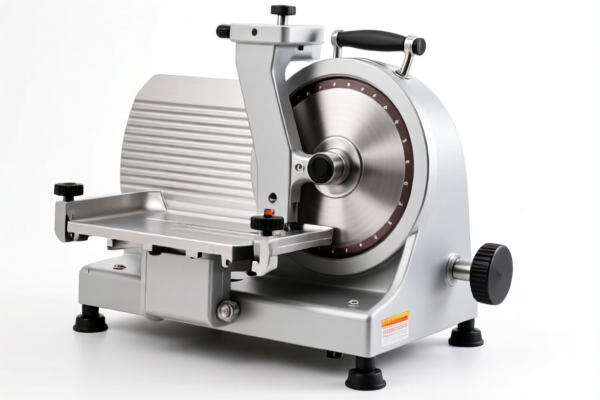


AI Analysis
🥔 Potato Slicer (Industrial & Hand-Operated)
🌐 HS Code Reference & Clearance Guide | 2026 Latest Tariff Breakdown | Professional Customs Strategy
📌 Part I: Product Definition & Classification: What Exactly is a "Potato Slicer"?
A "Potato Slicer" is a broad term that covers two distinctly different categories in international trade, leading to vastly different HS Codes and tax liabilities. In customs classification, the distinction lies primarily in power source and industrial vs. domestic use.
1. Industrial Machinery (Auto/Electric):
Heavy-duty equipment used in food processing plants, canteens, or large-scale catering. These are non-hand-operated machines designed for continuous, high-volume slicing of fruits, nuts, or vegetables.
Key Identifier:* Motor-driven, fixed installation or large footprint, not designed for handheld use.
2. Hand-Operated Mechanical Appliances:
Small, manual devices (like rotary mandolins or lever-slicers) weighing 10 kg or less, used for preparing, conditioning, or serving food in kitchens or small shops.
Key Identifier:* Manual operation, lightweight, portable.
⚠️ Critical Distinction Point:
- If the device is electric/motorized and used for industrial food preparation → It falls under Chapter 84 (Machinery).
- If the device is hand-operated and weighs ≤10 kg → It falls under Chapter 82 (Tools).
- Note: Electric domestic slicers (like home food processors) are classified under 8509, not 8210 or 8438, unless they are industrial-grade.
📦 Part II: HS Code Classification Details (2026 Latest Tariff Alignment)
Based on the provided data, here are the relevant HS Codes for potato slicers, categorized by type:
| HS Code | Product Description | Applicable Scenario | Power Source | Tax Impact |
|---|---|---|---|---|
8438.60.00.00 |
Machinery for the preparation of fruits, nuts, or vegetables | Industrial slicers, commercial kitchen lines, bulk processing units | Motor/Electric | ⚠️ High Tariff (25%) |
8438.90.90.90 |
Parts of machinery for food preparation (Other) | Spare parts for industrial slicers (blades, motors, frames) | N/A | ✅ 0% Tariff |
8210.00.00.00 |
Hand-operated mechanical appliances (≤10 kg) for food prep | Manual potato slicers, rotary hand-crank slicers | Manual | ⚠️ Moderate Tariff (3.7%) |
8211.92.00.00 |
Other hand tools for cutting/slicing, base metal, for food | Blades or simple hand-held metal slicers (non-mechanical appliances) | Manual | ❌ Error (See Warning Below) |
8509.40.00.40 |
Food grinders, processors, and mixers (Domestic) | Domestic electric food processors that include slicing functions | Electric (Home Use) | ✅ 0% Tariff |
8509.40.00.15 |
Blenders (Domestic) | Home electric blenders/slicers | Electric (Home Use) | ✅ 0% Tariff |
🔍 Key Insight for Potato Slicers:
- Industrial Use: If you are exporting a large, motor-driven potato slicing line for a factory, use8438.60.00.00.
- Small Commercial: If it’s a small manual slicer for a deli, use8210.00.00.00.
- Home Use: If it’s an electric kitchen gadget for home kitchens, use8509.40.00.40(Processor) or8509.40.00.15(Blender).
- ⚠️ WARNING for8211.92.00.00: The data indicates "Failed to retrieve tax information". This code is for blades/tools, not complete appliances. If you ship a complete slicer but code it as a "blade," you risk customs rejection. Do not use this for complete machines.
💰 Part III: 2026 Latest Tariff Rates Detailed (Including Additional Duties)
✅ Applicable Country: United States (US)
✅ Origin: China (CN)
✅ Effective Time: 2025/2026 (Current Trade Policy)
🎯 1. 8438.60.00.00 – Industrial Vegetable/Fruit Preparation Machinery
| Item | Content |
|---|---|
| Base Tariff | 0.0% |
| Additional Tariff (Section 301) | +25.0% |
| Total Tariff | 25.0% |
| Tax Calculation | CIF Value × 25% |
| De Minimis Exemption | ❌ Not Eligible (Commercial shipment) |
| Legal Basis | USITC Heading 8438.60.00.00 + Section 301 List |
📌 Explanation:
- Industrial food machinery is subject to a 25% additional tariff on top of the 0% base duty.
- This is a significant cost driver. Many importers struggle with this classification because industrial slicers are often confused with domestic appliances.
- Tip: Ensure your product description clearly states "Industrial Use" to justify this HS code, but be prepared for the 25% duty.
🎯 2. 8210.00.00.00 – Hand-Operated Mechanical Appliances (≤10 kg)
| Item | Content |
|---|---|
| Base Tariff | 3.7% |
| Additional Tariff | 0.0% |
| Total Tariff | 3.7% |
| Tax Calculation | CIF Value × 3.7% |
| De Minimis Exemption | ❌ Not Eligible (If value > $800) |
| Legal Basis | USITC Heading 8210.00.00.00 |
📌 Explanation:
- This is the most common code for manual potato slicers (e.g., spiralizers, hand-crank slicers).
- The tariff is relatively low (3.7%) and not subject to the 25% Section 301 tariff.
- Strategy: If your product can be reasonably classified as a "hand-operated appliance ≤10 kg," this is a far more tax-efficient route than industrial machinery.
🎯 3. 8438.90.90.90 – Parts of Industrial Food Machinery
| Item | Content |
|---|---|
| Base Tariff | 0.0% |
| Additional Tariff | 0.0% |
| Total Tariff | 0.0% |
| Tax Calculation | CIF Value × 0% |
| De Minimis Exemption | ❌ Not Eligible |
| Legal Basis | USITC Heading 8438.90.90.90 |
📌 Explanation:
- If you are shipping replacement blades, motors, or frames for industrial slicers, they are classified as Parts.
- Crucial Note: Parts of machinery often enjoy 0% tariff, even if the main machine has a 25% tariff.
- Warning: Do not misclassify a complete machine as "parts" to avoid duty. Customs will verify if it’s a complete set.
🎯 4. 8509.40.00.40 & 8509.40.00.15 – Domestic Electric Food Processors/Blenders
| Item | Content |
|---|---|
| Base Tariff | 0.0% |
| Additional Tariff | 0.0% |
| Total Tariff | 0.0% |
| Tax Calculation | CIF Value × 0% |
| De Minimis Exemption | ❌ Not Eligible |
| Legal Basis | USITC Heading 8509.40 |
📌 Explanation:
- If your "potato slicer" is an electric home kitchen appliance (e.g., a Cuisinart-style chopper with a slicing disk), it is not considered industrial machinery.
- It falls under Domestic Electric Appliances, which have a 0% tariff.
- Strategy: If your product is intended for home use, ensure marketing and specs reflect "Domestic Use" to qualify for this 0% rate.
🛠️ Part IV: Customs Clearance Practical Advice (Pitfall Avoidance Guide)
✅ 1. Essential Documentation Checklist
| Document | Required? | Purpose |
|---|---|---|
| ✅ Product Spec Sheet | ✔️ | Must clearly state: Hand-operated vs. Motor-driven, Weight, Intended Use (Industrial vs. Domestic) |
| ✅ Product Photos | ✔️ | Show the entire unit, control panel (if any), and blade type |
| ✅ Commercial Invoice | ✔️ | Must specify "Potato Slicer, Model XYZ, Manual/Electric" |
| ✅ Bill of Lading | ✔️ | Confirm weight <10 kg for 8210 classification |
| ✅ CE/FCC Certificates | ✔️ | If electric, required for US/Global market compliance |
✅ 2. Classification Strategy & Tips
🔥 "Know Your User: Industrial = 25%, Manual = 3.7%, Home = 0%!"
| Scenario | Correct HS Code | Risk if Misclassified |
|---|---|---|
| Large electric slicer in a factory | 8438.60.00.00 |
Under-declaring as 8210 → Penalty + Back Taxes |
| Small manual spiralizer | 8210.00.00.00 |
Over-declaring as 8438 → Unnecessary 25% Duty |
| Electric home chopper | 8509.40.00.40 |
Declaring as 8210 → Rejected (Electric ≠ Hand-operated) |
| Spare blades for industrial machine | 8438.90.90.90 |
Declaring as complete machine → 25% Duty instead of 0% |
| Hand-held metal blade tool | 8211.92.00.00 |
ERROR → Tax info unavailable; avoid this code unless certain |
✅ 3. Special Case Handling
| Situation | Handling Advice |
|---|---|
| "Multi-function" Slicer | If it has both manual and electric modes, classify based on the primary intended use. If marketed as "Home Electric," use 8509. |
| Shipped as "Parts" | If shipping blades alone, ensure they are not assembled. If bundled with a machine, declare as complete unit. |
Weight Critical for 8210 |
For 8210.00.00.00, the weight must be ≤10 kg. If your manual slicer weighs 10.5 kg, you may need to reclassify to industrial machinery (8438) or other categories. |
| Tariff Engineering | Consider if a product can be legally classified as a "Part" (8438.90.90.90) rather than a complete machine to save 25%. However, only do this if it’s truly a part. |
🌍 Part V: Global Market Comparison (2026)
| Region | Recommended HS Code | Tariff Rate | Notes |
|---|---|---|---|
| 🇺🇸 USA | 8438.60.00.00 (Industrial) |
25% | High duty on industrial food machinery. |
| 🇺🇸 USA | 8210.00.00.00 (Manual) |
3.7% | Lower duty for small hand-operated tools. |
| 🇺🇸 USA | 8509.40.00.40 (Home Electric) |
0% | No duty for domestic electric appliances. |
| 🇨🇳 China | 8438.60.00.00 |
8-10% | Standard import duty. |
| 🇪🇺 EU | 8438.60.00.00 |
Various | Depends on specific subheading; often 0-4%. |
| 🇬🇧 UK | 8438.60.00.00 |
Various | Post-Brexit tariffs may vary. |
📌 Conclusion:
- USA is the most tax-sensitive market for this product due to the 25% Section 301 tariff on industrial machinery.
- Manual or Home Electric classifications offer significant tax advantages (3.7% or 0%).
📌 Part VI: Common Mistakes & Pitfalls (Lessons Learned)
❌ Mistake 1: Classifying a complete industrial slicer as a "Part" (8438.90.90.90)
👉 Consequence: Customs seizure, fines, and forced reclassification with back taxes.
❌ Mistake 2: Using 8211.92.00.00 for a complete slicer
👉 Consequence: "Failed to retrieve tax information" error leads to delays, inspections, and potential rejection.
❌ Mistake 3: Ignoring Weight for 8210 classification
👉 Consequence: If weight >10 kg, the product is not a "hand-operated appliance ≤10 kg," leading to misclassification.
❌ Mistake 4: Confusing Industrial with Domestic
👉 Consequence: Declaring a factory machine as a "Home Blender" (8509) to avoid duty is fraud. Customs can verify usage and origin.
✅ Correct Approach:
"Industrial Potato Slicer, Electric, 500kg, for Commercial Food Processing Plant" →
8438.60.00.00(25%)
"Manual Spiral Potato Slicer, Stainless Steel, 2kg" →8210.00.00.00(3.7%)
"Electric Home Food Processor with Slicing Disk" →8509.40.00.40(0%)
🎯 Part VII: Conclusion: Precision Classification for Cost Savings
🎯 Remember the Key Rules:
🔹 "Industrial = 25%, Manual ≤10kg = 3.7%, Home Electric = 0%!"
🔹 "Check the Weight! Over 10kg? You might lose the 3.7% rate."
🔹 "Parts are 0%, but only if they are truly parts."
📌 Pro Tip:
If your product is a hybrid (e.g., a manual slicer with electric options), market it according to the primary intended use in the destination country. For the US, targeting the 0% or 3.7% rate is crucial for competitiveness. Consider Advance Rulings from US Customs to confirm classification before shipping.
📣 Immediate Action:
📞 Consult a licensed customs broker.
📝 Provide detailed product specs (Power, Weight, Intended Use).
🚀 Optimize your HS Code to save up to 25% in duties!
✨ Professional clearance starts with accurate classification!
💼 Every dollar saved in duty is pure profit!
Customer Reviews
About HS Code Classification
The Harmonized System (HS) is an internationally standardized nomenclature developed by the World Customs Organization (WCO) to classify traded products. Over 200 countries use the HS system as the basis for customs tariffs, trade statistics, and import/export regulations.
Each HS code follows a hierarchical structure:
- Chapter (2 digits) — Broad category of goods (e.g., Chapter 84: Machinery and Mechanical Appliances)
- Heading (4 digits) — More specific grouping within the chapter
- Subheading (6 digits) — Internationally standardized breakdown, used by all WCO member countries
- National subdivisions (8-10 digits) — Country-specific extensions for further classification, such as US HTSUS 10-digit codes
Correct HS code classification is essential for smooth customs clearance, accurate duty payment, and compliance with trade regulations. Misclassification can lead to customs delays, overpayment of duties, or penalties.
When importing from CN to US, the applicable tariff rates may include:
- Most-Favored-Nation (MFN) rate — The standard duty rate applied to WTO members
- General rate — Applied to countries without trade agreements
- Trade remedy duties — Additional tariffs such as Section 301 (anti-dumping), Section 232 (national security), or countervailing duties
The information provided on this page is for reference purposes only. For official classification, please consult with your local customs authority or a licensed customs broker.