Potty Seat
CN → US| HS Code | Tariff Rate | Origin | Destination | Doc |
|---|---|---|---|---|
| 3922200000 | 23.8% | CN | US | Official Doc |
| 6307909891 | 24.5% | CN | US | Official Doc |
| 6307908995 | 17.0% | CN | US | Official Doc |
| 3922900000 | 41.3% | CN | US | Official Doc |
| 4014905000 | 14.2% | CN | US | Official Doc |
Product Images
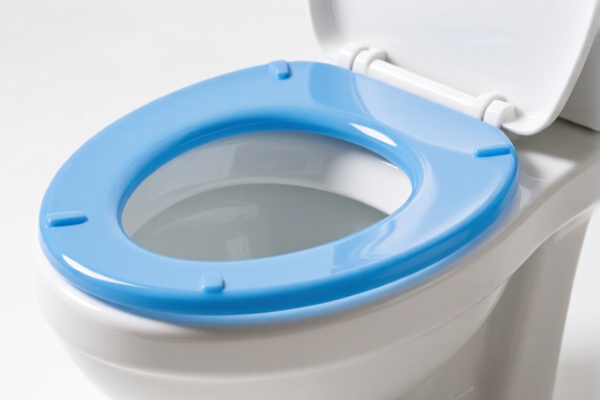
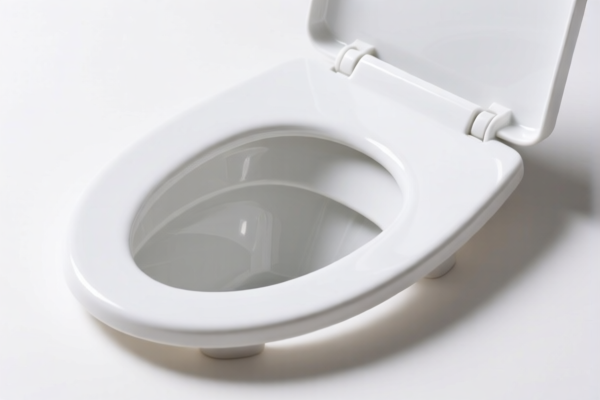
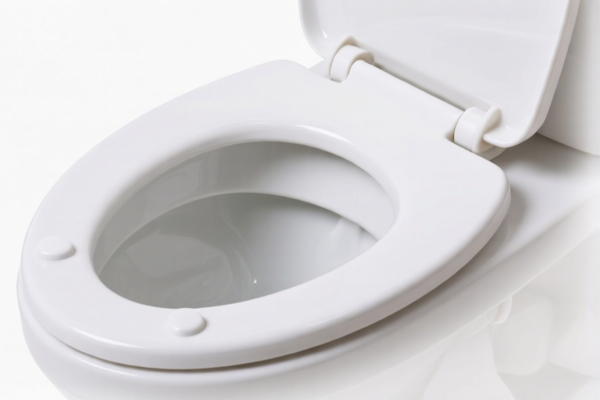
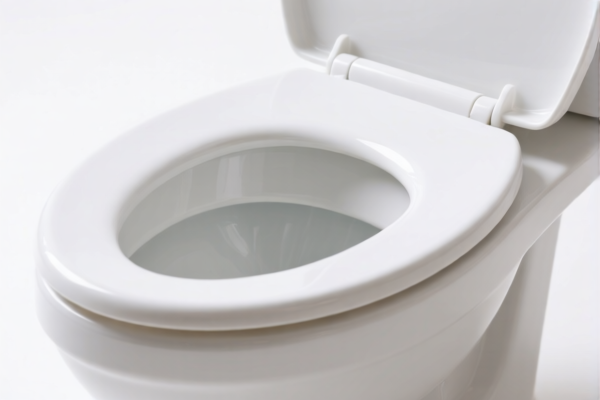
AI Analysis
🚽 Potty Seat Cushions (Toilet Seat Covers/Pads)
🌐 HS Code Reference & Customs Clearance Guide | 2026 Latest Tariff Analysis | Professional Clearance Strategy
📌 I. Product Definition & Classification: What Exactly is a "Potty Seat"?
A "Potty Seat" generally refers to accessories used for toilet hygiene and comfort. In international trade, these items are classified differently based on their material composition and structural integrity. They are not a single unified commodity but fall into distinct categories:
- Plastic Components: Hard plastic covers or rings that fit over the seat.
- Textile/Fabric Pads: Soft, washable, or disposable pads made of cotton, non-woven fabric, or synthetic fibers.
- Rubber/Silicone Gaskets: Seals or anti-slip pads made of vulcanized rubber.
- Miscellaneous Finished Goods: Composite items that don't fit neatly into material-specific chapters.
⚠️ Key Distinction Point:
- If made of Plastic → Likely Chapter 39 (Plastics).
- If made of Textile/Fabric → Likely Chapter 63 (Other Made-up Textile Articles).
- If made of Rubber → Likely Chapter 40 (Rubber Articles).
- Misclassification Risk: Declaring a plastic seat as a textile item to avoid tariffs is a common error leading to audits and penalties.
📦 II. HS Code Classification Details (2026 Latest Tariff Authority Comparison)
| HS Code | Product Description | Applicable Scenario | Material/Structure |
|---|---|---|---|
3922.20.00.00 |
Toilet seats, covers, and parts thereof (Plastic) | Standard plastic toilet seat covers/rings | ✅ Plastic |
6307.90.98.91 |
Other made-up articles, including fillers/auxiliary products | Fabric covers, generic "potty pads" in miscellaneous textile category | ✅ Textile/Fabric |
6307.90.89.95 |
Other made-up articles, inferred as textiles or soft pads | Soft, padded toilet seat cushions, non-woven wipes | ✅ Textile/Soft Material |
3922.90.00.00 |
Other sanitary ware made of plastics (Unclassified/General) | Plastic seats/pads not specified elsewhere | ✅ Plastic (General) |
4014.90.50.00 |
Other articles of vulcanized rubber | Rubber anti-slip mats, silicone seals, rubberized covers | ✅ Rubber/Silicone |
🔍 Key Reminder:
- Plastic seats are generally safer and more standardized under 3922, but face higher "Section 301" tariffs if from China. - Textile/Fabric pads may have lower base tariffs but require strict material proof (e.g., cotton content label). - Rubber items (4014) often have the lowest total tax burden in this specific dataset, provided they are truly rubber/silicone.
💰 III. 2026 Latest Tariff Rate Breakdown (Including Surcharges & Policy Add-ons)
✅ Applicable Country: United States (US)
✅ Origin: China (CN)
✅ Effective Time: Current tariffs apply (including Section 301 & 122 measures)
🎯 1. 3922.20.00.00 —— Plastic Toilet Seat Covers
| Item | Content |
|---|---|
| Base Duty Rate | 6.3% |
| Section 301 Surcharge | +7.5% |
| Section 122 Surcharge | +10.0% |
| Total Tax Rate | 23.8% |
| Tax Calculation | CIF Value × 23.8% |
| De Minimis Exemption | ❌ Not Eligible (Section 301 goods are generally excluded from de minimis) |
| Legal Basis Path | HTSUS:3922.20.00.00 → Section 301: Footnote 9903.88.01 → Section 122 |
📌 Explanation:
- Plastic sanitary ware from China attracts both the Section 301 (trade war) and Section 122 (specific list) surcharges. - Total cost impact is significant (23.8%). Importers must budget for this unless sourcing from non-China origins.
🎯 2. 6307.90.98.91 —— Other Made-up Textile Articles (Pads/Covers)
| Item | Content |
|---|---|
| Base Duty Rate | 7.0% |
| Section 301 Surcharge | +7.5% |
| Section 122 Surcharge | +10.0% |
| Total Tax Rate | 24.5% |
| Tax Calculation | CIF Value × 24.5% |
| De Minimis Exemption | ❌ Not Eligible |
| Legal Basis Path | HTSUS:6307.90.98.91 → Section 301 → Section 122 |
📌 Note:
- This category has the highest total tax rate (24.5%) in the dataset. - Even though it is a textile item, it is still subject to the full surcharge suite if from China. - Do not assume "textile = low tariff" in the current US-China trade environment.
🎯 3. 6307.90.89.95 —— Other Made-up Articles (Soft Pads/Textiles)
| Item | Content |
|---|---|
| Base Duty Rate | 7.0% |
| Section 301 Surcharge | 0.0% |
| Section 122 Surcharge | +10.0% |
| Total Tax Rate | 17.0% |
| Tax Calculation | CIF Value × 17.0% |
| De Minimis Exemption | ❌ Not Eligible |
| Legal Basis Path | HTSUS:6307.90.89.95 → Section 122 only |
📌 Advantage:
- This code benefits from exempting the Section 301 surcharge (0%). - If your product can be legitimately classified here (e.g., soft, non-rigid textile pads), this is a cost-effective option (17%) compared to3922or6307.98.91.
🎯 4. 3922.90.00.00 —— Other Plastic Sanitary Ware
| Item | Content |
|---|---|
| Base Duty Rate | 6.3% |
| Section 301 Surcharge | +25.0% |
| Section 122 Surcharge | +10.0% |
| Total Tax Rate | 41.3% |
| Tax Calculation | CIF Value × 41.3% |
| De Minimis Exemption | ❌ Not Eligible |
| Legal Basis Path | HTSUS:3922.90.00.00 → Section 301 (25%) → Section 122 |
📌 Warning:
- This is the highest penalty category (41.3%). - This code is often a "catch-all" for plastic items not specifically listed in3922.20. If your product doesn't fit3922.20exactly, customs may default to this, incurring massive tariffs. - Avoid this classification if possible by proving your product fits3922.20or another category.
🎯 5. 4014.90.50.00 —— Vulcanized Rubber Articles
| Item | Content |
|---|---|
| Base Duty Rate | 4.2% |
| Section 301 Surcharge | 0.0% |
| Section 122 Surcharge | +10.0% |
| Total Tax Rate | 14.2% |
| Tax Calculation | CIF Value × 14.2% |
| De Minimis Exemption | ❌ Not Eligible |
| Legal Basis Path | HTSUS:4014.90.50.00 → Section 122 only |
📌 Best Option for Rubber:
- If your "potty seat" is made of rubber or silicone (e.g., anti-slip mats, flexible seals), this is the most cost-efficient classification (14.2%). - It is exempt from Section 301, making it significantly cheaper than plastic or certain textile codes.
🛠️ IV. Customs Clearance Practical Advice (Battle-Tested Pitfall Avoidance)
✅ 1. Documentation Checklist (Mandatory)
| Document | Required? | Explanation |
|---|---|---|
| ✅ Product Specs | ✔️ | Must clearly state Material Composition (e.g., "100% Polypropylene" or "Cotton/Non-woven"). |
| ✅ Photos | ✔️ | Clear images showing texture, rigidity, and usage. Plastic vs. Rubber vs. Fabric must be visually distinguishable. |
| ✅ Material Certificates | ✔️ | Mill certificates for textiles or plastic resins to prove HS Code accuracy. |
| ✅ Commercial Invoice | ✔️ | Description must be precise: "Plastic Toilet Seat Cover" vs. "Fabric Potty Pad". Avoid generic "Toilet Accessory". |
| ✅ Packing List | ✔️ | Weight and dimensions must match the declared value. |
✅ 2. Declaration Strategy (Key Mnemonics)
🔥 “Material First, Code Follows; Plastic High, Rubber Low, Textile Mixed!”
| Scenario | Correct HS Code | Wrong Declaration | Consequence |
|---|---|---|---|
| Rigid Plastic Cover | 3922.20.00.00 |
3922.90.00.00 |
Tariff jumps from 23.8% → 41.3% |
| Soft Fabric Pad | 6307.90.89.95 |
6307.90.98.91 |
Tariff saved: 24.5% → 17.0% |
| Rubber/Silicone Mat | 4014.90.50.00 |
4016.99.00 (Other Rubber) |
Risk of higher scrutiny; 4014.90.50.00 is optimized for this at 14.2% |
| Generic "Seat Cover" | Cannot Declare | Vague description | Customs will assign highest duty or detain for inspection |
✅ 3. Special Cases Handling
| Case | Recommendation |
|---|---|
| Composite Materials (Plastic + Fabric) | Determine the essential character. If plastic frame + fabric pad, likely 3922.20. If primarily for softness, argue 6307. |
| Disposable Paper/Wipe Covers | These may fall under Chapter 48 (Paper), not 6307 or 3922. Check 4823 codes. |
| Silicone Gel Inserts | Can often be classified as 4014 (Rubber Articles). Verify with lab test if considered "vulcanized" or "thermoplastic elastomer". |
| OEM Custom Colors | Provide Pantone codes in specs. Do not alter material description. |
🌍 V. Global Market Comparison (2026 Latest)
| Country/Region | Recommended HS Code | Est. Tariff (China Origin) | Notes |
|---|---|---|---|
| 🇺🇸 USA | 4014.90.50.00 (Rubber) |
14.2% | Lowest duty if material allows. |
| 🇺🇸 USA | 3922.20.00.00 (Plastic) |
23.8% | Standard for hard plastic seats. |
| 🇪🇺 EU | Varies (Likely 3922) | ~2.5% - 6.5% | EU generally does not apply Section 301/122 surcharges. |
| 🇨🇳 China | Varies | 0% - 6% | Import into China may have different incentives. |
| 🇬🇧 UK | Varies | ~3% - 6% | Post-Brexit tariffs, but no US-style surcharges. |
📌 Conclusion:
- The US market is the most complex due to layered surcharges. - Rubber (4014) and Specific Textile (6307.89) codes offer the best tariff advantages for Chinese goods. - Plastic (3922) is standard but costly. Avoid3922.90if3922.20applies.
📌 VI. Common Errors & Pitfalls (Lessons Learned)
❌ Mistake 1: Declaring a Plastic Seat as 3922.90 (General Plastic)
👉 Consequence: Tariff increases from 23.8% to 41.3%.
✅ Fix: Ensure it fits the specific "Toilet seats/covers" subheading 3922.20.
❌ Mistake 2: Claiming Fabric Covers are 6307.90.98.91 (High Tax)
👉 Consequence: Paying 24.5% instead of 17.0%.
✅ Fix: If it is a simple soft pad, verify if 6307.90.89.95 (lower surcharge) is applicable.
❌ Mistake 3: Ignoring Section 122 impact
👉 Consequence: Underestimating total landed cost.
✅ Fix: Always add +10% for Section 122 on applicable Chinese goods in your financial model.
❌ Mistake 4: Misidentifying Silicone as Plastic
👉 Consequence: Paying 23.8% or 41.3% instead of 14.2%.
✅ Fix: If it is flexible silicone, argue for 4014.90.50.00 (Rubber Article).
🎯 VII. Conclusion: Professional Declaration Saves Money!
🎯 Remember the Mnemonic:
🔹 "Plastic Specific (23.8%), Plastic General (41.3%), Rubber Low (14.2%), Textile Mixed (17-24.5%)."
🔹 "Material is King! Code is Queen! Misclassification Costs Thousands!"
📌 Pro Tip:
For bulk imports, consider Advance Rulings with US Customs (CBP) to confirm the HS Code before shipment.
If possible, source Rubber/Silicone variants (4014) or Soft Textile variants (6307.89) to minimize the 25% Section 301 burden.
📣 Immediate Action:
📞 Consult a licensed customs broker.
📄 Provide material breakdown.
🚀 Optimize your supply chain for the 14.2% or 17.0% brackets!
✨ Professional Clearance Starts with Accurate Classification!
💼 Every percent saved is pure profit!
Customer Reviews
About HS Code Classification
The Harmonized System (HS) is an internationally standardized nomenclature developed by the World Customs Organization (WCO) to classify traded products. Over 200 countries use the HS system as the basis for customs tariffs, trade statistics, and import/export regulations.
Each HS code follows a hierarchical structure:
- Chapter (2 digits) — Broad category of goods (e.g., Chapter 84: Machinery and Mechanical Appliances)
- Heading (4 digits) — More specific grouping within the chapter
- Subheading (6 digits) — Internationally standardized breakdown, used by all WCO member countries
- National subdivisions (8-10 digits) — Country-specific extensions for further classification, such as US HTSUS 10-digit codes
Correct HS code classification is essential for smooth customs clearance, accurate duty payment, and compliance with trade regulations. Misclassification can lead to customs delays, overpayment of duties, or penalties.
When importing from CN to US, the applicable tariff rates may include:
- Most-Favored-Nation (MFN) rate — The standard duty rate applied to WTO members
- General rate — Applied to countries without trade agreements
- Trade remedy duties — Additional tariffs such as Section 301 (anti-dumping), Section 232 (national security), or countervailing duties
The information provided on this page is for reference purposes only. For official classification, please consult with your local customs authority or a licensed customs broker.