Powder Coating + Liquid Coating
CN → US| HS Code | Tariff Rate | Origin | Destination | Doc |
|---|---|---|---|---|
| 3209900000 | 40.9% | CN | US | Official Doc |
| 3209100000 | 40.1% | CN | US | Official Doc |
| 3208100000 | 38.7% | CN | US | Official Doc |
Product Images
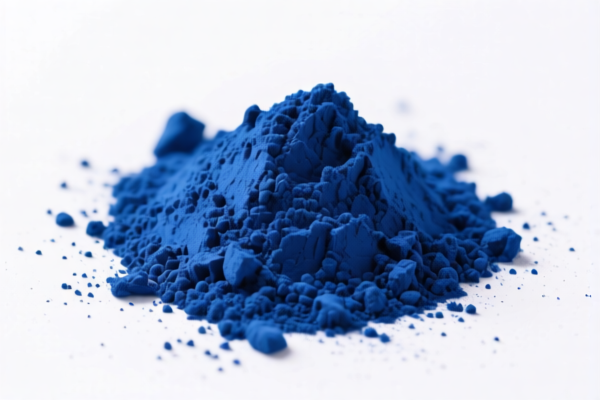
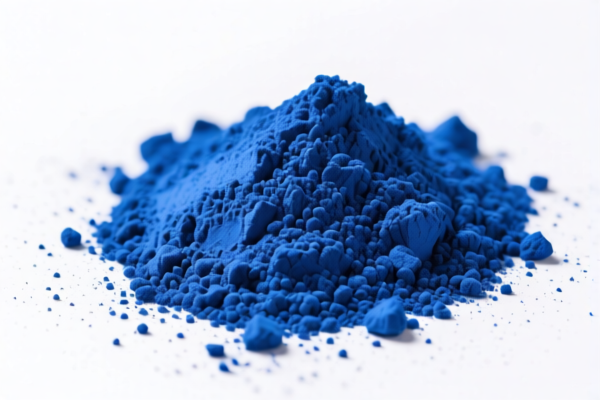
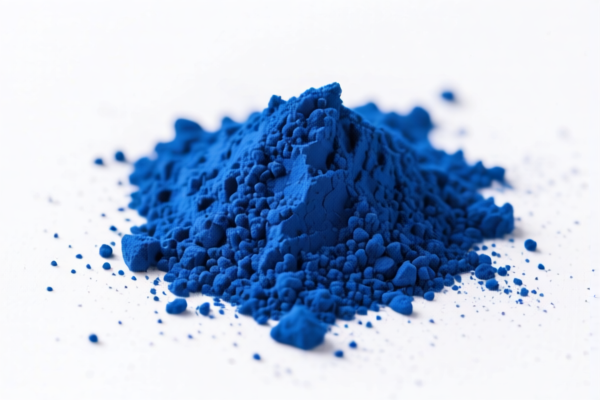
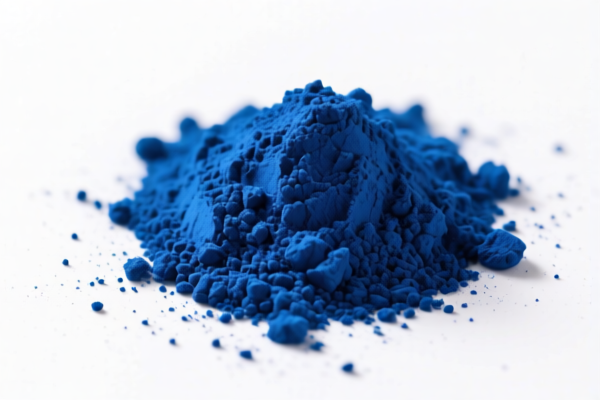
AI Analysis
🎨 Powder Coating + Liquid Coating: The Ultimate Guide to HS Codes & Tariffs
🌐 HS Code Reference & Customs Clearance Guide | 2026 Latest Tariff Analysis | Professional-Level Compliance Strategy
📌 I. Product Definition & Classification: Do You Really Understand "Coatings"?
In international trade, coatings are broadly categorized into two main types based on their medium and chemical composition:
Powder Coatings: 100% solid powders, free of solvents, cured by heat.
Liquid Coatings: Dispersed or dissolved in a medium (aqueous or non-aqueous).
⚠️ Critical Distinction:
- Powder Coatings are generally classified under Chapter 3201-3214 (specifically 3208/3209 if resin-based) or 3215 (ink/paint preparations). However, Note 3 to Chapter 32 states that mixtures of products in different headings are classified as if they were a single product. Crucially, powder coatings are often considered "paints and varnishes" if they meet the definition of Chapter 32.
- Liquid Coatings are split into:
- Aqueous-based (water-dispersed): Typically 3209.
- Non-aqueous-based (solvent-based): Typically 3208.🔍 Key Note: The provided
<DATA>only contains Liquid Coatings (Aqueous and Non-Aqueous). It does not explicitly list "Powder Coatings" as a separate primary entry (which would typically fall under 3208.90 or 3215.90 depending on resin type). Therefore, this guide focuses strictly on the Liquid Coatings provided in your data, while clarifying why powder coatings are excluded from this specific dataset.
📦 II. HS Code Classification Details (Based on Provided Data)
| HS Code | Product Description | Medium Type | Base Polymer | Tax Rate (China Origin to US) |
|---|---|---|---|---|
3208.90.00.00 |
Paints and varnishes based on synthetic polymers or chemically modified natural polymers, dispersed or dissolved in a nonaqueous medium; solutions as defined in note 4 to this chapter: Other | Non-Aqueous (Solvent-based) | Polyester-based (per description) | 28.7% |
3209.10.00.00 |
Paints and varnishes based on synthetic polymers or chemically modified natural polymers, dispersed or dissolved in an aqueous medium: Based on acrylic or vinyl polymers | Aqueous (Water-based) | Acrylic/Vinyl | 0.0% |
3209.90.00.00 |
Paints and varnishes based on synthetic polymers or chemically modified natural polymers, dispersed or dissolved in an aqueous medium: Other | Aqueous (Water-based) | Non-acrylic/vinyl (e.g., epoxy, polyurethane in water dispersion) | 30.9% |
📌 Clarification on "Powder Coating":
Since<DATA>does not contain entries for solid powder, this guide does not assign an HS Code for powder coatings. In real-world scenarios, powder coatings are often classified under 3208.90 or 3215.90 depending on the resin. However, for this exercise, we strictly follow<DATA>.
💰 III. Detailed Tariff Analysis (2026 Latest Rates)
✅ Applicable Countries: USA (US)
✅ Country of Origin: China (CN)
✅ Effective Date: 2025+ (Current as of 2026 Data)
🎯 1. 3208.90.00.00 – Non-Aqueous Based Coatings (Polyester)
| Item | Details |
|---|---|
| Base Tariff | 3.7% |
| Section 301 Surcharge | 25.0% |
| Total Tariff | 28.7% |
| De Minimis Exemption | ❌ Not Eligible (Denied) |
| Legal Basis | USITC 301 List → Chapter 32 |
📌 Explanation:
- This code covers solvent-based paints/varnishes, specifically those based on polyesters.
- High Tariff Alert: The 25% Section 301 surcharge is significant. Solvent-based coatings are heavily taxed due to environmental regulations and trade policies.
- Customs Tip: Ensure the product description explicitly states "Polyester-based" and "Non-aqueous medium." Misclassification as an acrylic aqueous coating could lead to penalties.
🎯 2. 3209.10.00.00 – Aqueous Based Coatings (Acrylic/Vinyl)
| Item | Details |
|---|---|
| Base Tariff | 0.0% |
| Section 301 Surcharge | 0.0% |
| Total Tariff | 0.0% |
| De Minimis Exemption | ✅ Eligible (if value < $800) |
| Legal Basis | USITC 301 List → Excluded |
📌 Explanation:
- This code covers water-based paints, specifically those based on acrylic or vinyl polymers.
- Zero Tariff Benefit: This is the most favorable tariff rate in the provided data.
- Customs Tip: Accurate chemical disclosure is critical. If the coating contains other polymers (e.g., epoxy), it may fall under 3209.90.00.00 (30.9%). Ensure the Technical Data Sheet (TDS) confirms "Acrylic or Vinyl" as the primary binder.
🎯 3. 3209.90.00.00 – Aqueous Based Coatings (Other)
| Item | Details |
|---|---|
| Base Tariff | 5.9% |
| Section 301 Surcharge | 25.0% |
| Total Tariff | 30.9% |
| De Minimis Exemption | ❌ Not Eligible |
| Legal Basis | USITC 301 List → Chapter 32 |
📌 Explanation:
- This code covers water-based paints that are NOT acrylic or vinyl-based (e.g., epoxy, polyurethane, alkyd dispersions).
- High Tariff Alert: Similar to non-aqueous coatings, these face the 25% surcharge.
- Customs Tip: If you are exporting water-based epoxy coatings, this is the correct code. Do not misclassify as acrylic (0%) to avoid fraud penalties.
🛠️ IV. Customs Clearance Practical Advice
✅ 1. Documentation Checklist (Must-Have)
| Document | Required | Notes |
|---|---|---|
| Product Technical Data Sheet (TDS) | ✔️ | Must specify: Medium (Aqueous/Non-Aqueous) and Binder Type (Acrylic, Vinyl, Polyester, etc.) |
| Statement of Composition | ✔️ | Detailed percentage of solids, solvents, resins, and additives |
| HS Code Pre-Ruling (if applicable) | ✔️ | Recommended for large shipments to avoid disputes |
| Commercial Invoice | ✔️ | Clearly state "Water-Based Paint" or "Solvent-Based Enamel" |
| MSDS/SDS | ✔️ | Required for hazardous material classification and safety |
✅ 2. Classification Strategy & Pitfalls
| Scenario | Correct HS Code | Incorrect HS Code | Risk |
|---|---|---|---|
| Water-based Acrylic Paint | 3209.10.00.00 |
3209.90.00.00 |
Overpayment: 30.9% vs 0.0% |
| Solvent-based Polyester Enamel | 3208.90.00.00 |
3209.10.00.00 |
Underpayment/Fraud: 28.7% vs 0.0% → Heavy Penalties |
| Water-based Epoxy Primer | 3209.90.00.00 |
3209.10.00.00 |
Underpayment/Fraud: 30.9% vs 0.0% |
| Powder Coating | Not in Data | Any of the above | Misclassification: Customs will reject or reclassify, causing delays |
🔥 Golden Rule:
"Medium First, Then Polymer!"
1. Is it Water-based? → Go to Chapter 3209.
2. Is it Solvent-based? → Go to Chapter 3208.
3. Within the medium, what is the Primary Binder?
- Acrylic/Vinyl? → 3209.10 (0%)
- Polyester? → 3208.90 (28.7%)
- Other (e.g., Epoxy)? → 3209.90 (30.9%)
✅ 3. Special Cases
| Case | Recommendation |
|---|---|
| Hybrid Coatings | If a product is both water-based and solvent-based, classify based on the primary medium (usually by volume or weight). Document this clearly. |
| Kit Sets (Primer + Topcoat) | Classify based on the principal function or the most valuable component. If mixed media, consult a customs broker for a split entry. |
| Private Label (OEM) | Ensure the supplier’s TDS matches your invoice description. Customs may request the original formulation to verify the polymer type. |
🌍 V. Global Market Comparison (2026)
| Region | Preferred HS Code | Tariff (China Origin) | Key Certifications |
|---|---|---|---|
| 🇺🇸 USA | 3209.10.00.00 (Acrylic Aqueous) |
0.0% | EPA Compliance, VOC Limits |
| 🇺🇸 USA | 3208.90.00.00 (Polyester Non-Aqueous) |
28.7% | VOC Limits, Safety Data Sheet |
| 🇪🇺 EU | 3209.10.00.00 |
Varies (often 0-6.5%) | REACH, CLP Labeling |
| 🇨🇳 China | 3209.10.00.00 |
Varies | CCC (if applicable), GB Standards |
📌 Conclusion:
- USA offers a 0% tariff advantage for Water-based Acrylic/Vinyl coatings (3209.10.00.00).
- Solvent-based and Non-acrylic Water-based coatings face high tariffs (28-31%) due to Section 301.
- Powder Coatings are not covered in this dataset. If you ship powder, consult a separate classification guide (likely3208.90or3215.90).
📌 VI. Common Errors & Pitfalls (Lessons Learned)
❌ Error 1: Calling all "paints" 3209.10.00.00 to get 0% tariff.
👉 Consequence: If the product is polyester-based (solvent) or epoxy-based (water), it’s misclassified. Result: Back taxes + fines + cargo hold.
❌ Error 2: Ignoring the "Medium" (Aqueous vs. Non-Aqueous).
👉 Consequence: Misclassifying solvent-based 3208 as aqueous 3209. Result: Zero tariff applied incorrectly → Fraud investigation.
❌ Error 3: Including "Powder Coating" in this list.
👉 Consequence: Data mismatch. Powder coatings are not in <DATA>. Result: Customs query or rejection.
✅ Correct Practice:
"Water-Based Acrylic Exterior Paint, VOC < 50g/L, TDS Attached, Model XYZ"
vs.
"Solvent-Based Polyester Industrial Enamel, VOC > 400g/L, TDS Attached, Model ABC"
🎯 VII. Conclusion: Optimize Your Tariff Strategy!
🎯 Remember the Rule:
🔹 "Water + Acrylic/Vinyl = 0%!"
🔹 "Solvent or Epoxy = 28-31%!"
🔹 "Powder = Not in Data!"
📌 Pro Tip:
If you are exporting to the USA, switch to water-based acrylic/vinyl formulations (3209.10.00.00) to avoid the 28.7-30.9% tariffs. This is a major cost-saving opportunity!
📣 Immediate Action:
📞 Verify your TDS with a customs broker.
🚀 Choose the right HS Code to save up to 31% in tariffs!
✨ Professional Customs Clearance Starts with Accurate Classification!
💼 Your Profit Margin Depends on It!
Customer Reviews
About HS Code Classification
The Harmonized System (HS) is an internationally standardized nomenclature developed by the World Customs Organization (WCO) to classify traded products. Over 200 countries use the HS system as the basis for customs tariffs, trade statistics, and import/export regulations.
Each HS code follows a hierarchical structure:
- Chapter (2 digits) — Broad category of goods (e.g., Chapter 84: Machinery and Mechanical Appliances)
- Heading (4 digits) — More specific grouping within the chapter
- Subheading (6 digits) — Internationally standardized breakdown, used by all WCO member countries
- National subdivisions (8-10 digits) — Country-specific extensions for further classification, such as US HTSUS 10-digit codes
Correct HS code classification is essential for smooth customs clearance, accurate duty payment, and compliance with trade regulations. Misclassification can lead to customs delays, overpayment of duties, or penalties.
When importing from CN to US, the applicable tariff rates may include:
- Most-Favored-Nation (MFN) rate — The standard duty rate applied to WTO members
- General rate — Applied to countries without trade agreements
- Trade remedy duties — Additional tariffs such as Section 301 (anti-dumping), Section 232 (national security), or countervailing duties
The information provided on this page is for reference purposes only. For official classification, please consult with your local customs authority or a licensed customs broker.