Powder Coating Machine
CN → US| HS Code | Tariff Rate | Origin | Destination | Doc |
|---|---|---|---|---|
| 8424891000 | 35.0% | CN | US | Official Doc |
| 8424201000 | 37.9% | CN | US | Official Doc |
| 8479899595 | 37.5% | CN | US | Official Doc |
| 8479909565 | 35.0% | CN | US | Official Doc |
Product Images
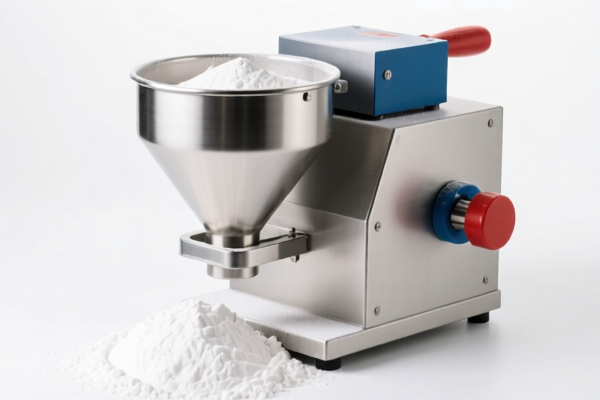


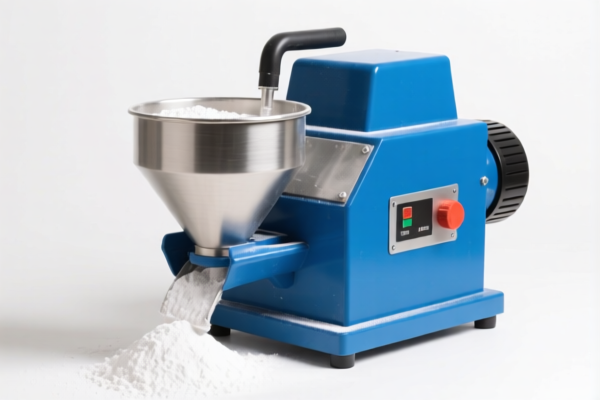
AI Analysis
🎨 Powder Coating Machine (Automated/Industrial Spraying Apparatus)
🌐 HS Code Reference & Customs Clearance Guide | 2026 Latest Tariff Analysis | Professional Strategy
📌 I. Product Definition & Classification: What Exactly is a "Powder Coating Machine"?
A Powder Coating Machine is a mechanical appliance designed specifically for the projecting, dispersing, or spraying of powder materials onto surfaces. Unlike liquid paint sprayers, these machines use electrostatic or fluidized bed technologies to apply dry powder coatings.
In international trade (specifically US Customs), these are not classified under "Painting Machinery" alone but are strictly governed by Chapter 84 (Machinery and Mechanical Appliances). The critical distinction lies in the end-use:
Industrial/Manufacturing Use: Machines used solely or principally for the manufacture of printed circuits, metal finishing, or general industrial spraying.
General Hand-Held Use: Simple manual spray guns or pumps (often lower value, different classification).
⚠️ Key Distinction Point:
- If the machine is a complex industrial system (e.g., for PCBs, automated conveyor lines, or specialized metal treatment) → Chapter 84.24.89 / 8479.89.
- If it is a simple hand-held spray gun or piston pump → Chapter 84.20.
- Note: Most professional "Powder Coating Booths" or "Electrostatic Spray Guns" for industrial manufacturing fall under specific sub-headings based on their mechanical function.
📦 II. HS Code Classification Details (2026 Latest Tariff Authority)
Based on the provided data, here are the relevant HS Codes for Powder Coating equipment, ranging from specialized manufacturing tools to general spraying appliances.
| HS Code | Product Description | Application Scenario | Key Feature |
|---|---|---|---|
8424.89.10.00 |
Mechanical appliances for projecting/dispersing liquids/powders; Of a kind used solely or principally for the manufacture of printed circuits or printed circuit assemblies | PCB Manufacturing, Electronics Assembly | High precision, automated spraying for circuits |
8424.20.10.00 |
Spray guns and similar appliances: Simple piston pump sprays and powder bellows | Manual powder application, small-scale DIY, basic industrial touch-up | Simple mechanical action, hand-operated |
8479.89.95.95 |
Machines having individual functions: Industrial vibrators | Often part of powder feeding systems, hoppers, or fluidization beds | Used to ensure powder flow, not the spray gun itself |
8479.90.95.65 |
Parts of machines: Of machines or mechanical appliances for treating metal | Replacement parts for industrial metal coating lines | Components for larger metal treatment systems |
🔍 Critical Reminder:
-8424.89.10.00is the most common code for automated industrial powder coating lines used in electronics/high-tech manufacturing.
-8424.20.10.00applies only to simple spray guns (like a handheld powder gun without complex electronic control/automation).
-8479.89.95.95is often misused; it specifically refers to vibrators (used to agitate powder), not the spraying mechanism itself.
💰 III. 2026 Latest Tariff Rate Breakdown (Detailed Tax Clauses)
✅ Applicable Country: United States (US)
✅ Country of Origin: China (CN)
✅ Effective Date: Post-2025 policies (Section 301 & IEEPA)
🎯 1. 8424.89.10.00 – Industrial Spraying Appliances (PCB/Manufacturing Use)
| Item | Content |
|---|---|
| Base Tariff | 0.0% (Free) |
| Additional Tariff (Section 301) | +25.0% |
| Total Tax Rate | 25.0% |
| Tax Calculation | CIF Value × 25% |
| De Minimis Exemption? | ❌ NO (Section 301 tariffs apply to all commercial shipments) |
| Legal Basis Path | USITC:8424.89.10.00 → Section 301 Footnote 9903.88.01 |
📌 Explanation:
- Although the base duty is 0%, the 25% additional tariff applies because these are considered industrial capital goods or components from China under the trade war measures.
- High Risk: Customs may scrutinize this code heavily to ensure it isn't being used to mask general-purpose spraying equipment.
🎯 2. 8424.20.10.00 – Simple Piston Pump Sprays & Powder Bellows
| Item | Content |
|---|---|
| Base Tariff | 2.9% |
| Additional Tariff (Section 301) | +25.0% |
| Total Tax Rate | 27.9% |
| Tax Calculation | CIF Value × 27.9% |
| De Minimis Exemption? | ❌ NO |
| Legal Basis Path | USITC:8424.20.10.00 → Section 301 |
📌 Note:
- Even "simple" spray guns attract tariffs.
- If your machine is a complex electrostatic powder coating system (not a "simple piston pump"), classifying it here might lead to misclassification penalties. Ensure the machine truly fits "simple" mechanical definition.
🎯 3. 8479.89.95.95 – Industrial Vibrators (Often Included in Powder Systems)
| Item | Content |
|---|---|
| Base Tariff | 0.0% |
| Additional Tariff | 0.0% |
| Total Tax Rate | 0.0% |
| Tax Calculation | CIF Value × 0% |
| De Minimis Exemption? | ❌ N/A (Zero Duty) |
| Legal Basis Path | USITC:8479.89.95.95 |
📌 Caution:
- This code is NOT for the spray gun. It is for vibratory feeders or fluidization agitators used inside powder coating hoppers.
- Do not classify the entire powder coating machine under this code unless you are importing only the vibration motor/unit. Misclassification here to avoid tariffs is a major red flag for CBP (Customs and Border Protection).
🎯 4. 8479.90.95.65 – Parts for Metal Treatment Machines
| Item | Content |
|---|---|
| Base Tariff | 0.0% |
| Additional Tariff (Section 301) | +25.0% |
| Total Tax Rate | 25.0% |
| Tax Calculation | CIF Value × 25% |
| De Minimis Exemption? | ❌ NO |
| Legal Basis Path | USITC:8479.90.95.65 → Section 301 |
📌 Explanation:
- If you are importing spare parts (nozzles, guns, hoppers) specifically for machines that treat metal, this code may apply.
- Must prove: The part is "of" a machine for treating metal. If the part is universal, it may fall elsewhere.
🛠️ IV. Customs Clearance Practical Advice (Real-World Pitfall Guide)
✅ 1. Documentation Checklist (Non-Negotiable)
| Document | Required? | Description |
|---|---|---|
| ✅ Technical Data Sheet | ✔️ | Must specify: Air pressure, voltage, powder type compatibility, spray pattern width. |
| ✅ User Manual | ✔️ | Shows operation method (hand-held vs. automated). Crucial for distinguishing 8424.20 vs 8424.89. |
| ✅ Product Photos | ✔️ | Clear images of control panel, spray nozzle, and any automation features. |
| ✅ Commercial Invoice | ✔️ | Must NOT just say "Spray Gun." Use precise description: "Electrostatic Powder Coating Spray Gun, Model X, for Industrial Use." |
| ✅ Certificate of Origin | ✔️ | Required for tariff determination (US vs. Non-US origin). |
✅ 2. Declaration Strategy (Key Rules)
🔥 "Function Defines Code, Not Name!"
| Scenario | Correct HS Code | Incorrect Code | Consequence |
|---|---|---|---|
| Automated Powder Line for PCBs | 8424.89.10.00 (25%) |
8479.89.95.95 (0%) |
Penalty! Misclassification to avoid tax. |
| Handheld Electrostatic Gun | 8424.20.10.00 (27.9%) |
8424.89.10.00 (25%) |
Slight overpayment, but safer. Or vice versa if contested. |
| Vibratory Hopper Feeder | 8479.89.95.95 (0%) |
8424.89.10.00 (25%) |
Significant savings, but must prove it's a vibrator, not a sprayer. |
| Spare Nozzle for Metal Coater | 8479.90.95.65 (25%) |
8424.89.10.00 (25%) |
No tax difference, but legal accuracy prevents audits. |
✅ 3. Special Situation Handling
| Situation | Recommendation |
|---|---|
| Hybrid Machine (Spray + Cure Oven) | Declare the Spray Gun separately under 8424 codes. The oven falls under Chapter 84.84 or 84.19. Do not combine into one HS code. |
| Small Business Import (Under $800) | ❌ No De Minimis Exemption for Section 301 tariffs (25%/7.5%) on Chinese goods. Even small shipments are taxed. |
| Vibration Feeders Only | If importing only the vibrating mechanism to keep powder fluid, use 8479.89.95.95 (0%). This is a legal tax-saving strategy if the part is distinct. |
| Re-exported Parts | If importing parts to assemble a machine in a third country, consider Foreign Trade Zone (FTZ) benefits to defer duty. |
🌍 V. Global Market Comparison (2026)
| Market | Recommended HS Code | Base Duty | Additional Duty (China) | Total | Notes |
|---|---|---|---|---|---|
| 🇺🇸 USA | 8424.89.10.00 |
0% | +25% | 25% | Strict on industrial vs. simple distinction. |
| 🇨🇳 China (Import) | 8424.89.10.00 |
~6-10% | 0% | ~6-10% | Lower entry barrier into China. |
| 🇪🇺 EU | 8424.89.99 |
2.7% | 0% | 2.7% | No Section 301 equivalent. |
| 🇬🇧 UK | 8424.89.99 |
0% | 0% | 0% | Post-Brexit agreements may offer zero duty. |
📌 Conclusion:
The USA is the most expensive market for powder coating machinery due to the 25% additional tariff.
EU and UK offer significant cost advantages (under 3%).
📌 VI. Common Mistakes & Pitfalls (Blood & Tears Lessons)
❌ Mistake 1: Classifying an entire automated powder coating booth under 8479.89.95.95 to get 0% tax.
👉 Result: CBP will classify the spray assembly as 8424 and charge 25% + back duties + interest.
❌ Mistake 2: Calling a complex electrostatic gun a "Simple Piston Pump" (8424.20).
👉 Result: Customs may reject the code as it doesn't match the electrostatic/high-voltage nature, leading to delays.
❌ Mistake 3: Ignoring the "Origin" tag.
👉 Result: If the machine is assembled in Vietnam but uses Chinese spray components, Rules of Origin must be checked. If not sufficiently transformed, US tariffs still apply.
✅ Correct Approach:
"Electrostatic Powder Coating Spray Gun, Model XYZ, 220V, 50Hz, with Automatic Trigger, for Industrial Metal Finishing."
🎯 VII. Conclusion: Professional Declaration, Cost Optimization!
🎯 Remember the Mantra:
🔹 "Industrial Spray = 25% Duty."
🔹 "Simple Gun = 27.9% Duty."
🔹 "Vibrator Only = 0% Duty (If Separate)."
🔹 "Don't Mix Oven + Gun = Separate Invoices!"
📌 Pro Tip:
If you are importing large volumes, consider sourcing non-Chinese components (e.g., German or Japanese spray guns) and assembling the rest in China or elsewhere to potentially alter the origin status (Consult a trade lawyer).
📣 Immediate Action:
📞 Pre-classification Ruling: Request a Binding Ruling Letter from CBP before shipment if the value is high.
📄 Accurate Description: Never use vague terms like "Coating Machine." Be specific about function (Spray vs. Cure vs. Vibrate).
✨ Precision in Classification Saves Thousands!
💼 Your Profit Margin Depends on the Right HS Code!
Customer Reviews
About HS Code Classification
The Harmonized System (HS) is an internationally standardized nomenclature developed by the World Customs Organization (WCO) to classify traded products. Over 200 countries use the HS system as the basis for customs tariffs, trade statistics, and import/export regulations.
Each HS code follows a hierarchical structure:
- Chapter (2 digits) — Broad category of goods (e.g., Chapter 84: Machinery and Mechanical Appliances)
- Heading (4 digits) — More specific grouping within the chapter
- Subheading (6 digits) — Internationally standardized breakdown, used by all WCO member countries
- National subdivisions (8-10 digits) — Country-specific extensions for further classification, such as US HTSUS 10-digit codes
Correct HS code classification is essential for smooth customs clearance, accurate duty payment, and compliance with trade regulations. Misclassification can lead to customs delays, overpayment of duties, or penalties.
When importing from CN to US, the applicable tariff rates may include:
- Most-Favored-Nation (MFN) rate — The standard duty rate applied to WTO members
- General rate — Applied to countries without trade agreements
- Trade remedy duties — Additional tariffs such as Section 301 (anti-dumping), Section 232 (national security), or countervailing duties
The information provided on this page is for reference purposes only. For official classification, please consult with your local customs authority or a licensed customs broker.