Powder Protection Anti Bite Wristband
CN → US| HS Code | Tariff Rate | Origin | Destination | Doc |
|---|---|---|---|---|
| 3926201020 | 10.0% | CN | US | Official Doc |
| 3926204010 | 16.5% | CN | US | Official Doc |
Product Images
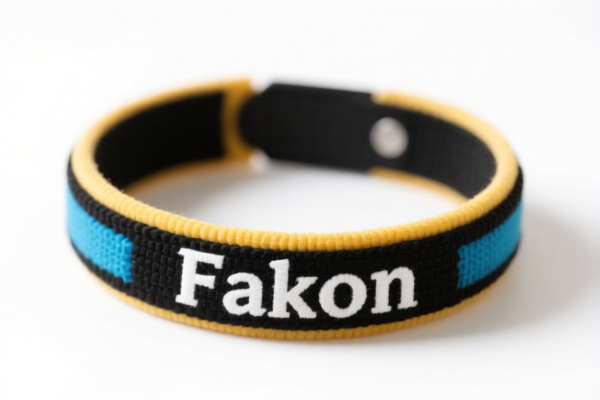
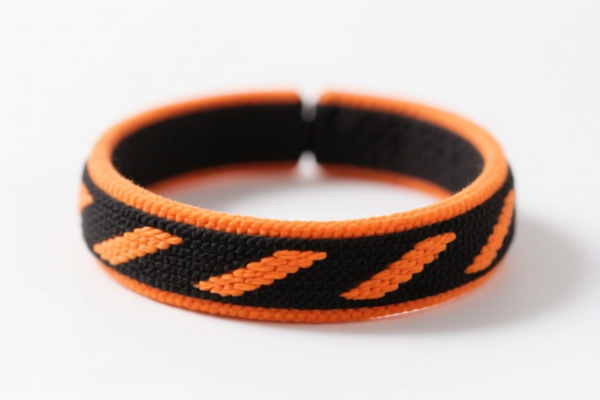
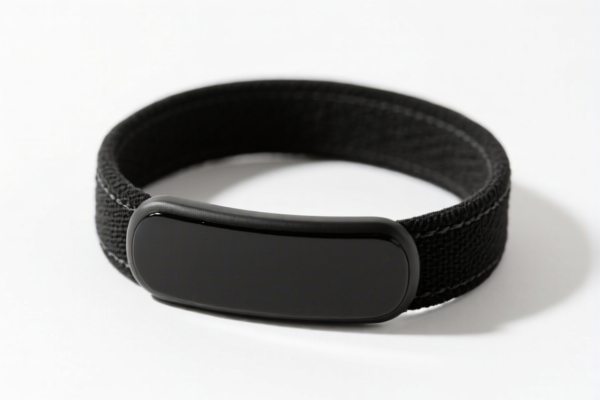
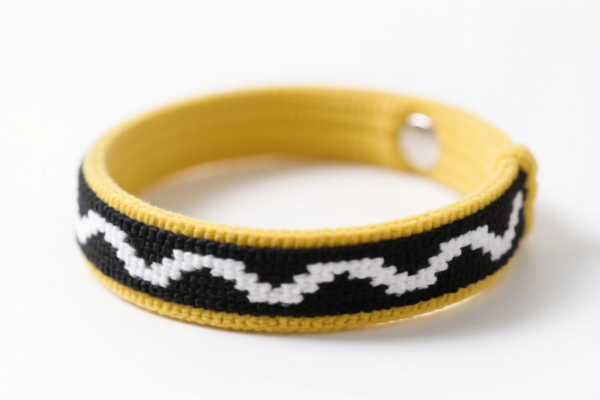
AI Analysis
🛡️ Powder Protection Anti-Bite Wristband (Plastic Gloves/Mittens)
🌐 HS Code Reference & Customs Clearance Guide | 2026 Latest Tariff Analysis | Professional Clearance Strategy 📌 I. Product Definition & Classification: What Exactly Is an "Anti-Bite Wristband"?
The Powder Protection Anti-Bite Wristband is a specialized protective device primarily used in industrial settings (e.g., powder coating, food processing, chemical handling) to prevent powder contamination from reaching the skin while protecting the wearer’s wrists from accidental bites (often in childcare or specific industrial safety contexts) or simply acting as a seal to keep fine particles out.
In international trade, despite its specific name, this product falls under the broad category of Plastic Apparel and Clothing Accessories, specifically Gloves, Mittens, and Mitts. It is crucial to distinguish between Seamless (one-piece molding) and Other manufacturing methods, as this determines the HS Code and, consequently, the tariff rate.
⚠️ Key Distinction Point: - If the wristband is made by molding plastic into a single, continuous shape without seams (e.g., liquid injection molding) → It is classified as "Seamless". - If it involves cutting, sewing, or assembling separate plastic pieces → It is classified as "Other". - Crucial Factor: Is it "Disposable"? - Most powder protection wristbands are single-use or short-term use items, making them "Disposable".
📦 II. HS Code Classification Details (2026 Latest Tariff Authority Comparison)
Based on the provided data, there are two possible HS Codes depending on the manufacturing method (Seamless vs. Other). Both are classified under Chapter 39 (Plastics and Articles Thereof).
| HS Code | Product Description | Manufacturing Method | Tax Rate (Base + Additional) | Total Tax |
|---|---|---|---|---|
3926.20.10.20 |
Seamless gloves/mittens, Disposable | Seamless (Molded as one piece) | Base: 0.0% Additional: 0.0% |
0.0% |
3926.20.40.10 |
Other gloves/mittens, Disposable | Non-seamless (Cut/Assembled/Sewn) | Base: 6.5% Additional: 0.0% |
6.5% |
🔍 Critical Note: -
3926.20.10.20is for Seamless plastic gloves/mittens. If your wristband is a single molded unit with no stitched parts, this is your code. Zero Duty! -3926.20.40.10is for Other plastic gloves/mittens (non-seamless). If the product involves any assembly, seams, or separate parts glued/stitched together, this applies. 6.5% Duty. - Both codes require the item to be "Disposable." If the wristband is durable/reusable (e.g., made of fabric with plastic lining, or thick industrial rubber for long-term use), these codes may be incorrect. However, "Powder Protection" wristbands are typically thin, single-use plastic or vinyl, fitting the "Disposable" definition.
💰 III. 2026 Latest Tariff Rate Breakdown (Detailed Tax Clause Explanation)
✅ Scope: Based on the provided data
✅ Applicable Country: China (Exporting to markets with these specific tariff structures, likely US or similar with specific footnote rules)
✅ Effective Time: 2026 Tariff Schedule
🎯 1. 3926.20.10.20 —— Seamless Disposable Plastic Wristbands/Gloves
| Item | Content |
|---|---|
| Base Tariff | 0.0% (ad valorem) |
| Additional Tariff (Section 301/Retaliatory) | 0.0% |
| Total Tariff | 0.0% |
| Tax Calculation | CIF Value × 0% = $0 |
| Legal Basis | Heading 3926: Other articles of plastics... Subheading 3926.20: Gloves, mittens and mitts Specific Code: Seamless, Other, Disposable |
📌 Explanation: - This is the most favorable classification. - "Seamless" implies a manufacturing process (like injection molding or extrusion) where the product is formed as a single piece without joins. - Why 0%? Many seamless plastic protective items face lower tariffs due to their nature as basic protective gear or because of specific trade agreements/exclusions for seamless plastic goods. - No Additional Taxes: Unlike some electronics or steel, this plastic item does not attract Section 301 or other retaliatory tariffs in this specific code slot.
🎯 2. 3926.20.40.10 —— Other Disposable Plastic Wristbands/Gloves
| Item | Content |
|---|---|
| Base Tariff | 6.5% (ad valorem) |
| Additional Tariff | 0.0% |
| Total Tariff | 6.5% |
| Tax Calculation | CIF Value × 6.5% |
| Legal Basis | Heading 3926: Other articles of plastics... Subheading 3926.20: Gloves, mittens and mitts Specific Code: Other (Non-Seamless), Disposable |
📌 Explanation: - "Other" means not seamless. If the wristband has a seam (e.g., a tube turned inside out and sealed, or a cut piece wrapped around), it falls here. - Why 6.5%? Non-seamless plastic gloves are considered more labor-intensive to manufacture (cutting, sewing, gluing) and thus carry a standard tariff. - No Additional Taxes: Surprisingly, even though the base rate is higher, there are no additional Section 301 tariffs applied to this specific code in the provided data.
🛠️ IV. Customs Clearance Practical Advice (Avoiding Pitfalls)
✅ 1. Preparation Checklist (Non-negotiable)
| Document | Required? | Reason |
|---|---|---|
| ✅ Product Photos (High-Res) | ✔️ | Must clearly show if the product is seamless (smooth, molded) or has seams/edges. |
| ✅ Technical Drawing/CAD | ✔️ | Proves the manufacturing method (mold vs. cut). |
| ✅ Material Certificate | ✔️ | Confirm it is Plastic (PVC, Vinyl, PE, etc.). If it’s fabric + plastic, it may fall under Chapter 61 (Textiles). |
| ✅ Declaration of "Disposable" | ✔️ | Must explicitly state in the commercial invoice: "Single-Use Disposable Plastic Wristband". |
| ✅ Commercial Invoice | ✔️ | Description must match HS Code logic: e.g., "Plastic Seamless Disposable Wristband" vs. "Plastic Assembled Disposable Wristband". |
| ✅ Packing List | ✔️ | Include weight and quantity. |
✅ 2. Declaration Strategy (Key Mantras)
🔥 “Seamless is Zero, Other is Six-Five, Disposable is Key!”
| Scenario | Correct HS Code | Wrong Code | Consequence |
|---|---|---|---|
| Product is molded in one piece (no seams) | 3926.20.10.20 |
3926.20.40.10 |
Overpaying 6.5% unnecessarily |
| Product has seams, glued edges, or sewn parts | 3926.20.40.10 |
3926.20.10.20 |
Misclassification! Risk of penalty + back taxes |
| Product is reusable (thick rubber, long-term use) | Neither (Likely 3926.90 or 4015) | 3926.20.xxxx |
Severe Misclassification! "Disposable" is a strict legal term. If it’s durable, it’s not disposable. |
| Product is made of fabric with plastic coating | Neither (Likely 6116 or 6216) | 3926.20.xxxx |
Wrong Chapter (Plastic vs. Textile). |
✅ 3. Special Handling for "Anti-Bite" Functionality
- Do Not Over-Describe Function: Customs classifies by material and form, not function. Do not write "Anti-Bite Dental Guard" if it’s a wristband. Keep it simple: "Plastic Wristband for Powder Protection."
- Material is King: Ensure the product is 100% plastic or primarily plastic. If it has significant fabric parts, the classification changes entirely (likely to Chapter 61 or 62 for gloves/mittens made of textile materials).
🌍 V. Global Market Clearance Comparison (2026)
| Market | Recommended HS Code | Est. Tariff | Key Requirement |
|---|---|---|---|
| 🇺🇸 USA | 3926.20.10.20 (Seamless) 3926.20.40.10 (Other) |
0% (Seamless) 6.5% (Other) |
No Section 301 on these specific codes. Ensure "Disposable" is declared. |
| 🇪🇺 EU | 3926.20.90 (General) |
~2.7% - 4.7% | CE Marking may be required if used in food/medical contexts. |
| 🇨🇳 China (Import) | 3926.20.90.90 |
6.5% - 10% | Import License may be needed for certain plastic goods. |
| 🇬🇧 UK | 3926.20.90 |
~2.5% - 5% | Post-Brexit rules apply. |
📌 Conclusion: - The USA is highly competitive for seamless plastic disposable wristbands (0% duty). - For non-seamless products, the 6.5% duty is standard and manageable. - Avoid misclassifying as "Textile Gloves" (Chapter 61) unless they are primarily fabric, as plastic content defines Chapter 39.
📌 VI. Common Errors & Pitfalls (Blood Lessons)
❌ Error 1: Calling it a "Glove" when it’s a "Wristband"
👉 Solution: Customs accepts "Wristband" under HS 3926 if it’s glove-like. But ensure the shape fits the description of "gloves, mittens, and mitts." If it’s just a band with no finger enclosure, it might be 3926.90 (Other articles). Check the shape carefully!
- If it covers the hand/fingers: Use 3926.20.
- If it’s just a wrist cuff: It may still be 3926.20 if classified as a "glove accessory" or similar, but 3926.90 is a safer fallback if it doesn’t resemble a glove. However, the provided data only lists 3926.20 codes, implying it’s treated as glove-like.
❌ Error 2: Ignoring "Seamless" vs. "Other"
👉 Solution: If you declare 3926.20.10.20 (Seamless) but the product has a visible seam, customs will reclassify it to 3926.20.40.10, charge 6.5%, and impose penalties for misdeclaration.
❌ Error 3: Not declaring "Disposable"
👉 Solution: The HS Code 3926.20.10.20 and 3926.20.40.10 both end in ".10" for Disposable. If the item is reusable, these codes are invalid. You must declare the usage clearly.
❌ Error 4: Material Misidentification
👉 Solution: If the wristband contains >10% fabric or metal parts, Chapter 39 may not apply. Use Material Composition Certificate.
✅ Correct Declaration Example:
"Plastic Disposable Wristband, Seamless, Powder Protection, Model XYZ, Made of PVC" → HS: 3926.20.10.20 "Plastic Disposable Wristband, Assembled, Powder Protection, Model XYZ, Made of PE" → HS: 3926.20.40.10
🎯 VII. Conclusion: Precision Saves Money!
🎯 Remember the Mantra:
🔹 "Seamless is Free, Other is Six-Five, Disposable is the Key!" 🔹 "Check the Shape: Glove-like = 3926.20, Just a Band = 3926.90 (Check Local Rules)" 🔹 "If in Doubt, Provide Photos + CAD to Prove 'Seamless' Status!"
📌 Pro Tip: If your product is seamless, you are in luck! 0% Duty is a huge competitive advantage. Invest in high-quality photos and CAD drawings to prove the seamless nature to customs brokers. If it’s non-seamless, ensure your cost structure can absorb the 6.5% base tariff.
📣 Immediate Action:
📞 Confirm Manufacturing Process: Ask your factory: "Is this molded in one piece (seamless) or cut/assembled (other)?" 🚀 Update Commercial Invoice: Match the HS Code with the precise description. ✨ Customs Clearance Starts with Accurate Classification!
💼 Every cent counts. Classify correctly, pay less, clear faster!
Customer Reviews
About HS Code Classification
The Harmonized System (HS) is an internationally standardized nomenclature developed by the World Customs Organization (WCO) to classify traded products. Over 200 countries use the HS system as the basis for customs tariffs, trade statistics, and import/export regulations.
Each HS code follows a hierarchical structure:
- Chapter (2 digits) — Broad category of goods (e.g., Chapter 84: Machinery and Mechanical Appliances)
- Heading (4 digits) — More specific grouping within the chapter
- Subheading (6 digits) — Internationally standardized breakdown, used by all WCO member countries
- National subdivisions (8-10 digits) — Country-specific extensions for further classification, such as US HTSUS 10-digit codes
Correct HS code classification is essential for smooth customs clearance, accurate duty payment, and compliance with trade regulations. Misclassification can lead to customs delays, overpayment of duties, or penalties.
When importing from CN to US, the applicable tariff rates may include:
- Most-Favored-Nation (MFN) rate — The standard duty rate applied to WTO members
- General rate — Applied to countries without trade agreements
- Trade remedy duties — Additional tariffs such as Section 301 (anti-dumping), Section 232 (national security), or countervailing duties
The information provided on this page is for reference purposes only. For official classification, please consult with your local customs authority or a licensed customs broker.