Power Strip Cabinet
CN → US| HS Code | Tariff Rate | Origin | Destination | Doc |
|---|---|---|---|---|
| 8537109120 | 37.7% | CN | US | Official Doc |
| 7326908688 | 87.9% | CN | US | Official Doc |
| 8537109150 | 37.7% | CN | US | Official Doc |
| 9403200086 | 85.0% | CN | US | Official Doc |
| 9403200078 | 85.0% | CN | US | Official Doc |
| 7326903500 | 92.8% | CN | US | Official Doc |
Product Images
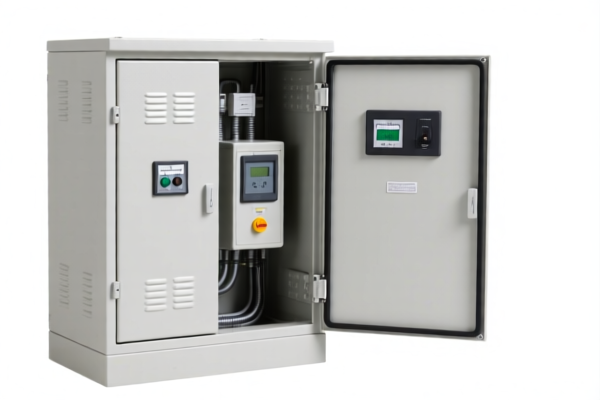
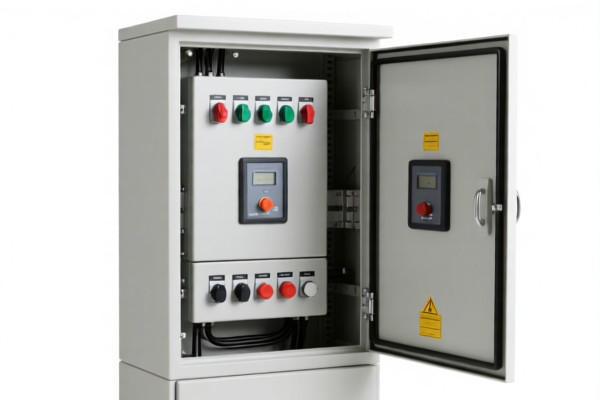
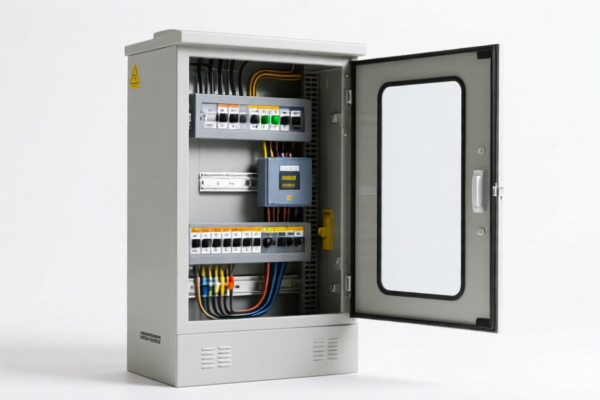
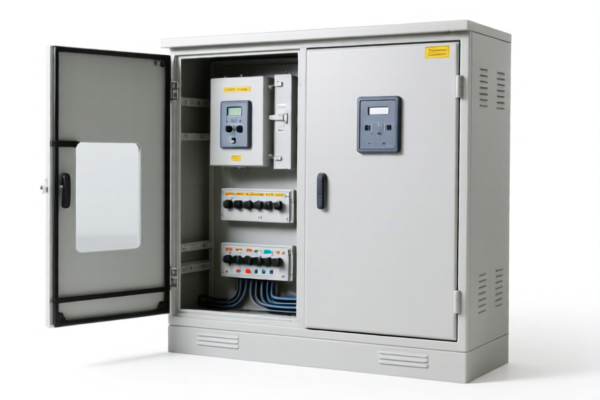
AI Analysis
🗄️ Power Strip Cabinet (Electrical Distribution Cabinet)
🌐 HS Code Reference & Customs Clearance Guide | 2026 Latest Tariff Analysis | Professional Compliance Strategy
📌 I. Product Definition & Classification: Is It Electrical Gear or Furniture?
A "Power Strip Cabinet" is a specialized hardware structure used for power distribution and equipment housing. In international trade, the classification hinges on its primary function and material composition. It sits at the intersection of electrical engineering and metal fabrication, leading to divergent HS Code interpretations:
1. Electrical Distribution Equipment (8537 Series):
Viewed as a "Switchboard" or "Panel" for controlling electrical power. It integrates circuit protection, distribution, and switching functions.
2. Metal Fabrication/Furniture (9403 / 7326 Series):
Viewed primarily as a structural "Cabinet" or "Frame" made of steel/iron, potentially housing electronics but classified by its physical form rather than its electrical function.
⚠️ Key Distinction Point:
- If the cabinet’s primary purpose is electrical distribution (switching, controlling current) → HS 8537
- If the cabinet is treated as a generic metal storage housing without complex electrical switching internals → HS 7326 or 9403
📦 II. HS Code Classification Details (2026 Latest Tariff Authority Mapping)
Based on the provided data, here are the six possible HS Codes with their corresponding tax implications and logical justifications:
| HS Code | Product Description | Logical Justification (Why this Code?) | Total Tax Rate (US Import from CN) |
|---|---|---|---|
8537.10.91.20 |
Cabinet for Power Distribution | Form matches switchboard components; intended for electrical distribution. No material conflict. | 37.7% |
7326.90.86.88 |
Other Articles of Iron/Steel | Inferred material is steel/iron. Not a specific electrical item, so falls under "Other" metal articles. | 87.9% |
8537.10.91.50 |
Panel and Distribution Board | Functional description: Cabinet with power distribution capabilities matches "panel/distribution board" criteria. | 37.7% |
9403.20.00.86 |
Other Metal Furniture | Name "Cabinet" implies metal furniture structure. Inferred material is metal. Fits "Other Metal Furniture". | 85.0% |
9403.20.00.78 |
Other Metal Furniture (Storage/Carrying) | Structural interpretation: Metal storage/carrying structure. Fits "Other" under metal furniture category. | 85.0% |
7326.90.35.00 |
Other Articles of Iron/Steel (Container) | Material is iron/steel. Function viewed as a "container" or carrier for electronic devices. | 92.8% |
🔍 Critical Insight:
- The lowest tax rate (37.7%) applies if classified as Electrical Equipment (8537).
- The highest tax rate (92.8%) applies if classified as a Steel Container/Furniture (7326/9403) due to the additional 50% penalty for steel/copper/aluminum products under Section 122/301 rules.
- Misclassification Risk: Treating an electrical cabinet as generic furniture or steel goods can increase your tax burden by ~55 percentage points!
💰 III. 2026 Latest Tariff Rate Breakdown (Including Surcharges & Policy Add-ons)
✅ Applicable Country: United States (US)
✅ Origin: China (CN)
✅ Effective Date: From 2025-11-10 onwards (including subsequent imports)
🎯 1. The "Safe" Path: Electrical Classification (HS 8537)
Codes: 8537.10.91.20 and 8537.10.91.50
| Item | Detail |
|---|---|
| Base Tariff | 2.7% |
| Section 301 Surcharge | +25.0% |
| Section 122 Surcharge | +10.0% |
| Steel/Aluminum/Copper Penalty | ❌ Not Applied (Classified as electrical, not raw steel goods) |
| Total Effective Tax Rate | 37.7% |
| Tax Calculation | CIF Value × 37.7% |
| De Minimis Eligibility | ❌ No (High tax rate prevents de minimis exemption) |
| Legal Basis Path | USITC:8537.10.91.xx → SECTION301:25% → SECTION122:10% |
📌 Explanation:
- This is the optimal classification for power strip cabinets with electrical functions.
- Avoids the punitive 50% steel/copper tariff applied to structural metal goods.
- Total 37.7% is manageable for high-value electronics but still significant.
🎯 2. The "Furniture" Path: Metal Furniture (HS 9403)
Codes: 9403.20.00.86 and 9403.20.00.78
| Item | Detail |
|---|---|
| Base Tariff | 0.0% |
| Section 301 Surcharge | +25.0% |
| Section 122 Surcharge | +10.0% |
| Steel/Aluminum/Copper Penalty | +50.0% (Penalty for steel/aluminum/copper products) |
| Total Effective Tax Rate | 85.0% |
| Tax Calculation | CIF Value × 85.0% |
| De Minimis Eligibility | ❌ No |
| Legal Basis Path | USITC:9403.20.00.xx → SECTION301:25% → SECTION122:10% → STEEL_PENALTY:50% |
📌 Warning:
- Although base tariff is 0%, the 50% steel penalty makes this extremely expensive.
- Only use this if the item is purely a storage cabinet with NO electrical switching/distribution components.
🎯 3. The "Steel Goods" Path: Other Steel Articles (HS 7326)
Codes: 7326.90.86.88 and 7326.90.35.00
| Item | Detail |
|---|---|
| Base Tariff | 2.9% (for 86.88) or 7.8% (for 35.00) |
| Section 301 Surcharge | +25.0% |
| Section 122 Surcharge | +10.0% |
| Steel/Aluminum/Copper Penalty | +50.0% |
| Total Effective Tax Rate | 87.9% (86.88) or 92.8% (35.00) |
| Tax Calculation | CIF Value × Total Rate |
| De Minimis Eligibility | ❌ No |
| Legal Basis Path | USITC:7326.90.xx.xx → SECTION301:25% → SECTION122:10% → STEEL_PENALTY:50% |
📌 Warning:
- Highest possible tax rate.
- Applies if the cabinet is viewed as a generic steel container/frame without specific electrical classification.
- Avoid this classification unless absolutely necessary.
🛠️ IV. Customs Clearance Practical Advice (Battle-Proven Pitfall Avoidance)
✅ 1. Essential Documentation Checklist (Non-Negotiable)
| Document | Required | Purpose |
|---|---|---|
| ✅ Product Specification Sheet | ✔️ | Must detail electrical ratings (V, A, Hz), circuit diagrams, and distribution functions. |
| ✅ Circuit/Functional Diagram | ✔️ | Critical: Proves the item is an electrical switchboard/distribution panel, justifying HS 8537. |
| ✅ Product Photos (Label & Interior) | ✔️ | Show switches, breakers, terminals, and distribution busbars. |
| ✅ Commercial Invoice | ✔️ | Must describe item as "Electrical Distribution Cabinet" or "Switchboard," NOT "Metal Furniture." |
| ✅ Packing List | ✔️ | List all internal electrical components to support electrical classification. |
| ✅ Third-Party Certifications | ✔️ | UL, CE, RoHS, FCC (if applicable) to prove safety compliance. |
✅ 2. Declaration Strategy (Key Mnemonic)
🔥 "Function Over Form: Declare Electrical, Not Furniture!"
| Scenario | Correct Declaration | Incorrect Declaration | Risk |
|---|---|---|---|
| Cabinet with breakers/switches | "Power Distribution Cabinet" | "Metal Storage Cabinet" | ❌ Tax jumps from 37.7% to 85-92% |
| Cabinet with only passive wiring | "Power Strip Assembly" | "Steel Shelf Unit" | ❌ Risk of steel penalty |
| Empty Cabinet (for future install) | "Metal Enclosure for Electrical Components" | "Cabinet" | ⚠️ May be classified as furniture (85%) |
| Fully integrated unit | "Switchboard Panel" | "Electrical Furniture" | ❌ Confusing term leads to ambiguity |
📌 Pro Tip:
- Always emphasize electrical function (switching, distribution, protection) in the description.
- Avoid words like "Furniture," "Shelf," or "Storage" unless it’s purely structural.
- Use terms like "Switchboard," "Distribution Panel," "Power Control Unit."
✅ 3. Special Cases
| Scenario | Recommendation |
|---|---|
| OEM Custom Cabinet | Provide client design specs showing electrical components. Prove primary use is electrical. |
| Cabinet with Minimal Wiring | If it only holds a power strip but has no switching/distribution logic, it may still be 8537 if designed for that purpose. Consult a broker. |
| Mixed Use (Data + Power) | If it houses servers AND power distribution, 8537 is still preferred if power distribution is a primary feature. |
| Non-Electrical Metal Cabinet | If NO electrical components are present, you MUST use HS 9403 or 7326. Be prepared for 85%+ tax. |
🌍 V. Global Market Comparison (2026 Update)
| Region | Recommended HS Code | Estimated Tax (CN Origin) | Key Certifications | Notes |
|---|---|---|---|---|
| 🇺🇸 USA | 8537.10.91.xx |
37.7% | UL, FCC, RoHS | Highest risk of misclassification. Avoid furniture codes. |
| 🇨🇳 China | 8537.10.91.xx |
~2.7% + VAT | CCC, RoHS | Low base tax. Focus on safety standards. |
| 🇪🇺 EU | 8537.10.90 |
~4% - 6% | CE, RoHS, REACH | No Section 301/122 equivalents. Moderate tax. |
| 🇬🇧 UK | 8537.10.90 |
~4% - 6% | UKCA, RoHS | Post-Brexit standards apply. |
| 🇦🇺 Australia | 8537.10.90 |
~5% | RCM, SAA | Standard import tariff. |
📌 Conclusion:
- USA is the most challenging market due to punitive tariffs.
- Correct classification (8537) saves ~50% in taxes compared to misclassification.
- Documentation is key: Circuit diagrams and functional descriptions are your best defense against audits.
📌 VI. Common Errors & Pitfalls (Lessons Learned)
❌ Error 1: Declaring an electrical cabinet as "Metal Furniture"
👉 Consequence: Tax rate spikes from 37.7% to 85.0%. Loss of 47.3% profit margin!
❌ Error 2: Declaring as "Other Steel Articles" (7326)
👉 Consequence: Tax rate spikes to 87.9% - 92.8%. Catastrophic cost increase.
❌ Error 3: Omitting Circuit Diagrams
👉 Consequence: Customs cannot verify electrical function → Delays, reclassification, and back-taxes.
❌ Error 4: Using "Cabinet" as the sole descriptor
👉 Consequence: Ambiguity leads to conservative classification by customs (often higher tax).
✅ Correct Practice:
"Power Distribution Cabinet, Model XYZ, with Circuit Breakers, 220V/60Hz, UL Listed, For Industrial Use"
🎯 VII. Conclusion: Precision Saves Money
🎯 Remember the Mnemonic:
🔹 "Electrical First, Furniture Last"
🔹 "8537 is 37.7%, 9403 is 85.0% – Choose Wisely!"
🔹 "Circuit Diagrams Save Your Wallet!"
📌 Pro Tip:
If your product has mixed attributes, consider filing for an Advance Ruling from U.S. Customs and Border Protection (CBP). This provides legal certainty and avoids surprise audits.
📣 Immediate Action Required:
📞 Engage a Licensed Customs Broker
📄 Prepare Detailed Technical Specs
🚀 Declare as "Electrical Distribution Equipment" to Minimize Tax
✨ Professional Clearance Starts with Accurate Classification!
💼 Every Percentage Point Counts in International Trade!
Customer Reviews
About HS Code Classification
The Harmonized System (HS) is an internationally standardized nomenclature developed by the World Customs Organization (WCO) to classify traded products. Over 200 countries use the HS system as the basis for customs tariffs, trade statistics, and import/export regulations.
Each HS code follows a hierarchical structure:
- Chapter (2 digits) — Broad category of goods (e.g., Chapter 84: Machinery and Mechanical Appliances)
- Heading (4 digits) — More specific grouping within the chapter
- Subheading (6 digits) — Internationally standardized breakdown, used by all WCO member countries
- National subdivisions (8-10 digits) — Country-specific extensions for further classification, such as US HTSUS 10-digit codes
Correct HS code classification is essential for smooth customs clearance, accurate duty payment, and compliance with trade regulations. Misclassification can lead to customs delays, overpayment of duties, or penalties.
When importing from CN to US, the applicable tariff rates may include:
- Most-Favored-Nation (MFN) rate — The standard duty rate applied to WTO members
- General rate — Applied to countries without trade agreements
- Trade remedy duties — Additional tariffs such as Section 301 (anti-dumping), Section 232 (national security), or countervailing duties
The information provided on this page is for reference purposes only. For official classification, please consult with your local customs authority or a licensed customs broker.