Practice drawing paper
CN → US| HS Code | Tariff Rate | Origin | Destination | Doc |
|---|---|---|---|---|
| 4911996000 | 17.5% | CN | US | Official Doc |
| 4820200000 | 35.0% | CN | US | Official Doc |
| 4820104000 | 35.0% | CN | US | Official Doc |
| 4911998000 | 17.5% | CN | US | Official Doc |
| 4817202000 | 35.0% | CN | US | Official Doc |
Product Images
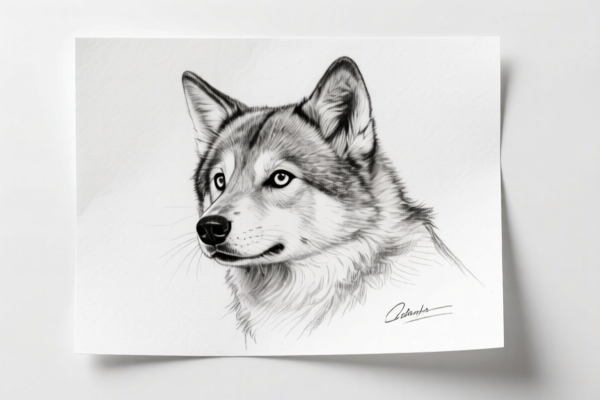
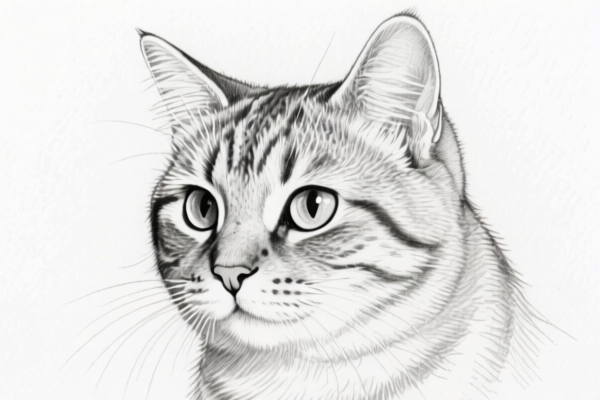
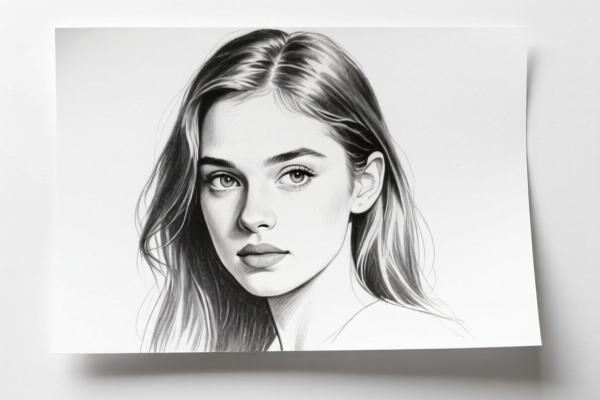
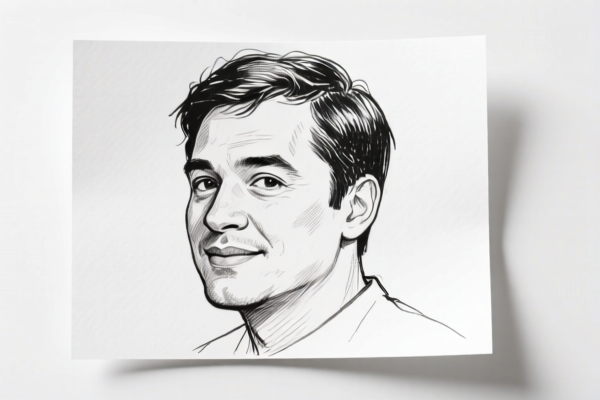
AI Analysis
🎨 Practice Drawing Paper (Sketchbooks & Art Paper)
🌐 HS Code Reference & Customs Clearance Guide | 2026 Latest Tariff Analysis | Professional Entry Strategy for Chinese Exporters
📌 I. Product Definition & Classification: Do You Really Know "Practice Drawing Paper"?
"Practice Drawing Paper" is a broad term in the art supplies industry. In international trade, its classification is not fixed but depends entirely on its physical form, binding method, and intended use. Misclassification here is the most common cause of unexpected customs duties, specifically the steep 122-clause and Section 301 tariffs.
Key Distinctions in Classification:
- Loose Sheets / Unbound Paper: If the product is simply stacks of paper without binding, it falls under Chapter 48 (Paper).
- Bound Sketchbooks / Notebooks: If the paper is stitched, glued, or stapled into a book format, it falls under Chapter 49 (Printed Matter).
- Specialized Stationery: Some specific notebook types may fall under different subheadings depending on the exact surface treatment (e.g., lined vs. blank).
⚠️ Critical Distinction Point:
- Loose Paper → Generally 4911.99.60.00 or 4911.99.80.00 (Lower Tariff).
- Bound Sketchbooks/Notebooks → Generally 4820.20.00.00 or 4820.10.40.00 (Higher Tariff).
- Letter Cards/Note Pads → 4817.20.20.00 (High Tariff, often confused with sketchbooks).
📦 II. HS Code Classification Details (2026 Latest Tariff Authority Comparison)
| HS Code | Product Description | Application Scenario | Binding Status | Total Tax Rate (US from CN) |
|---|---|---|---|---|
4911.99.60.00 |
Other printed matter, mainly for advertising, stamps, etc. | Loose high-quality sketch paper, unbound art paper sheets. | ❌ Unbound | 17.5% |
4820.20.00.00 |
Notebooks, exercise books, account books, etc. | Bound sketchbooks, spiral-bound practice books, lined practice pads. | ✅ Bound | 35.0% |
4820.10.40.00 |
Notebooks and similar articles | Specific types of bound notebooks, often with specific cover materials. | ✅ Bound | 35.0% |
4911.99.80.00 |
Other printed matter (not elsewhere specified) | Loose printed drawing paper, artistic prints on paper. | ❌ Unbound | 17.5% |
4817.20.20.00 |
Letter cards, letter paper, and note paper | Small note pads, letter-sized drawing pads, not full sketchbooks. | ⚠️ Semi-bound/Pads | 35.0% |
🔍 Key Reminder:
- Bound vs. Unbound is Decisive: If you ship "Practice Drawing Paper" as loose sheets, you can benefit from the 17.5% rate. If it is bound into a book, the rate jumps to 35.0%. - Do Not Split: If you ship bound sketchbooks, do not try to declare them as loose paper to save tax; customs will inspect and reclassify, leading to penalties.
💰 III. 2026 Latest Tariff Rate Breakdown (Including Surcharges, Policy Add-ons)
✅ Applicable Country: United States (US)
✅ Origin: China (CN)
✅ Effective Time: 2025/2026 (Includes ongoing Section 301 and IEEPA measures)
🎯 1. 4911.99.60.00 & 4911.99.80.00 —— Loose/Unbound Printed Paper (Low Tariff)
| Item | Content |
|---|---|
| Base Rate | 0% (ad valorem) |
| Section 301 Surcharge | +7.5% (From USITC Footnote 9903.88.01/related Section 301 lists) |
| IEEPA Surcharge (122 Clause) | +10% (Against China/HK products, effective from late 2025) |
| Total Tax Rate | 17.5% |
| Tax Calculation | CIF Value × 17.5% |
| De Minimis Eligibility | ❌ No (deny_de_minimis for Section 301/IEEPA goods) |
| Legal Basis Path | IEEPA:9903.01.25 → Section 301:7.5% → USITC:4911.99.60.00 |
📌 Explanation:
- Base 0%: Standard MFN rate for many printed papers. - Section 301 (7.5%): Applied to certain printed matter from China. - IEEPA (10%): The "122 Clause" tariff specifically targets Chinese goods entering the US. - Total 17.5%: This is the optimal rate for loose drawing paper.
🎯 2. 4820.20.00.00 & 4820.10.40.00 —— Bound Sketchbooks/Notebooks (High Tariff)
| Item | Content |
|---|---|
| Base Rate | 0% (ad valorem) |
| Section 301 Surcharge | +25.0% (Higher tier for stationery/notebooks) |
| IEEPA Surcharge (122 Clause) | +10% |
| Total Tax Rate | 35.0% |
| Tax Calculation | CIF Value × 35.0% |
| De Minimis Eligibility | ❌ No (deny_de_minimis) |
| Legal Basis Path | IEEPA:9901.25 → Section 301:25% → USITC:4820.20.00.00 |
📌 Note:
- The 25% Section 301 tariff is significantly higher for bound stationery items like notebooks and sketchbooks compared to loose printed matter. - This applies to any bound practice book, including spiral-bound, glued, or stapled sketchbooks. - Warning: If your product is a bound sketchbook, declaring it under4911(printed matter) is illegal and will result in severe penalties.
🎯 3. 4817.20.20.00 —— Letter Cards/Note Paper (High Tariff)
| Item | Content |
|---|---|
| Base Rate | 0% |
| Section 301 Surcharge | +25.0% |
| IEEPA Surcharge (122 Clause) | +10% |
| Total Tax Rate | 35.0% |
| Tax Calculation | CIF Value × 35.0% |
| De Minimis Eligibility | ❌ No |
| Legal Basis Path | IEEPA:9901.25 → Section 301:25% → USITC:4817.20.20.00 |
📌 Warning:
- If your "practice paper" is in the form of small notepads or letter-sized pads (not full sketchbooks), it may still fall under4817.20.20.00depending on US Customs interpretation of "note paper." - This is also subject to the 35.0% total rate. Do not confuse this with loose paper.
🛠️ IV. Customs Clearance Practical Advice (Battlefield Pitfall Guide)
✅ 1. Preparation Checklist (Cannot Be Missing)
| Document | Required | Description |
|---|---|---|
| ✅ Product Specification Sheet | ✔️ | Clearly state: Size, GSM (paper weight), Binding Type (Loose/Notebook/Spiral), Paper Type (Sketch/Newsprint/Watercolor). |
| ✅ Photos (Clear) | ✔️ | Show the product in its actual packaged form. If bound, show the binding. If loose, show the stack. |
| ✅ Commercial Invoice | ✔️ | Description must match HS Code logic: - "Loose Sketch Paper, 50 sheets" → 4911.99.60.00 - "Bound Sketchbook, 100 sheets" → 4820.20.00.00 |
| ✅ Packing List | ✔️ | Confirm net/gross weight. Ensure no mixed shipments of loose and bound paper in one box (causes classification confusion). |
| ✅ Originality Certificate | ❌ | Not always required, but helpful for proving origin if applying for any potential exemptions (though rare for China). |
✅ 2. Declaration Tips (Key Mantras)
🔥 "Bound is Notebook, Loose is Print; 35% vs 17.5%, Don't Pretend!"
| Scenario | Correct Declaration | Wrong Practice |
|---|---|---|
| Loose Sheets | "Unbound Sketch Paper, 100x150cm, 200gsm" → 4911.99.60.00 |
Declaring as "Notebook" → Unnecessary 35% tax. |
| Bound Sketchbook | "Spiral-bound Sketchbook, 20 sheets, for artistic practice" → 4820.20.00.00 |
Declaring as "Loose Paper" → Customs Seizure/Reclassification. |
| Notepad/Letter Pad | "Note Paper, 8.5x11, 50 sheets, bound" → 4817.20.20.00 |
Declaring as "Notebook" → Minor discrepancy, but still 35%. |
| Mixed Box | Separate! | Mixing loose and bound in one HS Code declaration → Audit Risk. |
✅ 3. Special Case Handling
| Situation | Handling Advice |
|---|---|
| Sample Boxes | Even samples are subject to duties if declared formally. Use "De Minimis" only if under $800 AND not on the restricted list (Sketchbooks often are restricted for Section 301). |
| Watercolor Paper | If sold as loose sheets, it may still fall under 4911.99.60.00 (17.5%). If bound in a block, it falls under 4820.20.00.00 (35%). |
| Children's Drawing Pads | If marketed as "Exercise Books" for schools, it may fall under 4820.10.40.00 (35%). |
| Custom/Branded Paper | Branding does not change the HS Code. Focus on physical form (bound vs. unbound). |
🌍 V. Global Market Customs Comparison (2026 Latest)
| Country/Region | Recommended HS Code | Tax Rate | Certification | Notes |
|---|---|---|---|---|
| 🇺🇸 USA | 4911.99.60.00 (Loose) / 4820.20.00.00 (Bound) |
17.5% / 35.0% | None specific | Highest Tariff Risk due to Section 301 + IEEPA. |
| 🇨🇳 China | 4911.99.60.00 / 4820.20.00.00 |
0% - 5% | CCC (if specific types) | No Section 301 tariffs. |
| 🇪🇺 EU | 4820.20.00.00 |
0% - 4% | CE (if toy-related) | No major surcharges for paper. |
| 🇬🇧 UK | 4820.20.00.00 |
0% - 4% | UKCA (if applicable) | Post-Brexit tariffs generally low for paper. |
| 🇦🇺 Australia | 4820.20.00.00 |
5% | RCM | No high surcharges. |
📌 Conclusion:
- USA is the only major market with punitive tariffs for Chinese paper products. - Cost Savings Strategy: If possible, design your product line to include loose sheets (e.g., refill packs) to qualify for the 17.5% rate, rather than always selling bound books at 35.0%.
📌 VI. Common Mistakes & Pitfall Guide (Lessons Learned)
❌ Mistake 1: Declaring a bound sketchbook as "Paper Sheets" to avoid the 25% Section 301 tariff.
👉 Consequence: Customs inspection will reveal the binding. Penalty + Back Taxes + Delay.
❌ Mistake 2: Assuming all "Art Paper" is the same HS Code.
👉 Consequence: Watercolor blocks (bound) are taxed differently than loose watercolor sheets. Overpayment or Underpayment.
❌ Mistake 3: Ignoring the "122 Clause" IEEPA 10%.
👉 Consequence: Many importers calculate only Section 301. The total is 35% or 17.5%, not 25% or 7.5%. Budget Error.
❌ Mistake 4: Mixing "Notebooks" and "Loose Paper" in one shipment under one HS Code.
👉 Consequence: Customs will reclassify the entire shipment to the higher tax rate (35.0%) or require a full breakdown. High Risk.
✅ Correct Practice:
"Loose Sketch Paper, 50 Sheets, Unbound, for Art Practice" →
4911.99.60.00(17.5%)
"Spiral Sketchbook, 100 Sheets, Bound, for Art Practice" →4820.20.00.00(35.0%)
🎯 VII. Conclusion: Professional Declaration, Save Cost, Avoid Risk!
🎯 Remember the Mantra:
🔹 "Bound is 35%, Loose is 17.5%; Don't Risk the Audit, Play it Straight!"
🔹 "Check the Binding, Check the Tariff; 17.5% vs 35%, Save Thousands per Container!"
📌 Pro Tip:
If your product is 100% bound sketchbooks, consider if you can offer "Refill Paper Packs" (loose sheets) as an alternative product line to target price-sensitive customers in the US market. The 17.5% vs 35.0% difference is massive.
📣 Immediate Action:
📞 Consult with a licensed US customs broker for a Pre-Ruling if your product is hybrid (e.g., paper with a cardboard cover but not fully bound).
🚀 Ensure your Commercial Invoice description explicitly states "Unbound" or "Bound" to match the HS Code.
✨ Professional Clearance Starts with Accurate Classification!
💼 Every Point of Tax Difference is Pure Profit!
Customer Reviews
About HS Code Classification
The Harmonized System (HS) is an internationally standardized nomenclature developed by the World Customs Organization (WCO) to classify traded products. Over 200 countries use the HS system as the basis for customs tariffs, trade statistics, and import/export regulations.
Each HS code follows a hierarchical structure:
- Chapter (2 digits) — Broad category of goods (e.g., Chapter 84: Machinery and Mechanical Appliances)
- Heading (4 digits) — More specific grouping within the chapter
- Subheading (6 digits) — Internationally standardized breakdown, used by all WCO member countries
- National subdivisions (8-10 digits) — Country-specific extensions for further classification, such as US HTSUS 10-digit codes
Correct HS code classification is essential for smooth customs clearance, accurate duty payment, and compliance with trade regulations. Misclassification can lead to customs delays, overpayment of duties, or penalties.
When importing from CN to US, the applicable tariff rates may include:
- Most-Favored-Nation (MFN) rate — The standard duty rate applied to WTO members
- General rate — Applied to countries without trade agreements
- Trade remedy duties — Additional tariffs such as Section 301 (anti-dumping), Section 232 (national security), or countervailing duties
The information provided on this page is for reference purposes only. For official classification, please consult with your local customs authority or a licensed customs broker.