Prayer Mat
CN → US| HS Code | Tariff Rate | Origin | Destination | Doc |
|---|---|---|---|---|
| 6302991000 | 20.2% | CN | US | Official Doc |
| 6302992000 | 18.4% | CN | US | Official Doc |
| 5007200015 | 35.0% | CN | US | Official Doc |
| 5007903090 | 35.8% | CN | US | Official Doc |
| 9404909623 | 17.3% | CN | US | Official Doc |
Product Images
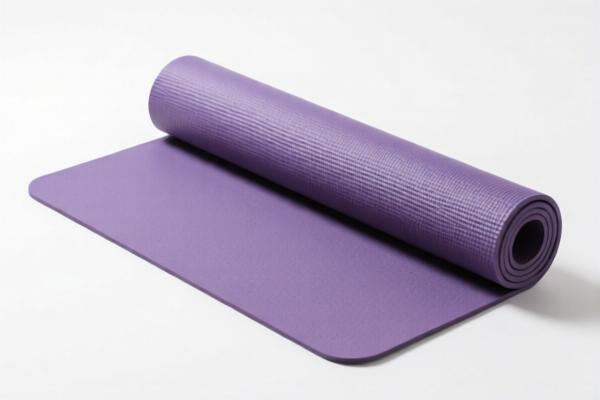
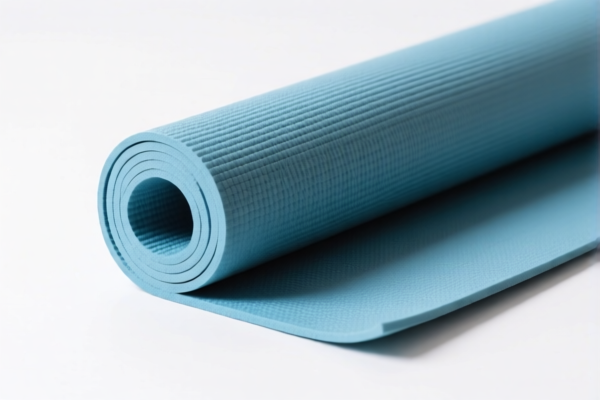
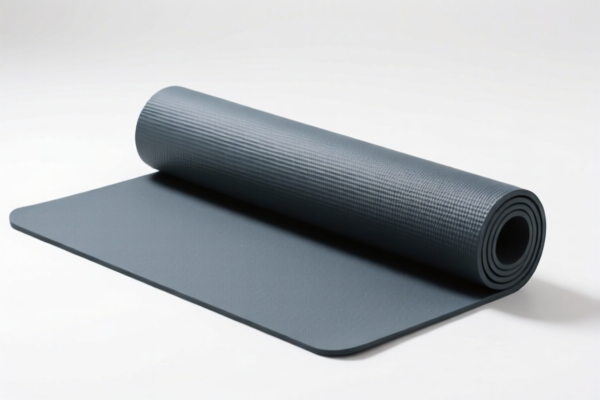
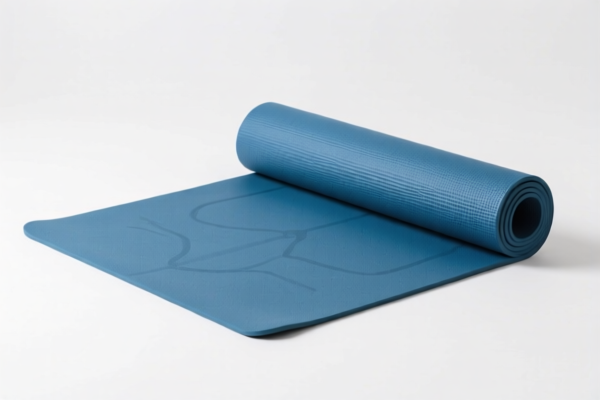
AI Analysis
🧘 Prayer Mats (Silk & Textile Mats)
🌐 HS Code Reference & Customs Clearance Guide | 2026 Latest Tariff Analysis | Professional Clearance Strategy
📌 Part 1: Product Definition & Classification: What Exactly Is a "Prayer Mat"?
A prayer mat is a textile product specifically designed for religious ritual use. In international trade, its classification depends heavily on material composition and specific use category.
Silk Prayer Mats: Made primarily of silk, these are often classified under general textile categories (Chapter 50) or specific textile article categories (Chapter 63), depending on the weave and percentage of silk content.
⚠️ Key Distinction Point:
- If the item is classified as a "textile article" (e.g., bedding, hygiene, or kitchen use) → It falls under Chapter 63 (Lower Base Duty).
- If the item is classified as a "woven fabric" containing ≥85% silk → It falls under Chapter 50 (High Base Duty).
- If it is a "specialty textile" with high silk weight → It may fall under Chapter 94 (Furniture/Accessory category, potentially lower tax).
📦 Part 2: HS Code Classification Details (2026 Latest Tariff Authority Comparison)
Based on the provided data for Silk Prayer Mats, here are the four possible classifications:
| HS Code | Product Description | Application Scenario | Silk Content/Structure | Total Tax Rate |
|---|---|---|---|---|
6302.99.10.00 |
Silk Prayer Mat: Textile article for bed, hygiene, or kitchen use (Mat type) | General religious textile, categorized under household/health textiles | Defined as "Textile Article" | 20.2% |
6302.99.20.00 |
Silk Prayer Mat: Other textile materials/article (Mat type) | Generic textile classification fallback | No specific material constraint mentioned | 18.4% |
5007.20.00.15 |
Silk Prayer Mat: Woven fabric product | Classified as fabric based on inference principles | Fabric form, general category | 35.0% |
5007.90.30.90 |
Silk Prayer Mat: Woven fabric, ≥85% Silk content | High-silk content woven textile | ≥85% Silk | 35.8% |
9404.90.96.23 |
Silk Prayer Mat: Other textile material, High Silk Weight | Specialty textile, high silk weight ratio | High silk weight, "Other" category | 17.3% |
🔍 Critical Insight:
- Chapter 63 (6302...) offers the lowest total tax rates (18.4% - 20.2%) because it treats the mat as a finished "textile article" rather than raw fabric. - Chapter 50 (5007...) carries the highest total tax rates (35.0% - 35.8%) because it classifies the item as "woven fabric" with high silk content, triggering significant USITC duties. - Chapter 94 (9404...) offers the absolute lowest total tax rate (17.3%) but requires strict compliance with the "high silk weight" and "other textile material" criteria.
💰 Part 3: 2026 Latest Tariff Rate Breakdown (Including Additional Taxes & Policy Add-ons)
✅ Applicable Country: United States (US)
✅ Origin: China (CN)
✅ Effective Time: Includes subsequent imports from Nov 10, 2025, onwards
🎯 1. 6302.99.10.00 —— Silk Prayer Mat (Textile Article for Bed/Hygiene/Kitchen)
| Item | Content |
|---|---|
| Base Tariff | 2.7% |
| Section 301 Additional Tariff | +7.5% |
| Section 122 Additional Tariff | +10% |
| Total Tax Rate | 20.2% |
| Tax Calculation | CIF Value × 20.2% |
| De Minimis Exemption | ❌ Not Eligible (Likely due to Section 301/122 applicability) |
| Legal Basis Path | Base:2.7 → Sec301:7.5 → Sec122:10 → USITC:6302.99.10.00 |
📌 Explanation:
- The base duty is low because it is considered a finished textile article. - However, Section 301 (7.5%) and Section 122 (10%) add-ons significantly increase the cost.
🎯 2. 6302.99.20.00 —— Silk Prayer Mat (Other Textile Material/Article)
| Item | Content |
|---|---|
| Base Tariff | 8.4% |
| Section 301 Additional Tariff | 0.0% |
| Section 122 Additional Tariff | +10% |
| Total Tax Rate | 18.4% |
| Tax Calculation | CIF Value × 18.4% |
| De Minimis Exemption | ❌ Not Eligible |
| Legal Basis Path | Base:8.4 → Sec301:0 → Sec122:10 → USITC:6302.99.20.00 |
📌 Note:
- This code has a higher base duty (8.4%) but no Section 301 duty. - Total rate (18.4%) is the lowest among Chapter 63 codes, making it potentially the most cost-effective if the product fits this description.
🎯 3. 5007.20.00.15 —— Silk Prayer Mat (Woven Fabric Product)
| Item | Content |
|---|---|
| Base Tariff | 0.0% |
| Section 301 Additional Tariff | +25.0% |
| Section 122 Additional Tariff | +10% |
| Total Tax Rate | 35.0% |
| Tax Calculation | CIF Value × 35.0% |
| De Minimis Exemption | ❌ Not Eligible |
| Legal Basis Path | Base:0 → Sec301:25 → Sec122:10 → USITC:5007.20.00.15 |
📌 Warning:
- Even with a 0% base duty, the 25% Section 301 tariff makes this highly expensive. - Avoid this classification unless the product is strictly defined as uncut woven fabric.
🎯 4. 5007.90.30.90 —— Silk Prayer Mat (Woven Fabric, ≥85% Silk)
| Item | Content |
|---|---|
| Base Tariff | 0.8% |
| Section 301 Additional Tariff | +25.0% |
| Section 122 Additional Tariff | +10% |
| Total Tax Rate | 35.8% |
| Tax Calculation | CIF Value × 35.8% |
| De Minimis Exemption | ❌ Not Eligible |
| Legal Basis Path | Base:0.8 → Sec301:25 → Sec122:10 → USITC:5007.90.30.90 |
📌 Warning:
- Highest total tax rate (35.8%). - Triggered by ≥85% silk content being classified as a "woven fabric" rather than a finished article.
🎯 5. 9404.90.96.23 —— Silk Prayer Mat (Other Textile, High Silk Weight)
| Item | Content |
|---|---|
| Base Tariff | 7.3% |
| Section 301 Additional Tariff | 0.0% |
| Section 122 Additional Tariff | +10% |
| Total Tax Rate | 17.3% |
| Tax Calculation | CIF Value × 17.3% |
| De Minimis Exemption | ❌ Not Eligible |
| Legal Basis Path | Base:7.3 → Sec301:0 → Sec122:10 → USITC:9404.90.96.23 |
📌 Optimal Choice?:
- Lowest Total Tax Rate (17.3%). - Requires proof that the mat is "other textile material" with high silk weight and fits Chapter 94 (furniture/accessories category). - No Section 301 duty applies here.
🛠️ Part 4: Customs Clearance Practical Advice (Real-World Pitfall Guide)
✅ 1. Document Checklist (Mandatory)
| Document | Required | Explanation |
|---|---|---|
| ✅ Product Specification | ✔️ | Must detail material (Silk), dimensions, and silk percentage. |
| ✅ Composition Certificate | ✔️ | Critical to prove if silk content is <85% or ≥85%. Determines Chapter 63 vs. 50. |
| ✅ Product Photos | ✔️ | Show the mat’s structure: Is it a finished article (Chapter 63/94) or raw fabric (Chapter 50)? |
| ✅ Commercial Invoice | ✔️ | Clear description: "Silk Prayer Mat, Textile Article, Not Woven Fabric." |
| ✅ Packing List | ✔️ | Ensure no missing components that could be classified separately. |
✅ 2. Declaration Strategy (Key Tips)
🔥 “Declare as Article, Not Fabric! Avoid the 301 Trap!”
| Scenario | Correct Declaration | Incorrect Declaration |
|---|---|---|
| Finished Mat | Use 6302.99.20.00 or 9404.90.96.23 |
Declare as "Silk Fabric" → 5007... (35%+ Tax) |
| High Silk Content | Prove it’s an "Article" not "Fabric" to stay in Ch. 63/94 | Admit ≥85% silk without structure proof → 5007.90.30.90 (35.8% Tax) |
| Section 301 Avoidance | Target codes with 0% Sec301 (6302.99.20.00, 9404.90.96.23) |
Use codes with 25% Sec301 (5007...) |
✅ 3. Special Case Handling
| Situation | Handling Advice |
|---|---|
| OEM Custom Mats | Provide design specs showing it’s a finished good, not cut fabric. |
| Mixed Materials | If silk is <85%, argue for Chapter 63 to avoid high Sec301 duties. |
| "Other Textile" Argument | For 9404.90.96.23, provide evidence that the mat is a "specialty textile accessory" to justify Chapter 94 classification. |
| Origin Documentation | Ensure Certificate of Origin confirms China origin to accurately apply Section 122 (10%). |
🌍 Part 5: Global Market Comparison (2026 Latest)
| Country/Region | Recommended HS Code | Tariff (China Origin) | Key Requirement | Note |
|---|---|---|---|---|
| 🇺🇸 USA | 9404.90.96.23 |
17.3% (Lowest) | High silk weight, Ch. 94 fit | Avoid Ch. 50 (35%+) |
| 🇺🇸 USA | 6302.99.20.00 |
18.4% (Second Lowest) | Textile article, Ch. 63 | Good fallback |
| 🇺🇸 USA | 5007.90.30.90 |
35.8% (Highest) | ≥85% Silk, Woven Fabric | Avoid if possible |
| 🇪🇺 EU | Varies by Content | ~5-8% | CE, RoHS | No Section 301/122 |
| 🇨🇳 China | Varies | ~5-10% | CCC (if applicable) | Lower baseline |
📌 Conclusion:
- USA is the highest-cost market due to Section 301 and Section 122 tariffs. - Strategic Classification between Chapter 63 and 94 can save ~15-18% in total taxes compared to Chapter 50. - China-origin goods face significant add-ons, making precise HS code selection critical.
📌 Part 6: Common Errors & Pitfalls (Blood Lessons)
❌ Error 1: Classifying a finished prayer mat as "Woven Fabric" (5007...)
👉 Consequence: Tax jumps from 17.3% to 35.8% → Profit loss!
❌ Error 2: Ignoring Section 122 Tariff (10%)
👉 Consequence: Under-declaration → Penalties & Delays
❌ Error 3: Failing to prove Silk Content <85% for Chapter 63
👉 Consequence: Customs reclassifies to Chapter 50 → Additional 15-18% tax
❌ Error 4: Using vague descriptions like "Silk Mat"
👉 Consequence: Customs ambiguity → Audit Risk & Delays
✅ Correct Approach:
"Silk Prayer Mat, Finished Textile Article, Not Woven Fabric, For Religious Use, Silk Content: XX% (Prove <85% if using Ch. 63)"
🎯 Part 7: Conclusion: Professional Declaration, Save Costs!
🎯 Remember the Mantra:
🔹 "Article not Fabric, Chapter 63/94 is Key!"
🔹 "Avoid Chapter 50, Save 18% Tax!"
🔹 "Section 301 is the Enemy, Section 122 is the Cost!"
📌 Pro Tip:
If your silk prayer mat can be classified under 9404.90.96.23 (17.3%) or 6302.99.20.00 (18.4%), prioritize these codes. Avoid 5007... codes unless absolutely necessary.
Apply for an Advance Ruling from US Customs to confirm the classification before shipping!
📣 Immediate Action:
📞 Consult a licensed customs broker.
📄 Provide composition certificates and product photos.
🚀 Secure the lowest tariff rate (17.3%) and ensure smooth clearance!
✨ Professional Customs Clearance Starts with Accurate Classification!
💼 Every Percent Saved is Pure Profit!
Customer Reviews
About HS Code Classification
The Harmonized System (HS) is an internationally standardized nomenclature developed by the World Customs Organization (WCO) to classify traded products. Over 200 countries use the HS system as the basis for customs tariffs, trade statistics, and import/export regulations.
Each HS code follows a hierarchical structure:
- Chapter (2 digits) — Broad category of goods (e.g., Chapter 84: Machinery and Mechanical Appliances)
- Heading (4 digits) — More specific grouping within the chapter
- Subheading (6 digits) — Internationally standardized breakdown, used by all WCO member countries
- National subdivisions (8-10 digits) — Country-specific extensions for further classification, such as US HTSUS 10-digit codes
Correct HS code classification is essential for smooth customs clearance, accurate duty payment, and compliance with trade regulations. Misclassification can lead to customs delays, overpayment of duties, or penalties.
When importing from CN to US, the applicable tariff rates may include:
- Most-Favored-Nation (MFN) rate — The standard duty rate applied to WTO members
- General rate — Applied to countries without trade agreements
- Trade remedy duties — Additional tariffs such as Section 301 (anti-dumping), Section 232 (national security), or countervailing duties
The information provided on this page is for reference purposes only. For official classification, please consult with your local customs authority or a licensed customs broker.