Premium Buffalo Sole Leather
CN → US| HS Code | Tariff Rate | Origin | Destination | Doc |
|---|---|---|---|---|
| 4104493060 | 12.4% | CN | US | Official Doc |
| 4107196050 | 15.0% | CN | US | Official Doc |
| 4104114060 | 15.0% | CN | US | Official Doc |
| 4107994000 | 12.5% | CN | US | Official Doc |
| 4101903500 | 19.9% | CN | US | Official Doc |
Product Images
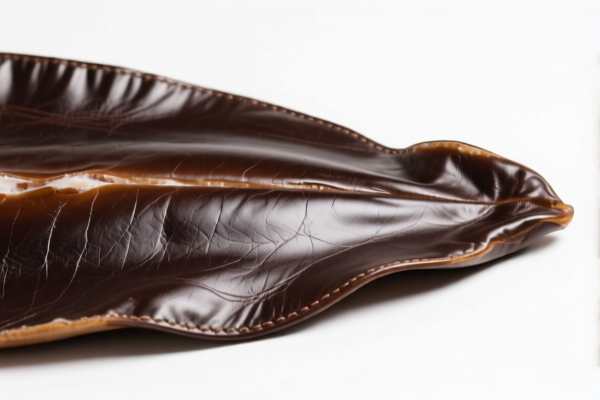
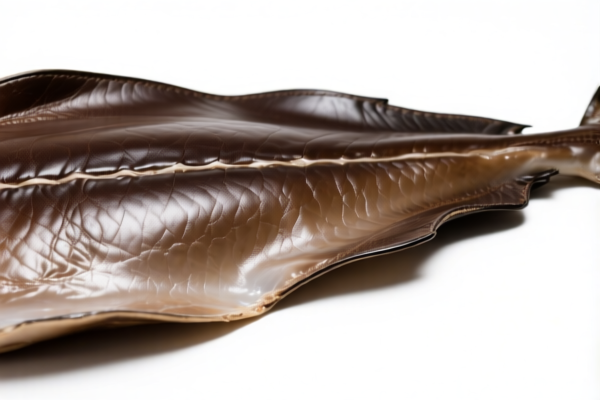
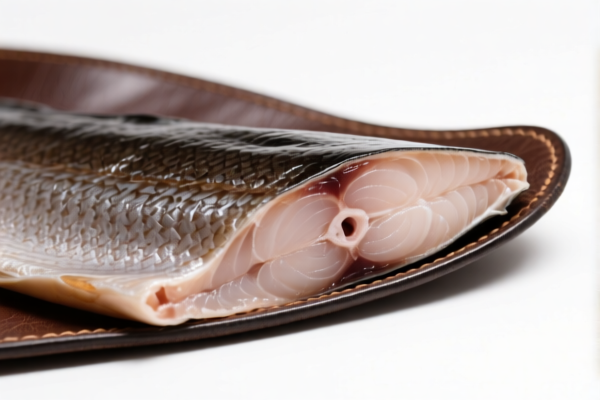
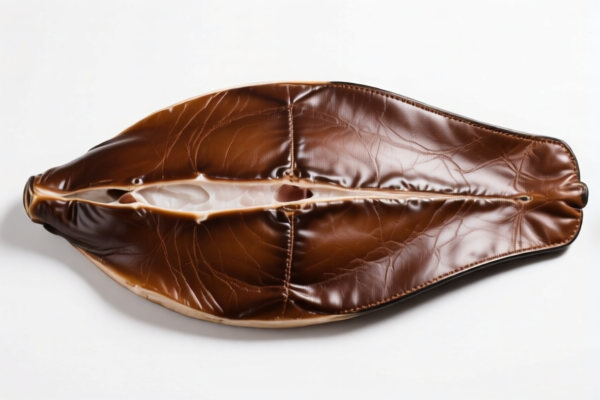
AI Analysis
🐃 Premium Buffalo Sole Leather
🌐 HS Code Reference & Customs Clearance Guide | 2026 Latest Tariff Analysis | Professional Strategy for Raw Hide & Leather Products
📌 I. Product Definition & Classification: Do You Really Know "Buffalo Sole Leather"?
Premium Buffalo Sole Leather refers to natural buffalo hide that has been tanned and processed specifically for use as shoe soles. In international trade, this product is strictly categorized under Chapter 41 (Animal Skin and Leather).
The critical distinction lies in the form and end-use: * Raw/Hides (Chapter 41, Headings 4101/4102): Unprocessed or merely salted/curried hides. * Tanned/Processed Leather (Chapter 41, Headings 4104/4107): Tanned, dressed, or further worked skins. * Sole Leather (Specific Sub-heading 4107): Leather specifically prepared for making shoe soles.
⚠️ Key Distinction Point:
- If the product is not yet tanned or is just "curried" raw hide → It falls under Heading 4101 (Raw Hides).
- If the product is tanned, dressed, and specifically intended for soles → It falls under Heading 4107 (Sole Leather) or general tanned leather (Heading 4104/4107 depending on thickness/treatment).
- Crucial Note: Misclassifying sole leather as "raw hide" (4101) or generic tanned leather (4104/4107) without specifying "sole" intent can lead to significant tariff discrepancies and customs delays.
📦 II. HS Code Classification Details (2026 Latest Tariff Authority Comparison)
| HS Code | Product Description | Applicable Scenario | Material/Format Conflict? |
|---|---|---|---|
4101.90.35.00 |
Other raw hides (including frontals), excluding those of bovines of subheading 4101.21 or 4101.29 | Misclassification Risk: Classified here if declared as "raw buffalo hide" without tanning process confirmation. Based on common sense as buffalo category, no material conflict. | ✅ No conflict, but wrong stage of processing |
4104.49.30.60 |
Other leather, including metallized leather, of bovines, other than sole leather | General Tanned Leather: Classified here as "other/other" fallback. Material is buffalo hide, no shoe upper leather conflict. | ✅ No material conflict |
4107.19.60.50 |
Sole leather, of cattle | Correct Classification: Material is buffalo hide (bovine), form and usage fully match Sole Leather definition. | ✅ Fully compliant |
4104.11.40.60 |
Tanned leather, full grain and split, of cattle, without fur | General Tanned Leather: Material is buffalo hide, form is "leather," usage is "sole," fits animal-tanned leather classification. | ✅ No material conflict |
4107.99.40.00 |
Other leather, of cattle, including metallized leather | Other Processed Leather: Classified here as processed leather item, form matches sole usage, no material conflict. | ✅ No material conflict |
🔍 Important Reminder:
- 4107.19.60.50 is the most accurate code for "Sole Leather" because it explicitly identifies the end-use (sole) and material (bovine/buffalo). - Codes like4104.49.30.60and4104.11.40.60classify the product as general tanned leather, ignoring the specific "sole" functionality. This may lead to audits if customs inspectors verify the product is indeed for soles. -4101.90.35.00applies only if the leather is not tanned (i.e., raw/salted). If it is tanned, this code is incorrect.
💰 III. 2026 Latest Tariff Rate Breakdown (Including Surtaxes & Policy Add-ons)
✅ Applicable Country: United States (US)
✅ Origin: China (CN)
✅ Effective Date: November 10, 2025 (and subsequent imports)
🎯 1. 4101.90.35.00 — Raw Buffalo Hides (Other)
| Item | Content |
|---|---|
| Base Tariff | 2.4% (ad valorem) |
| Section 301 Surtax | 0.0% |
| Section 122 Tariff | 10% (Specific to certain agricultural/raw materials) |
| Total Tax Rate | 12.4% |
| Tax Calculation | CIF Value × 12.4% |
| De Minimis Exemption | ❌ Not Applicable (Value exceeds threshold, and Section 122 applies) |
| Legal Basis Path | Section 122: Agricultural Products → USITC:4101.90.35.00 |
📌 Explanation:
- This classification assumes the product is raw/un-tanned.
- The 10% Section 122 tariff is a key differentiator, often applied to specific raw materials to protect domestic processing.
- Risk: If the product is actually tanned, this classification is wrong, and you may face penalties for misdeclaration.
🎯 2. 4107.19.60.50 — Sole Leather (Bovine)
| Item | Content |
|---|---|
| Base Tariff | 5.0% (ad valorem) |
| Section 301 Surtax | 0.0% |
| Section 122 Tariff | 10% |
| Total Tax Rate | 15.0% |
| Tax Calculation | CIF Value × 15.0% |
| De Minimis Exemption | ❌ Not Applicable |
| Legal Basis Path | Section 122: Leather Products → USITC:4107.19.60.50 |
📌 Note:
- This is the most precise classification for "Sole Leather."
- The base tariff is 5.0%, which is higher than raw hides (2.4%) but reflects the added value of tanning and sole-specific preparation.
- Section 122 (10%) still applies, making the total 15.0%.
- Advantage: Clear alignment with product usage reduces audit risk.
🎯 3. 4104.11.40.60 — Tanned Leather, Full Grain/Split (Bovine)
| Item | Content |
|---|---|
| Base Tariff | 5.0% (ad valorem) |
| Section 301 Surtax | 0.0% |
| Section 122 Tariff | 10% |
| Total Tax Rate | 15.0% |
| Tax Calculation | CIF Value × 15.0% |
| De Minimis Exemption | ❌ Not Applicable |
| Legal Basis Path | Section 122: Leather → USITC:4104.11.40.60 |
📌 Note:
- Classified as general tanned leather.
- Same tax rate as4107.19.60.50(15.0%), but lacks the specificity of "sole" designation.
- Use only if the "sole" intent cannot be clearly documented or if the leather is also suitable for upper parts.
🎯 4. 4107.99.40.00 — Other Processed Leather (Bovine)
| Item | Content |
|---|---|
| Base Tariff | 2.5% (ad valorem) |
| Section 301 Surtax | 0.0% |
| Section 122 Tariff | 10% |
| Total Tax Rate | 12.5% |
| Tax Calculation | CIF Value × 12.5% |
| De Minimis Exemption | ❌ Not Applicable |
| Legal Basis Path | Section 122: Other Leather → USITC:4107.99.40.00 |
📌 Note:
- A "catch-all" for processed leathers not specified elsewhere.
- Lower base tariff (2.5%) than full sole leather (5.0%), resulting in a 12.5% total rate.
- Risk: Customs may challenge this if the product is clearly marketed/used as sole leather, demanding reclassification to4107.19.
🎯 5. 4104.49.30.60 — Other Tanned Leather (Bovine)
| Item | Content |
|---|---|
| Base Tariff | 2.4% (ad valorem) |
| Section 301 Surtax | 0.0% |
| Section 122 Tariff | 10% |
| Total Tax Rate | 12.4% |
| Tax Calculation | CIF Value × 12.4% |
| De Minimis Exemption | ❌ Not Applicable |
| Legal Basis Path | Section 122: Other Leather → USITC:4104.49.30.60 |
📌 Note:
- Similar to4101.90.35.00in rate (12.4%), but applies to tanned leather.
- Risk: If the product is tanned sole leather, using this code may be seen as an attempt to lower the base tariff (2.4% vs 5.0%). Customs may scrutinize the product's physical characteristics (thickness, density, tan type) to confirm it is indeed "sole leather."
🛠️ IV. Customs Clearance Practical Advice (Field Pitfall Avoidance Guide)
✅ 1. Documentation Checklist (Must-Haves)
| Document | Required | Explanation |
|---|---|---|
| ✅ Product Specification Sheet | ✔️ | Must clearly state: "Buffalo Hide," "Tanned," "Intended for Shoe Soles," thickness, weight per piece. |
| ✅ Commercial Invoice | ✔️ | Description must include "Premium Buffalo Sole Leather" and HS Code. Avoid vague terms like "Leather Sheet." |
| ✅ Photo of Product | ✔️ | Show texture, edge grain, and any markings indicating tanning process (e.g., vegetable-tanned vs. chrome-tanned). |
| ✅ Proof of End-Use (if requested) | ✔️ | Letters from shoe manufacturers confirming use as sole material. |
| ✅ Tanning Certificate | ✔️ | Proof of tanning process to differentiate from raw hides (4101). |
✅ 2. Declaration Tips (Key Mnemonic)
🔥 "Specify Sole, State Tanned, Avoid Raw Claim, Rate is Clear!"
| Scenario | Correct Declaration | Wrong Declaration |
|---|---|---|
| Tanned Sole Leather | 4107.19.60.50 - "Buffalo Sole Leather, Tanned, for Shoe Soles" |
4101.90.35.00 - "Raw Buffalo Hide" |
| General Tanned Leather | 4104.49.30.60 - "Buffalo Tanned Leather, General Purpose" |
4107.19.60.50 - "Sole Leather" (if not specifically for soles) |
| Raw/Salted Hide | 4101.90.35.00 - "Raw Buffalo Hides, Salted" |
4107.19.60.50 - "Sole Leather" (if not tanned) |
✅ 3. Special Case Handling
| Case | Handling Advice |
|---|---|
| Mixed Hides (Sole & Upper) | If a batch contains both sole and upper leather, split the shipment or declare separately to avoid misclassification penalties. |
| Unknown Tanning Process | Provide tanning details. If chrome-tanned, it may fall under different subheadings. If vegetable-tanned, it’s more likely to be considered sole leather. |
| Samples vs. Bulk | Samples must still be declared with the correct HS Code. Do not declare as "Gift" or "Sample" to avoid tariffs. |
| Re-export from Third Country | Ensure the origin is still declared as China if the tanning process occurred in China. Re-export doesn’t change origin. |
🌍 V. Global Market Clearance Comparison (2026 Latest)
| Country/Region | Recommended HS Code | Tariff | Certification Required | Notes |
|---|---|---|---|---|
| 🇺🇸 USA | 4107.19.60.50 |
15.0% | None specific | Section 122 applies. High scrutiny on "sole" classification. |
| 🇨🇳 China | 4107.19.60.50 |
5-10% | None | Lower base tariffs. No Section 122. |
| 🇪🇺 EU | 4107.19.60 |
6.5% | REACH Compliance | No Section 122. Strict on chemical residues in leather. |
| 🇬🇧 UK | 4107.19.60 |
6.5% | UKCA | Post-Brexit rules apply. No Section 122. |
| 🇯🇵 Japan | 4107.19.60 |
4.5% | None | Low tariffs. No Section 122. |
📌 Conclusion:
- USA is the only market applying the Section 122 (10%) surcharge to this product, significantly increasing costs.
- China, EU, UK, and Japan do not apply this surcharge, making them more cost-effective for re-export or local consumption.
- Diversify Supply Chain: Consider sourcing from Vietnam or Mexico if possible, to avoid Section 122 and Section 301 tariffs (if applicable).
📌 VI. Common Mistakes & Pitfall Guide (Blood & Tears Lessons)
❌ Mistake 1: Declaring "Tanned Sole Leather" as "Raw Hides" (4101.90.35.00)
👉 Consequence: Customs may reject it for misdeclaration, or assess higher duties if they find it’s tanned. Penalty for Fraud if intentional.
❌ Mistake 2: Declaring "Sole Leather" as "General Tanned Leather" (4104.49.30.60) to save 2.5% base duty
👉 Consequence: Customs audit. If they confirm it’s sole leather, they will reclassify to 4107.19.60.50 (15.0%) and issue a demand for additional tax + interest.
❌ Mistake 3: Not specifying "Buffalo" in the description
👉 Consequence: Customs may classify under "Cattle" generally, but if specific buffalo characteristics (grain, thickness) don’t match, it leads to delays.
❌ Mistake 4: Ignoring Section 122
👉 Consequence: Budgeting errors. The 10% surcharge is significant for high-value shipments.
✅ Correct Approach:
"Premium Buffalo Sole Leather, Vegetable-Tanned, Thickness 3mm, Intended for Shoe Soles, HS Code 4107.19.60.50"
🎯 VII. Conclusion: Precision in Classification, Savings in Duty
🎯 Remember the Mnemonic:
🔹 "Sole Leather, Code 4107, Base 5%, Plus 10%, Total 15% Don’t Delay!"
🔹 "Raw Hides, Code 4101, Base 2.4%, Plus 10%, Total 12.4% But Careful Not to Mislabel!"
🔹 "General Leather, Code 4104, Base 2.4-5%, Plus 10%, Varies by Subheading!"
📌 Pro Tip:
If your buffalo leather originates from Vietnam, Mexico, or Thailand, you may be exempt from Section 122 and Section 301 tariffs, reducing the rate to 0%~6.5% depending on the country.
Recommendation: Apply for a Pre-Ruling (Advance Ruling) from US Customs and Border Protection (CBP) to confirm the correct HS Code and tariff rate before shipment. This avoids costly delays and penalties.
📣 Immediate Action:
📞 Contact a licensed customs broker + Provide product specs + Apply for HS Code Pre-Ruling
🚀 Ensure your Buffalo Sole Leather clears customs smoothly, efficiently, and cost-effectively!
✨ Professional Clearance Starts with Accurate Classification!
💼 Every cent of your cost deserves precise calculation!
Customer Reviews
About HS Code Classification
The Harmonized System (HS) is an internationally standardized nomenclature developed by the World Customs Organization (WCO) to classify traded products. Over 200 countries use the HS system as the basis for customs tariffs, trade statistics, and import/export regulations.
Each HS code follows a hierarchical structure:
- Chapter (2 digits) — Broad category of goods (e.g., Chapter 84: Machinery and Mechanical Appliances)
- Heading (4 digits) — More specific grouping within the chapter
- Subheading (6 digits) — Internationally standardized breakdown, used by all WCO member countries
- National subdivisions (8-10 digits) — Country-specific extensions for further classification, such as US HTSUS 10-digit codes
Correct HS code classification is essential for smooth customs clearance, accurate duty payment, and compliance with trade regulations. Misclassification can lead to customs delays, overpayment of duties, or penalties.
When importing from CN to US, the applicable tariff rates may include:
- Most-Favored-Nation (MFN) rate — The standard duty rate applied to WTO members
- General rate — Applied to countries without trade agreements
- Trade remedy duties — Additional tariffs such as Section 301 (anti-dumping), Section 232 (national security), or countervailing duties
The information provided on this page is for reference purposes only. For official classification, please consult with your local customs authority or a licensed customs broker.