Premium Cowhide Leather Sheet
CN → US| HS Code | Tariff Rate | Origin | Destination | Doc |
|---|---|---|---|---|
| 4107998000 | 12.4% | CN | US | Official Doc |
| 4107117090 | 15.0% | CN | US | Official Doc |
| 4107111020 | 35.0% | CN | US | Official Doc |
| 4107113000 | 13.6% | CN | US | Official Doc |
| 6403999055 | 20.0% | CN | US | Official Doc |
Product Images
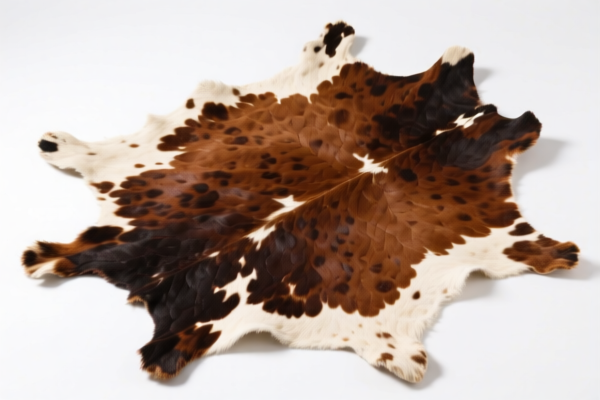
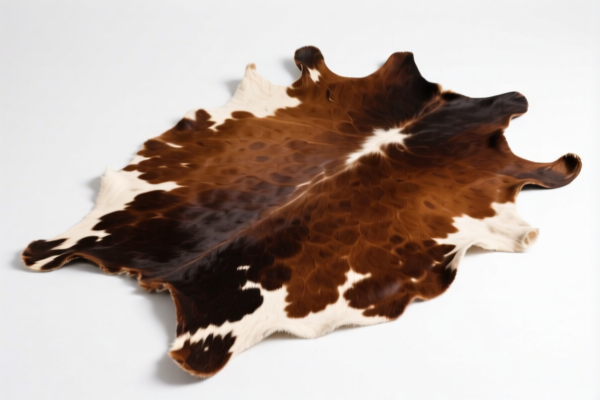
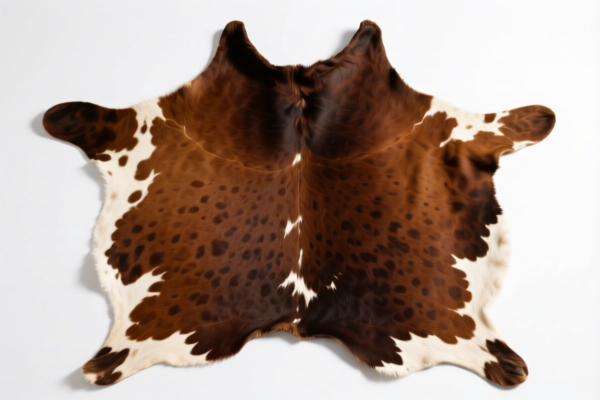
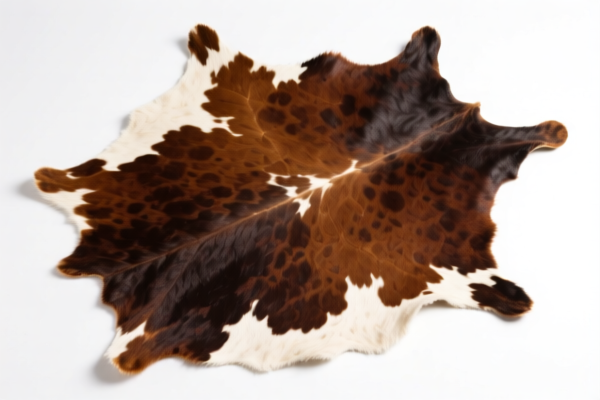
AI Analysis
🧥 Premium Cowhide Leather Sheet
🌐 HS Code Reference & Clearance Guide | 2026 Latest Tariff Analysis | Professional Customs Strategy 📌 I. Product Definition & Classification: What Exactly is "Premium Cowhide"?
"Premium Cowhide Leather Sheet" is a broad commercial term that can refer to various stages of leather processing, from raw hides to finished materials for luxury goods. In international trade, the Harmonized System (HS) distinguishes these based on processing level and finish.
Misclassification is the most common cause of customs delays and penalty fines in the leather industry. The key to accurate classification lies in answering three questions: 1. Is it fully processed (finished) or semi-processed? 2. Is it split or unsplit? 3. Is it decorative/fancy or basic?
⚠️ Critical Distinction Points: - Finished/Fancy Leather: Surface treated, dyed, embossed, or polished for immediate use in shoes/bags → 4107.99.80.00 - Chrome-Tanned Basic Leather: Tanned but not yet finished for end-use → 4107.11.70.90 - Unsplit/Split High-Grade: Specific physical structure of the hide → 4107.11.10.20 or 4107.11.30.00 - Suede (Velvety Surface): Specifically characterized by a nap → 6403.99.90.55 (Note: This code is specific to shoe uppers/materials per the data context)
📦 II. HS Code Classification Details (2026 Latest Tariff Alignment)
Based on the provided dataset, here is the precise mapping of "Premium Cowhide Leather Sheets" to their respective HS Codes and tax implications.
| HS Code | Product Description (Summary) | Processing Category | Key Characteristics |
|---|---|---|---|
4107.99.80.00 |
High-Grade Cowhide Material | Fancy Leather | Finished surface, decorative, ready for manufacturing (shoes, bags). |
4107.11.70.90 |
Chrome-Tanned Cowhide | Primary/Semi-Processed | Tanned (chrome), but not yet finished for final consumer use. Basic raw leather state. |
4107.11.10.20 |
Premium Cowhide Sheet | Split/Layered Processing | High-quality,符合整张皮或分层加工形态 (Matches full hide or split processing forms). |
4107.11.30.00 |
Premium Cowhide Sheet | Unsplit Feature | High-quality, specifically unsplit (full grain characteristics implied). |
6403.99.90.55 |
Premium Suede Leather | Suede/Uppers | Specifically绒面 (Suede/Nap), suitable for shoe upper materials. |
🔍 Important Note: - The term "Premium" is marketing language. Customs officials look at technical specifications. - If the leather is finished and fancy, use
4107.99.80.00. - If it is raw/tanned but unfinished, use4107.11.70.90. - If it is Suede intended for footwear, use6403.99.90.55.
💰 III. 2026 Latest Tariff Rate Breakdown (Including Surcharges & Policy Add-ons)
✅ Applicable Country: United States (US) ✅ Origin: China (CN) ✅ Effective Date: 2025/2026 Tariff Schedule ✅ Key Policy: Section 301 Duties & Section 122 Tariffs (10%)
🎯 1. 4107.99.80.00 —— High-Grade/Fancy Cowhide Leather
| Item | Details |
|---|---|
| Base Tariff | 2.4% |
| Section 301 Surcharge | 0.0% (Specific to this subheading in the dataset) |
| Section 122 Tariff | 10.0% |
| Total Tax Rate | 12.4% |
| Tax Calculation | CIF Value × 12.4% |
| Legal Basis Path | Base: 2.4% + 122 Clause: 10% |
📌 Explanation: - This code benefits from zero Section 301 duties, making it one of the more favorable codes for finished fancy leather. - However, the 10% Section 122 tariff is applied specifically to certain leather imports. - Strategy: If you are exporting finished luxury leather goods, this is the correct and most tax-efficient code.
🎯 2. 4107.11.70.90 —— Chrome-Tanned Basic Cowhide
| Item | Details |
|---|---|
| Base Tariff | 5.0% |
| Section 301 Surcharge | 0.0% |
| Section 122 Tariff | 10.0% |
| Total Tax Rate | 15.0% |
| Tax Calculation | CIF Value × 15.0% |
| Legal Basis Path | Base: 5.0% + 122 Clause: 10% |
📌 Explanation: - This code covers basic chrome-tanned hides. - Like the fancy leather, it avoids Section 301 but is subject to the 10% Section 122 tariff. - Strategy: Use this for semi-processed leather that will undergo further finishing in the destination country or for intermediate manufacturing.
🎯 3. 4107.11.10.20 —— Premium Split/Layered Cowhide
| Item | Details |
|---|---|
| Base Tariff | 0.0% |
| Section 301 Surcharge | 25.0% |
| Section 122 Tariff | 10.0% |
| Total Tax Rate | 35.0% |
| Tax Calculation | CIF Value × 35.0% |
| Legal Basis Path | Base: 0.0% + Section 301: 25% + 122 Clause: 10% |
📌 Explanation: - ⚠️ HIGH RISK CODE. Although the base tariff is 0%, the 25% Section 301 duty applies heavily here. - This classification is for split or layered high-grade sheets. - Strategy: Avoid this code unless absolutely necessary for the physical product description. The 35% total tax is significantly higher than other options. Consider if the product can be reclassified as "fancy" (
4107.99.80.00) if it has any surface treatment.
🎯 4. 4107.11.30.00 —— Premium Unsplit Cowhide
| Item | Details |
|---|---|
| Base Tariff | 3.6% |
| Section 301 Surcharge | 0.0% |
| Section 122 Tariff | 10.0% |
| Total Tax Rate | 13.6% |
| Tax Calculation | CIF Value × 13.6% |
| Legal Basis Path | Base: 3.6% + 122 Clause: 10% |
📌 Explanation: - This code is for unsplit leather (full grain). - It has a moderate base rate and avoids Section 301. - Strategy: A solid middle-ground option for high-quality, unsplit, semi-processed leather. It is cheaper than
4107.11.10.20and slightly cheaper than4107.11.70.90.
🎯 5. 6403.99.90.55 —— Premium Suede Leather (Shoe Uppers)
| Item | Details |
|---|---|
| Base Tariff | 10.0% |
| Section 301 Surcharge | 0.0% |
| Section 122 Tariff | 10.0% |
| Total Tax Rate | 20.0% |
| Tax Calculation | CIF Value × 20.0% |
| Legal Basis Path | Base: 10.0% + 122 Clause: 10% |
📌 Explanation: - This code is specific to suede (velvety surface) intended for shoe uppers. - It has a higher base tariff (10%) but still avoids Section 301. - Strategy: Use ONLY if the product is explicitly suede/napped and destined for footwear manufacturing. Do not use this for general leather sheets or bags.
🛠️ IV. Customs Clearance Practical Advice (Pitfall Avoidance Guide)
✅ 1. Preparation Checklist (Non-Negotiable)
| Document | Mandatory? | Purpose |
|---|---|---|
| ✅ Product Specification Sheet | ✔️ | Must detail: Tanning method (Chrome/Veg), Finish type (Smooth/Suede/Split), Grade. |
| ✅ High-Resolution Photos | ✔️ | Show cross-section (to prove split/unsplit) and surface texture. |
| ✅ Commercial Invoice | ✔️ | Must specify: "Cowhide Leather, Chrome Tanned, Unsplit, Grade A" (Be specific!). |
| ✅ Packing List | ✔️ | Weight and volume per carton. |
| ✅ Certificate of Origin | ✔️ | For proving origin (China) to apply correct Section 301/122 rates. |
| ✅ Third-Party Lab Test | ✔️ | Optional but recommended for "Premium" claims to prove quality/grade if disputed. |
✅ 2. Declaration Tips (Key Mantra)
🔥 "Finish Determines Code, Split Determines Risk, Suede Needs Shoe Purpose!"
| Scenario | Correct HS Code | Mistake to Avoid |
|---|---|---|
| Finished, Dyed, Embossed Leather | 4107.99.80.00 |
Misdeclare as raw hide → 15% or 35% vs 12.4% |
| Raw Chrome-Tanned Hide | 4107.11.70.90 |
Misdeclare as finished → Underpayment if actually fancy |
| High-Grade Unsplit Leather | 4107.11.30.00 |
Misdeclare as split → 35% Tax vs 13.6% Tax |
| Suede for Shoes | 6403.99.90.55 |
Misdeclare as general leather → 20% vs potentially other codes |
| Split Leather (General) | 4107.11.10.20 |
AVOID IF POSSIBLE → 35% Tax due to 25% Section 301 |
✅ 3. Special Cases
| Situation | Handling Advice |
|---|---|
| "Premium" Marketing Terms | Customs ignores "Premium." Use technical terms: "Full Grain," "Top Grain," "Split," "Suede." |
| Mixed Shipment | If a shipment contains both finished and raw leather, declare separately. Do not average the codes. |
| Suede vs. Nubuck | Suede is split hide with nap. Nubuck is top grain sanded. If it's top grain sanded, it might fall under 4107.99.80.00 (Fancy) or 4107.11.30.00 depending on finish. Clarify with lab test. |
| Section 122 Tariff Application | The 10% Section 122 tariff applies to most leather codes in this dataset. Ensure your broker files the correct entry type to avoid underpayment penalties. |
🌍 V. Global Market Comparison (2026 Latest)
| Country/Region | Recommended HS Code | Estimated Duty (China Origin) | Certification Required | Notes |
|---|---|---|---|---|
| 🇺🇸 USA | 4107.99.80.00 |
12.4% | None specific | Avoid 4107.11.10.20 (35%) due to 301 duties. |
| 🇨🇳 China | 4107.11.70.90 |
~5% | RoHS (if chemical residues) | Low import duties for raw materials. |
| 🇪🇺 EU | 4107.21 (Similar) |
~0-5% | REACH Compliance | EU has different HS structure; check local NC codes. |
| 🇯🇵 Japan | 4107.21 |
~0-5% | Phytosanitary (if raw) | Low duties for processed leather. |
📌 Conclusion: - The USA imposes significant Section 122 tariffs (10%) on almost all leather imports. - The biggest risk is Section 301 (25%) on specific subheadings like
4107.11.10.20. - Optimization Strategy: Ensure your product description matches the lowest applicable duty code (4107.99.80.00at 12.4% or4107.11.30.00at 13.6%) by accurately describing the finish and structure.
📌 VI. Common Errors & Pitfall Guide (Lessons Learned)
❌ Error 1: Declaring "Split Leather" as "Fancy Leather" to save tax 👉 Consequence: If Customs inspects and finds it is un-split but declared as split (or vice versa), they will reassess at 35% + penalties.
❌ Error 2: Using generic "Leather Sheet" on the Invoice 👉 Consequence: Customs may assign a default high-duty code. Be specific: "Chrome-Tanned, Full Grain, Unsplit Cowhide Leather."
❌ Error 3: Ignoring the 10% Section 122 Tariff 👉 Consequence: Underpayment of duties. This tariff applies to all listed codes in the dataset. Factor this into your pricing model.
✅ Correct Practice:
"Chrome-Tanned Cowhide Leather, Full Grain, Unsplit, Smooth Finish, Grade A, for Shoe Manufacturing" →
4107.99.80.00or4107.11.30.00
🎯 VII. Conclusion: Professional Declaration Saves Money!
🎯 Remember the Mantra:
🔹 "Finished = Fancy (12.4%) | Unsplit = 13.6% | Split = 35% (Avoid!) | Suede = 20%" 🔹 "Base + 122(10%) = Total. Watch out for 301(25%) on Split codes."
📌 Pro Tip:
If your leather is partially finished (e.g., tanned but not dyed), use
4107.11.70.90. If it is fully finished (dyed, polished, embossed), use4107.99.80.00. Accuracy in "Finish" description is the #1 way to reduce tax liability.
📣 Immediate Action:
📞 Consult your customs broker with photos and specs. 📋 Request a Pre-Ruling if the leather type is ambiguous. 🚀 Clear Customs Smoothly, Maximize Margins!
✨ Professional Clearance Starts with Precise Classification! 💼 Every Percentage Point Counts!
Customer Reviews
About HS Code Classification
The Harmonized System (HS) is an internationally standardized nomenclature developed by the World Customs Organization (WCO) to classify traded products. Over 200 countries use the HS system as the basis for customs tariffs, trade statistics, and import/export regulations.
Each HS code follows a hierarchical structure:
- Chapter (2 digits) — Broad category of goods (e.g., Chapter 84: Machinery and Mechanical Appliances)
- Heading (4 digits) — More specific grouping within the chapter
- Subheading (6 digits) — Internationally standardized breakdown, used by all WCO member countries
- National subdivisions (8-10 digits) — Country-specific extensions for further classification, such as US HTSUS 10-digit codes
Correct HS code classification is essential for smooth customs clearance, accurate duty payment, and compliance with trade regulations. Misclassification can lead to customs delays, overpayment of duties, or penalties.
When importing from CN to US, the applicable tariff rates may include:
- Most-Favored-Nation (MFN) rate — The standard duty rate applied to WTO members
- General rate — Applied to countries without trade agreements
- Trade remedy duties — Additional tariffs such as Section 301 (anti-dumping), Section 232 (national security), or countervailing duties
The information provided on this page is for reference purposes only. For official classification, please consult with your local customs authority or a licensed customs broker.