Premium Full Grain Cowhide Leather
CN → US| HS Code | Tariff Rate | Origin | Destination | Doc |
|---|---|---|---|---|
| 4107111020 | 35.0% | CN | US | Official Doc |
| 4107118000 | 12.4% | CN | US | Official Doc |
| 6403593060 | 15.0% | CN | US | Official Doc |
| 6403999065 | 20.0% | CN | US | Official Doc |
| 4202110030 | 43.0% | CN | US | Official Doc |
| 4202110090 | 43.0% | CN | US | Official Doc |
Product Images
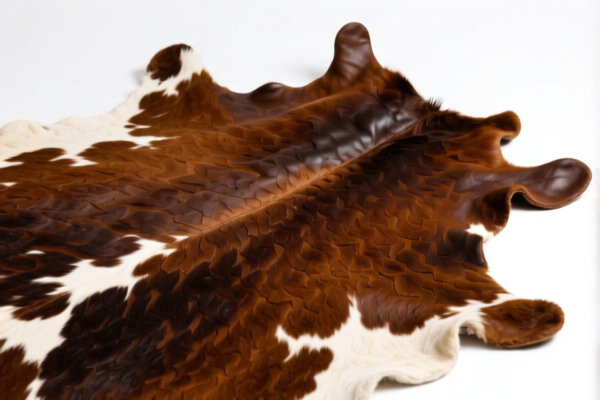
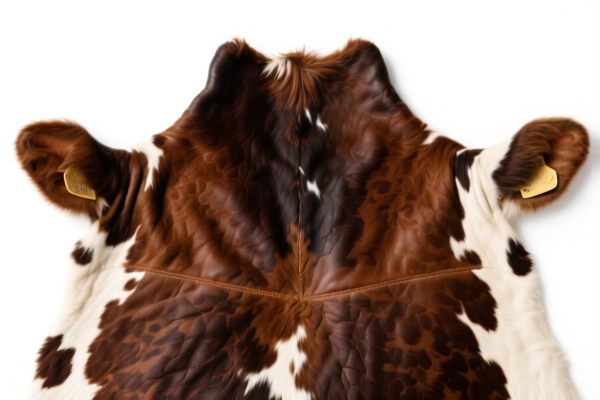
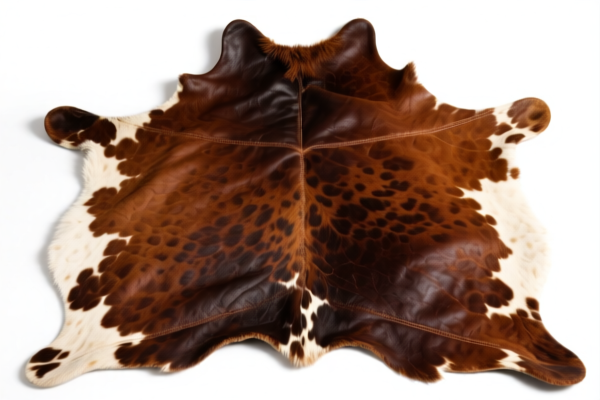
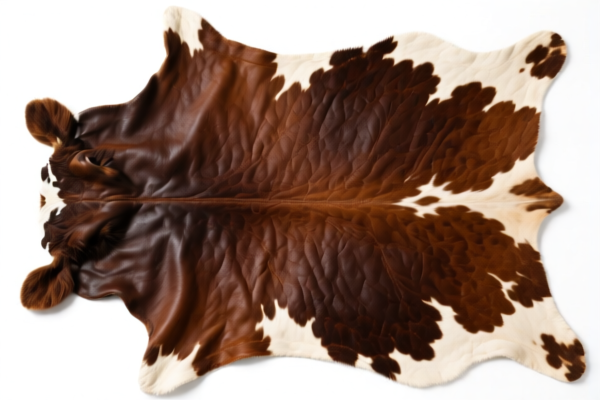
AI Analysis
🐂 Premium Full Grain Cowhide Leather (Bovine)
🌐 HS Code Reference & Clearance Guide | 2026 Latest Tariff Analysis | Professional Customs Strategy
📌 I. Product Definition & Classification: What is "Full Grain Cowhide"?
Full Grain Cowhide Leather represents the highest tier of leather quality. In international trade, specifically under Heading 4107, it refers to leather that is: 1. Tanned or Crusted: Further prepared after the initial tanning process. 2. Bovine Origin: Comes from cattle (including buffalo) or equine animals. 3. Hair Removed: The hair is not on the skin. 4. Full Grain/Unsplit: The top layer of the hide is intact (not sanded or corrected). Note: "Split" leather, where the hide is layered horizontally, is classified differently. 5. Exclusion: It excludes leather of heading 4114 (Chamois-dressed, etc.).
⚠️ Critical Distinction:
- If the leather is "Upper Leather" (specifically graded for shoe uppers) with a unit surface area ≤ 28 sq ft (2.6 m²) → HS 4107.11.10.20
- If it is "Fancy Leather" (other full grain, unsplit bovine leather not specified as upper lining) → HS 4107.11.80.00
📦 II. HS Code Classification Details (2026 Latest Tariff Authority)
| HS Code | Product Description | Key Criteria | Surface Area Limit |
|---|---|---|---|
| 4107.11.10.20 | Upper Leather: Full grains, unsplit, of bovines, specifically for upper wear. | Used for shoe uppers. | ≤ 2.6 m² (28 sq ft) |
| 4107.11.80.00 | Other: Full grains, unsplit, other bovine leather (e.g., upholstery, bags, "Fancy"). | Not specified as upper/lining. | N/A (Generally same limit, but distinct sub-category) |
🔍 Key Reminder:
- "Full Grain" means the natural grain surface is preserved.
- "Unsplit" means the hide has not been divided into layers.
- Weight/Size: The definition specifically mentions units with a surface area not exceeding 28 square feet. Hides larger than this may fall under different sub-headings (e.g., 4107.11.90).
💰 III. 2026 Latest Tariff Rate Details (Including Additional Taxes)
✅ Applicable Country: United States (US)
✅ Origin: China (CN) [Assumed based on standard trade context for these specific HS codes in recent trade wars; if non-China origin, tariffs may differ]
✅ Effective Time: Current USITC Regulations
🎯 1. 4107.11.10.20 —— Full Grain Upper Leather (Bovine, ≤ 28 sq ft)
| Item | Content |
|---|---|
| Base Tariff Rate | 0.0% |
| Additional Tariff (Section 301) | +25.0% |
| Total Tariff Rate | 25.0% |
| Tax Calculation | CIF Value × 25% |
| De Minimis Exemption | ❌ Not Eligible (Section 301 goods are generally excluded from de minimis relief if value thresholds are met and country of origin is China) |
| Legal Basis Path | USITC:4107.11.10.20 → FOOTNOTE:301.88.01 (General 301 Footnote) |
📌 Explanation:
- This category targets high-quality leathers used in footwear uppers.
- While the base tariff is 0%, the 25% Section 301 penalty applies to Chinese-origin goods.
- Total Effective Rate: 25%. This is a significant cost factor for manufacturers importing raw leather for shoe production.
🎯 2. 4107.11.80.00 —— Other Full Grain Boine Leather (Unsplit)
| Item | Content |
|---|---|
| Base Tariff Rate | 2.4% |
| Additional Tariff (Section 301) | 0.0% |
| Total Tariff Rate | 2.4% |
| Tax Calculation | CIF Value × 2.4% |
| De Minimis Exemption | ✅ Eligible (Depending on specific exemption lists, but generally lower risk than 25% category) |
| Legal Basis Path | USITC:4107.11.80.00 |
📌 Note:
- This category captures "Fancy" or other full-grain leathers not explicitly designated as "Upper Leather" for footwear.
- Crucially, this category does NOT have the 25% Section 301 surcharge (based on the provided data).
- Total Effective Rate: 2.4%. This is a massive difference compared to the 25% rate for "Upper Leather."⚠️ Strategic Implication:
Misclassifying "Fancy Leather" (used for bags/jackets) as "Upper Leather" for shoes can lead to a 22.6% overpayment. Conversely, misclassifying "Upper Leather" as "Other" to avoid the 25% tariff is high risk for audit penalties.
🛠️ IV. Customs Clearance Operational Advice (Practical Pitfall Guide)
✅ 1. Document Checklist (Must-Haves)
| Document | Required | Explanation |
|---|---|---|
| ✅ Leather Certificate | ✔️ | Specifies animal species (Bovine), tanning process, and whether it is "Split" or "Full Grain". |
| ✅ Measurement Sheet | ✔️ | Must confirm unit surface area is ≤ 28 sq ft (2.6 m²) for these specific HS codes. |
| ✅ Product Description | ✔️ | Clearly state "Full Grain, Unsplit, Bovine, Hair Removed". Avoid vague terms like "Cowhide". |
| ✅ Intended Use | ✔️ | Critical for Classification: Is it primarily for Shoe Uppers (→ .20) or Other (→ .80)? Provide samples/tech packs. |
| ✅ Commercial Invoice | ✔️ | Value must be accurate for CIF calculation. |
| ✅ Packing List | ✔️ | Weight and dimensions to verify surface area if required by CBP. |
✅ 2. Declaration Strategy (Key Mnemonics)
🔥 “Grain Matters: Upper vs. Other. Size Matters: Under 28 Sq Ft!”
| Scenario | Correct HS Code | Risk if Wrong |
|---|---|---|
| Shoe Upper Leather (Full Grain, Bovine, ≤28 sq ft) | 4107.11.10.20 |
If declared as 4107.11.80.00 → Underpayment of 22.6%. Penalties + Back Taxes. |
| Bag/Jacket Leather (Full Grain, Bovine, Unsplit) | 4107.11.80.00 |
If declared as 4107.11.10.20 → Overpayment of 22.6%. Unnecessary cost. |
| Split Leather (Second layer) | 4107.21/29 | ❌ Do NOT use 4107.11 codes. Wrong classification leads to seizure. |
| Hides > 28 sq ft | 4107.11.90 | ❌ Do NOT use .20 or .80. Wrong limit leads to reclassification. |
✅ 3. Special Handling Cases
| Case | Advice |
|---|---|
| Mixed Shipment (Some shoes, some bags) | Separate invoices or clear line-item descriptions. Do not lump "Leather" together. |
| "Parchment-Dressed" | Still falls under 4107 if bovine/unsplit. Ensure description includes "Parchment-Dressed". |
| Sample Imports | Even samples are subject to duty. If value is low, check de minimis rules, but remember Section 301 goods often have stricter scrutiny. |
| Origin Questioning | CBP may ask for tannery certificates to prove Bovine origin (not equine/other). Provide chain of custody documents. |
🌍 V. Global Market Comparison (2026 Snapshot)
| Market | Recommended HS Code (Bovine, Full Grain) | Estimated Duty (China Origin) | Notes |
|---|---|---|---|
| 🇺🇸 USA | 4107.11.10.20 or 4107.11.80.00 |
25% (Upper) / 2.4% (Other) | Highly sensitive to "Upper" vs "Other" distinction. |
| 🇨🇳 China | 4107.11.xx | ~2% - 5% | Lower base rates, no Section 301. |
| 🇪🇺 EU | 4107.11 | ~2.4% | No major retaliatory tariffs on leather currently. |
| 🇬🇧 UK | 4107.11 | ~2.4% | Post-Brexit tariffs align closely with EU base rates. |
📌 Conclusion:
The US market is the most complex due to the 25% penalty on specific "Upper Leather".
China-origin leather imports for shoes face a 25% barrier.
China-origin leather for bags/furniture faces a low 2.4% barrier.
📌 VI. Common Errors & Pitfalls (Lessons Learned)
❌ Error 1: Calling all cowhide "Leather" without specifying "Full Grain" or "Unsplit".
👉 Consequence: CBP may classify as "Split" or "Crust" leather, potentially changing the HS code and duty rate.
❌ Error 2: Assuming all bovine leather is "Upper Leather".
👉 Consequence: Paying 25% instead of 2.4%. Save 22.6% by correct classification if it's not for shoes.
❌ Error 3: Ignoring the 28 sq ft limit.
👉 Consequence: If a hide is larger, it falls under 4107.11.90 (Other). Wrong code → Delay.
❌ Error 4: Not providing tanning process details.
👉 Consequence: CBP may reject "Further Prepared" claim, reverting to "Crust" leather rates (often higher or subject to different quotas).
✅ Correct Declaration Example:
"Full Grain Bovine Leather, Unsplit, Hair Removed, Parchment-Dressed, Unit Surface Area 20 Sq Ft, Intended for Handbag Manufacturing."
→ HS: 4107.11.80.00 → Tax: 2.4%"Full Grain Bovine Upper Leather, Unsplit, Hair Removed, Tanned, Unit Surface Area 25 Sq Ft, Intended for Women's Shoe Uppers."
→ HS: 4107.11.10.20 → Tax: 25.0%
🎯 VII. Conclusion: Precision Saves Money!
🎯 Remember the Mantra:
🔹 "Upper = 25%, Other = 2.4%. Check the Use, Check the Grain!"
🔹 "Unsplit & Full Grain is Key. Over 28 Sq Ft? Look Elsewhere!"
📌 Pro Tip:
If you are importing leather for non-footwear applications (bags, belts, upholstery), ensure your invoice and description explicitly state "For Handbags/Furniture" and NOT "For Shoe Uppers". This simple change can reduce your duty from 25% to 2.4%, saving you 22.6% on costs.
📣 Immediate Action:
📞 Consult a customs broker to review your Intended Use documentation.
📝 Update your product descriptions to clearly differentiate between Upper Leather and Other Fancy Leather.
💡 Profit Protection: Every dollar saved on duty is pure profit.
✨ Professional Clearance Starts with Accurate Classification!
💼 Your Leather, Your Rules, Your Tax Savings!
Customer Reviews
About HS Code Classification
The Harmonized System (HS) is an internationally standardized nomenclature developed by the World Customs Organization (WCO) to classify traded products. Over 200 countries use the HS system as the basis for customs tariffs, trade statistics, and import/export regulations.
Each HS code follows a hierarchical structure:
- Chapter (2 digits) — Broad category of goods (e.g., Chapter 84: Machinery and Mechanical Appliances)
- Heading (4 digits) — More specific grouping within the chapter
- Subheading (6 digits) — Internationally standardized breakdown, used by all WCO member countries
- National subdivisions (8-10 digits) — Country-specific extensions for further classification, such as US HTSUS 10-digit codes
Correct HS code classification is essential for smooth customs clearance, accurate duty payment, and compliance with trade regulations. Misclassification can lead to customs delays, overpayment of duties, or penalties.
When importing from CN to US, the applicable tariff rates may include:
- Most-Favored-Nation (MFN) rate — The standard duty rate applied to WTO members
- General rate — Applied to countries without trade agreements
- Trade remedy duties — Additional tariffs such as Section 301 (anti-dumping), Section 232 (national security), or countervailing duties
The information provided on this page is for reference purposes only. For official classification, please consult with your local customs authority or a licensed customs broker.