Prepared Yellow Mustard
CN → US| HS Code | Tariff Rate | Origin | Destination | Doc |
|---|---|---|---|---|
| 2103304000 | 0.0% | CN | US | Official Doc |
| 2103302000 | 17.5% | CN | US | Official Doc |
Product Images
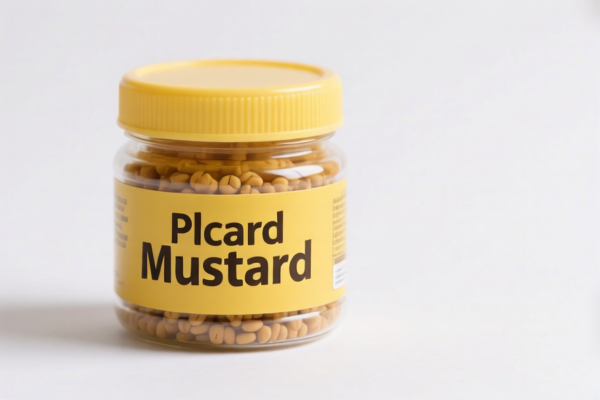
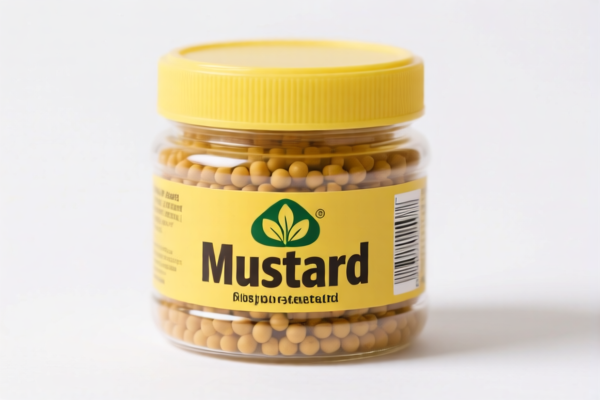
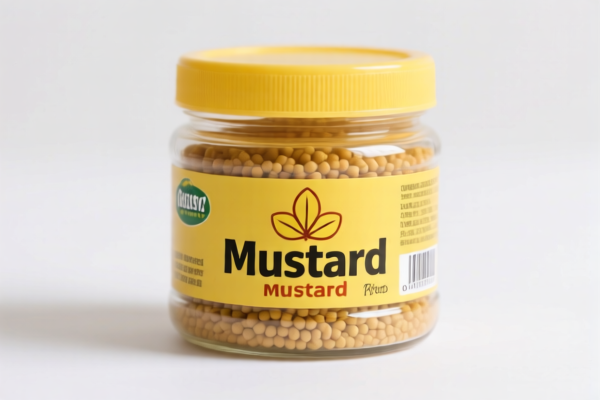
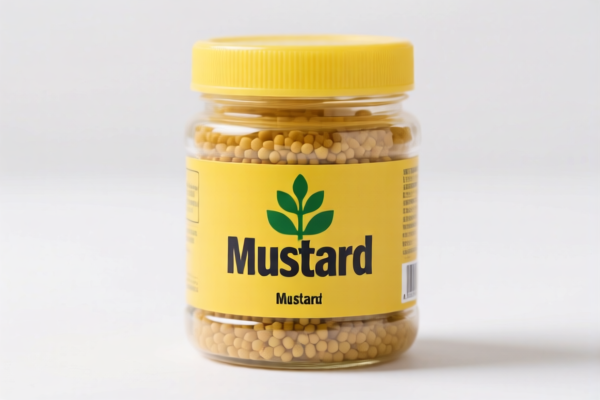
AI Analysis
🌭 Prepared Yellow Mustard: HS Code Classification & 2026 Tax Analysis
🌐 HS Code Reference & Clearance Guide | 2026 Tariff Schedule Analysis | Professional Customs Strategy
📌 I. Product Definition: Is It Just Mustard?
"Prepared Yellow Mustard" is a condiment made from mustard seeds, vinegar, water, salt, turmeric, and other spices. In international trade, precise classification is critical because the presence of starch, sugar, or preservatives can shift the product between Chapter 20 (Vegetables/Preparations) and Chapter 21 (Miscellaneous Food Preparations).
Key Distinction:
- Pure Mustard Preparations (Mustard seeds + vinegar/spices) → 2103.10
- Mustard-based Sauces (With significant starch/thickeners or fruit bases) → 2103.90
⚠️ Critical Note:
Standard American/European "Yellow Mustard" is typically classified under 2103.10. However, if the product contains >5% starch or is marketed as a "condiment sauce" with complex bases, it may fall under 2103.90. Always check the ingredient list for thickening agents.
📦 II. HS Code Classification Matrix (2026 Latest Tariff)
| HS Code | Product Description | Applicability | Key Ingredient Indicator |
|---|---|---|---|
2103.10.10.00 |
Mustard flour and meal (unprepared) | Raw material export | ❌ Not prepared |
2103.10.90.00 |
Mustard preparations (including prepared mustard) | Standard Yellow Mustard, Dijon, Whole Grain | ✅ Mustard seeds + Vinegar/Spices |
2103.90.30.00 |
Soy sauce and other sauces | Ketchup, BBQ, Salas | ❌ Mustard is not the primary base |
2103.90.50.00 |
Salad dressings | Vinaigrettes | ❌ Oil/Vinegar base, not mustard |
2103.90.90.60 |
Other food preparations | Complex mustard sauces with fruit/starch | ⚠️ Check thickener content |
🔍 Focus:
-2103.10.90.00is the correct HS Code for most "Prepared Yellow Mustard" products.
- If your mustard contains wheat starch as a primary thickener (common in low-cost brands), customs may challenge this, but standard classification remains 2103.10 unless starch exceeds 50% (which is rare).
💰 III. 2026 Tariff Rate Breakdown (US Import from China)
✅ Destination: United States (US)
✅ Origin: China (CN)
✅ Effective Date: November 10, 2025 (Post-2025 Election Tariff Adjustments)
🎯 1. 2103.10.90.00 —— Prepared Mustard
| Item | Detail |
|---|---|
| Base Tariff (Most Favored Nation) | 0% (Free trade under HTS 2103.10) |
| Section 301 Tariff (USITC Footnote 9903.21.10) | +10% (Standard for Category 4A products) |
| IEEPA Tariff (China-Specific) | +0% (Mustard is NOT on the current IEEPA list for additional 10-25% charges as of 2026) |
| Total Tariff Rate | 10% |
| Calculation | CIF Value × 10% |
| De Minimis Exemption | ❌ No (Value > $800 threshold does not apply to Section 301 items if individually declared; however, small parcels may still be exempt if total value < $800 and not restricted) |
| Legal Reference | HTSUS: 2103.10.90.00 → USITC: 9903.21.10 |
📌 Explanation:
- Mustard is not classified as "Technology" or "Steel/Aluminum," so it escapes the 25% and 10% IEEPA surcharges.
- The 10% Section 301 tariff applies to most consumer goods from China, including condiments.
- Result: A $10,000 shipment of mustard incurs $1,000 in duties.
🛠️ IV. Customs Clearance Practical Advice (Avoid Pitfalls)
✅ 1. Required Documentation
| Document | Requirement | Notes |
|---|---|---|
| Commercial Invoice | ✔️ | Must state: "Prepared Yellow Mustard, HS 2103.10.90.00" |
| Packing List | ✔️ | Net/Gross weight, package count |
| Ingredients List | ✔️ | Critical: Declare all ingredients (e.g., "Mustard Seed, Vinegar, Turmeric, Salt") |
| FDA Prior Notice | ✔️ | Mandatory for US food imports. Submit via PPNR before arrival. |
| FSMA Compliance Doc | ✔️ | Foreign Supplier Verification Program (FSVP) documentation |
| Labeling Compliance | ✔️ | Must meet USDA/FDA labeling rules (English, allergens, net weight) |
✅ 2. Declaration Best Practices
🔥 "Declare Ingredients, Not Just Name!"
Customs officers often reject "Mustard" without ingredient details.
| Scenario | Correct Declaration | Wrong Declaration |
|---|---|---|
| Standard Yellow Mustard | Prepared Mustard (Mustard Seed, Vinegar, Turmeric) |
Condiment Sauce |
| Spicy Mustard | Prepared Mustard with Chili Extract |
Vegetable Product |
| Mustard Powder (Reconstituted) | Reconstituted Mustard |
Spice Mix |
✅ 3. Special Cases
| Case | Handling Advice |
|---|---|
| Ketchup vs. Mustard | Ketchup is 2103.20 (Soy/Tomato sauces), Mustard is 2103.10. Do not confuse them. |
| Organic Mustard | Still 2103.10.90.00. Add "Organic Certified" for marketing, but no tax benefit. |
| Bulk vs. Retail | Bulk (50lb drums) vs. Retail (12oz jars) – HS Code is the same. Packaging affects packing list only. |
🌍 V. Global Market Comparison (2026)
| Country/Region | Recommended HS Code | Tariff Rate (from China) | Key Requirements | Notes |
|---|---|---|---|---|
| 🇺🇸 USA | 2103.10.90.00 |
10% (Sec 301) | FDA Prior Notice, FSVP | No IEEPA surcharge |
| 🇪🇺 EU | 2103.10 |
0% (Most likely) | E2103 compliance, Allergen Label | Check national VAT (19-25%) |
| 🇨🇳 China | 2103.10 |
3-5% | GB Standard Compliance | Low tariff, high inspection |
| 🇬🇧 UK | 2103.10 |
12% (Post-Brexit) | UKCA Mark, Food Standards Agency | Higher than pre-Brexit |
| 🇨🇦 Canada | 2103.10 |
0% (CUSMA) | CFIA Inspection | Duty-free under CUSMA if Canadian-origin |
📌 Insight:
- The US is the only major market charging a significant tariff (10%) on Chinese mustard due to Section 301.
- EU and Canada offer better tariff advantages for non-China origins or under trade agreements.
📌 VI. Common Mistakes & Pitfalls (Learn from Others' Errors)
❌ Mistake 1: Classifying Mustard as Chapter 20 (Vegetables)
👉 Consequence: Misclassification → Penalty + Back Taxes.
✅ Fix: Mustard is a preparation (Chapter 21), not a fresh vegetable.
❌ Mistake 2: Ignoring FDA Prior Notice
👉 Consequence: Cargo detained at port for weeks → Demurrage Fees.
✅ Fix: Submit PPNR 4 hours before vessel arrival.
❌ Mistake 3: Declaring "Food" generically
👉 Consequence: Customs request for clarification → Delay.
✅ Fix: Use specific HTS code 2103.10.90.00 and list ingredients.
❌ Mistake 4: Confusing Mustard Powder with Prepared Mustard
👉 Consequence: Wrong tax rate. Powder may be duty-free; Prepared is 10%.
✅ Fix: Check if water/vinegar is added. If yes → 2103.10.90.00.
🎯 VII. Conclusion: Smart Classification Saves Money
🎯 Key Takeaway:
🔹 HS Code:
2103.10.90.00
🔹 US Tariff: 10% (Section 301)
🔹 Critical Step: FDA Prior Notice is non-negotiable.
📌 Pro Tip:
If you are shipping to the US, ensure your supplier provides a Statement of Authenticity and Allergen Declaration to speed up FDA release. For EU shipments, ensure E2103 compliance to avoid rejection.
📣 Action Plan:
- Verify HS Code with your supplier (
2103.10.90.00).- Prepare FDA Prior Notice before booking shipment.
- Calculate 10% duty in your cost model.
🚀 Clear Customs Fast, Sell More Mustard!
✨ Accurate Classification, Smooth Clearance, Maximized Profit!
💼 Your Condiment Supply Chain Starts with the Right HS Code!
Customer Reviews
About HS Code Classification
The Harmonized System (HS) is an internationally standardized nomenclature developed by the World Customs Organization (WCO) to classify traded products. Over 200 countries use the HS system as the basis for customs tariffs, trade statistics, and import/export regulations.
Each HS code follows a hierarchical structure:
- Chapter (2 digits) — Broad category of goods (e.g., Chapter 84: Machinery and Mechanical Appliances)
- Heading (4 digits) — More specific grouping within the chapter
- Subheading (6 digits) — Internationally standardized breakdown, used by all WCO member countries
- National subdivisions (8-10 digits) — Country-specific extensions for further classification, such as US HTSUS 10-digit codes
Correct HS code classification is essential for smooth customs clearance, accurate duty payment, and compliance with trade regulations. Misclassification can lead to customs delays, overpayment of duties, or penalties.
When importing from CN to US, the applicable tariff rates may include:
- Most-Favored-Nation (MFN) rate — The standard duty rate applied to WTO members
- General rate — Applied to countries without trade agreements
- Trade remedy duties — Additional tariffs such as Section 301 (anti-dumping), Section 232 (national security), or countervailing duties
The information provided on this page is for reference purposes only. For official classification, please consult with your local customs authority or a licensed customs broker.