Preservative treated Coniferous Wood Poles
CN → US| HS Code | Tariff Rate | Origin | Destination | Doc |
|---|---|---|---|---|
| 4407990295 | 35.0% | CN | US | Official Doc |
| 4421917040 | 35.0% | CN | US | Official Doc |
| 4406920000 | 35.0% | CN | US | Official Doc |
| 4406120000 | 35.0% | CN | US | Official Doc |
| 4407290296 | 35.0% | CN | US | Official Doc |
Product Images
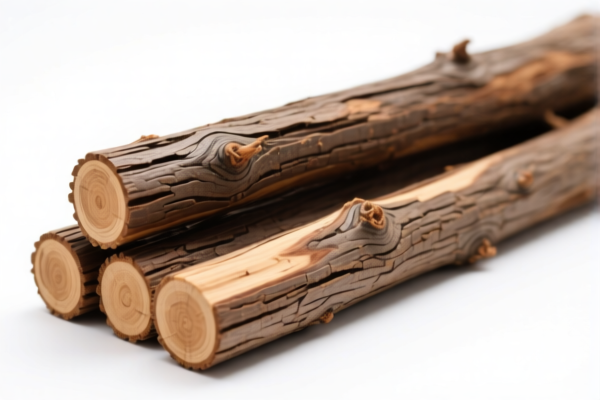
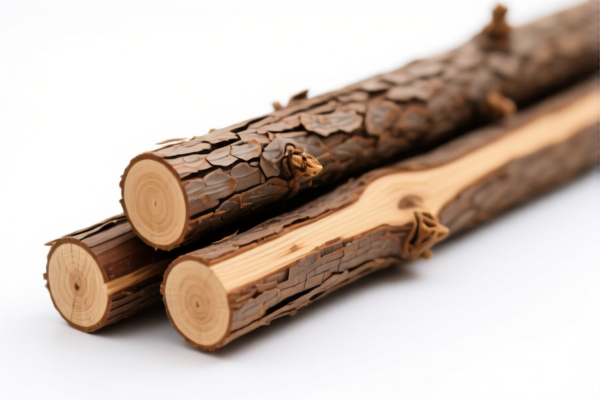
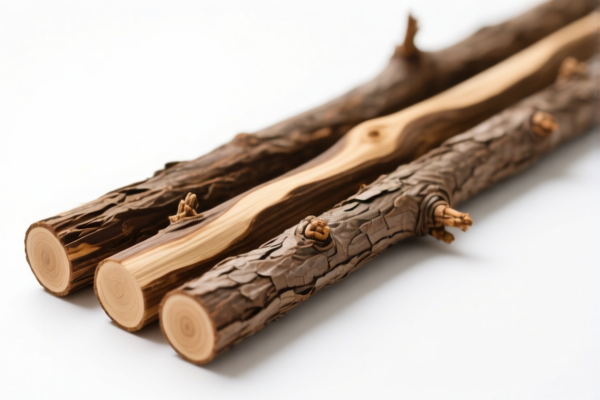
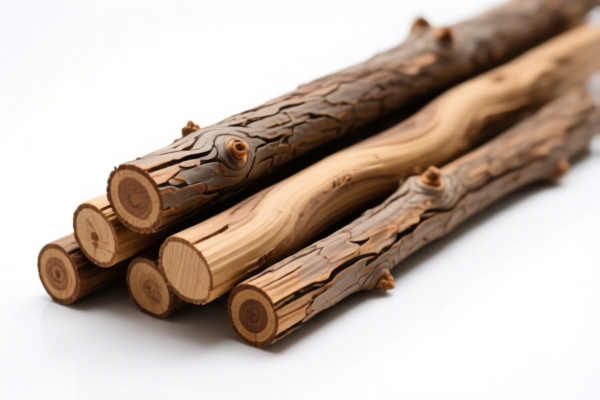
AI Analysis
🌲 Preservative Treated Coniferous Wood Poles (The "Non-Fit")
🌐 HS Code Reference & Clearance Guide | 2026 Latest Tariff Analysis | Crucial Misclassification Warning
📌 I. Product Definition: Why This Data Does NOT Apply to You
Preservative Treated Coniferous Wood Poles refer to wooden poles made from coniferous species (e.g., Pine, Fir, Spruce, Cedar) that have undergone chemical treatment to resist decay, insects, and rot.
⚠️ CRITICAL MISMATCH ALERT:
The provided<DATA>contains information for Non-Coniferous Wood Poles (Hardwoods).
Coniferous (Softwoods) and Non-Coniferous (Hardwoods) are strictly separated in the Harmonized System (HS).
- Your Product: Coniferous (Softwood) → Likely falls under HS 4406 or 4407 with specific subheadings for softwood.
- Provided Data: Non-Coniferous (Hardwood) → HS Codes
4407.99,4421.91,4406.92, etc.Using the provided HS codes for Coniferous wood is a severe misclassification error that will lead to customs rejection, penalties, or retroactive tariff assessments.
🚫 II. Why the Provided HS Codes Are Incorrect for Coniferous Wood
The <DATA> you provided explicitly describes "Non-Coniferous Wood" (非针叶木) in every summary. Here is why each code in your dataset is invalid for Coniferous Wood Poles:
| Provided HS Code | Summary in Data | Why It’s Wrong for Coniferous Wood | Correct Concept |
|---|---|---|---|
4407.99.02.95 |
"Non-coniferous wood... processed timber products" | HS 4407.99 covers other wood (hardwoods). Softwoods (pine, fir) are in 4407.21-4407.26. | Softwood sawn timber is in 4407.21–4407.26 |
4421.91.70.40 |
"Other wooden articles... non-coniferous" | HS 4421.91 covers other wooden articles but the data specifies non-coniferous. Poles are usually classified under Chapter 4406 (Sleepers/Poles) if shaped specifically. | Poles may fall under 4406.10 or 4421 depending on shape, but material must match. |
4406.92.00.00 |
"Wooden structural components... non-coniferous" | HS 4406.92 is for other wood (non-coniferous) sleepers/poles. Coniferous poles have their own subheading (4406.10). |
Coniferous poles are 4406.10 |
4406.12.00.00 |
"Treated wood... processed timber category" | This is the only partially relevant code, but it is for Sleepers (铁路枕木), not necessarily poles, and the data specifies non-coniferous. Coniferous poles are often 4406.10. |
Sleepers (4406.10) vs. Poles (4406.10 or 4421) |
4407.29.02.96 |
"Tropical wood category... longitudinal sawn" | HS 4407.29 is for Tropical Wood (hardwood). Coniferous wood is not tropical hardwood. | Softwood is 4407.21–4407.26 |
🔍 Key Distinction:
- Coniferous (针叶木) = Softwoods (Pine, Spruce, Fir, Cedar).
- Non-Coniferous (非针叶木) = Hardwoods (Oak, Maple, Teak, Tropical Wood).Your product is Coniferous. The data is for Non-Coniferous. Do NOT use these codes.
💰 III. Correct Tariff Analysis for Coniferous Wood Poles (General Guidance)
Since the provided data is invalid, here is the correct approach for Preservative Treated Coniferous Wood Poles:
🎯 1. Likely Correct HS Codes (Coniferous/Softwood)
| HS Code | Product Description | Applicability |
|---|---|---|
4406.10.00.00 |
Wooden sleepers (cross-ties) | If the poles are specifically shaped for railway use. |
4406.90.00.00 |
Other wood poles and pickets | If they are utility poles (electric/telecom), not railway sleepers. Note: This subheading applies to both coniferous and non-coniferous poles, but you must specify "Coniferous" in the declaration. |
4407.21.00.00 |
Softwood, not mechanically worked, dressed, sanded... | If the poles are simply sawn and treated, not further processed into structural shapes. |
4421.91.00.00 |
Other wooden articles | If the poles are cut to specific non-standard shapes (e.g., tapered poles for specific utility uses). |
✅ Most Common for Utility Poles:
4406.90.00.00(Other wood poles) or4421.91.00.00(Other wooden articles).
✅ Most Common for Railway Sleepers:4406.10.00.00.
🎯 2. Tariff Rates (US Context, Similar to Provided Data Structure)
Assuming the same tariff structure as your data (Base 0% + 301 Tariff 25% + IEEPA 10% = 35% Total):
| Scenario | HS Code | Base Tariff | 301 Tariff | IEEPA Tariff | Total Tariff |
|---|---|---|---|---|---|
| Coniferous Poles (Utility) | 4406.90.00.00 |
0% | +25% | +10% | 35% |
| Coniferous Sleepers | 4406.10.00.00 |
0% | +25% | +10% | 35% |
| Softwood Lumber (Treated) | 4407.21.00.00 |
0% | +25% | +10% | 35% |
📌 Note: The 35% total tariff rate is consistent across most wood products from China to the US under current trade policies. The key is using the correct HS code to avoid misclassification penalties.
🛠️ IV. Clearance Practical Advice (For Coniferous Wood)
✅ 1. Required Documentation
| Document | Requirement | Reason |
|---|---|---|
| ISPM 15 Mark | Mandatory | Treated wood must have the ISPM 15 stamp (heat-treated or fumMB-treated) to prevent pest introduction. |
| Phytosanitary Certificate | Mandatory | Issued by the country of origin, confirming treatment and freedom from pests. |
| Treatment Certificate | Highly Recommended | Detailed report on the preservative used (e.g., CCA, ACQ, Creosote) and method. |
| Commercial Invoice | Mandatory | Must clearly state: "Preservative Treated Coniferous Wood Poles" + HS Code + Country of Origin. |
| Packing List | Mandatory | Must specify number of poles, dimensions, and weight. |
✅ 2. Declaration Tips
🔥 "Coniferous, Not Hardwood! Mark ISPM 15!"
| Item | Correct Declaration | Incorrect Declaration |
|---|---|---|
| Product Name | "Preservative Treated Coniferous Wood Utility Poles" | "Wooden Poles" (Vague) |
| Material | "Pinus sylvestris" or "Softwood" | "Hardwood" or "Tropical Wood" |
| HS Code | 4406.90.00.00 (Poles) or 4406.10.00.00 (Sleepers) |
4407.99... (Hardwood) |
| Treatment | "Heat Treated (HT)" or "Chemical Preservative (CCA/ACQ)" | Untreated |
✅ 3. Special Considerations
| Issue | Solution |
|---|---|
| Chemical Restrictions | Ensure the preservative (e.g., Creosote, CCA) is allowed in the destination country. Some chemicals are banned in residential areas. |
| Pest Inspection | US Customs and Border Protection (CBP) and USDA may inspect for pests. Ensure the wood is dry and properly treated. |
| Misclassification Risk | Do NOT use 4407.99 (Hardwood) codes for softwood. This is the most common error. |
🌍 V. Global Market Comparison (Coniferous Wood Poles)
| Country/Region | Recommended HS Code | Tariff (China Origin) | Key Requirements |
|---|---|---|---|
| 🇺🇸 USA | 4406.90.00.00 |
35% (0% + 25% + 10%) | ISPM 15, Phytosanitary Certificate |
| 🇨🇳 China | 4406.90.00.00 |
0% | Domestic standards apply |
| 🇪🇺 EU | 4406.90 |
0%–5% (Varies) | FLEGT, REACH compliance for preservatives |
| 🇯🇵 Japan | 4406.90 |
5%–10% | ISPM 15, Pesticide residue testing |
📌 VI. Common Errors & Pitfalls (Blood Lessons)
❌ Error 1: Using Hardwood HS codes (4407.99, 4406.92) for Softwood (Coniferous) poles.
👉 Consequence: Customs seizure, fines, forced reclassification + 35% tariff + storage fees.
❌ Error 2: Missing ISPM 15 Mark.
👉 Consequence: Rejection of entry, destruction of cargo, or mandatory fumMB treatment at your expense.
❌ Error 3: Vague Product Description ("Wooden Poles").
👉 Consequence: Customs audit, delay in clearance, potential anti-dumping or countervailing duty investigations.
❌ Error 4: Using Sleepers code (4406.10) for Utility Poles.
👉 Consequence: Misclassification. While both are in 4406, the subheadings differ. Utility poles are 4406.90, Sleepers are 4406.10.
✅ Correct Action:
"Preservative Treated Coniferous Wood Poles, ISPM 15 Marked, HS Code 4406.90.00.00, Country of Origin: China"
🎯 VII. Conclusion: Precision is Key
🎯 Remember:
🔹 "Coniferous = Softwood! Hardwood = Non-Coniferous!"
🔹 "Use the correct HS code for your wood type, or pay the price!"
🔹 "ISPM 15 is non-negotiable for treated wood!"
📌 Pro Tip:
If your poles are treated with specific chemicals (e.g., Creosote), check if they fall under chemical regulations (e.g., TSCA in the US). Ensure compliance with environmental standards in the destination market.
📣 Immediate Action:
📞 Verify your wood type (Coniferous vs. Non-Coniferous)
📞 Apply for HS Code Pre-ruling if unsure
📞 Ensure ISPM 15 Marking is on every pallet
✨ Professional Clearance Starts with Accurate Classification!
💼 Your cargo’s value depends on its correct identity!
Customer Reviews
About HS Code Classification
The Harmonized System (HS) is an internationally standardized nomenclature developed by the World Customs Organization (WCO) to classify traded products. Over 200 countries use the HS system as the basis for customs tariffs, trade statistics, and import/export regulations.
Each HS code follows a hierarchical structure:
- Chapter (2 digits) — Broad category of goods (e.g., Chapter 84: Machinery and Mechanical Appliances)
- Heading (4 digits) — More specific grouping within the chapter
- Subheading (6 digits) — Internationally standardized breakdown, used by all WCO member countries
- National subdivisions (8-10 digits) — Country-specific extensions for further classification, such as US HTSUS 10-digit codes
Correct HS code classification is essential for smooth customs clearance, accurate duty payment, and compliance with trade regulations. Misclassification can lead to customs delays, overpayment of duties, or penalties.
When importing from CN to US, the applicable tariff rates may include:
- Most-Favored-Nation (MFN) rate — The standard duty rate applied to WTO members
- General rate — Applied to countries without trade agreements
- Trade remedy duties — Additional tariffs such as Section 301 (anti-dumping), Section 232 (national security), or countervailing duties
The information provided on this page is for reference purposes only. For official classification, please consult with your local customs authority or a licensed customs broker.