Preservative treated Non coniferous Wood
CN → US| HS Code | Tariff Rate | Origin | Destination | Doc |
|---|---|---|---|---|
| 4407990295 | 35.0% | CN | US | Official Doc |
| 4421917040 | 35.0% | CN | US | Official Doc |
| 4406920000 | 35.0% | CN | US | Official Doc |
| 4406120000 | 35.0% | CN | US | Official Doc |
| 4407290296 | 35.0% | CN | US | Official Doc |
Product Images
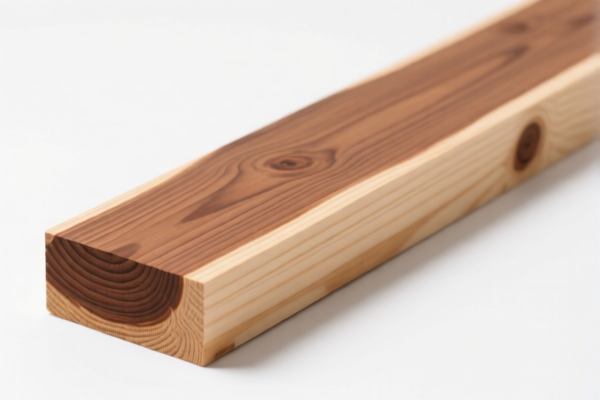
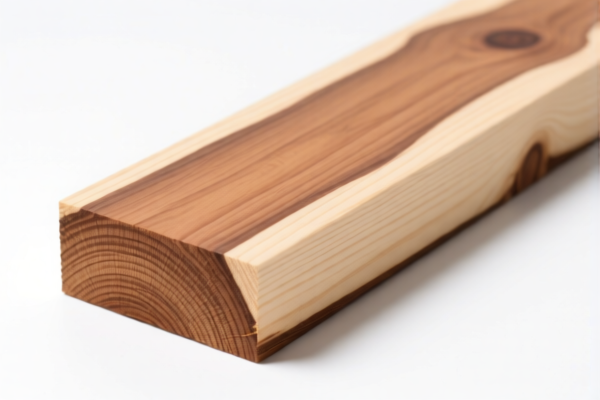
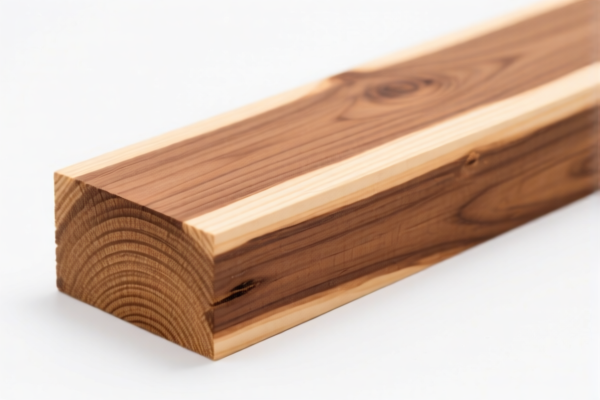
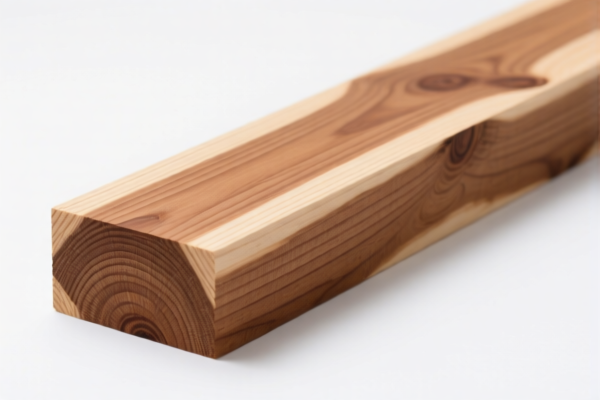
AI Analysis
🪵 Preservative Treated Non-Coniferous Wood (Poles & Structural Timber)
🌐 HS Code Reference & Customs Clearance Guide | 2026 Latest Tariff Analysis | Professional Clearance Strategy 📌 I. Product Definition & Classification: What Exactly Is "Preservative Treated Non-Coniferous Wood"?
Preservative Treated Non-Coniferous Wood refers to timber derived from broadleaf trees (deciduous), such as eucalyptus, acacia, or hardwood species, which has been chemically treated to resist decay, fungi, and insect damage. In international trade, this product is most commonly found in two forms: 1. Wooden Poles (e.g., Utility/Electric Poles): Long, cylindrical structures used for power transmission, telecommunication, or fencing. 2. Processed Structural Timber: Planed, sawn, or shaped wood used in construction, landscaping, or infrastructure.
⚠️ Critical Distinction: - If the product is shaped specifically as a pole/consul for structural use → It often falls under Chapter 4406 (Railway/Tramway Sleepers and Other Wood). - If it is simply sawn or worked wood (logs, planks, beams) → It falls under Chapter 4407 (Wood Sawnc or Chipped Lengthwise). - If it is a finished wooden article (e.g., specialized posts, signs, or non-structural items) → It may fall under Chapter 4421 (Other Wooden Articles).
📦 II. HS Code Classification Details (2026 Latest Tariff Authority Match)
Based on the provided data, here are the five potential HS Codes for Preservative Treated Non-Coniferous Wood, categorized by their specific形态 (Form) and application:
| HS Code | Product Description & Logic | Application Scenario | Key Classification Feature |
|---|---|---|---|
4407.99.02.95 |
Preservative Treated Non-Coniferous Wood (General Processed) Material: Non-coniferous. Form: Processed wood products. |
General construction timber, landscaping wood, non-specific processed lumber. | Classified as "Other Non-Coniferous Wood" under Chapter 4407. |
4421.91.70.40 |
Preservative Treated Non-Coniferous Wooden Poles Material: Non-coniferous. Form: Cylindrical/Columnar. |
Utility poles, fence posts, specialized wooden columns. | Classified as "Other Wooden Articles" (Chapter 4421), emphasizing the article shape rather than raw timber. |
4406.92.00.00 |
Preservative Treated Non-Coniferous Wood Poles Material: Non-coniferous. Form: Utility/Electric Poles. |
Power line poles, telecommunication towers, railway sleepers (if non-coniferous). | Classified as "Wooden Structures/Poles" under Chapter 4406. This is the most specific code for poles. |
4406.12.00.00 |
Preservative Treated Non-Coniferous Wood (Railway/Tie-like) Material: Non-coniferous. Use: Treated wood category. |
Railway sleepers, bridge ties, or wood with similar structural durability requirements. | Classified as "Wood for Railway Sleepers or Similar Uses" under Chapter 4406. |
4407.29.02.96 |
Preservative Treated Tropical Non-Coniferous Wood Material: Tropical Hardwood. Form: Longitudinally sawn/processed. |
High-value tropical hardwood poles or beams (e.g., Greenheart, Ironwood). | Classified as "Other Non-Coniferous Wood" from tropical species, highlighting the origin material. |
🔍 Key Reminder: - Code
4406is typically preferred for poles and sleepers because it specifically covers "Wood sawn lengthwise... of a thickness exceeding 6mm, whether or not planed, sanded or finger-jointed, but not further manufactured than that." - Code4407is for sawn timber that hasn't been shaped into specific articles like poles. - Code4421is a "catch-all" for wooden articles not specified elsewhere (e.g., finished posts with heads, bases, or specific fittings).
💰 III. 2026 Latest Tariff Rate Breakdown (Including Additional Taxes & Policy Surcharges)
✅ Applicable Country: United States (US) ✅ Origin: China (CN) ✅ Effective Date: Nov 10, 2025 onwards (including subsequent imports)
All five HS Codes share the same tax structure according to the provided data.
🎯 Universal Tax Structure for All Listed HS Codes
| Item | Content |
|---|---|
| Base Tariff | 0.0% (Ad Valorem) |
| Section 301 Additional Tariff | +25.0% |
| Section 122 Tariff (IEEPA) | +10.0% |
| Total Tax Rate | 35.0% |
| Tax Calculation | CIF Value × 35% |
| De Minimis Eligibility | ❌ Not Eligible (Deny De Minimis) |
| Legal Basis Path | USITC:Section301 (+25%) + IEEPA:Section122 (+10%) |
📌 Explanation: - "Base Tariff 0%": Standard US Most Favored Nation (MFN) rate for these wood products is often low or zero. - "Section 301 Additional Tariff 25%": Imposed under the Trade Act of 1974, Section 301, targeting specific Chinese imports (List 3/4). - "Section 122 Tariff 10%": Refers to tariffs imposed under the International Emergency Economic Powers Act (IEEPA) or specific bilateral agreements/legislation targeting Chinese timber products. - Total 35%: This is a high tariff burden. Importers must factor this significantly into landed cost calculations. - No De Minimis: Shipments valued under $800 cannot be cleared duty-free. Each shipment is subject to full customs examination and duty payment.
🛠️ IV. Customs Clearance Practical Advice (Battle-Tested Pitfall Avoidance)
✅ 1. Preparation Checklist (Non-Negotiable)
| Document | Required | Notes |
|---|---|---|
| ✅ Phytosanitary Certificate | ✔️ | Mandatory. Must be issued by the country of origin, certifying treatment and freedom from pests. |
| ✅ Treatment Certificate | ✔️ | Proof of preservative chemical used (e.g., CCA, ACQ, Creosote) and dosage. Must comply with US EPA/USDA standards. |
| ✅ Material Declaration | ✔️ | Explicitly state "Non-Coniferous" (e.g., Eucalyptus, Acacia). Do not just say "Wood." |
| ✅ Product Specifications | ✔️ | Diameter, length, treatment depth, and whether it's a "pole" or "sawn timber." |
| ✅ Commercial Invoice | ✔️ | Must clearly describe the item as "Preservative Treated Non-Coniferous Wood Pole/Timber." |
| ✅ Fumigation Certificate | ✔️ | If applicable, especially if wood is not treated with preservatives that also act as fumigants. |
| ✅ Bill of Lading | ✔️ | Ensure HS Code is pre-vetted and matches invoice description. |
✅ 2. Declaration Strategy (Key Mnemonics)
🔥 "Form Defines Code, Treatment Defines Safety, Origin Defines Tax!"
| Scenario | Correct Declaration | Common Error |
|---|---|---|
| Cylindrical Poles (Utility/Fence) | Use 4406.92.00.00 |
Misdeclare as 4407 (Sawn Timber) → Risk of re-classification penalties. |
| Sawn/Lumber (Beams/Planks) | Use 4407.99.02.95 |
Misdeclare as 4421 (Articles) → Higher scrutiny on "further manufacturing." |
| Tropical Hardwood (Specific Origin) | Use 4407.29.02.96 |
Generic declaration "Hardwood" → Potential disputes on species origin. |
| Finished Posts (With metal fittings) | Use 4421.91.70.40 |
Declaring as raw wood → Customs may require dismantling proof. |
| Railway Sleepers | Use 4406.12.00.00 |
Declaring as general poles → Mismatch with end-use description. |
✅ 3. Special Considerations
| Situation | Handling Advice |
|---|---|
| Chemical Composition | Ensure preservatives are on the EPA List of Approved Preservatives. Unapproved chemicals will lead to seizure. |
| Pest Control | Even treated wood must meet ISPM 15 standards if shipped in raw form. Treated wood usually has an IPPC mark. |
| Duty Drawback | If the wood is later exported or used in manufacturing for export, consult a customs broker for Duty Drawback opportunities. |
| Segment 301 Exclusions | Check if your specific HS code was removed from the Section 301 list (unlikely for wood, but always verify). |
🌍 V. Global Market Clearance Comparison (2026 Update)
| Country/Region | Recommended HS Code | Base Tariff | Additional Taxes | Notes |
|---|---|---|---|---|
| 🇺🇸 USA | 4406.92.00.00 |
0% | 35% Total (25% Sec301 + 10% IEEPA) | Strict phytosanitary rules. High tariff barrier. |
| 🇨🇳 China | 4406.92.00.00 |
5-10% | None | Import of waste wood is banned; only treated, clean wood allowed. |
| 🇪🇺 EU | 4406.92.00.00 |
1.5-2.4% | None | Requires Fumigation/Treatment Certificate. No Section 301. |
| 🇬🇧 UK | 4406.92.00.00 |
1.5-2.4% | None | Post-Brexit rules apply. Phytosanitary checks at borders. |
| 🇦🇺 Australia | 4406.92.00.00 |
5% | None | Strict biosecurity (DAFF). Requires intensive pre-shipment inspection. |
📌 Conclusion: - The USA is the most expensive market due to 35% combined tariffs. - Australia and the EU are the most stringent regarding biosecurity and phytosanitary compliance. - Proper documentation (Treatment Cert + Phyto Cert) is more critical than in other regions.
📌 VI. Common Mistakes & Pitfalls (Lessons Learned)
❌ Mistake 1: Declaring "Wooden Poles" without specifying "Non-Coniferous" 👉 Consequence: Customs may assume coniferous (pine/spruce), applying different treatment standards or tariff rates, leading to delays and re-inspection.
❌ Mistake 2: Omitting the "Preservative Treatment" details on the Invoice 👉 Consequence: US CBP may classify it as "Untreated Wood," triggering mandatory fumigation at your expense or seizure if pests are found.
❌ Mistake 3: Using 4407 for Poles
👉 Consequence: While tax rate is same, legal mismatch can lead to audits. 4406 is the legally correct code for poles/sleepers.
❌ Mistake 4: Ignoring the "Section 122" 10% Tariff 👉 Consequence: Budgeting only for 25% (Section 301) leaves 10% uncovered, causing cash flow issues.
✅ Correct Practice:
"Preservative Treated Non-Coniferous Wood Poles, Eucalyptus Species, Diameter 20cm, Length 10m, Treated with ACQ, Phytosanitary Certified, IPPC Marked."
🎯 VII. Conclusion: Precise Classification Saves Money!
🎯 Remember the Mantra:
🔹 "Poles go to 4406, Sawn goes to 4407, Articles to 4421." 🔹 "Non-Coniferous must be declared, or face biosecurity hell." 🔹 "USA Tariff is 35%, not 25%!"
📌 Pro Tip: If your wood is sourced from Vietnam, Brazil, or Malaysia, the Section 301 (25%) tariff may still apply depending on the country of origin rule. However, the IEEPA 10% is specifically targeted at Chinese-origin goods. Always request a Pre-Arrival Ruling from US CBP if the form is ambiguous (e.g., pole vs. timber).
📣 Immediate Action:
📞 Engage a licensed customs broker + Provide Phytosanitary & Treatment Certificates + Confirm HS Code Pre-Clearance. 🚀 Ensure your Preservative Treated Non-Coniferous Wood passes smoothly, avoiding costly delays and penalties!
✨ Professional Clearance Starts with Accurate Classification! 💼 Every percentage point of tariff counts in your profit margin!
Customer Reviews
About HS Code Classification
The Harmonized System (HS) is an internationally standardized nomenclature developed by the World Customs Organization (WCO) to classify traded products. Over 200 countries use the HS system as the basis for customs tariffs, trade statistics, and import/export regulations.
Each HS code follows a hierarchical structure:
- Chapter (2 digits) — Broad category of goods (e.g., Chapter 84: Machinery and Mechanical Appliances)
- Heading (4 digits) — More specific grouping within the chapter
- Subheading (6 digits) — Internationally standardized breakdown, used by all WCO member countries
- National subdivisions (8-10 digits) — Country-specific extensions for further classification, such as US HTSUS 10-digit codes
Correct HS code classification is essential for smooth customs clearance, accurate duty payment, and compliance with trade regulations. Misclassification can lead to customs delays, overpayment of duties, or penalties.
When importing from CN to US, the applicable tariff rates may include:
- Most-Favored-Nation (MFN) rate — The standard duty rate applied to WTO members
- General rate — Applied to countries without trade agreements
- Trade remedy duties — Additional tariffs such as Section 301 (anti-dumping), Section 232 (national security), or countervailing duties
The information provided on this page is for reference purposes only. For official classification, please consult with your local customs authority or a licensed customs broker.