Preserved Buffalo Hide
CN → US| HS Code | Tariff Rate | Origin | Destination | Doc |
|---|---|---|---|---|
| 4104493060 | 12.4% | CN | US | Official Doc |
| 4107124000 | 12.5% | CN | US | Official Doc |
| 4107194000 | 12.5% | CN | US | Official Doc |
| 4101503500 | 19.9% | CN | US | Official Doc |
| 4101203500 | 19.9% | CN | US | Official Doc |
| 4104413060 | 12.4% | CN | US | Official Doc |
| 4103901190 | 17.5% | CN | US | Official Doc |
| 4103901130 | 17.5% | CN | US | Official Doc |
Product Images
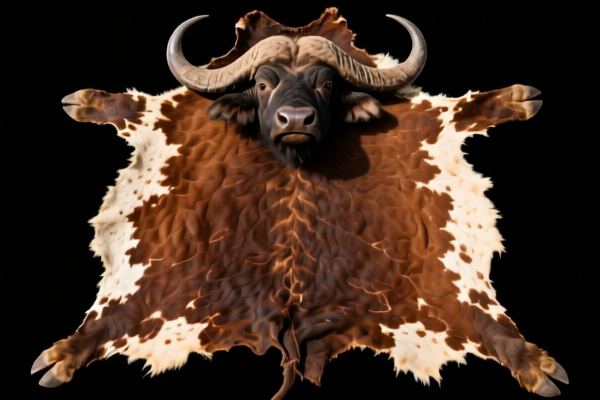
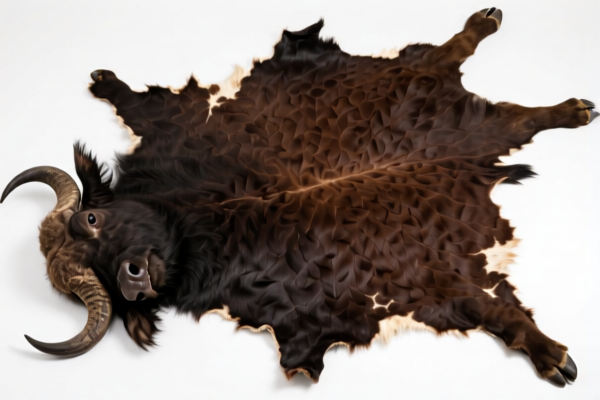
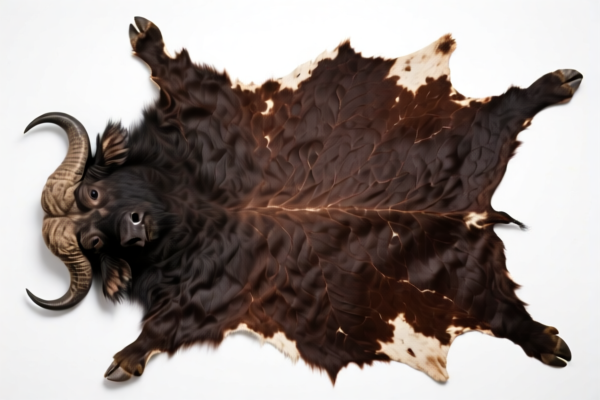
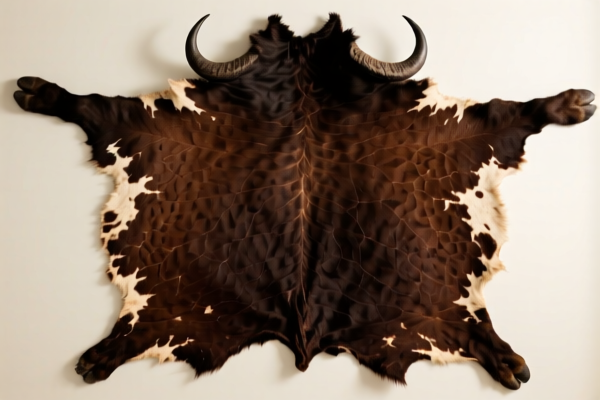
AI Analysis
🐃 Preserved Buffalo Hide (Dried Skin)
🌐 HS Code Reference & Customs Clearance Guide | 2026 Latest Tariff Analysis | Professional Level Strategy
📌 1. Product Definition and Classification: Do You Really Understand "Preserved Buffalo Hide"?
Preserved Buffalo Hide refers to raw hides from buffalo that have undergone specific preservation processes (such as salting, drying, or liming) to prevent decay, but have not yet been processed into leather (tanned, crust, or finished leather). In international trade, these are classified as "skins of bovine animals," but the specific HS Code depends heavily on the state of preservation and subspecies.
⚠️ Key Distinction Point:
- Whole Hides (Original State): If the hide is intact (e.g., from a large buffalo), it may fall under Chapter 41 (Animal Skins), specifically heading 4101.
- Preserved/Dried Skins: If the hide is dried, salted, or otherwise preserved for transport, it is still classified under Chapter 41, but the subheading changes based on whether it is considered "raw" or "preserved" and the specific bovine species.
- Important: "Buffalo" in trade often refers to Water Buffalo (Bubalus bubalis) or American Buffalo (Bison). Classification can differ slightly by country, but generally, water buffalo hides are treated similarly to cattle hides unless specified otherwise.
📦 2. HS Code Classification Details (Based on Provided Data)
The following HS Codes are derived strictly from the provided data for Preserved Buffalo Hide.
| HS Code | Summary / Reason for Classification | Total Tax Rate | Tax Details (Breakdown) |
|---|---|---|---|
4104.49.30.60 |
Buffalo Hide, Match Success: Material is water buffalo hide, classified as dried skin. | 12.4% | Base: 2.4% Surtax: 0.0% Section 122: 10% |
4107.12.40.00 |
Buffalo Hide, Match Success: Product name directly corresponds to material and form, fitting the classification definition. | 12.5% | Base: 2.5% Surtax: 0.0% Section 122: 10% |
4107.19.40.00 |
Buffalo Hide, Match Success: Product name includes material "water buffalo hide," consistent with classification explanation. | 12.5% | Base: 2.5% Surtax: 0.0% Section 122: 10% |
4101.50.35.00 |
Buffalo Hide, Match Success: Product name includes material "buffalo" and form "skin," fitting the raw hide classification. | 19.9% | Base: 2.4% Surtax: 7.5% Section 122: 10% |
4101.20.35.00 |
Buffalo Hide, Match Success: Material is water buffalo hide, meeting species and material requirements. | 19.9% | Base: 2.4% Surtax: 7.5% Section 122: 10% |
🔍 Key Insight:
- Chapters 4101 vs. 4104/4107:
- 4101 typically refers to whole hides (fresh or salted) of bovine animals, often with higher additional duties due to "surtax" (likely 301 tariffs).
- 4104/4107 refer to preserved/dried skins or processed skins that are not yet fully tanned/leatherized. These generally have lower total duties (12.4%-12.5%) compared to raw hides (19.9%).
- Section 122 Tariff: A fixed 10% surtax applies to all listed codes, likely related to specific trade measures.
💰 3. 2026 Latest Tariff Rate Explanation (Detailed)
✅ Applicable Country: Likely United States (based on "Section 122" and typical tariff structures in the data).
✅ Origin: China (CN) – Implied by the presence of Section 122 and 301-style surtaxes.
🎯 1. Lower Tax Bracket: HS 4104.49.30.60 / 4107.12.40.00 / 4107.19.40.00
Best Option for Preserved/Dried Skins
| Item | Content |
|---|---|
| Base Duty | 2.4% - 2.5% |
| Section 301 Surtax | 0.0% (No additional 301 tariff applied to these subheadings) |
| Section 122 Tariff | 10% (Mandatory surtax) |
| Total Duty Rate | 12.4% - 12.5% |
| Calculation | CIF Value × 12.4% (or 12.5%) |
| De Minimis Exemption | ❌ Not Eligible (Commercial shipment) |
| Legal Basis | Section 122 + HTSUS 4104/4107 |
📌 Explanation:
- These codes apply to preserved or dried buffalo hides that are not classified as "raw whole hides" under Chapter 4101.
- No Section 301 tariff (7.5% surtax) is applied, making this the most cost-effective classification.
- Section 122 is a fixed 10% tariff, likely under specific trade agreements or anti-dumping measures.
🎯 2. Higher Tax Bracket: HS 4101.50.35.00 / 4101.20.35.00
Raw Hides Classification
| Item | Content |
|---|---|
| Base Duty | 2.4% |
| Section 301 Surtax | 7.5% (High surtax applied) |
| Section 122 Tariff | 10% |
| Total Duty Rate | 19.9% |
| Calculation | CIF Value × 19.9% |
| De Minimis Exemption | ❌ Not Eligible |
| Legal Basis | Section 301 + Section 122 + HTSUS 4101 |
📌 Explanation:
- These codes apply to raw, whole buffalo hides (e.g., salted, fresh).
- The 7.5% Surtax (likely from Section 301) significantly increases the cost.
- Avoid this classification if possible, as it is 7.5% more expensive than the preserved/dried category.
🛠️ 4. Customs Clearance Practical Advice (Battle-Tested Pitfall Guide)
✅ 1. Preparation Checklist (Non-Negotiable)
| Document | Must Provide | Explanation |
|---|---|---|
| ✅ Product Specification Sheet | ✔️ | Must clearly state: "Preserved/Dried Buffalo Hide," processing method (salted, dried, etc.), and weight. |
| ✅ Composition Statement | ✔️ | Confirm material is 100% Animal Skin (Water Buffalo). No synthetic lining or backing. |
| ✅ Photos of Goods | ✔️ | Clear images showing the texture, preservation method (e.g., salted surface), and labeling. |
| ✅ Commercial Invoice | ✔️ | Must describe goods as "Dried Preserved Buffalo Hide" (not "Raw Hide" if applying for 12.4% rate). |
| ✅ Packing List | ✔️ | Detail weight, dimensions, and number of hides. |
| ✅ Origin Certificate (CO) | ✔️ | Required to verify origin for Section 122/301 application. |
✅ 2. Declaration Strategy (Critical Tips)
🔥 "Dried is Cheaper, Raw is Expensive! Name it Right!"
| Scenario | Correct Declaration | Wrong Practice |
|---|---|---|
| Dried/Salted Skins | Use 4104.49.30.60 or 4107.12.40.00 → 12.4% | Declare as "Raw Hide" → 19.9% (Overpay by 7.5%) |
| Raw Whole Hides | Use 4101.50.35.00 → 19.9% | Try to declare as "Leather" → Misclassification, penalty |
| Mixed Materials | Separate into animal skin and other materials | Combine into one HS Code → Customs rejection |
✅ 3. Special Cases Handling
| Case | Recommendation |
|---|---|
| Water Buffalo vs. Cow | If the hide is from a Water Buffalo, ensure the description specifies "Water Buffalo" to avoid misclassification under generic "Cattle Hides." |
| Preserved vs. Tanned | If the hide is tanned (leatherized), it falls under Chapter 41 Chapter 41 Chapter 41 (e.g., 4104, 4105, etc.). If only dried/salted, it stays in 4104/4107. Do not confuse "preserved" with "leather." |
| US Origin vs. China Origin | If the hide is not from China, Section 122/301 may not apply. Check origin carefully to avoid unnecessary surtaxes. |
| De Minimis | These goods cannot use de minimis (Section 321) due to high duty rates and animal product restrictions. Formal entry is required. |
🌍 5. Global Market Comparison (2026 Latest)
| Country/Region | Recommended HS Code | Duty Rate | Certification Requirement | Notes |
|---|---|---|---|---|
| 🇺🇸 USA | 4104.49.30.60 / 4107.12.40.00 |
12.4% - 12.5% | USDA/APHA Inspection Required | Best Rate for dried/preserved hides. Raw hides (4101) cost 19.9%. |
| 🇨🇳 China | 4104.49.30.60 |
Low/Zero (Check FTA) | No special permit | If exported from China to China (re-import), duties may differ. |
| 🇪🇺 EU | 4104 49 90 |
Varies (Usually 0-5%) | CE/RoHS not applicable | Animal skin import requires health certificates. |
| 🇯🇵 Japan | 4104.49.00 |
0-5% | Phytosanitary Certificate | Strict on animal product contamination. |
📌 Conclusion:
- USA is the primary market for this data.
- Dried/Preserved classification is significantly cheaper than Raw Hides.
- Animal Product Restrictions: Ensure all hides are free of disease and properly preserved to meet USDA/APHA requirements.
📌 6. Common Mistakes & Pitfalls (Lessons Learned)
❌ Mistake 1: Declaring Dried Hides as Raw Hides (HS 4101)
👉 Result: Pay 19.9% instead of 12.4%. Overpayment of 7.5% on CIF value.
👉 Fix: Clearly state "Dried" or "Preserved" in the invoice.
❌ Mistake 2: Using "Leather" in the description for Raw Hides
👉 Result: Customs may reject the entry or assign a higher duty code.
👉 Fix: Use "Preserved Buffalo Hide" or "Dried Buffalo Skin," not "Leather."
❌ Mistake 3: Ignoring Section 122 Tariff
👉 Result: Budget miscalculation. The 10% surtax is mandatory for all codes listed.
👉 Fix: Factor in 10% + Base Duty in all cost projections.
❌ Mistake 4: Failing to provide USDA/APHA Inspection Certificates
👉 Result: Goods held at port, decontaminated, or destroyed.
👉 Fix: Obtain pre-shipment inspection certificates from the country of origin.
🎯 7. Conclusion: Precision Classification Saves Money!
🎯 Key Takeaway:
🔹 "Dried is Cheaper, Raw is Expensive!"
🔹 "Always check for Section 122 (10%) in the total duty."
🔹 "HS Code 4104/4107 is your friend for preserved hides; 4101 is a cost trap."
📌 Pro Tip:
- If your buffalo hides are tanned (fully processed into leather), the HS Code will change to 4104.49.30.60 or similar leather codes. Ensure you declare the correct processing stage (Raw → Preserved → Tanned → Finished).
- Pre-arrange Customs Brokerage: Animal products require careful documentation. Work with a broker experienced in Chapter 41 to avoid delays.
📣 Immediate Action:
📞 Contact a licensed customs broker.
📄 Provide specifications and photos of the hides.
📝 Ensure the invoice clearly states "Dried/Preserved Buffalo Hide" to qualify for the 12.4% rate.
🚀 Clear customs smoothly, reduce costs, and profit maximization!
✨ Professional Customs Clearance Starts with Accurate Classification!
💼 Every Percent of Duty Matters – Get it Right!
Customer Reviews
About HS Code Classification
The Harmonized System (HS) is an internationally standardized nomenclature developed by the World Customs Organization (WCO) to classify traded products. Over 200 countries use the HS system as the basis for customs tariffs, trade statistics, and import/export regulations.
Each HS code follows a hierarchical structure:
- Chapter (2 digits) — Broad category of goods (e.g., Chapter 84: Machinery and Mechanical Appliances)
- Heading (4 digits) — More specific grouping within the chapter
- Subheading (6 digits) — Internationally standardized breakdown, used by all WCO member countries
- National subdivisions (8-10 digits) — Country-specific extensions for further classification, such as US HTSUS 10-digit codes
Correct HS code classification is essential for smooth customs clearance, accurate duty payment, and compliance with trade regulations. Misclassification can lead to customs delays, overpayment of duties, or penalties.
When importing from CN to US, the applicable tariff rates may include:
- Most-Favored-Nation (MFN) rate — The standard duty rate applied to WTO members
- General rate — Applied to countries without trade agreements
- Trade remedy duties — Additional tariffs such as Section 301 (anti-dumping), Section 232 (national security), or countervailing duties
The information provided on this page is for reference purposes only. For official classification, please consult with your local customs authority or a licensed customs broker.