Preserved Lamb Skin
CN → US| HS Code | Tariff Rate | Origin | Destination | Doc |
|---|---|---|---|---|
| 4102103000 | 12.0% | CN | US | Official Doc |
| 4102293000 | 19.5% | CN | US | Official Doc |
| 4301300000 | 10.0% | CN | US | Official Doc |
| 4301900000 | 10.0% | CN | US | Official Doc |
Product Images
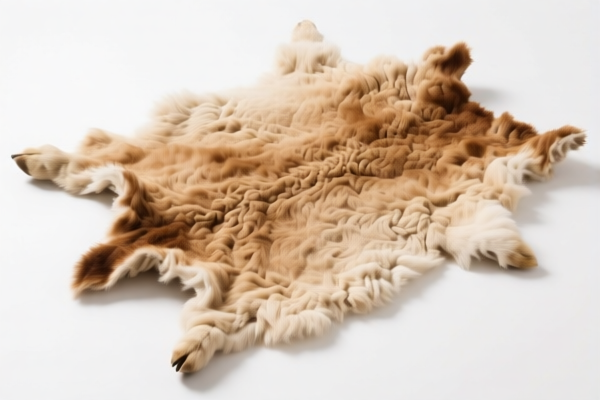
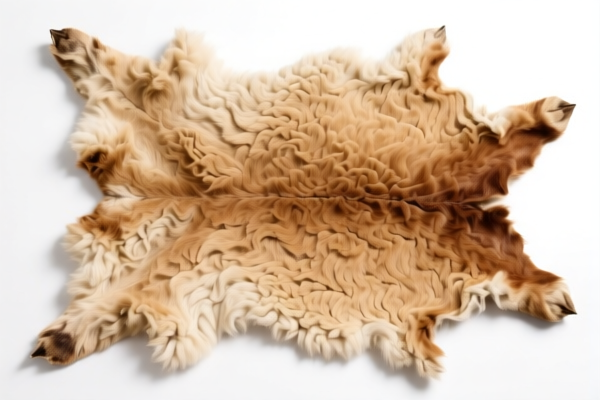
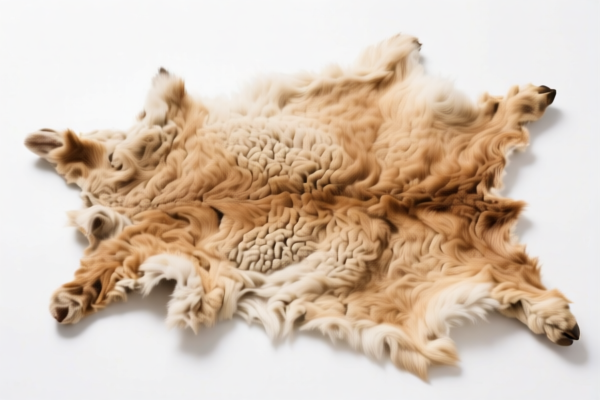
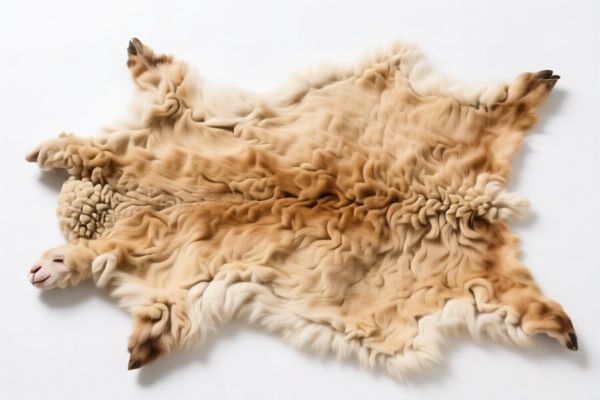
AI Analysis
🐑 Preserved Lamb Skin (Sheepskin)
🌐 HS Code Reference & Customs Clearance Guide | 2026 Latest Tariff Analysis | Professional Clearance Strategy
📌 I. Product Definition & Classification: Do You Truly Understand "Preserved Lamb Skin"?
"Preserved Lamb Skin" refers to sheep or lamb pelts that have undergone specific treatment to prevent decay. In international trade, the classification depends heavily on the degree of processing (tanning vs. preserving) and the state of the fur (raw/hide vs. fur/pelt).
Raw Hides & Skins (Chapter 41):
Skins that are salted, pickled, lime-stabilized, or merely preserved (e.g., chilled, frozen, or salted) without tanning or further working. These are classified under Heading 4102.
Furskins & Prepared Furs (Chapter 43):
Skins that have been tanned, dressed, or are in a state suitable for furriers. Even if "preserved" via certain chemical processes that maintain fur integrity, they often fall under Chapter 43 if they are considered "fur skins" for garment use.
⚠️ Key Distinction Point:
- If the skin is raw, salted, or merely stabilized (not tanned for softness/flexibility) → Classify under Chapter 41 (Raw Hides/Skins).
- If the skin is tanned, dressed, or intended for furrier use (maintaining fur hair integrity) → Classify under Chapter 43 (Furskins).
📦 II. HS Code Classification Details (2026 Latest Tariff Authority Cross-Reference)
| HS Code | Product Description | Applicable Scenario | Processing State |
|---|---|---|---|
4102.10.30.00 |
Sheepskin (Other) | Raw sheep/lamb skin, no further processing, salted/chilled | ✅ Raw/Preserved (Salted/Lime) |
4102.29.30.00 |
Sheepskin (Other) | Raw sheep/lamb skin, excluding wool-shorn/pickled | ✅ Raw/Preserved (Untanned) |
4301.30.00.00 |
Lamb Skin (Furskin) | Tanned or dressed lamb skin, fur-on | ✅ Processed/Fur (Tanned/Dressed) |
4301.90.00.00 |
Other Furskins | Sheep/lamb skin used in furrier trade, excluding specific lamb types | ✅ Processed/Fur (Ready for Garments) |
🔍 Critical Reminder:
- "Preserved" does not automatically mean "Raw": If preservation includes tanning agents that prepare the skin for furrier use, it may fall under Chapter 43.
- Chapter 41 is for skins that are not yet tanned (e.g., salted, pickled).
- Chapter 43 is for skins that are tanned, dressed, or ready for furrier use.
- Misclassification between Chapter 41 and 43 can lead to significant tariff differences and customs delays.
💰 III. 2026 Latest Tariff Rate Breakdown (Including Surtaxes & Policy Surcharges)
✅ Applicable Country: United States (US)
✅ Country of Origin: China (CN)
✅ Effective Date: November 10, 2025 onwards (including subsequent imports)
🎯 1. 4102.10.30.00 —— Sheepskin (Raw, Other)
| Item | Content |
|---|---|
| Basic Duty Rate | 2.0% (ad valorem) |
| Section 301 Surtax | 0.0% (Note: Some sheepskins may be exempt from 301 depending on specific subheading history, but check latest ITA updates) |
| Section 122 Tariff | +10% (Specific to certain animal products under recent trade actions) |
| Total Tax Rate | 12.0% |
| Tax Calculation | CIF Value × 12.0% |
| De Minimis Eligibility | ❌ No (Deny de minimis for animal products from China) |
| Legal Basis Path | USITC:4102.10.30.00 → Section 122: Animal Products |
📌 Explanation:
- Basic Duty 2%: Standard MFN rate for raw sheepskins.
- Section 122 Tariff 10%: A specific surcharge applied to certain imported animal products (including sheepskins) under recent trade measures.
- Total 12%: This is a moderate duty rate compared to high-tech goods, but still significant.
🎯 2. 4102.29.30.00 —— Sheepskin (Other, Untanned)
| Item | Content |
|---|---|
| Basic Duty Rate | 2.0% |
| Section 301 Surtax | +7.5% (Note: Varies by specific product list; check latest USTR exclusions) |
| Section 122 Tariff | +10% |
| Total Tax Rate | 19.5% |
| Tax Calculation | CIF Value × 19.5% |
| De Minimis Eligibility | ❌ No |
| Legal Basis Path | USITC:4102.29.30.00 → Section 301: Footnote 9903.88.01 → Section 122 |
📌 Note:
- Basic Duty 2%: Same as above.
- Section 301 Surtax 7.5%: Applied to certain raw animal hides/skins under U.S.-China trade tensions.
- Section 122 Tariff 10%: Additional surcharge for animal products.
- Total 19.5%: Higher than4102.10.30.00due to the Section 301 surcharge.
🎯 3. 4301.30.00.00 —— Lamb Skin (Furskin, Tanned/Dressed)
| Item | Content |
|---|---|
| Basic Duty Rate | 0.0% |
| Section 301 Surtax | 0.0% |
| Section 122 Tariff | +10% |
| Total Tax Rate | 10.0% |
| Tax Calculation | CIF Value × 10.0% |
| De Minimis Eligibility | ❌ No |
| Legal Basis Path | USITC:4301.30.00.00 → Section 122 |
📌 Explanation:
- Basic Duty 0%: Tanned furskins often enjoy lower basic duties to encourage garment manufacturing.
- Section 122 Tariff 10%: Still subject to the animal product surcharge.
- Total 10%: The lowest total rate among all options, despite being a processed product.
🎯 4. 4301.90.00.00 —— Other Furskins (Sheep/Lamb, Furrier Trade)
| Item | Content |
|---|---|
| Basic Duty Rate | 0.0% |
| Section 301 Surtax | 0.0% |
| Section 122 Tariff | +10% |
| Total Tax Rate | 10.0% |
| Tax Calculation | CIF Value × 10.0% |
| De Minimis Eligibility | ❌ No |
| Legal Basis Path | USITC:4301.90.00.00 → Section 122 |
📌 Note:
- Basic Duty 0%: Standard for general furskins.
- Section 122 Tariff 10%: Applies to all animal fur products.
- Total 10%: Same as4301.30.00.00, suitable for non-specific lamb fur skins used in garments.
🛠️ IV. Customs Clearance Practical Advice (Battle-Tested Pitfall Avoidance Guide)
✅ 1. Required Documentation Checklist (Mandatory)
| Document | Must Provide | Description |
|---|---|---|
| ✅ Product Specification Sheet | ✔️ | Includes type of preservation (salted, lime, tanned), weight, dimensions |
| ✅ Processing Description | ✔️ | Clear statement: "Raw, Salted" vs. "Tanned, Dressed" |
| ✅ Product Photos (with Label) | ✔️ | Clear view of skin side (hair on/off), tag showing origin and treatment |
| ✅ Third-Party Test Report | ✔️ | If claimed as "tanned," provide lab report confirming tanning process |
| ✅ Commercial Invoice | ✔️ | Must specify "Preserved Lamb Skin" and HS Code |
| ✅ Certificate of Origin (CO) | ✔️ | If claiming preferential rates (rare for animal products from China) |
| ✅ Packing List | ✔️ | Details weight, number of skins, and packaging type |
✅ 2. Declaration Tips (Key Mantra)
🔥 “Raw vs. Tanned, Declare Clearly; Chapter 41 vs. 43, Don’t Mix!”
| Scenario | Correct Declaration | Wrong Practice |
|---|---|---|
| Raw, Salted Sheepskin | 4102.10.30.00 or 4102.29.30.00 |
Misdeclared as "Fur Skin" → 0% base but delayed inspection |
| Tanned Lamb Skin (for garments) | 4301.30.00.00 |
Misdeclared as "Raw Skin" → 2% base but wrong chapter |
| Frozen Sheepskin | 4102.10.30.00 |
Declare as "Tanned" → Higher scrutiny |
| Lamb Pelt with Hair (Furrier Use) | 4301.90.00.00 |
Declare as "Raw" → Penalties for misclassification |
✅ 3. Special Case Handling
| Situation | Handling Advice |
|---|---|
| OEM Custom Tanning | Provide tanning process description + supplier confirmation to justify Chapter 43 |
| Mixed Batches (Raw & Tanned) | Do not mix in one declaration. Separate shipments or clarify in packing list |
| Preserved for Export (Not Tanned) | Clearly state "Salted/Preserved for Export, Not for Direct Garment Use" to support Chapter 41 |
| Lamb Skin for Leather vs. Fur | If for leather → Chapter 41; If for fur → Chapter 43. Purpose matters! |
🌍 V. Global Major Market Clearance Comparison (2026 Latest)
| Country/Region | Recommended HS Code | Tariff (China Origin) | Certification Requirements | Notes |
|---|---|---|---|---|
| 🇺🇸 USA | 4102.10.30.00 / 4301.30.00.00 |
12% - 19.5% | USDA APHIS Permit Required | High scrutiny on animal products |
| 🇨🇳 China | 4102.10.30.00 |
2.0% | N/A | No Section 122/301 |
| 🇪🇺 EU | 4102.10.30 |
6.5% (Raw) / 10% (Fur) | EU Health Certificate Required | Strict veterinary checks |
| 🇯🇵 Japan | 4102.10.30 |
16.0% (Raw) | Veterinary Inspection | High basic duty |
| 🇬🇧 UK | 4102.10.30 |
16.0% (Raw) | UK Veterinary Certificate | Post-Brexit rules apply |
📌 Conclusion:
- USA has complex surcharges (Section 122) but Chapter 43 offers the lowest total rate (10%).
- Animal products are heavily regulated globally; veterinary permits are critical.
- Misclassification between Chapter 41 and 43 is the #1 risk.
📌 VI. Common Errors & Pitfall Avoidance (Lessons Learned)
❌ Error 1: Declaring "Tanned Skin" as "Raw Skin"
👉 Consequence: Customs may suspect undeclared processing → Delay + Penalty
❌ Error 2: Ignoring Section 122 Tariff
👉 Consequence: Underpayment of 10% → Back taxes + Interest
❌ Error 3: No USDA APHIS Permit for animal products
👉 Consequence: Shipment rejection or destruction
❌ Error 4: Vague description: "Lamb Skin" without stating preservation state
👉 Consequence: Customs cannot classify → Manual inspection + Delay
✅ Correct Approach:
“Preserved Lamb Skin, Salted, Raw State, Not Tanned, HS 4102.10.30.00, USDA Permit Attached”
🎯 VII. Conclusion: Professional Declaration, Save Time, Reduce Costs!
🎯 Remember the Mantra:
🔹 “Raw or Tanned, State It Plainly; Chapter 41 or 43, Don’t Be Hasty!”
🔹 “Section 122 Adds 10%, De Minimis Denied, Plan Ahead!”
📌 Pro Tip:
- If your lamb skin is tanned and intended for furrier use, classify under 4301.30.00.00 to benefit from 0% basic duty (Total 10%).
- If raw/salted, classify under 4102.10.30.00 (Total 12%).
- Always secure USDA APHIS Pre-Notification before shipping animal products to the USA.
📣 Immediate Action:
📞 Contact a licensed customs broker + Provide USDA APHIS Permit + Apply for HS Code Advance Ruling if unsure.
🚀 Let your lamb skin clear customs smoothly, avoid penalties, and protect your margins!
✨ Professional Clearance Starts with Accurate Classification!
💼 Every Percent of Duty Saved is Pure Profit!
Customer Reviews
About HS Code Classification
The Harmonized System (HS) is an internationally standardized nomenclature developed by the World Customs Organization (WCO) to classify traded products. Over 200 countries use the HS system as the basis for customs tariffs, trade statistics, and import/export regulations.
Each HS code follows a hierarchical structure:
- Chapter (2 digits) — Broad category of goods (e.g., Chapter 84: Machinery and Mechanical Appliances)
- Heading (4 digits) — More specific grouping within the chapter
- Subheading (6 digits) — Internationally standardized breakdown, used by all WCO member countries
- National subdivisions (8-10 digits) — Country-specific extensions for further classification, such as US HTSUS 10-digit codes
Correct HS code classification is essential for smooth customs clearance, accurate duty payment, and compliance with trade regulations. Misclassification can lead to customs delays, overpayment of duties, or penalties.
When importing from CN to US, the applicable tariff rates may include:
- Most-Favored-Nation (MFN) rate — The standard duty rate applied to WTO members
- General rate — Applied to countries without trade agreements
- Trade remedy duties — Additional tariffs such as Section 301 (anti-dumping), Section 232 (national security), or countervailing duties
The information provided on this page is for reference purposes only. For official classification, please consult with your local customs authority or a licensed customs broker.